
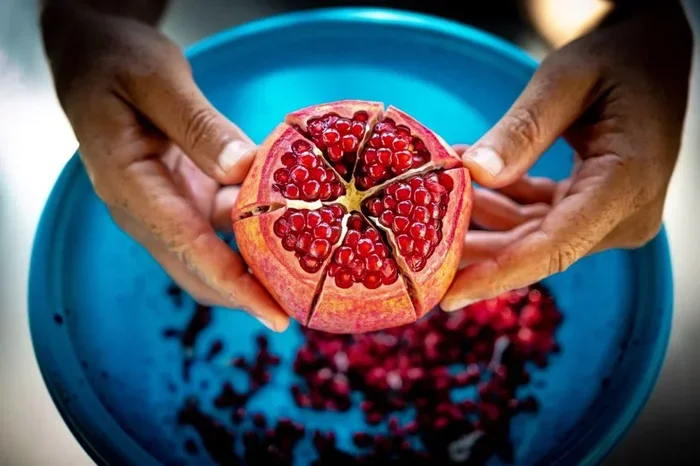
Opening a pomegranate can seem tricky, but with the right technique, you can deseed a pomegranate in just minutes. This guide walks you through every step of how to open a pomegranate safely and efficiently, so you get maximum pomegranate seeds with minimal mess.
Few fruits create as much mess and frustration as a pomegranate. Those jewel-like pomegranate seeds, also called arils, are packed inside a tough rind with bitter white membranes everywhere. If you have ever tried to deseed a pomegranate the wrong way, you know the headache it brings. But here is the good news: once you learn the right method for how to open a pomegranate, the whole process becomes fast, clean, and even enjoyable.
This guide covers everything you need to know. We will walk you through the tools you need, the best techniques, and plenty of tips to make sure you get every last seed without turning your kitchen into a juice stained disaster.
Key Takeaways
- Use a sharp knife: A well-sharpened blade makes clean cuts through the rind without crushing the arils inside.
- Score the fruit first: Scoring the pomegranate into sections before splitting helps you open it cleanly and extract seeds easily.
- Use the water method: Submerging the fruit in water separates seeds from membranes effortlessly, making cleanup a breeze.
- Avoid common mistakes: Don’t rush the process or use a dull blade, as this leads to juice stains and wasted seeds.
- Store seeds properly: Fresh pomegranate seeds stay good in the fridge for up to five days or in the freezer for months.
- Pick the right fruit: A heavy, firm pomegranate with a dry rind is easiest to open and yields the most seeds.
📑 Table of Contents
- Why Knowing How to Open a Pomegranate Matters
- What You Will Need Before You Start
- Step-by-Step Guide: How to Open a Pomegranate
- Tips for Getting the Most Seeds
- Common Mistakes When Opening a Pomegranate
- Storing and Using Your Pomegranate Seeds
- Health Benefits of Pomegranate Seeds
- Frequently Asked Questions
- Conclusion
Why Knowing How to Open a Pomegranate Matters
Pomegranates are one of the most nutritious fruits you can eat. They are loaded with antioxidants, fiber, and vitamin C. The pomegranate seeds inside are the edible part, and they taste amazing on their own, sprinkled on salads, or blended into drinks. But here is the problem: the average pomegranate contains around 600 individual seeds, all locked inside a thick, leathery rind. Without the right approach, you end up squishing fruit, staining countertops, and losing precious seeds down the drain.
Learning the proper way to open a pomegranate saves you time and frustration. It also means you get to enjoy the full nutritional benefits without wasting any of those valuable arils. Whether you are a home cook, a meal prep enthusiast, or just curious about this ancient fruit, mastering this skill is a kitchen game changer.
What You Will Need Before You Start
Choosing the Right Pomegranate
Before you even pick up a knife, start with a good fruit. A ripe pomegranate should feel heavy for its size. The skin should be firm but not rock hard. Look for a deep red or burgundy color with a dry, slightly rough surface. Avoid any fruit with soft spots, cracks, or bruising. A fresh pomegranate with a intact pomegranate crown at the top is usually a sign of quality.
Tip: If you can smell a slight sweet, fruity aroma near the stem end, that is a good sign the fruit is ripe and ready to eat.
Gathering Your Tools
You do not need fancy equipment. Here is a simple list:
- A sharp paring knife or Damascus knife (a sharp blade is critical for clean cuts)
- A large bowl filled with cool water
- A cutting board
- A spoon or your fingers for scooping
- A strainer or large colander for draining
If your knife has lost its edge, take a moment to sharpen a Damascus knife before starting. A dull blade will crush the fruit instead of slicing through it cleanly, which leads to a huge mess and lost seeds. You can also check out our guide on how to sharpen a Damascus knife for detailed sharpening techniques.
Step-by-Step Guide: How to Open a Pomegranate
Step 1: Score the Rind
Place the pomegranate on a cutting board. Using your knife, cut off the crown (the star-shaped top) about half an inch down. You want to remove that woody cap completely. Next, look at the fruit. You will notice subtle ridges running from top to bottom. These lines show you where the internal sections divide.
Using the tip of your knife, lightly score the rind along each ridge. Do not cut too deep. You only need to slice through the outer skin, not into the seeds. Most pomegranates have four to six ridges. Scoring the fruit this way prepares it for easy splitting and helps you follow the natural divisions inside.
Step 2: Break the Fruit Open
Now, gently pull the fruit apart along the scored lines. You should be able to crack it open with your hands if you scored it properly. The pomegranate membranes will be visible, and each section will contain a cluster of seeds. If the fruit resists, do not force it. Go back and deepen the scores slightly, then try again. The goal is to open the fruit into several large wedges, similar to breaking an orange into sections.
Step 3: Use the Water Method
This is the most effective technique for remove pomegranate seeds with minimal mess. Drop the wedges into the bowl of cool water. The seeds sink to the bottom, while the membranes and rind float to the top. This separation trick is a game changer and works far better than trying to pick seeds out on a dry surface.
Once all the wedges are in the water, use your fingers to gently pry the seeds away from the white membranes. The seeds will drop freely into the bowl. You can also use a spoon to help loosen any stubborn clusters. The water keeps the juice from splashing and makes cleanup much simpler.
If you have ever tried how to strain without a strainer, you know the value of using water to separate items. The same principle applies here. The seeds and membranes separate naturally in water, making the whole process effortless.
Step 4: Strain and Rinse
After you have freed all the seeds, pour the contents of the bowl through a strainer or colander. Give the seeds a quick rinse under cool running water. This removes any remaining bits of membrane and ensures your seeds are clean and ready to eat. Pat them dry gently with a paper towel or clean cloth, and they are ready for use.
Tips for Getting the Most Seeds
Getting maximum yield from every pomegranate takes a little practice. Here are some tried-and-true tips to help you extract every last aril:
- Work over a towel. Pomegranate juice stains badly. Lay down an old kitchen towel to protect your counter.
- Use the scoring method before water immersion. Pre-scoring helps release seeds more easily once the fruit is in water.
- Soak longer if needed. If seeds are still clinging to membranes, let the wedges soak for an additional five to ten minutes. The water softens the membranes and loosens the grip on the arils.
- Try the rolling method. Some people find it helpful to roll the whole pomegranate firmly on a countertop before cutting. This helps loosen the seeds from the inner walls.
- Use a wooden spoon. A wooden spoon works well for scooping seeds out of the water bowl without crushing them.
Common Mistakes When Opening a Pomegranate
Using a Dull Knife
This is the number one mistake people make. A dull knife requires extra force, which crushes the fruit and sprays juice everywhere. Always start with a properly sharpened blade. If you are unsure about maintaining your knives, our article on how to sharpen a Damascus knife covers everything you need to know about keeping your blades in top condition.
Cutting Too Deep
When scoring the rind, it is tempting to push hard. Resist that urge. You only need to break through the outer skin. Cutting into the seeds wastes fruit and releases juice that will stain your cutting board and fingers. A light, careful hand is all you need.
Skipping the Water
Some people try to deseed a pomegranate on a dry cutting board. This method is messy and inefficient. The water method is simply superior. Seeds separate from membranes naturally, cleanup is easy, and you avoid the notorious juice splatter. Do not skip this step.
Ignoring the Ripeness
An underripe pomegranate is much harder to open and yields fewer seeds. Always check for ripeness before you start. A heavy, firm fruit with a deep color is your best bet for a good haul of fresh pomegranate seeds.
Storing and Using Your Pomegranate Seeds
Short-Term Storage
Fresh pomegranate seeds stay good in an airtight container in the refrigerator for three to five days. Store them in a single layer if possible to prevent moisture buildup. They make a fantastic addition to morning oatmeal, yogurt bowls, and green salads throughout the week.
Long-Term Storage
Want to keep your seeds longer? Freeze them. Spread the seeds in a single layer on a baking sheet lined with parchment paper. Place the sheet in the freezer for about two hours until the seeds are solid. Then transfer them to a freezer-safe bag or container. Frozen pomegranate seeds last for up to six months and are perfect for smoothies and baking.
Creative Ways to Use Pomegranate Seeds
Once you master how to open a pomegranate, you will want to use those seeds in all kinds of recipes:
- Sprinkle them over a spinach and goat cheese salad for a sweet crunch.
- Add them to trail mix for a burst of tartness.
- Blend them into a fresh pomegranate juice or smoothie.
- Use them as a colorful topping for roasted meats and vegetables.
- Mix them into homemade salsa or chutney for a unique twist.
Health Benefits of Pomegranate Seeds
Understanding why you want to open a pomegranate is easy once you know what is inside. Pomegranate seeds are nutritional powerhouses. They are rich in polyphenols, which are powerful antioxidants that support heart health and reduce inflammation. They also provide a good dose of fiber, vitamin K, and potassium. Studies suggest that regular consumption of pomegranate seeds may help lower blood pressure, improve memory, and support digestive health. So the effort you put into how to open a pomegranate truly pays off in terms of nutrition.
Frequently Asked Questions
How long does it take to open a pomegranate?
Once you know the steps, you can open and deseed a pomegranate in about five to ten minutes. The first few times may take a little longer as you get comfortable with the scoring and splitting technique. Practice makes perfect, and soon you will be opening them in under five minutes flat.
Can I open a pomegranate without a knife?
It is possible but much harder. Without a knife, you would need to tear the fruit apart by hand, which often crushes seeds and releases juice. A knife is the best tool for the job. If you want to try anyway, score the rind deeply with your fingernail or a spoon tip and work slowly.
Why is my pomegranate hard to open?
A very firm or underripe pomegranate can be tough to crack. Make sure your fruit is ripe by checking for a heavy weight, deep color, and slight sweetness near the stem. Also, ensure your scores are deep enough to follow the natural ridges inside the fruit. A dull blade can also make the job harder, so keep your knife sharp.
How do I keep pomegranate juice from staining my clothes and counters?
The water method is your best defense against stains. Work over a towel, use a bowl of water to catch splashes, and rinse seeds in the sink. Pomegranate juice stains almost anything it touches, so act quickly if you get it on fabric. Cold water helps lift the stain before it sets.
Are the white membranes inside a pomegranate edible?
Technically yes, but they taste very bitter and are not enjoyable to eat. Most people discard the membranes and eat only the seeds. The water method makes separating them simple, so you can easily pull the seeds free without much membrane attached.
How many seeds does one pomegranate produce?
On average, a single pomegranate yields between 400 and 600 edible seeds. The exact number depends on the size and variety of the fruit. A large, ripe pomegranate will give you the most seeds, while smaller or slightly underripe fruits produce less.
Conclusion
Now you know everything there is to know about how to open a pomegranate like a pro. From selecting the right fruit to scoring the rind, using the water method, and storing your seeds, every step has been covered. The key is to use a sharp knife, take your time, and never skip the water bowl. Once you get into the rhythm of it, opening a pomegranate becomes a quick and satisfying kitchen task.
The pomegranate seeds you harvest are worth the effort. They are beautiful, delicious, and packed with nutrients that your body will thank you for. So grab a fresh pomegranate, follow this guide, and enjoy the process. With a little practice, you will be deseeding pomegranates effortlessly and adding those bright, ruby red arils to all your favorite recipes in no time.



