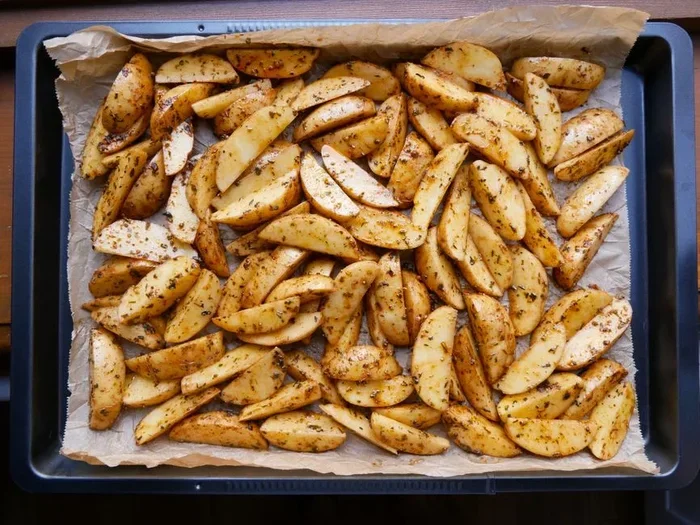
Baking potatoes in the oven is simple, rewarding, and delivers restaurant-quality results at home. This guide covers everything from choosing the right potatoes and preheating your oven to nailing the perfect fluffy interior and crispy skin. You will learn proven techniques, common mistakes to avoid, and creative topping ideas that turn a basic side dish into a meal everyone loves.
There is something deeply satisfying about a hot, fluffy baked potato in oven straight from the heat. Whether you are cooking for one or feeding a whole family, this humble dish never lets you down. It costs very little, takes almost no effort, and pairs with nearly everything.
If you have ever ended up with a hard center or soggy skin, do not worry. You are not alone. Most people underestimate how small tweaks can transform their results. This guide walks you through every step so you get perfect oven baked potatoes every single time.
We will cover everything from picking the right spud to loading it with delicious toppings. By the end, you will wonder why you ever settled for less. Let us get started.
Key Takeaways
- Choose the right potato: Russet potatoes bake best because their high starch content creates a fluffy interior and crispy skin.
- Oven temperature matters: 400°F to 425°F is the sweet spot for evenly cooked, golden-brown baked potatoes in oven.
- Prep makes a difference: Poking holes, oiling the skin, and wrapping in foil (or not) each change the final texture.
- Timing is flexible: A medium potato takes about 45 to 60 minutes, but size and method affect cook time significantly.
- Toppings elevate everything: From classic butter and sour cream to creative combos, the right toppings make your potato unforgettable.
- Avoid common mistakes: Skipping the poke test, overcrowding the pan, and opening the oven too often lead to uneven results.
📑 Table of Contents
Why Bake Potatoes in the Oven?
Oven baking is the gold standard for a reason. It uses dry heat that surrounds the potato evenly. This creates that beloved crispy skin on the outside while keeping the inside soft and fluffy. Cooking potatoes in a toaster oven or air fryer works too, but a full-size oven gives you more control and capacity.
Here is why oven baking wins:
- Even heat distribution: Your potato cooks from all sides at once.
- Crispy skin: Dry oven air pulls moisture from the surface, creating that satisfying crunch.
- Hands-off cooking: Once the potato goes in, you can focus on other parts of your meal.
- Large batches: You can bake several potatoes at once without crowding.
- No special equipment: You just need an oven, a baking sheet, and a few simple ingredients.
Compared to boiling or microwaving, oven baking develops far more flavor. The slow roast caramelizes the natural sugars in the potato. That is where the real magic happens.
Choosing the Right Potato
Not all potatoes are created equal when it comes to baking. The type you pick sets the foundation for everything that follows. Choosing wrong means you fight against the potato instead of working with it.
Best Potato Varieties for Baking
Russet potatoes are the clear winner for oven baking. They have high starch content and thick, rough skin. When baked, the inside turns light and fluffy, almost like mashed potatoes. Their skin also crisps up beautifully.
Here are the top varieties to consider:
- Russet (Idaho): The classic choice. Big, starchy, and perfect for fluffy interiors.
- Yukon Gold: Slightly waxy with a buttery flavor. Great if you prefer a creamier texture.
- Red Potatoes: Thin skin and firm flesh. Better for salads, but they bake well too.
- Fingerlings: Small and elegant. Roast them whole for a fancy side dish.
For the best baked potato in oven results, stick with russets. They are widely available, affordable, and consistently deliver excellent texture. Look for potatoes that are firm, smooth, and free of green spots or sprouts.
Size and Shape Matter
Pick potatoes that are roughly the same size so they cook evenly. A medium potato, about 6 to 8 ounces, bakes in roughly 45 to 60 minutes. Very large potatoes may need up to 90 minutes. If you buy a mix of sizes, arrange the bigger ones toward the back of the oven where heat is most consistent.
Preparing Your Potatoes for the Oven
Preparation is the step most people rush through. Taking just five extra minutes here makes a huge difference in the final result.
Step-by-Step Prep
- Wash the potatoes: Rinse them under cool running water. Use a vegetable brush to scrub off dirt and debris.
- Dry them thoroughly: Pat each potato completely dry with a clean towel. Moisture on the surface prevents crispy skin.
- Poke holes with a fork: This is non-negotiable. Poke 8 to 10 holes on each side. Steam needs to escape during baking, or the potato can burst.
- Rub with oil: Lightly coat each potato with olive oil or melted butter. This crisps the skin and adds flavor.
- Season generously: Sprinkle coarse salt over the oiled skin. You can also add pepper, garlic powder, or paprika at this stage.
Some people wrap their potatoes in foil before baking. This traps steam and cooks the potato faster. However, it also softens the skin. If you want crispy skin, skip the foil. For a softer skin and faster cook, go ahead and wrap.
Quick Tip: For extra crispy skin, after oiling and seasoning, place the potatoes on a wire rack set over a baking sheet. The air circulates underneath and crisps all sides evenly. This small trick mimics what you would see in a professional kitchen.
Perfect Oven Temperature and Timing
Getting the temperature right is the single most important factor in baking potatoes. Too low and they take forever. Too high and the outside burns before the inside cooks through.
Recommended Temperature
The ideal temperature for baked potatoes in oven is 400°F to 425°F (200°C to 220°C). At this range, the potato cooks through evenly while developing a golden, crispy exterior. Most recipes converge around 425°F as the sweet spot.
How Long to Bake
Bake time depends on the size of your potato and whether you wrap it in foil. Here is a general guide:
- Medium potato (6-8 oz): 45 to 60 minutes unwrapped, 50 to 65 minutes wrapped.
- Large potato (8-12 oz): 60 to 75 minutes unwrapped, 70 to 85 minutes wrapped.
- Extra-large potato (12+ oz): 75 to 90 minutes unwrapped.
The best way to check doneness is to squeeze the potato gently with an oven mitt. It should give slightly under pressure. You can also insert a fork or skewer. If it slides in smoothly with no resistance, your potato is ready.
Convection vs. Conventional Baking
If your oven has a convection setting, use it. The fan circulates hot air around the potato, reducing cook time by about 10 to 15 percent. You may also get crispier skin as a bonus. Just reduce the temperature by 25°F when using convection mode.
For those who love the oven for more than just potatoes, learning how to crisp bread in the oven uses a similar principle of dry heat transforming texture. The same even heat that crisps bread also crisps potato skin beautifully.
Toppings and Serving Ideas
This is where your baked potato becomes a complete meal. The possibilities are nearly endless, and the best part is that everyone can customize their own.
Classic Toppings
These timeless combinations never go out of style:
- Butter and sour cream: The original. Simple, rich, and satisfying.
- Shredded cheese: Cheddar, mozzarella, or a blend melts perfectly into the fluffy interior.
- Bacon bits: Adds crunch and smoky flavor.
- Chives or green onions: A fresh finish that brightens everything.
- Steak sauce or Worcestershire: A tangy kick that meat lovers adore.
Creative and Hearty Toppings
Want to go beyond the basics? Try these ideas:
- Pulled pork or shredded chicken: Turn your potato into a hearty main course.
- Broccoli and cheese sauce: A complete meal in one potato.
- Black beans, salsa, and avocado: A delicious vegetarian option with tons of flavor.
- Chili: Load it up with beef chili for a comfort food classic.
- Garlic Parmesan: Toss in roasted garlic and grated Parmesan for an elevated version.
If you are reheating leftovers, you can warm up a loaded potato in the oven. For best results, reheating in the oven keeps the texture much better than a microwave, which tends to make the skin soggy.
Common Mistakes and How to Avoid Them
Even experienced cooks make mistakes when baking potatoes. Knowing what to avoid saves time and frustration.
Skipping the Poke Test
Never skip poking holes in the potato. Steam builds up inside during baking. Without an escape route, pressure builds until the potato explodes in your oven. This creates a mess and ruins your potato. Ten seconds with a fork saves you a major cleanup.
Overcrowding the Pan
Give each potato space. When potatoes touch or overlap, they steam instead of roast. The result is soft, pale skin instead of that crispy exterior you want. Leave at least an inch between each potato on the baking sheet.
Opening the Oven Door Too Often
Every time you open the oven, heat escapes. Your potato loses consistent temperature and may take longer to cook. Resist the urge to check too early. Trust the timer and only open the door when you need to check for doneness.
Using the Wrong Potato
Waxy potatoes like red or new potatoes do not bake as well as russets. They hold too much moisture and tend to have a denser, chewier texture. For the fluffiest result, always choose high-starch russet potatoes.
Forgetting to Oil the Skin
Skipping the oil means you miss out on crispy skin. The oil helps the salt adhere and promotes browning. It is a small step with a big impact on the final texture.
Expert Tips for the Perfect Baked Potato
These pro-level tips take your oven baked potatoes from good to exceptional:
- Soak the potatoes: After poking holes, soak them in cold water for 30 minutes. This draws out excess starch and helps achieve an extra-crispy skin. Dry them thoroughly before baking.
- Salt early: Apply salt before the potato goes in the oven. The salt draws out moisture during baking, which helps crisp the skin. It also seasons the outer layer of the flesh.
- Double bake for extra crispiness: After the first bake, increase the oven temperature to 450°F and bake for an additional 10 to 15 minutes. This technique produces restaurant-quality crispy skin.
- Let them rest: Allow the potato to sit for 5 minutes after removing it from the oven. This helps the interior settle and makes it easier to handle.
- Use a meat thermometer: The center of a properly baked potato should reach 210°F. This is the surest way to confirm doneness.
- Batch cooking: Bake a large batch on Sunday and store them in the fridge. Reheat in the oven at 350°F for 15 minutes. They taste almost as good as fresh.
If you are interested in other oven techniques, you might enjoy learning how to dehydrate vegetables in the oven. The same dry heat principles apply, and it is a great way to preserve garden produce or create healthy snacks.
Storing and Reheating Baked Potatoes
Got leftovers? You can absolutely save them for later. Proper storage keeps your baked potatoes in oven tasting great for days.
Storage: Let the potatoes cool completely. Wrap each one tightly in foil or plastic wrap. Store in the refrigerator for up to 5 days. Do not store potatoes with toppings already on them, as the moisture from cheese, sour cream, or butter speeds up spoilage.
Reheating: Remove the foil and place the potato on a baking sheet. Reheat at 350°F for 15 to 20 minutes. The oven restores the crispy skin much better than a microwave ever could. Add fresh toppings after reheating for the best flavor.
Freezing: You can freeze baked potatoes for up to 3 months. Wrap tightly in foil, then place in a freezer bag. Thaw overnight in the fridge and reheat in the oven at 350°F for about 20 minutes.
Conclusion
Baking potatoes in the oven is one of the simplest and most satisfying things you can cook. With the right potato, the right temperature, and a little patience, you get a dish that is crispy on the outside and fluffy on the inside. It is comfort food at its finest.
Remember to choose russet potatoes, poke plenty of holes, oil and season the skin, and bake at 400°F to 425°F for the right amount of time. Avoid the common mistakes, try the expert tips, and experiment with fun toppings. Once you master the basic technique, you will never go back to microwaving again.
The beauty of a baked potato in oven is that it adapts to whatever you need. A quick weeknight side dish, a loaded dinner, or a make-ahead meal for the whole family. It is versatile, affordable, and endlessly customizable. So preheat your oven, grab some russets, and get baking. Your perfect potato is waiting.
Frequently Asked Questions
Can I bake potatoes at a lower temperature?
Yes, you can bake potatoes at 350°F, but it will take longer, usually around 60 to 90 minutes for a medium potato. The lower temperature may result in slightly less crispy skin. For the best balance of crispy exterior and fluffy interior, 425°F is recommended.
How do I know when a baked potato is done?
A baked potato is done when a fork or skewer slides in smoothly with no resistance. You can also squeeze the potato gently with an oven mitt. If it gives slightly and feels soft all the way through, it is ready. The internal temperature should reach 210°F.
Should I wrap baked potatoes in foil?
It depends on your preference. Foil traps steam and cooks the potato faster, but it softens the skin. If you want crispy skin, skip the foil. If you prefer a softer skin and faster cooking time, wrap the potato in foil before baking.
Can I bake potatoes ahead of time?
Absolutely. You can bake potatoes up to two days in advance. Let them cool, wrap them in foil, and store them in the refrigerator. Reheat in the oven at 350°F for 15 to 20 minutes. This makes them perfect for meal prep or entertaining guests.
What is the best way to reheat a baked potato?
The oven is the best way to reheat a baked potato. Place it on a baking sheet at 350°F for 15 to 20 minutes. This restores the crispy skin and heats the interior evenly. Avoid the microwave, which tends to make the skin soggy and the interior unevenly heated.
Can I bake other vegetables alongside potatoes?
Yes, you can roast vegetables alongside potatoes. Root vegetables like carrots, parsnips, and Brussels sprouts pair wonderfully. Just make sure the vegetables are cut to similar sizes so they cook at the same rate. Toss everything with oil and seasonings for a complete oven-roasted meal.