
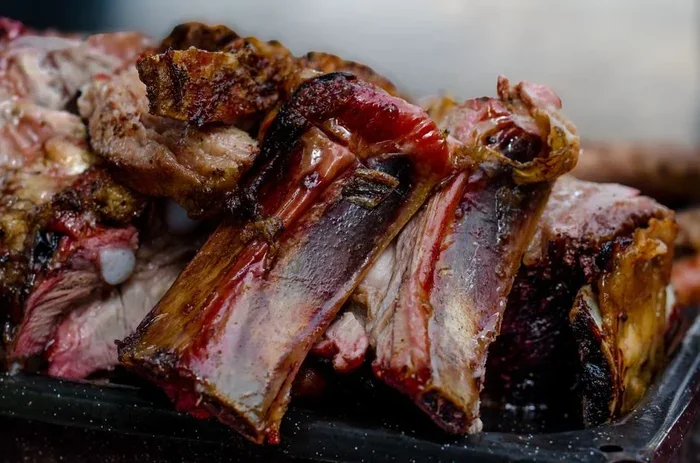
A prime rib cooking times chart helps you roast the perfect beef prime rib with confidence. Whether you prefer rare, medium-rare, or well-done, knowing the right time and temperature is the key to a juicy, flavorful roast. This guide covers prime rib cooking times by weight, oven settings, searing methods, and expert tips so you can serve a show-stopping roast every single time.
Prime rib is one of the most impressive cuts of beef you can serve. It is the star of holiday dinners, special celebrations, and weekend family feasts. But cooking it right can feel intimidating. A prime rib cooking times chart takes all the guesswork out of the process. You will know exactly how long to roast your beef prime rib for the perfect result.
This guide walks you through everything you need to know. We cover times, temperatures, weights, and doneness levels. By the end, you will feel confident enough to roast a prime rib like a pro. Let us get started.
Key Takeaways
- Prime rib cooking times vary by weight and desired doneness: plan for about 15–20 minutes per pound at 325°F.
- Always use a meat thermometer: internal temperature is the most reliable way to judge doneness.
- Rest your prime rib for at least 20–30 minutes: this keeps the juices locked in for a moist slice.
- Searing before roasting adds flavor and a beautiful crust: use a hot pan or your oven’s broiler.
- Bone-in prime rib takes slightly longer to cook: the bone insulates the meat and slows heat transfer.
- Use a big non-stick pot for searing: it ensures even browning without sticking.
📑 Table of Contents
How Long Does Prime Rib Take to Cook?
The answer depends on a few key factors. The weight of your roast matters a lot. A smaller roast cooks faster than a large one. The oven temperature you choose also plays a big role. And of course, your desired level of doneness changes the cooking time.
As a general rule, a bone-in prime rib takes about 15 to 20 minutes per pound at 325°F. A boneless roast may cook a bit faster because there is no bone insulating the meat. These numbers are starting points. Always rely on a meat thermometer for the final call.
Here is a simple breakdown to keep in mind:
- Rare prime rib: 120–125°F internal temperature
- Medium-rare prime rib: 130–135°F internal temperature
- Medium prime rib: 140–145°F internal temperature
- Well-done prime rib: 155–160°F internal temperature
The USDA recommends cooking beef roasts to at least 145°F for food safety. But many chefs and home cooks prefer medium-rare for the best flavor and texture. A medium-rare prime rib roast has a warm red center that is juicy and tender. This is the classic way to serve prime rib, and most people love it.
Why Weight Matters So Much
The size of your roast directly affects the cooking time. A 3-bone prime rib (about 6–7 pounds) will roast differently than a full standing rib (10–15 pounds). Use a prime rib cooking times chart to match your roast weight with the right time and temperature. This simple step prevents overcooking or undercooking.
For example, a 4-pound roast at 325°F needs roughly 60 to 80 minutes. A 10-pound roast needs about 2.5 to 3.5 hours. These are rough estimates. Your actual time will vary based on your oven, the shape of the roast, and whether you sear first.
Prime Rib Cooking Times Chart by Weight
A prime rib cooking times chart is the most useful tool you can have. It gives you a quick reference for planning your roast. Below is a chart based on a 325°F oven temperature and a bone-in roast.
Bone-In Prime Rib Cooking Times at 325°F
- 3–4 pounds: 60–80 minutes for medium-rare
- 5–6 pounds: 90–120 minutes for medium-rare
- 7–8 pounds: 120–150 minutes for medium-rare
- 9–10 pounds: 150–180 minutes for medium-rare
- 11–15 pounds: 180–240 minutes for medium-rare
These times assume you start with a roast at room temperature. Always take your prime rib out of the fridge at least 1–2 hours before cooking. Letting it sit at room temperature helps it cook more evenly. Cold meat going into a hot oven leads to uneven cooking and longer roast times.
Boneless Prime Rib Cooking Times
Boneless prime rib cooks a bit faster because heat reaches the center more quickly. Reduce the times above by about 10–15%. A 6-pound boneless roast at 325°F will need roughly 75–100 minutes for medium-rare. Keep a close eye on the internal temperature as it approaches the target.
The Best Oven Temperature for Prime Rib
Oven temperature is just as important as cooking time. The most common and reliable temperature for roasting prime rib is 325°F. This moderate heat allows the roast to cook slowly and evenly. It gives you a nice crust on the outside while keeping the inside tender and juicy.
Some cooks prefer a two-stage approach. They start at a higher temperature (400–450°F) for the first 15–20 minutes to sear the outside. Then they reduce the heat to 325°F for the rest of the roast. This method builds a flavorful crust and locks in moisture. It is a great technique if you want the best results.
Here are the most common oven temperature options:
- 325°F: The standard. Reliable and even cooking. Best for most home cooks.
- 300°F: Lower and slower. Great for larger roasts that need more gentle heat.
- 350°F: Slightly faster. Works well for smaller roasts under 5 pounds.
- 400°F (initial sear): High heat for the first 15–20 minutes only. Creates a deep brown crust.
Avoid cooking prime rib at temperatures below 275°F for too long. Low and slow works for some cuts of beef, but prime rib benefits from moderate heat. Too low a temperature can dry out the outer layers before the center reaches the right temp.
Searing Prime Rib Before Roasting
Searing adds incredible flavor to your roast. It creates a Maillard reaction on the surface, which gives prime rib its deep, savory crust. To sear, heat a heavy skillet or oven-safe pot over high heat. Add a small amount of oil and place the roast fat-side down first.
Use a long wooden spoon to baste the roast with the hot fat as it sears. This adds flavor and helps brown the sides evenly. Sear each side for about 3–5 minutes until you get a rich, dark brown color. Then transfer the roast directly into the oven to finish cooking.
If you do not have a large skillet, you can sear the roast under the broiler. Place it on a rack in a roasting pan and broil for 5–7 minutes per side. Watch it closely to avoid burning.
How to Know When Prime Rib Is Done
The only foolproof way to know when your prime rib is done is to use a meat thermometer. Do not rely on time alone. Ovens vary, roasts vary in shape, and starting temperatures differ. A digital instant-read thermometer gives you an accurate reading every time.
Insert the thermometer into the thickest part of the roast. Avoid touching the bone, as it conducts heat differently than the meat. The bone can give you a false reading that is higher than the actual internal temperature.
Here is a quick reference for doneness levels:
- Rare: 120–125°F — very red and cool in the center
- Medium-rare: 130–135°F — warm red center, the most popular choice
- Medium: 140–145°F — pink center with a firmer texture
- Medium-well: 150–155°F — slight pink, mostly gray
- Well-done: 155–160°F — no pink, fully cooked through
Remember that the temperature will rise about 5–10°F after you remove the roast from the oven. This is called carryover cooking. So if you want medium-rare at 135°F, pull the roast out at 125–130°F. This is one of the most important tips for a perfect roast.
Using a Meat Thermometer Correctly
A good meat thermometer is essential for roasting prime rib. Dial thermometers can be less accurate. Invest in a digital instant-read thermometer for the best results. Insert it into the center of the thickest section, away from any bone or fat pockets.
Take the temperature in at least two spots to make sure the roast is evenly cooked. If one side reads higher than the other, rotate the roast and check again. This small step makes a big difference in the final result.
Resting and Serving Your Prime Rib
Resting is one of the most overlooked steps in roasting prime rib. Many people skip it and cut into the roast right away. This is a mistake. Resting allows the juices to redistribute throughout the meat. Without resting time, those juices run all over your cutting board instead of staying in the roast.
Let your prime rib rest for at least 20–30 minutes after removing it from the oven. Tent it loosely with aluminum foil to keep it warm. The foil should not be tight, as you do not want to trap steam and soften the crust.
While the roast rests, this is a great time to prepare your sides. Mashed potatoes, roasted vegetables, and a simple pan gravy pair beautifully with prime rib. The resting time gives you a buffer to get everything ready at the same time.
How to Carve Prime Rib Like a Pro
Carving prime rib correctly makes a huge difference in how each slice looks and tastes. Start by locating the rib bones. If your roast is bone-in, slice along the bone to separate the meat from the ribs. Then cut the meat into slices about 1/2 inch thick.
Cut against the grain for the most tender slices. Use a sharp carving knife and apply gentle, even pressure. Let the knife do the work. If you press too hard, you will squeeze out the juices and dry out the slices.
For a clean presentation, serve each slice with a bit of the bone still attached. It looks elegant and makes it easy for guests to pick up their portion.
Storing Leftover Prime Rib
Leftover prime rib keeps well in the refrigerator for up to 4 days. Store it in an airtight container or wrap it tightly in plastic wrap. You can also freeze leftover roast beef for up to 3 months. Thaw it in the refrigerator overnight before reheating.
To reheat, use a low oven temperature (250–275°F) and add a splash of beef broth to keep the meat moist. Cover the slices with foil so they do not dry out. A gentle reheat preserves the tenderness and flavor of the original roast.
Common Mistakes to Avoid When Cooking Prime Rib
Even experienced cooks make mistakes with prime rib. Here are the most common ones and how to avoid them:
- Skipping the room temperature rest: Putting a cold roast into a hot oven leads to uneven cooking. Always let it sit out for 1–2 hours first.
- Relying only on time: Time is a guide, not a rule. Always use a meat thermometer to check the internal temperature.
- Not searing before roasting: Searing builds flavor and creates a beautiful crust. Do not skip this step if you want the best results.
- Overcooking the roast: Pull the roast out early and let carryover cooking finish the job. A few degrees can mean the difference between perfect and dry.
- Cutting too soon after cooking: Resting is essential. Cutting too early releases all the juices and leaves you with a drier roast.
- Using the wrong pan: A heavy, oven-safe pan or roasting pan works best. Avoid thin pans that warp in the heat.
Expert Tips for the Perfect Prime Rib Roast
Here are some extra tips from experienced cooks and chefs that will elevate your prime rib:
- Dry brine the night before: Salt the roast generously and leave it uncovered in the fridge overnight. This dries the surface and seasons the meat deeply, leading to a better crust.
- Let the roast come to room temperature: This reduces cooking time and ensures even doneness throughout.
- Use a roasting rack: Elevating the roast allows hot air to circulate around it. This promotes even cooking and a uniform crust.
- Make a pan gravy: Use the drippings from the roasting pan to make a rich, savory gravy. Add beef broth, a splash of red wine, and a bit of flour for a classic accompaniment.
- Invest in quality meat: Look for prime-grade beef with good marbling. The fat melts during cooking and keeps the roast juicy and flavorful.
Cooking prime rib does not have to be scary. With a prime rib cooking times chart, a good meat thermometer, and a little patience, you can roast a show-stopping beef prime rib that will impress everyone at the table. The key is to plan ahead, stay patient, and trust the process.
Whether you are cooking for a holiday dinner, a birthday celebration, or a special weekend meal, this guide gives you everything you need. Start with the right weight, pick your doneness level, set your oven temperature, and let the roast do the work. The results will be worth every minute of effort.
Now that you have this knowledge, it is time to put it into practice. Fire up your oven, grab your prime rib, and enjoy the process of creating one of the most delicious roasts you will ever make. Happy cooking!
Frequently Asked Questions
How long does it take to cook a 5-pound prime rib?
A 5-pound bone-in prime rib at 325°F takes about 90 to 120 minutes for medium-rare. Always check the internal temperature with a meat thermometer to be sure. The roast should reach 130–135°F for medium-rare doneness.
Should I cook prime rib covered or uncovered?
Cook prime rib uncovered for the best crust. Covering it traps steam and prevents the surface from browning. If you are worried about the roast drying out, you can tent it loosely with foil during the resting period, not during cooking.
What is the best temperature for prime rib?
325°F is the most recommended temperature for roasting prime rib. It cooks the meat evenly and creates a great crust. Some cooks start at 400°F for 15–20 minutes to sear, then drop to 325°F for the rest of the cook.
How do I know when prime rib is done without a thermometer?
A meat thermometer is the most reliable method. However, you can also use the finger test by pressing the roast and comparing the firmness to the feel of your palm. This method takes practice and is less accurate than a thermometer.
Can I cook prime rib from frozen?
It is not recommended to cook prime rib from frozen. Thaw it in the refrigerator for 24–48 hours before cooking. Cooking from frozen leads to uneven cooking and can leave the center undercooked while the outside overcooks.
How long should prime rib rest before cutting?
Let prime rib rest for at least 20–30 minutes after removing it from the oven. This allows the juices to settle back into the meat. Tent it loosely with foil to keep it warm during the resting period.
=== CONCLUSION ===
A prime rib cooking times chart is an essential tool for anyone who loves roasting beef prime rib at home. It takes the mystery out of timing and temperature, so you can focus on enjoying the process. From choosing the right weight to picking your doneness level, every step matters. Use the chart, trust your meat thermometer, and give your roast the resting time it deserves.
With the tips and guidance in this article, you are ready to cook a prime rib that is juicy, tender, and full of flavor. Your family and guests will be impressed. So go ahead, plan your next roast, and make it a memorable meal.



