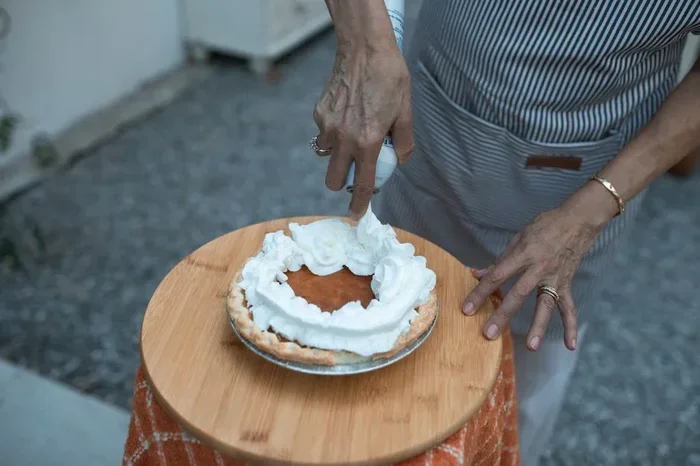
Making whipped cream from heavy cream at home is simple and rewarding. You only need heavy cream, sugar, and a little patience. This guide covers everything from equipment to storage, ensuring your homemade whipped cream turns out perfectly every time.
Whipped cream is one of the simplest yet most satisfying homemade whipped cream recipes you can master. Whether you are topping a hot chocolate, filling a cake, or just adding a fluffy cloud to fruit, this dairy delight elevates any dish. The process of how to make whipped cream from heavy cream is straightforward, but a few small details make all the difference.
Many people reach for a can of store-bought whipped cream. While convenient, it often contains added sugars, stabilizers, and preservatives. Making your own lets you control the sweetness, texture, and flavor. Plus, it tastes infinitely better. This guide will walk you through every step, from choosing the right cream to fixing common problems. By the end, you will be able to whip up a perfect batch in minutes.
Key Takeaways
- Use cold heavy cream: Chilling your cream and bowl helps achieve stiff peaks faster.
- Choose the right tool: An electric mixer is fastest, but a hand whisk or blender works too.
- Add sugar gradually: This prevents the cream from becoming grainy and helps stabilize it.
- Don’t over-whip: Over-whipped cream turns grainy, but you can fix it by adding a little liquid cream.
- Store properly: Homemade whipped cream lasts 2-3 days in the fridge when stored correctly.
- Experiment with flavors: Vanilla, cocoa, and fruit purees add delicious variety.
📑 Table of Contents
How to Make Whipped Cream from Heavy Cream at Home: A Simple Guide
Homemade whipped cream is a game-changer in the kitchen. It is lighter, fresher, and more flavorful than anything from a can. When you learn how to make whipped cream from heavy cream, you open up a world of dessert possibilities. You can adjust the sweetness to your liking and add real vanilla or other natural flavors. The texture is also superior. Freshly whipped cream holds its shape beautifully and melts smoothly on warm desserts.
Heavy cream, also known as heavy whipping cream, has a high fat content of at least 36%. This fat is what traps air and creates the fluffy structure. Lower-fat creams or milk will not whip properly. So always reach for heavy cream or heavy whipping cream when you want that perfect stiff peaks texture. The difference between soft peaks and stiff peaks is all about how long you whip and how much air you incorporate.
The Role of Fat Content
The fat in heavy cream acts as the scaffolding for your whipped cream. As you beat the cream, fat globules clump together and trap air bubbles. This creates the airy, stable structure we love. If you try to whip cream with lower fat, like half-and-half, it will never hold its shape. Always check the label to ensure you are using heavy cream or heavy whipping cream with at least 36% milk fat. This is the foundation of a successful whipped cream recipe.
Ingredients You’ll Need
You do not need many ingredients to make excellent whipped cream. The base is simple, but each component plays an important role. Here is what you will need:
- Heavy cream: Cold, straight from the refrigerator. At least 36% milk fat.
- Granulated sugar: Regular white sugar works best. You can also use powdered sugar for a smoother texture. Learn how to store sugar to keep it fresh and lump-free.
- Vanilla extract: Pure vanilla adds a warm, classic flavor. You can also use vanilla bean seeds for a more intense aroma.
- A pinch of salt: This balances the sweetness and enhances the cream flavor.
For a basic whipped cream recipe, start with one cup of heavy cream, two tablespoons of sugar, and a teaspoon of vanilla extract. You can easily double or triple these amounts depending on your needs. The sugar sweetens the cream and helps stabilize the foam. Adding it gradually during whipping prevents the cream from becoming grainy.
Optional Flavorings and Stabilizers
Once you master the basic how to make whipped cream from heavy cream method, you can get creative. Here are some popular add-ins:
- Cocoa powder: Sift it in for a chocolate whipped cream perfect for brownies.
- Fruit puree: Raspberry or strawberry puree adds a fruity twist. Add it after the cream is whipped to avoid breaking the foam.
- Cornstarch or gelatin: These stabilize the cream for longer holding times, especially for piping and decorating.
- Powdered sugar: It dissolves faster than granulated sugar and creates a silkier texture.
Equipment for Whipping Cream
The right equipment makes how to make whipped cream from heavy cream much easier. You need a cold bowl and a whisking tool. Here are your options:
| Tool | Pros | Cons |
|---|---|---|
| Electric Hand Mixer | Fast, consistent, easy to control speed | Requires counter space and power |
| Balloon Whisk (Hand) | No electricity needed, gentle on cream | Takes more arm strength and time |
| Blender or Food Processor | Powerful, can whip large batches | Can over-whip quickly if not careful |
An electric hand mixer is the most popular choice for home cooks. It produces consistent results with minimal effort. If you prefer a more traditional approach, a large balloon whisk works beautifully. Just be prepared for a good arm workout. A blender can also whip cream, but you must be careful not to over-process it. If your blender is not working properly, learn how to fix a blender before you start. A malfunctioning blender can make the process frustrating.
Chilling Your Equipment
One of the most important tips for how to make whipped cream from heavy cream is to chill everything. Place your mixing bowl and whisk or beaters in the freezer for 10 to 15 minutes before you start. Cold equipment helps the fat in the cream solidify faster, which traps air more effectively. This simple step drastically reduces whipping time and helps you achieve stiff peaks more reliably.
Step-by-Step Guide to Whipping Heavy Cream
Now that you have your ingredients and equipment ready, it is time to whip. Follow these steps for perfect homemade whipped cream every time.
- Pour cold heavy cream into the chilled bowl. The cream should be straight from the fridge, around 40°F (4°C).
- Add sugar and vanilla gradually. Start with a tablespoon of sugar and a teaspoon of vanilla. You can add more later if needed.
- Begin whisking on medium speed if using an electric mixer. If using a hand whisk, start with brisk, steady strokes.
- Watch the texture change. The cream will first look frothy and bubbly. Then it will thicken into soft peaks.
- Continue whipping until you reach your desired consistency. For stiff peaks, keep going until the cream holds its shape firmly. The peaks should curl slightly when you lift the whisk.
- Stop immediately when you reach stiff peaks. Over-whipping is the most common mistake. Once the cream turns into butter, it is too late.
If you are using a whipped cream dispenser, make sure you know how to prepare it. Learn how to open whip cream bottle properly to avoid spills and ensure the dispenser works correctly. Always follow the manufacturer’s instructions for your specific device.
Quick Tips for Success
- Always use a copper bowl if you have one. Copper reacts with the cream and stabilizes the foam beautifully.
- Add a small amount of cream cheese or mascarpone for a richer, more stable whipped cream.
- For a lighter texture, fold in a dollop of sour cream or crème fraîche after whipping.
- Pipe with a star tip for an elegant presentation on desserts.
- Keep a backup can of cold heavy cream in case you accidentally over-whip and need to start again.
Achieving the Perfect Consistency
The perfect whipped cream recipe should be smooth, glossy, and hold its shape. When you lift the whisk or beaters, the peak should stand straight up without folding over. That is a stiff peak. If the peak droops over at the tip, you have soft peaks, which is great for folding into batters or topping hot drinks. For piping decorations, you want stiff peaks because the cream needs to hold its shape on cakes and cupcakes.
To test for stiff peaks, lift the whisk out of the cream. The peak should be tall and pointed. If it flops over, keep whipping for another 15 to 30 seconds and check again. Remember, it is easy to go from perfect to over-whipped in seconds, so watch closely during the final stages.
Common Mistakes and How to Avoid Them
Even experienced cooks make mistakes when whipping cream. Knowing what can go wrong helps you prevent it. Here are the most common issues with how to make whipped cream from heavy cream and how to fix them.
Over-Whipping and What to Do
Over-whipping happens when you beat the cream too long. The fat globules break apart and the cream turns grainy and lumpy. It can even separate into butter and buttermilk. If you catch it early, you can sometimes save it. Add a tablespoon of cold heavy cream and whisk gently on low speed. The extra liquid helps re-emulsify the fat. However, if the cream has already turned into butter, it is not salvageable as whipped cream. You can still use it as butter in cooking, but you will need to start over for topping desserts.
Using Warm Cream
Warm cream will never whip properly. The fat remains liquid and cannot trap air. Always start with cream that is ice-cold. If you forget to chill the cream, you can place the sealed carton in an ice bath for 10 minutes. The colder the cream, the faster it whips and the more stable the final product. This is why professional kitchens keep their cream and bowls in the freezer until just before use.
Adding Sugar Too Early
Adding all the sugar at the beginning can slow down the whipping process. Sugar crystals can cut through the fat structure if added too early. The best practice is to add sugar gradually, once the cream has started to thicken. This allows the air bubbles to form a stable network before the sugar interferes. For the smoothest result, use powdered sugar instead of granulated. It dissolves instantly and does not risk breaking the foam.
Storing and Using Your Whipped Cream
Homemade whipped cream is best enjoyed fresh, but you can store it for a short time. Proper storage keeps it fluffy and safe to eat.
How Long Does Homemade Whipped Cream Last?
Freshly whipped cream will hold its shape for about 2 to 3 hours at room temperature. In the refrigerator, it can last up to 24 hours if stored in an airtight container. After that, it may start to weep liquid and lose its volume. Do not freeze whipped cream, as it will separate and become grainy when thawed. If you need to make it ahead of time, whip it just before serving for the best texture.
For longer storage, you can stabilize the cream with a small amount of gelatin or cornstarch. This helps it hold up for a few days. You can also learn how to store sugar properly to ensure your sweetener is always ready and free of lumps when you need it.
Serving Ideas and Toppings
Whipped cream is incredibly versatile. Here are some delicious ways to use it:
- Pipe rosettes onto cupcakes and cakes.
- Top hot cocoa, coffee, or apple pie.
- Fold into mousse or parfait layers.
- Serve alongside fresh berries or sliced fruit.
- Use as a base for flavored creams by adding cocoa, cinnamon, or fruit puree.
If you are using a can of pre-whipped cream from the store, remember to learn how to open whip cream bottle carefully to avoid spraying cream everywhere. A gentle twist and controlled release works best.
Expert Tips for Perfect Whipped Cream
Mastering how to make whipped cream from heavy cream takes a little practice, but these expert insights will speed up your learning curve.
Expert Insights
Professional pastry chefs often add a tiny amount of cornstarch or powdered sugar to their whipped cream recipe to help it hold up under heat. This is especially useful for pies and cakes that will sit at room temperature for a while. The stabilizer absorbs excess moisture and keeps the cream fluffy for hours. Another pro tip is to use a copper bowl. Copper ions interact with the proteins in the cream and create a more stable foam that resists over-whipping.
Common Mistakes to Avoid:
- Do not use ultra-pasteurized cream if possible. It whips less predictably than regular pasteurized cream.
- Do not whip at high speed from the start. Begin on medium and increase gradually.
- Do not add vanilla extract with a high alcohol content, as it can inhibit whipping.
- Do not leave whipped cream out for more than two hours, as dairy can spoil quickly.
Conclusion
Learning how to make whipped cream from heavy cream is a valuable kitchen skill. It is simple, fast, and produces results far superior to anything from a can. With cold heavy cream, a little sugar, and the right technique, you can create fluffy, stable whipped cream in minutes. Remember to chill your equipment, add sugar gradually, and watch for stiff peaks. If you over-whip, do not panic; a splash of cold cream can sometimes bring it back. Now that you have all the tips and tricks, it is time to grab a bowl and start whipping. Your desserts will never be the same.
Frequently Asked Questions
Can I use milk instead of heavy cream to make whipped cream?
No, milk does not have enough fat to trap air and form a stable foam. You need heavy cream or heavy whipping cream with at least 36% milk fat. Using milk will result in a thin, watery liquid that will never thicken into whipped cream.
How long does it take to whip cream by hand?
Whipping cream by hand with a balloon whisk typically takes 10 to 15 minutes to reach stiff peaks. The time depends on the temperature of the cream and your arm strength. Using an electric mixer reduces the time to 3 to 5 minutes, making the process much faster and less tiring.
Can I use a blender to make whipped cream?
Yes, a blender can make whipped cream, but you must be careful. Use the lowest speed setting and stop as soon as the cream reaches stiff peaks. Blenders can over-whip cream very quickly because they are powerful. If your blender is not working properly, learn how to fix a blender before trying again.
What is the difference between soft peaks and stiff peaks?
Soft peaks curl over at the tip when you lift the whisk. They are ideal for folding into batters or topping hot drinks. Stiff peaks stand straight up and hold their shape firmly. You need stiff peaks for piping decorations, layering cakes, and topping desserts that will sit at room temperature.
How do I fix over-whipped cream?
If you catch over-whipped cream early, add one tablespoon of cold heavy cream and whisk gently on low speed. The extra liquid helps re-emulsify the fat. If the cream has already turned into butter, it cannot be reversed as whipped cream. You can still use the butter in cooking, but you will need to start a new batch for topping.
Can I freeze homemade whipped cream?
It is not recommended to freeze whipped cream. Freezing causes the water and fat to separate, resulting in a grainy, watery texture when thawed. The cream will lose its fluffy structure and will not whip properly again. Always make whipped cream fresh or store it in the refrigerator for up to 24 hours for the best results.