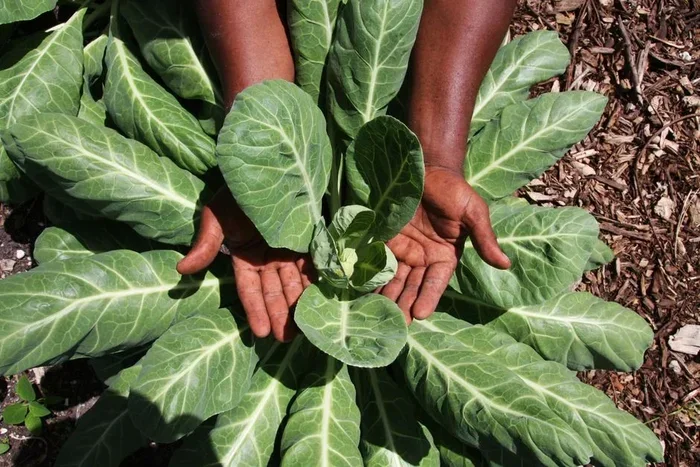
Collard greens are one of the most nutrient-dense leafy greens you can eat. Rich in vitamins A, C, K, fiber, and antioxidants, these humble leaves support everything from heart health to strong bones. In this guide, you’ll learn the top health benefits, the best cooking methods, and simple tips to make collard greens a regular part of your healthy eating routine.
Key Takeaways
- Collard greens are a nutritional powerhouse: Packed with vitamins K, A, C, calcium, and fiber, they support nearly every system in your body.
- They fight inflammation and boost immunity: High antioxidant content helps reduce chronic inflammation and strengthens your immune system.
- Great for heart and bone health: The combination of potassium, vitamin K, and calcium makes collard greens excellent for cardiovascular and skeletal strength.
- Easy to cook and versatile: You can sauté, steam, bake, or add them to soups and smoothies for a nutrient boost.
- Proper storage matters: Keeping collard greens fresh ensures you get the maximum nutrition and flavor every time.
- Start small and build up: If you’re new to collard greens, begin with smaller portions and experiment with different recipes.
📑 Table of Contents
- Why Collard Greens Are the Ultimate Superfood You Need
- What Are Collard Greens?
- Nutritional Powerhouse: What Is Inside Collard Greens
- Top Health Benefits of Collard Greens
- How to Cook and Enjoy Collard Greens
- Common Mistakes When Preparing Collard Greens
- How to Store and Keep Collard Greens Fresh
- Expert Insights on Eating More Collard Greens
- Conclusion
Why Collard Greens Are the Ultimate Superfood You Need
If you have never tried collard greens, you are missing out on one of the most powerful foods on the planet. These leafy greens have been a staple in Southern cooking for generations, but their real value goes far beyond flavor. Collard greens are loaded with nutrients that most people desperately need more of in their diets. We are talking about vitamins, minerals, antioxidants, and fiber all wrapped into one humble green leaf.
Think of collard greens as a secret weapon for your health. They support your heart, strengthen your bones, protect your eyes, and even help your body fight off disease. Whether you are a health enthusiast or just someone looking to eat better, this guide will show you exactly why these greens deserve a spot on your plate every single week.
We will cover everything you need to know. From the science behind their health benefits to simple recipes you can try at home, this article has it all. Let us dive right in.
What Are Collard Greens?
Collard greens belong to the same family as broccoli, kale, and cabbage. They are a type of leafy green vegetable known scientifically as Brassica oleracea. Their large, broad leaves are dark green and slightly bitter when raw, but they develop a rich, savory flavor when cooked properly.
A Brief History of Collard Greens
Collard greens have deep roots in African American and Southern cuisine. Enslaved Africans in the American South adapted their cooking traditions to the ingredients available to them. They turned tough, bitter greens into soul food staples that are now loved by millions. Today, collard greens are enjoyed worldwide for both their cultural significance and their outstanding nutrition profile.
Why They Stand Out Among Leafy Greens
Compared to other leafy greens, collard greens hold their own. They contain more calcium than kale, more fiber than spinach, and a wider range of antioxidants than many other vegetables. Their thick leaves also hold up well during cooking, making them incredibly versatile in the kitchen.
Nutritional Powerhouse: What Is Inside Collard Greens
Understanding what makes collard greens so powerful starts with looking at their nutrition facts. Just one cup of cooked collard greens delivers an impressive array of nutrients with very few calories. This is what makes them a true superfood.
Vitamins and Minerals
Here is a snapshot of what you get from one cup of cooked collard greens:
- Vitamin K: Over 100% of your daily value. Essential for blood clotting and bone health.
- Vitamin A: Supports eye health, skin, and immune function.
- Vitamin C: Boosts your immune system and helps your body produce collagen.
- Calcium: Important for strong bones and teeth.
- Iron: Helps carry oxygen through your blood.
- Potassium: Supports heart health and regulates blood pressure.
Fiber and Protein
A single serving of collard greens provides about 5 grams of dietary fiber. That is a significant amount for such a low-calorie food. Fiber supports healthy digestion, keeps you feeling full longer, and helps regulate blood sugar levels. While the protein content is modest, it still contributes to your daily intake in a meaningful way.
Antioxidants and Phytonutrients
Collard greens are rich in powerful antioxidants like beta-carotene, lutein, and zeaxanthin. These compounds protect your cells from damage caused by free radicals. This is where the detox benefits come in. Your liver relies on these nutrients to process and eliminate toxins from your body efficiently.
| Nutrient | Amount per Cup (Cooked) | Daily Value % |
|---|---|---|
| Calories | 49 | – |
| Fiber | 5.3 g | 21% |
| Vitamin K | 1046 mcg | 131% |
| Vitamin A | 6693 IU | 134% |
| Vitamin C | 34.6 mg | 38% |
| Calcium | 268 mg | 27% |
| Iron | 0.9 mg | 5% |
Top Health Benefits of Collard Greens
Now that you know what is inside, let us talk about what these nutrients actually do for your body. The health benefits of collard greens are wide-ranging and backed by science.
1. Support Heart Health
One of the biggest reasons to eat more collard greens is their impact on your cardiovascular system. The potassium in these greens helps lower blood pressure. The fiber reduces cholesterol levels. Meanwhile, the antioxidants prevent the oxidation of LDL cholesterol, which is a key factor in heart disease. Studies on healthy eating patterns consistently show that diets rich in leafy greens significantly reduce the risk of heart attacks and strokes.
2. Strengthen Bones and Prevent Osteoporosis
Want stronger bones? Collard greens deliver calcium, vitamin K, and magnesium in one package. Vitamin K plays a critical role in bone metabolism, while calcium provides the structural foundation. Many people reach for milk to get their calcium, but collard greens offer a highly absorbable plant-based alternative that does not come with added sugars or fats.
3. Boost Your Immune System
The high levels of vitamin C and antioxidants in collard greens make them excellent for immune support. Vitamin C stimulates the production of white blood cells, your body’s frontline defense against infections. The antioxidants also reduce inflammation, which can weaken your immune response over time. Adding these greens to your meals during cold and flu season is a smart move.
4. Improve Eye Health
Lutein and zeaxanthin are two antioxidants found in collard greens that are specifically linked to eye health. They accumulate in your retinal tissue and protect against macular degeneration and cataracts. If you want to preserve your vision as you age, these leafy greens are one of the best foods you can eat.
5. Aid in Digestion and Detox
With 5 grams of fiber per serving, collard greens keep your digestive system running smoothly. Fiber feeds beneficial gut bacteria, promotes regular bowel movements, and helps your body absorb nutrients more effectively. The glucosinolates in collard greens also support your liver’s natural detox processes, helping your body flush out harmful substances.
6. Help Manage Blood Sugar
The fiber and antioxidants in collard greens work together to stabilize blood sugar. Fiber slows the absorption of sugar into your bloodstream, preventing spikes and crashes. For people managing diabetes or insulin resistance, adding collard greens to meals can make a noticeable difference in energy levels and overall health.
How to Cook and Enjoy Collard Greens
Knowing the health benefits is one thing, but actually eating collard greens regularly is what matters. The good news is that these greens are easy to prepare and incredibly versatile. You can use them in soups, stir-fries, smoothies, and more.
Best Cooking Methods
Different cooking methods bring out different qualities in collard greens. Here is a quick comparison:
- Steaming: Preserves the most nutrients. Takes about 10 minutes. Best for a simple, clean flavor.
- Sautéing: Quick and flavorful. Use olive oil and garlic for a delicious side dish. Ready in 8 minutes.
- Braising: The classic Southern method. Cook low and slow with smoked meat for deep, rich flavor. Takes 1 to 2 hours.
- Adding to soups: Toss chopped greens into any soup for an instant nutrient boost. They wilt beautifully.
- Blending into smoothies: Mask the flavor with fruit. A great way to sneak collard greens into your morning routine.
Quick Tips for Beginners
If you have never cooked with collard greens before, here are a few tips to get started:
- Remove the tough center stems before cooking. These are fibrous and do not soften well.
- Wash the leaves thoroughly. Dirt and grit often hide between the layers.
- Cut the leaves into strips or tear them by hand for even cooking.
- Do not be afraid of fat. A little olive oil or smoked turkey helps the fat-soluble vitamins like vitamin K absorb better.
- Season boldly. Garlic, onion, smoked paprika, and red pepper flakes all pair wonderfully with collard greens.
Simple Recipe Ideas
Here are a few easy ways to get started:
- Classic braised greens: Sauté onion and garlic, add chopped greens, cover with broth, and simmer for 45 minutes. Add smoked turkey or bacon for extra flavor.
- Green goddess wrap: Sauté collard greens with lemon juice and use the large leaves as wraps for your favorite fillings.
- Green smoothie: Blend a handful of raw collard greens with banana, berries, almond milk, and a scoop of protein powder.
- Sautéed greens with garlic: Heat olive oil, add minced garlic, toss in chopped greens, and cook for 5 minutes. Finish with a squeeze of lemon.
Common Mistakes When Preparing Collard Greens
Even though collard greens are simple to cook, many people make avoidable mistakes that affect the taste and nutrition. Here is what to watch out for.
Skipping the Wash
Dirt and sand love to hide in collard green leaves. Always wash them multiple times under cold running water. Neglecting this step can leave your dish gritty and unpleasant. This is similar to how you should handle other leafy greens like beet greens or carrot greens, which also need thorough cleaning before use.
Overcooking
While braising is a great method, overcooking turns collard greens into mush. Aim for tender but still slightly firm leaves. You can always cook them a bit longer, but you cannot undo overcooked greens. For maximum nutrition, try to preserve their bright green color by not cooking them beyond 1.5 hours on low heat.
Ignoring the Stems
The thick center stems are tough and unpleasant to eat. Always remove them by folding the leaf in half and cutting along the rib. You can chop the stems finely and add them to soups, but they should not be your main ingredient.
Not Pairing with Fat
Vitamins A, K, and E are fat-soluble. This means your body absorbs them better when eaten with a source of healthy fat. Skip the fat, and you miss out on much of the nutrition. A drizzle of olive oil or a few slices of avocado makes a big difference.
How to Store and Keep Collard Greens Fresh
Buying collard greens is only half the battle. Proper storage ensures they stay fresh and nutritious for as long as possible. Nothing is worse than pulling out a bag of wilted, slimy greens when you are ready to cook.
Storing Fresh Collard Greens
Follow these steps to keep your collard greens at their best:
- Do not wash them until you are ready to use them. Moisture accelerates spoilage.
- Wrap the greens in damp paper towels, then place them in a loose plastic bag or reusable produce bag.
- Store in the crisper drawer of your refrigerator.
- Properly stored, fresh collard greens last up to 5 days in the fridge.
- For longer storage, you can blanch and freeze them. Blanched greens keep for 6 to 12 months in the freezer.
Signs That Your Greens Have Gone Bad
Watch for these warning signs:
- Yellowing or browning leaves
- Slimy or sticky texture on the surface
- A sour or off-putting smell
- Wilting that does not recover after a quick soak in cold water
Similar to how you would care for other nutritious leafy greens like carrot greens, treating your collard greens with proper storage care ensures you always have access to their full nutrients and flavor. If you want more tips on extending the life of nutrient-rich produce, check out our guide on how to store beet greens for additional best practices.
Freezing Collard Greens for Long-Term Use
Freezing is one of the best ways to preserve collard greens without losing their nutrition. Blanch chopped greens in boiling water for 3 minutes, immediately transfer to ice water, drain thoroughly, and spread flat on a baking sheet to freeze individually. Once frozen, transfer to freezer bags. This method locks in vitamins and keeps them ready for soups, stews, and sautés whenever you need them.
Expert Insights on Eating More Collard Greens
Nutrition experts consistently recommend eating more leafy greens, and collard greens are among the top choices. Dr. Joel Fuhrman, a well-known nutrition researcher, has highlighted cruciferous vegetables like collard greens as some of the most nutrient-dense foods available. He points to their unique combination of antioxidants, fiber, and cancer-fighting compounds as reasons to eat them daily.
Registered dietitians also emphasize variety. Eating a mix of leafy greens ensures you get a broad spectrum of vitamins and minerals. However, if you had to pick just one, many experts would point to collard greens because of their exceptional calcium content, high vitamin K levels, and impressive fiber profile. They are especially valuable for people who do not eat dairy, as they provide plant-based calcium that is easily absorbed by the body.
The key to making collard greens a habit is to start small. Add a handful to your existing meals. Toss them into your morning smoothie. Swap out lettuce for collard green wraps once a week. Over time, the flavor and texture become second nature, and your body will thank you for it.
Conclusion
Collard greens truly deserve the title of ultimate superfood. They are packed with vitamins, minerals, fiber, and antioxidants that support your heart, bones, eyes, immune system, and digestive health. They are affordable, widely available, and easy to prepare once you know the basics. Whether you braise them the classic Southern way, sauté them with garlic, or blend them into a smoothie, you are doing your body a tremendous favor every time you eat them.
Do not wait for the perfect recipe to get started. Pick up a bunch of collard greens this week, try one of the simple methods we shared, and notice how you feel. The benefits of this powerful superfood are not just theoretical. They are real, measurable, and accessible to everyone. Make collard greens a regular part of your healthy eating journey, and your body will reward you for years to come.
Frequently Asked Questions
Are collard greens good for weight loss?
Yes, collard greens are excellent for weight loss. They are very low in calories at just 49 calories per cooked cup, yet high in fiber that keeps you feeling full. Their high water content also helps with hydration, which supports metabolism.
Can I eat collard greens raw?
You can eat collard greens raw, but they are tough and slightly bitter that way. Many people prefer to massage them with lemon juice or olive oil to soften the leaves before adding them to salads. Cooking brings out a more pleasant flavor and improves nutrient absorption.
How often should I eat collard greens?
Nutritionists recommend eating collard greens at least 2 to 3 times per week for optimal health benefits. Some experts suggest even more frequent consumption. The key is variety, so mix collard greens with other leafy greens like kale, spinach, and Swiss chard for the best results.
Do collard greens cause bloating?
Collard greens are high in fiber, which can cause temporary bloating if you are not used to eating them. Start with smaller portions and increase gradually. Cooking the greens thoroughly also makes them easier to digest and reduces the likelihood of bloating.
Are collard greens better than kale?
Both are incredibly nutritious, but collard greens have a slight edge in calcium, fiber, and vitamin K content. Kale is higher in vitamin C and certain antioxidants. The best choice is the one you will actually eat regularly, so try both and see which you prefer.
What is the best way to remove bitterness from collard greens?
Blanching the greens briefly in boiling water before cooking can reduce bitterness. Adding a splash of vinegar or lemon juice during cooking also helps balance the flavor. Using smoked meats or strong seasonings like garlic and red pepper flakes can further mask any remaining bitterness.