
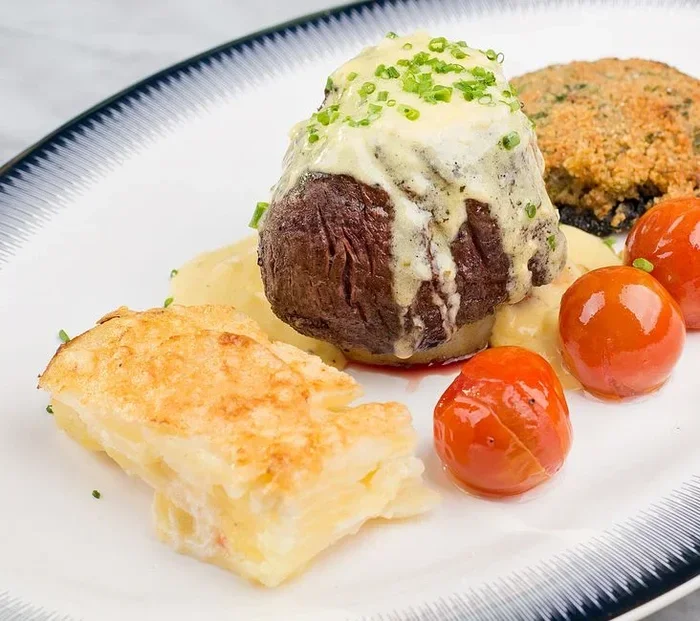
Cooking filet mignon in the oven is easier than you think. This guide shows you how to get a golden sear and a perfectly pink center every time. You will learn the right oven temperature, cooking times, and pro tips for a restaurant-quality steak at home.
There is nothing quite like a perfectly cooked filet mignon. It is tender, juicy, and feels like a special occasion right on your dinner plate. Many people think you need a fancy restaurant to get this kind of result. But the truth is, you can cook filet mignon in oven and get amazing results at home.
This guide walks you through every single step. From picking the right cut to knowing exactly when to pull it from the oven, you will find everything you need here. Whether you are a beginner or a home cook looking to sharpen your skills, this filet mignon recipe will become a go-to favorite.
Key Takeaways
- Use a meat thermometer: The internal temperature is the single most important factor for perfect filet mignon.
- Sear first, then bake: The sear and bake method gives you a crispy crust and a juicy, tender steak.
- Rest your steak: Letting the steak rest for 5 to 8 minutes keeps all those delicious juices inside.
- Choose the right pan: An oven-safe skillet or cast iron pan makes all the difference.
- Don’t skip the butter: Herb butter adds richness and flavor that elevates your steak to restaurant quality.
- Timing matters: A 2-inch thick filet mignon cooks in about 12 to 15 minutes at 400°F for medium-rare.
📑 Table of Contents
- Why Cook Filet Mignon in the Oven?
- What You Need to Get Started
- How to Cook Filet Mignon in the Oven Step by Step
- Common Mistakes to Avoid
- Serving Suggestions
- Expert Tips for Perfect Filet Mignon
- How Filet Mignon Compares to Other Cuts
- Storing and Reheating Leftover Steak
- Frequently Asked Questions
- Final Thoughts
Why Cook Filet Mignon in the Oven?
The oven method is one of the best ways to prepare filet mignon. It gives you even cooking from edge to center. You get a beautiful brown crust on the outside and a perfectly pink, juicy steak on the inside.
Unlike grilling, where flare-ups can dry out your meat, the oven provides gentle, consistent heat. This makes it much harder to overcook. The sear and bake approach is simple and forgiving, which is why so many home cooks love it.
Another big advantage is convenience. You can sear the steak on the stovetop and then finish it in the oven without watching it constantly. This frees you up to prepare sides or set the table while your beef tenderloin cooks to perfection.
What You Need to Get Started
Choosing the Right Filet Mignon
Start with a good-quality cut. Look for filet mignon steaks that are at least 1.5 to 2 inches thick. Thicker cuts are much easier to cook evenly. Thin steaks can overcook before you get a good sear.
Choose steaks with a bright red color and fine marbling. Marbling is the thin white lines of fat running through the meat. This fat melts during cooking and adds flavor and moisture. A restaurant-quality steak starts with a great cut of meat.
Essential Tools and Equipment
You do not need a lot of equipment. Here is what you will need:
- Oven-safe skillet or cast iron pan: A cast iron skillet works beautifully because it holds heat really well.
- Meat thermometer: This is the most important tool. It takes all the guesswork out of cooking.
- Tongs: You will use these to flip the steak without piercing it.
- Paper towels: Pat the steak dry before seasoning for a better sear.
How to Cook Filet Mignon in the Oven Step by Step
Step 1: Prep the Steak
Take your filet mignon out of the fridge about 30 minutes before cooking. Letting it come to room temperature helps it cook more evenly. Pat the steak dry with paper towels. Moisture on the surface creates steam, and steam prevents a good crust.
Season generously with salt and freshly ground black pepper. You can also add garlic powder or a touch of smoked paprika for extra flavor. Keep it simple. The quality of the meat should shine through.
Step 2: Preheat the Oven
Set your oven to 400°F. This is the sweet spot for cooking filet mignon. It is hot enough to create a nice crust but not so hot that it burns the outside before the inside is done. While the oven heats up, place your oven-safe skillet on the stovetop over medium-high heat.
Let the pan get really hot before adding any oil. A hot pan is the secret to a great sear. Add a high-smoke-point oil like avocado oil or canola oil. You only need a thin coating.
Step 3: Sear the Steak
Place the filet mignon in the hot pan. You should hear a satisfying sizzle right away. Let it cook without moving it for about 2 to 3 minutes on each side. This builds a deep, golden-brown crust.
Use tongs to hold the steak and sear the edges for about 30 seconds each. This gives the whole steak an even, beautiful color. The sear and bake method works because the stovetop creates the crust and the oven finishes the cooking gently.
Step 4: Add Butter and Aromatics
After searing, reduce the heat to medium-low. Add a tablespoon of butter and a few crushed garlic cloves to the pan. You can also toss in a sprig of fresh thyme or rosemary. Tilt the pan slightly and use a spoon to baste the melted herb butter over the steak repeatedly.
This step takes about 1 to 2 minutes. It adds incredible flavor and helps keep the steak moist. The aroma filling your kitchen at this point is absolutely worth it.
Step 5: Transfer to the Oven
Move the entire skillet into the preheated oven. The cooking time depends on the thickness of your steak and your preferred doneness. Here is a handy reference:
- 1.5-inch thick steak: 8 to 10 minutes for medium-rare
- 2-inch thick steak: 10 to 12 minutes for medium-rare
- 2.5-inch thick steak: 12 to 15 minutes for medium-rare
These times are approximate. Always use a meat thermometer to check the internal temperature. This is the only way to be sure your steak is exactly how you like it.
Step 6: Check the Internal Temperature
Insert the thermometer into the thickest part of the steak, going sideways through the center. Here are the temperatures you are aiming for:
- 120°F: Rare
- 130°F: Medium-rare (the most popular choice for filet mignon)
- 140°F: Medium
- 150°F: Medium-well
Remember that the temperature will rise about 5 degrees after you pull the steak out. This is called carryover cooking. So if you want medium-rare, pull the steak at 125°F.
Step 7: Rest the Steak
This step is non-negotiable. Transfer the steak to a cutting board and let it rest for at least 5 to 8 minutes. During resting, the juices redistribute throughout the meat. If you cut too soon, all those flavorful juices run out onto the board instead of staying in the steak.
Loosely tent the steak with aluminum foil while it rests. This keeps it warm without trapping too much steam, which could make the crust soggy.
Common Mistakes to Avoid
Even experienced cooks make mistakes. Here are a few to watch out for when you cook filet mignon in oven:
- Skipping the dry pat: Wet steak means steam instead of sear. Always pat your meat dry before seasoning.
- Using a cold pan: A cold pan absorbs heat and prevents a good crust. Make sure your pan is ripping hot before the steak goes in.
- Overcrowding the pan: Cook one or two steaks at a time. Overcrowding drops the pan temperature and causes steaming.
- Guessing doneness: Never rely on time alone. A meat thermometer is your best friend in the kitchen.
- Cutting too early: Resist the urge to slice into the steak right away. The rest period makes a huge difference.
Serving Suggestions
Filet mignon pairs beautifully with a wide range of sides. Here are some ideas to round out your meal:
- Garlic mashed potatoes: A classic pairing that complements the rich flavor of the steak.
- Roasted asparagus: The slight bitterness balances the richness of the meat.
- Crispy roasted potatoes: Toss baby potatoes with olive oil, rosemary, and sea salt.
- A simple green salad: Fresh arugula with a lemon vinaigrette cuts through the richness.
- Sauteed mushrooms: Earthy mushrooms are a natural partner for filet mignon.
For a dinner party, serve the steak with a drizzle of the leftover garlic butter from the pan. It adds extra richness and makes the dish feel extra special. A glass of red wine like Cabernet Sauvignon or Pinot Noir pairs wonderfully.
Expert Tips for Perfect Filet Mignon
Buy dry-aged beef if you can. Dry-aging concentrates the flavor and creates a more tender texture. You may not find it at every grocery store, but a good butcher often carries it.
Let the steak come to room temperature. This simple step can shave several minutes off your cooking time and help the steak cook more evenly from edge to center.
Use the oven light to check color. You can peek through the oven window to check the crust without opening the door and losing heat.
Do not be afraid of the sear. A dark, golden-brown crust does not mean the steak is overcooked. The Maillard reaction, which creates that beautiful brown color, is all about flavor.
Clean your cast iron pan properly. After cooking, let the pan cool, then wash it with warm water and a brush. Avoid soap if possible, as it can strip the seasoning. A well-maintained cast iron pan will last forever and give you the best sears.
How Filet Mignon Compares to Other Cuts
Filet mignon is known for being the most tender cut of beef. It comes from the smaller end of the tenderloin, which is a muscle that does very little work. This is why it is so tender and mild in flavor.
Compared to a ribeye, filet mignon has less marbling and a more delicate texture. A ribeye has more fat, which gives it a stronger beefy flavor. A New York strip falls somewhere in between. Each cut has its place, but for pure tenderness and a buttery texture, filet mignon is hard to beat.
If you are new to cooking steak at home, filet mignon is a great place to start. It is forgiving and hard to ruin. Even if you are not perfect with the timing, the tender texture of this cut still delivers a wonderful eating experience.
Storing and Reheating Leftover Steak
If you have leftovers, store them properly to enjoy them the next day. Let the steak cool to room temperature, then wrap it tightly in plastic wrap or foil. Place it in the refrigerator for up to 3 days.
To reheat, use a low oven temperature around 250°F. Place the steak on a wire rack over a baking sheet. This warms the meat gently without drying it out. You can also reheat in a cast iron pan over low heat with a little butter. The goal is to warm the steak without cooking it further.
For the best results, slice the leftover steak against the grain before reheating. This helps it stay tender and makes it easier to eat.
Frequently Asked Questions
What is the best oven temperature for cooking filet mignon?
400°F is the ideal oven temperature for filet mignon. It is hot enough to cook the steak through without drying it out, and it works perfectly with the sear and bake method. This temperature gives you a beautiful crust and a juicy, tender center.
How long should I cook a 2-inch filet mignon in the oven?
A 2-inch thick filet mignon typically takes about 10 to 12 minutes in a 400°F oven for medium-rare. However, always use a meat thermometer to check the internal temperature. The steak should reach about 125°F before you pull it out, as it will rise a few degrees during resting.
Do I need to sear filet mignon before putting it in the oven?
Yes, searing first is highly recommended. The sear creates a flavorful crust through the Maillard reaction, and it adds texture and visual appeal to the finished steak. The sear and bake method is the best way to achieve restaurant-quality results at home.
Can I use a regular baking sheet instead of a skillet?
You can, but a skillet or cast iron pan works much better. A skillet holds heat and gives you the ability to sear the steak on the stovetop before finishing in the oven. It also makes basting with butter easy and effective.
How do I know when my filet mignon is done?
The only reliable way is to use a meat thermometer. Check the thickest part of the steak. For medium-rare, aim for 130°F. Remember that carryover cooking will raise the temperature by about 5 degrees after you pull the steak out.
Should I let filet mignon rest after cooking?
Absolutely. Resting for 5 to 8 minutes allows the juices to redistribute throughout the meat. If you cut into the steak too soon, the juices will run out and the steak will be less flavorful and moist. Use a cutting board and loosely tent with foil while it rests.
Final Thoughts
Cooking filet mignon in the oven is one of the most rewarding things you can do in the kitchen. It is simpler than most people think, and the results are always impressive. With the right pan, the right temperature, and a meat thermometer, you can serve steak that rivals any restaurant.
Remember the key steps: pat the steak dry, season well, sear on a hot pan, finish in a 400°F oven, and let it rest. These steps work every time, no matter how thick your steak is or how experienced you are in the kitchen.
Try this filet mignon recipe for your next dinner party or a quiet weeknight treat. Once you master the oven method, you will never go back to guessing. Your family and guests will thank you for it. Now go ahead and fire up that oven, and enjoy every bite of your perfectly cooked juicy steak.



