
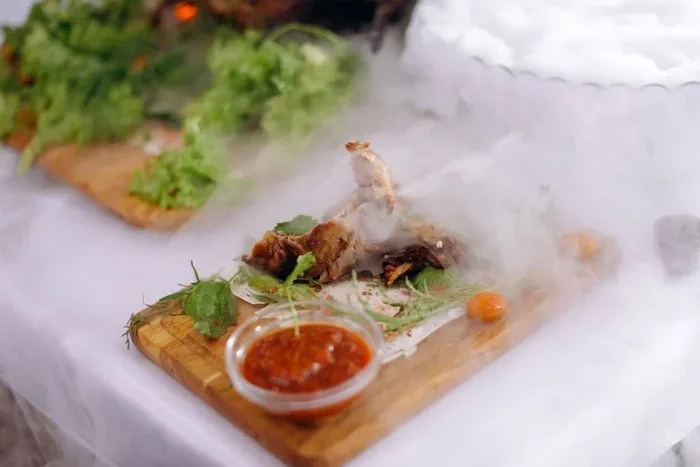
Smoking a turkey brings out rich, deep flavors that make any holiday meal unforgettable. This guide walks you through every step, from picking the right bird to pulling it off the smoker perfectly done. You’ll learn brining, seasoning, wood selection, temperature control, and serving tips that guarantee success every time.
There is something magical about how to smoke a turkey for a holiday gathering. The smoky aroma fills the yard, and everyone knows something special is cooking. Whether you are hosting Thanksgiving or celebrating a winter birthday, a smoked turkey steals the show every single time.
Smoking a turkey might seem intimidating at first. But once you understand the basics, it becomes one of the most rewarding things you can do in the kitchen. This guide covers everything from picking the bird to pulling it off the smoker. You will learn brining techniques, wood chip choices, temperature settings, and carving tips that make the process foolproof.
The goal here is simple. Help you create a juicy, flavorful smoked turkey that your family will talk about for years. No fancy equipment needed. No years of experience required. Just follow along and enjoy the process.
Key Takeaways
- Brine your turkey first: A good brine keeps the meat juicy and adds flavor deep into the bird.
- Choose the right wood: Hickory, applewood, and cherry each bring unique flavors that elevate your smoked turkey.
- Keep the temperature low and steady: 225°F to 250°F is the sweet spot for tender, fall-off-the-bone results.
- Use a meat thermometer: The internal temperature must reach 165°F in the thickest part of the thigh for safety.
- Let the turkey rest: Resting for at least 30 minutes keeps the juices locked in before carving.
- Store leftovers properly: Refrigerate within two hours and enjoy smoked turkey for up to four days.
📑 Table of Contents
- Why Smoking a Turkey Makes Every Holiday Special
- Choosing the Right Turkey for Smoking
- Preparing Your Turkey for the Smoker
- Setting Up Your Smoker for Success
- The Smoking Process Step by Step
- Resting and Serving Your Smoked Turkey
- Storing Leftover Smoked Turkey
- Common Mistakes to Avoid
- Expert Tips for the Perfect Smoked Turkey
Why Smoking a Turkey Makes Every Holiday Special
A smoked turkey carries a flavor profile that roasting simply cannot match. The slow exposure to wood smoke creates a rich, complex taste that hugs every bite. The skin gets beautifully crispy while the meat stays incredibly moist. It is the kind of dish that makes people gather around the kitchen before the meal even starts.
The Magic of Low and Slow Cooking
Smoking relies on low and slow heat. This gentle cooking method breaks down the connective tissues in the turkey slowly. The result is tender meat that practically melts in your mouth. Unlike high-heat roasting, which can dry out the breast meat, smoking keeps everything balanced and juicy.
When you smoke a turkey, the wood smoke also acts as a natural preservative and flavor enhancer. It adds a subtle layer of complexity that simple salt and pepper simply cannot achieve. Think of it as giving your turkey a flavor upgrade that feels completely natural.
Why Smoked Turkey Beats Roasted Turkey
Let us be honest. A roasted turkey is a classic. But a smoked turkey brings something extra to the table. Here is why smokers love it:
- Deeper flavor: Wood smoke adds a savory, almost sweet depth that roasted turkey lacks.
- Moisture retention: The slow process locks in more juices compared to oven roasting.
- Crispy skin: The smoke and indirect heat create a satisfying crunch on the outside.
- Showstopper presentation: A smoked turkey looks and smells impressive. It becomes the centerpiece of your holiday spread.
Choosing the Right Turkey for Smoking
Picking the right bird sets the foundation for success. Not all turkeys are created equal when it comes to smoking. A few simple choices make a big difference in your final result.
Fresh vs Frozen
Fresh turkeys work best for smoking. They have a better texture and absorb brine more evenly. However, a frozen turkey works fine too. Just make sure it is completely thawed before you start the process. A partially frozen bird will cook unevenly and could become a food safety risk.
Buy a turkey that is free of injections or pre-seasoned solutions. These often contain sodium solutions that can make the meat too salty after a long smoke. A plain, all-natural turkey gives you full control over the flavor.
Size Matters
Choose a turkey that fits your smoker. A bird that is too large may not fit properly, and a bird that is too small can dry out. For most home smokers, a 10 to 14-pound turkey hits the sweet spot. It provides plenty of meat for a family gathering without overwhelming the smoker.
If you are smoking a larger bird over 18 pounds, plan for extra cooking time. A bigger turkey needs more patience and careful temperature monitoring. Always check that your smoker has enough space for the bird and allow for proper airflow around it.
Preparing Your Turkey for the Smoker
Preparation is where the real magic begins. Taking the time to properly prep your turkey pays off in flavor and texture. This step separates a good smoked turkey from a great one.
Brining the Turkey
Brining is the single most important step when you learn how to smoke a turkey. A brine soaks the meat in a saltwater solution that infuses moisture and flavor deep into the muscle fibers. Even if you forget to brine, the turkey will still taste good. But brined turkey is noticeably juicier and more flavorful.
To make a basic brine, dissolve one cup of kosher salt and half a cup of brown sugar in one gallon of water. Add aromatics like bay leaves, peppercorns, garlic cloves, and fresh thyme. Submerge the turkey in the brine for 12 to 24 hours in the refrigerator. If your fridge is too small, use a cooler with ice to keep the temperature safe.
For those who want to tenderize meat naturally before smoking, a brine does exactly that. The salt breaks down proteins gently, resulting in a more tender and succulent final product. This is especially helpful for turkey breast, which tends to dry out faster than dark meat.
Seasoning and Rubbing
After brining, rinse the turkey thoroughly and pat it completely dry. A dry bird absorbs the rub better and develops crispier skin. For your rub, combine smoked paprika, garlic powder, onion powder, black pepper, and a touch of cayenne for heat. Massage the rub under the skin of the breast and all over the outside of the bird.
Some smokers like to add a thin layer of mustard or olive oil before applying the rub. This helps the seasoning stick and creates a beautiful bark during the smoke. Keep the rub simple. You want the smoke and the natural turkey flavor to shine through.
Prepping the Turkey for the Smoker
Before placing the turkey on the smoker, trim any excess fat from the cavity. Use a cleaver knife to carefully remove the backbone if you want to flatten the bird for faster, more even cooking. This technique, called spatchcocking, reduces cooking time and ensures the breast and thighs cook at the same rate.
Some cooks prefer to leave the turkey whole. Both methods work well. If you keep the bird whole, tie the legs together with kitchen twine. This helps the turkey hold its shape during the long smoke and promotes even heat distribution.
Setting Up Your Smoker for Success
Getting your smoker ready is a key part of the process. A well-prepared smoker gives you consistent heat and clean smoke, which are both essential for a perfect turkey.
Choosing the Right Wood
The wood you choose shapes the flavor of your smoked turkey. Each wood type brings something different to the table. Here are the most popular options:
- Hickory: Strong and classic. It pairs well with turkey and gives a hearty, smoky flavor.
- Applewood: Mild and sweet. It adds a subtle fruity note that complements the turkey beautifully.
- Cherry: Similar to applewood but with a slightly deeper flavor. It also gives the skin a gorgeous reddish color.
- Pecan: Rich and nutty. It is a favorite in the South and works wonderfully with poultry.
Avoid using pine or cedar for smoking turkey. These woods contain resins that create bitter, unpleasant flavors. Stick to hardwoods specifically labeled for smoking. You can also mix woods to create your own signature flavor blend.
Temperature and Timing
Set your smoker to 225°F to 250°F. This temperature range is the gold standard for smoking turkey. It cooks the bird slowly and evenly, allowing the smoke to penetrate deeply without drying out the meat.
A general rule of thumb is 30 to 45 minutes per pound at 250°F. So a 12-pound turkey will take roughly 6 to 9 hours. However, always rely on internal temperature rather than time alone. Every smoker runs a little differently, and weather conditions can affect cooking time.
The Smoking Process Step by Step
Now comes the fun part. Actually smoking the turkey. Follow these steps carefully, and you will pull off a stunning bird every time.
Starting the Fire
Light your charcoal or wood pellets about 30 minutes before the turkey goes on. You want the smoker to reach a stable temperature before the bird enters. Use a chimney starter for charcoal smokers, and follow your pellet grill manufacturer’s instructions for pellet smokers.
Add your wood chips or chunks once the fire is established. For a 10 to 12-hour smoke, plan to add wood every two hours to maintain a steady smoke level. Too much smoke can make the turkey bitter. Thin, blue smoke is what you want. Thick white smoke means the fire needs adjusting.
Placing the Turkey on the Smoker
Place the turkey breast-side up on the smoker grate. Position it so it sits in the center of the smoker with good airflow around it. Close the lid and resist the urge to open it too often. Every time you open the lid, you lose heat and smoke, which extends the cooking time.
Place a drip pan underneath the turkey to catch the rendered fat. This keeps your smoker clean and prevents flare-ups. You can also add liquid like apple juice or broth to the drip pan for extra moisture and flavor.
Monitoring the Temperature
Use a reliable meat thermometer to track the internal temperature. Insert the probe into the thickest part of the thigh, making sure it does not touch the bone. The turkey is done when the thigh reaches 165°F and the breast reaches 160°F to 165°F.
Check the temperature every 45 minutes to an hour. If the skin is browning too quickly, you can loosely wrap the breast in aluminum foil. This technique, called the Texas crutch, speeds up cooking and protects the breast from drying out while the thighs continue to develop flavor.
Wrapping and Finishing
Some smokers prefer to wrap the turkey in foil or butcher paper halfway through the cook. This helps push through the stall, a phase where the internal temperature seems to plateau. Wrapping also traps moisture and accelerates cooking in the final hours.
If you choose to wrap, do so when the skin has set and turned golden brown. Remove the wrap for the last 30 to 60 minutes to let the skin crisp back up. This gives you the best of both worlds: tender meat inside and crispy skin outside.
Resting and Serving Your Smoked Turkey
Once the turkey hits the right temperature, it is time to pull it off the smoker. But the job is not done yet. Resting is a critical step that many people skip.
Letting the Turkey Rest
Transfer the turkey to a cutting board and tent it loosely with foil. Let it rest for at least 30 to 45 minutes. During this time, the juices redistribute throughout the meat. If you carve too soon, those juices run out onto the board instead of staying in the slices.
If you need to keep the turkey warm for an extended period before serving, you can place it in a low oven set to 200°F. Alternatively, learn how to keep a turkey warm in the oven by wrapping it in heavy foil and towels. This keeps the bird warm for up to two hours without drying it out.
Carving and Serving
When carving, start with the thighs and drumsticks. Cut along the joint to remove them cleanly. Then slice the breast meat against the grain for maximum tenderness. Serve the dark meat first, as it tends to be more forgiving if it sits for a few minutes.
Arrange the carved turkey on a platter and garnish with fresh herbs and citrus slices. A drizzle of pan juices over the slices adds extra moisture and flavor. Your smoked turkey will be the star of the holiday table.
Storing Leftover Smoked Turkey
Leftover smoked turkey is a gift that keeps on giving. Store it properly and you can enjoy it for days. Refrigerate the carved meat within two hours of cooking. Place it in an airtight container or wrap it tightly in plastic wrap.
Smoked turkey keeps in the refrigerator for up to four days. For longer storage, freeze the meat in airtight bags for up to three months. When you are ready to eat the leftovers, gently reheat them in the oven at 250°F with a splash of broth to keep them moist. You can also use leftover smoked turkey in sandwiches, soups, and casseroles for creative meals throughout the week.
Common Mistakes to Avoid
Even experienced smokers make mistakes. Here are a few common pitfalls to watch out for:
- Skipping the brine: This is the number one mistake. Brining makes a noticeable difference in juiciness.
- Using too much wood: More smoke does not mean more flavor. A little goes a long way.
- Opening the lid too often: Every peek adds 15 to 20 minutes to the cook time.
- Relying only on time: Always use a thermometer. Time is just a rough guide.
- Not letting the turkey rest: Cutting too early dries out the meat significantly.
Expert Tips for the Perfect Smoked Turkey
Here are some insider tips that take your smoked turkey to the next level:
- Dry-brine the turkey overnight by rubbing it with salt and letting it sit uncovered in the fridge. This dries the skin even more, leading to extra crispiness.
- Inject the breast with a savory broth before smoking for an extra layer of moisture deep in the meat.
- Use a water pan in your smoker to maintain humidity and prevent the turkey from drying out.
- Let the turkey sit at room temperature for 30 minutes before it goes on the smoker. This reduces the cooking time and promotes more even cooking.
Learning how to smoke a turkey is a skill that rewards you every holiday season. Once you master the basics, you can experiment with different rubs, woods, and techniques to create your own signature recipe. The process takes patience, but the results are absolutely worth it.
Remember that every smoke session teaches you something new. Pay attention to how your smoker behaves, how the turkey responds to different temperatures, and what flavors you enjoy most. Over time, you will develop an intuition that makes the whole process feel effortless.
So fire up your smoker this holiday season. Invite your friends and family over. Let the aroma of wood smoke fill the air. And when you slice into that perfectly smoked turkey, you will know that every minute was worth it. Happy smoking!
Frequently Asked Questions
How long does it take to smoke a turkey?
It typically takes 6 to 9 hours for a 10 to 14-pound turkey at 250°F. The exact time depends on the bird’s size, your smoker type, and outdoor weather conditions. Always use a meat thermometer to confirm doneness rather than relying on time alone.
Do I need to brine the turkey before smoking?
Brining is highly recommended but not strictly required. A brine adds moisture and flavor deep into the meat. If you skip it, your turkey may still taste good, but it will be less juicy compared to a properly brined bird. At minimum, dry-brine the turkey with salt overnight.
What is the best wood for smoking turkey?
Applewood, cherry, hickory, and pecan are the best choices. Applewood and cherry offer mild, sweet flavors that complement turkey beautifully. Hickory provides a stronger, classic smoky taste. Avoid softwoods like pine, which create bitter flavors.
Can I smoke a turkey at 300°F instead of 250°F?
Yes, you can smoke at a higher temperature, but it changes the result. Higher heat cooks faster but can dry out the breast meat. For the juiciest results, stick to the 225°F to 250°F range. If you need to cook faster, consider spatchcocking the turkey to reduce time.
How do I know when the smoked turkey is done?
The turkey is done when the thickest part of the thigh reaches 165°F and the breast reaches 160°F to 165°F. Use a reliable instant-read thermometer and check multiple spots. The juices should run clear, not pink, when you pierce the thickest part of the thigh.
Can I smoke a turkey the day before and reheat it?
Yes, smoking the turkey a day ahead is a great strategy for holiday entertaining. Smoke it until it reaches 160°F in the breast, let it cool, and refrigerate it overnight. Reheat gently at 250°F with a splash of broth to keep it moist. This frees up oven space and reduces stress on the day of your gathering.
=== CONCLUSION ===
Smoking a turkey is one of the most satisfying things you can do for a holiday meal. It takes patience, a little practice, and attention to detail, but the payoff is enormous. A perfectly smoked turkey delivers rich flavor, crispy skin, and juicy meat that impresses every guest at the table.
Start with a good brine, choose the right wood, maintain steady heat, and let the turkey rest before serving. These simple steps transform an ordinary bird into an extraordinary centerpiece. Whether you are a beginner or a seasoned pitmaster, how to smoke a turkey is a skill that brings joy and delicious results every single time.
Now it is your turn. Fire up that smoker, grab your favorite wood chips, and create a holiday feast your family will never forget. Happy smoking!



