
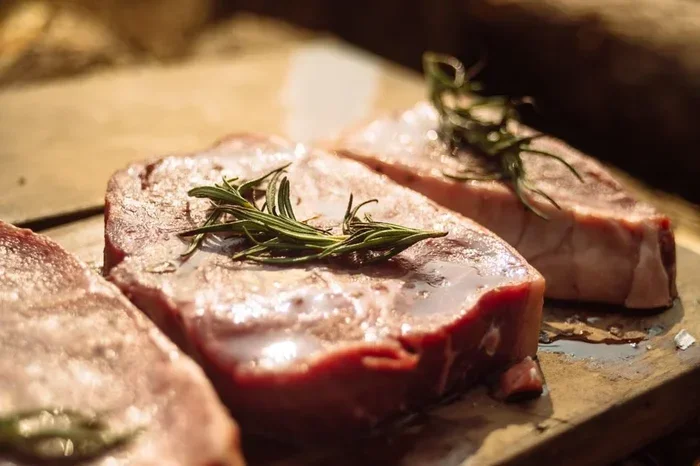
A beef tenderloin size chart helps you choose the right cut based on weight, thickness, and servings. Understanding beef tenderloin dimensions ensures you buy the perfect roast or steak for any occasion. This guide covers beef cut sizes, cooking tips, and how to avoid common buying mistakes.
Beef tenderloin is one of the most prized cuts in the kitchen. It is lean, incredibly tender, and perfect for special occasions or weeknight dinners. But here is the thing many people miss. Picking the right size tenderloin can make or break your meal. A roast that is too small leaves guests hungry, and one that is too large wastes money and food.
That is exactly why a beef tenderloin size chart is so valuable. Whether you are roasting a whole tenderloin or slicing steaks, knowing the right beef tenderloin weight and dimensions helps you plan with confidence. In this guide, we walk you through everything you need to know about beef cut sizes, how to choose the perfect piece, and how to cook it like a pro.
Key Takeaways
- Beef tenderloin size chart: Learn standard weights, lengths, and serving sizes for different cuts.
- Choosing the right cut: Match the tenderloin size to your number of guests and cooking method.
- Cooking tips: Proper trimming, seasoning, and temperature control make all the difference.
- Common mistakes: Avoid overcooking, buying the wrong size, and skipping the resting period.
- Storage matters: Store your beef tenderloin correctly to keep it fresh and safe.
- Budget-friendly tips: Understand price-per-pound factors so you get the best value.
📑 Table of Contents
What Is Beef Tenderloin?
Beef tenderloin comes from the loin section of the cow. It runs along the spine and is a muscle that does very little work. Because it gets so little use, it stays extremely tender. This is why many people call it the king of beef cuts. You will also hear it called filet mignon when sliced into individual steaks.
The tenderloin is long and cylindrical. A whole beef tenderloin roast can range quite a bit in size. Some are thick and short, while others are long and lean. The shape and weight depend on how the butcher trims it and which part of the loin it comes from. This natural variation is exactly why having a size chart matters so much.
Why Size Matters When Buying Tenderloin
Not all tenderloins are created equal. A thick tenderloin cooks differently than a long one. The beef tenderloin dimensions affect how long you need to cook it, how many servings you get, and even the final texture. A roast that is too thin can dry out fast. One that is too thick might stay raw in the center while the outside overcooks.
When you shop for beef, checking the size chart helps you avoid surprises. You will know exactly how many people a particular cut can feed. You will also understand what to expect at the butcher counter or grocery store meat aisle. Understanding beef tenderloin weight takes the guesswork out of dinner planning.
Beef Tenderloin Size Chart Overview
A beef tenderloin size chart breaks down the cut into easy-to-understand categories. Here is a look at the most common sizes you will find. Use this chart as a starting point when planning your next meal.
Whole Beef Tenderloin Roast: This is the full, untrimmed tenderloin. It typically weighs between 4 and 6 pounds. A whole roast can feed 8 to 12 people depending on the portion size. The length usually runs 18 to 24 inches. This is the best option for a crowd or a holiday centerpiece.
Center-Cut Tenderloin Roast: Butchers often trim the tapered ends and sell the center portion. These weigh between 2 and 4 pounds. They are more uniform in thickness, which makes them easier to cook evenly. A center-cut roast feeds 4 to 6 people comfortably.
Single Beef Tenderloin Steak: Individual steaks cut from the tenderloin weigh about 6 to 8 ounces each. A single steak is perfect for one person. These are often the most expensive option per pound because of the premium tenderness.
Double Tenderloin Steak (Filet Mignon): When two steaks are stacked and tied together, they form a double filet. These weigh 12 to 16 ounces. They are a popular restaurant-style cut that feels extra special on the plate.
Quick Reference: Beef Tenderloin Serving Sizes
Here is a simple breakdown of how much tenderloin to buy per person:
- Bone-in roast: Plan for 1/3 to 1/2 pound per person.
- Boneless roast: Plan for 1/4 to 1/3 pound per person.
- Individual steak (6-8 oz): One steak per person.
- Double filet mignon (12-16 oz): One double steak per person.
Keep in mind that cooking reduces the weight. Beef loses about 10 to 15 percent of its raw weight during cooking. So if you are feeding a crowd, it is always better to buy a little extra.
How To Choose The Right Cut
Choosing the right beef tenderloin cut goes beyond just picking a size. You also need to consider the grade, the shape, and what you plan to do with it. Let us walk through the key factors so you feel confident at the meat counter.
Check The Grade
Beef grades tell you a lot about quality. USDA Prime tenderloin has the most marbling, which means more flavor and juiciness. USDA Choice is the next best option and still delivers excellent results. USDA Select is leaner and more budget-friendly but can be a bit less juicy. For a beef tenderloin roast, Prime or Choice grade is always the better pick.
Look At The Shape
A good tenderloin should look uniform. Avoid cuts where one end is much thicker than the other. Uneven shapes lead to uneven cooking. The best beef tenderloin dimensions show a consistent diameter from end to end. If the tenderloin has a tapered end, you can ask your butcher to butterfly or roll it for even cooking.
Consider Your Cooking Method
Your cooking method should guide your cut choice. A whole beef tenderloin roast works great for oven roasting or slow cooking. Individual steaks are best for pan-searing or grilling. If you want to use a crockpot or slow cooker, a smaller roast is ideal because it fits better and cooks more evenly.
Factor In The Price
Beef tenderloin is one of the pricier cuts. The beef tenderloin price per pound varies based on grade, location, and whether it is bone-in or boneless. Whole roasts usually cost less per pound than individual steaks because you are doing the work of slicing at home. If you are watching your budget, buying a whole roast and cutting your own steaks saves money.
Cooking Tips For Beef Tenderloin
Once you have the right size cut, cooking it properly is the next step. Beef tenderloin is lean, which means it can dry out quickly if you are not careful. Follow these tips for juicy, flavorful results every time.
Trimming And Preparation
Before cooking, take a close look at the tenderloin. Remove any silverskin or excess fat. Silverskin does not melt during cooking and can leave a chewy texture. Use a sharp knife to gently scrape it away. Pat the meat dry with paper towels. Dry meat sears better and develops a beautiful crust.
Seasoning Basics
Simple seasoning lets the natural flavor of the beef tenderloin shine. Salt and black pepper are all you need for a classic preparation. Apply the salt at least 40 minutes before cooking. This gives the salt time to penetrate the meat and draw out moisture, which then gets reabsorbed. The result is a more seasoned and juicier roast from the inside out.
For extra flavor, add garlic, fresh herbs like rosemary and thyme, or a drizzle of olive oil. Some cooks like to create a herb paste and spread it over the tenderloin before roasting. This adds a beautiful aromatic crust.
Temperature And Timing
Cooking temperature is the most important factor for a perfect tenderloin. Use a meat thermometer to check the internal temperature. For rare, aim for 120 to 125 degrees Fahrenheit. For medium-rare, target 130 to 135 degrees. For medium, go for 140 to 145 degrees. Remember that the temperature will rise about 5 degrees while the meat rests.
A whole tenderloin roast usually takes 20 to 25 minutes per pound at 425 degrees Fahrenheit. Individual steaks cook much faster, about 3 to 4 minutes per side in a hot skillet. Always let the meat rest for at least 10 minutes after cooking. This allows the juices to redistribute, which makes every slice more flavorful.
Avoid Overcooking
Overcooking is the number one mistake people make with beef tenderloin. Because it is so lean, it has very little fat to protect it from drying out. Pull the meat off the heat a few degrees early and let carryover cooking finish the job. The result will be a perfectly juicy roast that melts in your mouth.
If you ever end up with a tough piece of beef, do not throw it away. There are ways to rescue it. Learning how to fix tough beef can save an otherwise disappointing meal and turn it into something delicious.
Storing Your Beef Tenderloin
Proper storage keeps your beef tenderloin fresh and safe. If you are not cooking it right away, store it in the coldest part of your refrigerator. A whole raw tenderloin keeps well for 3 to 5 days when wrapped tightly. For longer storage, freeze it. Wrapped properly in plastic and foil, a tenderloin stays good in the freezer for 4 to 6 months.
Always thaw frozen tenderloin in the refrigerator overnight. Never leave it on the counter to defrost. This prevents bacteria growth and keeps the meat quality intact. For more detailed guidance on keeping your beef fresh, check out our guide on how to store beef properly.
Common Mistakes To Avoid
Even experienced cooks sometimes make mistakes when working with beef tenderloin. Here are the most common ones and how to avoid them.
- Buying the wrong size: Always check your guest count against the size chart before buying. Too small means unhappy guests, and too large means wasted food and money.
- Skipping the rest period: Cutting into the roast too early releases all the juices. Let it rest for at least 10 minutes before slicing.
- Cooking from room temperature: Always cook your tenderloin from the refrigerator. Letting it sit out too long creates a food safety risk.
- Using a dull knife: A dull knife tears the meat instead of slicing it cleanly. Sharpen your knife before cutting the roast.
- Ignoring the taper: The tapered end of the tenderloin cooks much faster than the thick center. Position the thick end toward the heat source to even out cooking.
Expert Insights On Beef Tenderloin
Butchers and chefs agree that the tenderloin is worth the extra cost for special occasions. The texture is unmatched. No other beef cut comes close to the buttery, melt-in-your-mouth quality of a properly cooked tenderloin.
One expert tip is to ask your butcher to French-trim the tenderloin for you. French trimming removes the fat and silverskin in a clean, decorative way. It saves you time and gives the roast a professional look. If you are roasting a whole tenderloin, consider tying it with kitchen twine to maintain an even shape during cooking.
Another valuable insight is to brine the tenderloin before roasting. A simple salt brine for 2 to 4 hours helps the meat retain moisture during cooking. This technique works especially well for leaner cuts like tenderloin, where every bit of juiciness counts.
When it comes to leftovers, tenderloin makes fantastic sandwiches, salads, and stir-fries the next day. If you have extra cooked tenderloin, store it in an airtight container and eat it within 3 days. You can also find great ways to use leftover beef in creative dinner recipes that the whole family will love.
Final Thoughts
A beef tenderloin size chart is one of the simplest tools you can use to improve your beef cooking. It takes the mystery out of buying, portioning, and serving this premium cut. Whether you are planning an intimate dinner for two or a holiday feast for twelve, knowing the right size and cut makes all the difference.
Remember to check the grade, the shape, and the price before you buy. Cook with care, use a thermometer, and always let the meat rest. These small steps lead to big results. With the right approach, your beef tenderloin will be the star of every meal you serve.
Now that you have all the tools and knowledge, it is time to put them into action. Pick up a tenderloin this weekend, use the size chart to choose the perfect piece, and enjoy a restaurant-quality meal right in your own kitchen. You will be glad you did.
For more beef inspiration, explore our collection of beef dinner recipes that use different cuts and cooking methods. And if you are looking for ways to use leftover tenderloin, our leftover beef dinner ideas page has plenty of creative suggestions to try.
Frequently Asked Questions
What is the average weight of a whole beef tenderloin?
A whole beef tenderloin typically weighs between 4 and 6 pounds. The exact weight depends on how much the butcher trims and which part of the loin is included. A whole roast can feed 8 to 12 people depending on portion sizes.
How many servings does a beef tenderloin roast provide?
A boneless beef tenderloin roast provides about 4 to 6 servings for a 2 to 4 pound cut. Plan for 1/4 to 1/3 pound of boneless tenderloin per person. If the roast is bone-in, plan for 1/3 to 1/2 pound per person since the bone takes up space.
What is the best beef grade for tenderloin?
USDA Prime and USDA Choice are the best grades for beef tenderloin. Prime has the most marbling, which adds flavor and juiciness. Choice grade is still excellent and more budget-friendly. Select grade works in a pinch but will be leaner and less flavorful.
How thick should beef tenderloin steaks be?
Beef tenderloin steaks should be about 1.5 to 2 inches thick for the best results. Thicker steaks are easier to cook evenly and stay juicier. Avoid steaks thinner than 1 inch, as they can dry out very quickly during cooking.
Can you freeze beef tenderloin?
Yes, you can freeze beef tenderloin for 4 to 6 months. Wrap it tightly in plastic wrap and then in aluminum foil or place it in a vacuum-sealed bag. Always thaw frozen tenderloin in the refrigerator overnight for the best results.
How do you know when beef tenderloin is done?
Use a meat thermometer to check the internal temperature. For rare, aim for 120 to 125 degrees Fahrenheit. For medium-rare, target 130 to 135 degrees. Pull the meat off the heat a few degrees early and let it rest, as the temperature will continue to rise.



