
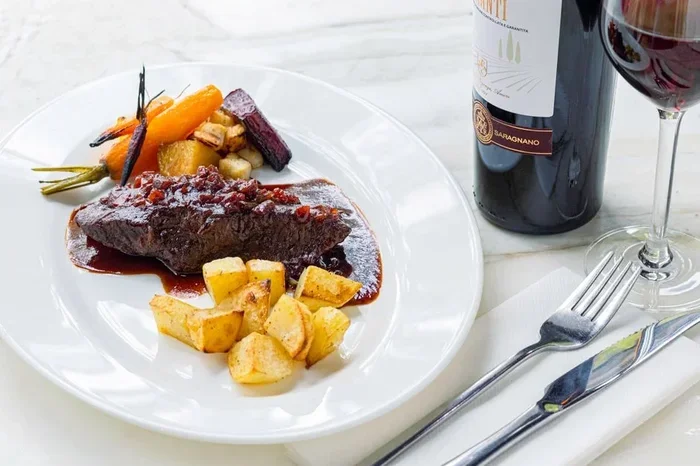
Our classic braciole recipe delivers tender beef rolls simmered in a rich tomato sauce that the whole family will love. This easy Italian comfort food is perfect for a Sunday dinner or busy weeknight meal with minimal effort. You will learn how to make braciole from scratch with simple ingredients and step-by-step instructions that anyone can follow.
There is something magical about a pot of braciole simmering on the stove all afternoon. The kitchen fills with the warm aroma of garlic, tomato, and herbs. This braciole recipe brings a taste of traditional Italian cooking right to your dinner table.
Braciole is an Italian dish made by rolling thin beef slices around a savory filling. The rolls are then braised slowly in a rich tomato sauce until they become fork-tender. It is the kind of meal that turns an ordinary evening into something special.
Family dinner nights can be hard to plan. Everyone has different tastes, schedules are tight, and cooking something impressive feels overwhelming. Braciole solves all of these problems. It is simple to make, uses affordable cuts of beef, and delivers big flavor with very little effort.
This Italian beef recipe has been a staple in Italian-American households for generations. Whether you are cooking for a holiday meal or a quiet Tuesday night, braciole fits the bill. It is hearty, comforting, and guaranteed to earn you compliments at the table.
Key Takeaways
- Simple Ingredients: Braciole uses affordable beef flank steak, breadcrumbs, cheese, and herbs for a restaurant-quality meal at home.
- Easy Technique: Rolling and braising the beef is straightforward and forgiving, making it great for beginners.
- Versatile Dish: You can customize the filling with different cheeses, add vegetables, or adapt it to your slow cooker.
- Family-Friendly: This hearty Italian beef recipe pairs perfectly with pasta, crusty bread, or roasted vegetables.
- Meal Prep Friendly: Braciole tastes even better the next day and reheats beautifully for leftovers.
- Rich in Flavor: The slow-simmered tomato sauce absorbs all the savory juices from the beef rolls.
📑 Table of Contents
What Is Braciole?
The Origins of Braciole
Braciole comes from the Italian word “braccio,” which means arm. The dish originally referred to small rolls of meat, often from the arm or flank of the animal. Italian immigrants brought this recipe to America, where it evolved into the beloved comfort food we know today.
Traditional braciole is different from braised roasts or stew meat. The key difference is the rolling technique. Thin slices of beef are spread with a filling, rolled tightly, and then cooked low and slow in liquid. This method creates incredibly tender results.
Why Braciole Is Perfect for Family Dinners
Braciole works so well for family meals for several reasons. First, it is a one-pot dish that does most of the work for you. Second, it uses budget-friendly cuts of beef that feed a crowd. Third, it tastes even better the next day, so you can cook it ahead of time.
This dish also offers great flexibility. You can adjust the filling to suit your family’s preferences. Some people like a richer cheese filling, while others prefer a simpler herb-and-garlic mix. There is no single “right” way to make braciole, which makes it approachable for cooks of all skill levels.
Ingredients You Will Need
Having the right ingredients makes all the difference in your braciole. Here is what you need for a classic version of this Italian comfort food:
For the Beef Rolls
- Beef flank steak: About 2 pounds, sliced thin or pounded flat
- Italian breadcrumbs: 1 cup for the filling
- Parmesan cheese: 1/2 cup, freshly grated
- Egg: 1 large, to bind the filling
- Fresh parsley: 1/4 cup, finely chopped
- Garlic: 3 cloves, minced
- Salt and black pepper: To taste
For the Braising Sauce
- Canned crushed tomatoes: 28 ounces
- Beef broth: 1 cup
- Onion: 1 large, diced
- Carrots: 2 medium, chopped
- Celery: 2 stalks, chopped
- Olive oil: 2 tablespoons
- Dried oregano: 1 teaspoon
- Bay leaves: 2 leaves
How to Make Braciole Step by Step
Step 1: Prepare the Filling
In a large bowl, combine the breadcrumbs, Parmesan cheese, parsley, egg, minced garlic, salt, and pepper. Mix everything together until it forms a uniform paste. This filling will go inside each beef roll and add layers of flavor as it cooks.
The egg acts as a binder, holding everything together inside the roll. If you want a lighter filling, you can reduce the breadcrumbs slightly and add a bit more egg. Taste the mixture and adjust the seasoning before you start rolling.
Step 2: Spread and Roll the Beef
Lay each slice of flank steak flat on a clean work surface. Use a meat mallet to pound the slices evenly to about 1/4-inch thickness. This ensures the rolls cook uniformly and stay tender.
Spread a generous layer of filling onto each slice. Leave about half an inch of space around the edges so the roll seals properly. Roll the beef tightly, tucking in the sides as you go. Secure each roll with kitchen twine or toothpicks to keep it from unraveling during cooking.
Step 3: Sear the Rolls
Heat olive oil in a large Dutch oven or heavy-bottomed pot over medium-high heat. Sear each braciole roll on all sides until you get a nice brown crust. This step locks in the juices and builds a deep, savory flavor in the final dish.
Do not rush this step. Give each roll about 2 to 3 minutes per side. Work in batches if needed to avoid crowding the pot. Once all the rolls are seared, set them aside on a plate.
Step 4: Build the Sauce
In the same pot, add the diced onion, carrots, and celery. Cook for about 5 minutes until the vegetables soften. Add the crushed tomatoes, beef broth, oregano, and bay leaves. Stir everything together and scrape up any browned bits from the bottom of the pot.
These browned bits are pure flavor. They are called “fond,” and they dissolve into the sauce as it simmers. This is what gives your braciole that rich, deep taste you cannot get from just the ingredients alone.
Step 5: Braise Low and Slow
Return the seared braciole rolls to the pot. The sauce should come about halfway up the rolls. Bring everything to a gentle boil, then reduce the heat to low. Cover the pot and let it simmer for about 2 to 3 hours.
The low and slow cooking method is what makes braciole so special. The tough fibers in the flank steak break down over time, transforming into melt-in-your-mouth tenderness. Resist the urge to increase the heat. Patience is the secret ingredient here.
Step 6: Serve and Enjoy
Remove the braciole rolls from the sauce and let them rest for a few minutes. Remove the twine or toothpicks. Slice each roll into thick rounds and serve over the braising sauce. This hearty beef recipe pairs beautifully with cooked pasta, mashed potatoes, or crusty Italian bread.
Tips for Perfect Braciole Every Time
Making braciole is not hard, but a few pro tips can elevate your results significantly. Here is what the experts want you to know:
- Pound the beef evenly: Uneven thickness leads to some rolls cooking faster than others. Aim for a consistent 1/4-inch thickness throughout.
- Do not skip the searing step: Searing adds a layer of flavor that simmered sauce alone cannot replicate.
- Use good quality tomatoes: The sauce is the backbone of this dish. San Marzano tomatoes give the best flavor.
- Let it rest: Allow the finished braciole to sit in the sauce for 10 to 15 minutes before serving. This helps the flavors meld together.
- Make ahead: Braciole tastes better after a day. Cook it the night before and gently reheat on the stove.
Common Mistakes to Avoid
Even experienced cooks make mistakes with braciole. Here are the most common ones and how to avoid them:
- Overfilling the rolls: Too much filling causes the rolls to burst during cooking. Keep the filling layer thin and even.
- Cooking on high heat: Boiling the braciole aggressively makes the beef tough instead of tender. Keep the heat low and gentle.
- Forgetting to secure the rolls: Unsecured rolls unravel in the sauce. Always use twine or toothpicks to hold them together.
- Underseasoning the filling: The filling needs its own seasoning. Taste it before you roll and adjust the salt and pepper accordingly.
Variations on the Classic Braciole Recipe
Once you master the basic recipe, you can get creative with variations. Here are some popular twists on this traditional Italian beef recipe:
Cheese-Stuffed Braciole
Add a slice of provolone or mozzarella inside each roll before you seal it. The cheese melts as the braciole cooks, creating a gooey, delicious surprise in every bite. This variation is especially popular in Southern Italian cooking.
Slow Cooker Braciole
If you prefer a hands-off approach, you can make braciole in a slow cooker. After searing the rolls, place them in the slow cooker with the sauce and cook on low for 6 to 8 hours. This method works beautifully for busy days when you want dinner ready when you get home.
Braciole with Vegetables
Add sliced bell peppers, zucchini, or mushrooms to the braising sauce for extra nutrition and flavor. The vegetables absorb the savory tomato sauce and become a delicious side dish on their own.
Braciole with Wine
For a more traditional Italian version, deglaze the pot with a half cup of red wine after searing the rolls. Let the wine reduce by half before adding the tomatoes and broth. This adds a depth of flavor that elevates the entire dish.
Best Sides to Serve with Braciole
The right side dishes complete your braciole dinner. Here are some pairing ideas that work beautifully with this Italian comfort food:
- Pasta: Spaghetti, rigatoni, or penne tossed in the braising sauce is the classic pairing.
- Crusty bread: A warm Italian loaf is perfect for soaking up every last drop of sauce.
- Roasted vegetables: Broccoli, zucchini, or asparagus roasted with olive oil and garlic complement the rich beef.
- Garlic mashed potatoes: Creamy mashed potatoes make this a truly comforting meal.
- Caesar salad: A crisp homemade Caesar salad with croutons adds a refreshing contrast to the rich braciole.
- Italian green beans: Sautéed green beans with garlic and olive oil keep the meal authentically Italian.
For a complete family dinner experience, serve the braciole with a simple green salad and warm garlic bread. This combination creates a balanced meal that everyone at the table will enjoy. The light salad cuts through the richness of the beef, while the bread soaks up the wonderful sauce.
Storing and Reheating Braciole
One of the best things about braciole is that it stores and reheats beautifully. Here is how to handle leftovers:
- Refrigerator: Store cooked braciole in an airtight container for up to 4 days. The flavors continue to develop overnight.
- Freezer: Braciole freezes well for up to 3 months. Wrap the rolls tightly in plastic wrap and foil before freezing.
- Reheating: Gently reheat on the stovetop over low heat with a splash of broth. Avoid microwaving, which can dry out the beef.
If you want to freeze the sauce separately, you can do that too. The sauce keeps for months in the freezer and makes a quick base for future meals. This makes braciole an excellent choice for meal prep and batch cooking.
Why You Should Try This Braciole Recipe
Braciole is more than just a recipe. It is a tradition that brings people together around the dinner table. The process of making it is meditative and rewarding. The result is a dish that looks impressive but is actually quite simple to prepare.
This braciole recipe gives you all the guidance you need to succeed. From the searing to the slow braising, every step is explained in detail. Whether you are a beginner cook or a seasoned home chef, you will find something to love about this dish.
The best part is that braciole fits into a busy lifestyle. While it does require a few hours of simmering time, the active preparation is minimal. You can prep the rolls in the morning, turn on the stove before work, and come home to a house that smells like an Italian trattoria.
Conclusion
The classic braciole recipe is a timeless Italian dish that deserves a regular spot in your dinner rotation. It combines affordable ingredients, simple techniques, and incredible flavor into one satisfying meal. Your family will ask for it again and again.
Start with this recipe as written, and then make it your own. Experiment with different fillings, try new sauce variations, and find the perfect side dish pairings. Once you master braciole, you will have a go-to family dinner recipe that works for holidays, weekends, and busy weeknights alike. Grab your beef flank steak and give it a try tonight.
Frequently Asked Questions
What cut of beef is best for braciole?
Beef flank steak is the traditional choice for braciole. It is affordable, easy to pound thin, and becomes incredibly tender when braised slowly. You can also use top round or bottom round steaks if flank steak is hard to find at your grocery store.
Can I make braciole in a slow cooker?
Yes, you absolutely can. After searing the braciole rolls, place them in the slow cooker with the sauce and cook on low for 6 to 8 hours. The slow cooker method is perfect for busy days and produces equally tender results.
How long does braciole take to cook?
Active preparation takes about 30 to 45 minutes. The braising process takes 2 to 3 hours on the stovetop or 6 to 8 hours in a slow cooker. Total time is around 3 to 4 hours for the best flavor and texture.
Can braciole be made ahead of time?
Yes, braciole is one of those dishes that tastes even better when made a day ahead. The flavors have time to develop and deepen overnight. Simply reheat gently on the stovetop before serving.
What is the best way to serve braciole?
Slice the braciole rolls into thick rounds and serve them over the braising sauce. Pair with pasta, crusty bread, or roasted vegetables for a complete meal. A simple green salad on the side keeps the dinner balanced and fresh.
Is braciole the same as a pot roast?
Braciole and pot roast are both braised beef dishes, but they differ in technique. Braciole uses thin beef slices rolled around a filling, while pot roast uses a large, solid cut of meat. Braciole also has a distinctly Italian flavor profile with tomato, herbs, and Parmesan.



