Banana calories vary by size, with a medium banana containing about 105 calories. They are packed with potassium, fiber, and vitamins that support overall health. Whether you are tracking macros or just curious, this guide covers all the banana nutrition details you need.
Key Takeaways
- A medium banana has 105 calories: This is the standard reference size for most nutrition labels and meal plans.
- Banana calories change by size: Small, medium, and large bananas have different calorie counts, so portion awareness matters.
- They are nutrient-dense: Beyond calories, bananas offer potassium, fiber, vitamin B6, and natural energy.
- Green and ripe bananas differ: The ripeness level affects sugar content and calorie absorption slightly.
- Great for weight management: Banana calories are moderate, making them a smart snack for calorie-conscious eaters.
- Easy to compare: Banana calories are similar to many other fruits, but the fiber and potassium give them an edge.
📑 Table of Contents
- What Are Banana Calories and Why They Matter
- Banana Calories by Size: Small, Medium, and Large
- Banana Nutrition Facts You Should Know
- Banana Calories and Weight Loss
- Green vs. Ripe Banana Calories
- How Banana Calories Compare to Other Fruits
- Common Mistakes People Make with Banana Calories
- Expert Tips for Tracking Banana Calories
- Key Takeaways
- Conclusion
What Are Banana Calories and Why They Matter
When we talk about banana calories, we are simply referring to the energy your body gets from eating a banana. Every bite of food gives your body fuel. Think of calories as tiny units of energy that keep your heart beating, your brain working, and your muscles moving. Without enough calories, you feel tired. With too many, you might gain weight. The sweet spot is finding foods that give you good energy without overdoing it.
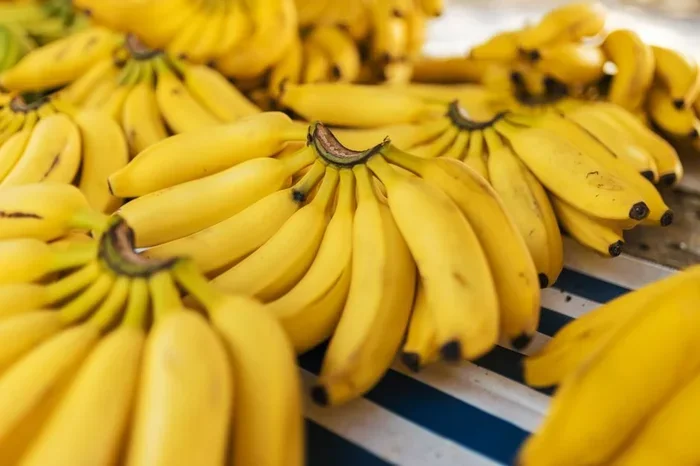
Bananas are one of the most popular fruits in the world. People eat them for breakfast, as snacks, and even after workouts. But how many banana calories are actually in one? The answer depends on the size of the banana. A small banana has fewer calories than a large one. A medium banana, which is the most common size, has about 105 calories. This makes it an easy fruit to fit into almost any diet plan.
Knowing your banana calories helps you make better food choices. If you are counting calories for weight loss or muscle gain, this information is gold. You can plan your meals around this number and still enjoy a delicious, natural snack. Plus, bananas come with bonus nutrients that most processed snacks do not have.
Why People Love Bananas
There are many reasons bananas are a favorite fruit. They are convenient. You peel them and eat them. No chopping, no prep, no mess. They are also naturally sweet, which satisfies sugar cravings in a healthy way. On top of that, bananas are affordable and available year-round in most grocery stores.
Many athletes choose bananas because of the quick energy they provide. The natural sugars in bananas, like glucose and fructose, give your body a fast boost. This is why you see bananas at almost every marathon finish line or gym bag. The banana calories are modest enough that they do not weigh you down, but high enough to fuel a workout.
Banana Calories by Size: Small, Medium, and Large
Not all bananas are the same size. A baby banana has very different banana calories compared to a large one. Understanding the size differences helps you track your intake more accurately. Here is a simple breakdown.
Small Banana Calories
A small banana is about 6 to 7 inches long. It typically contains around 90 calories. The weight is roughly 100 grams. If you prefer a smaller portion, a small banana is a great choice. It gives you the taste and nutrition without a big calorie hit.
Medium Banana Calories
A medium banana is about 7 to 8 inches long and weighs around 118 grams. This is the standard size used on most nutrition labels. A medium banana has about 105 calories. Most recipes and diet plans use this number as the default. If you buy bananas without thinking about size, this is likely what you are eating.
Large Banana Calories
A large banana is 8 inches or longer and can weigh 135 grams or more. In this case, you are looking at about 120 calories. Some very large bananas can go even higher. If you ever finish a big banana and wonder why it felt more filling, the calorie count is the reason. It is still a healthy choice, but you should be mindful of the number.
Sliced or Mashed Banana Calories
Sometimes bananas are not eaten whole. You might add sliced banana to oatmeal or blend it into a smoothie. In these cases, the banana calories depend on how much you use. One cup of sliced banana has about 134 calories. One cup of mashed banana has around 200 calories. Measuring your portions helps you stay on track.
Banana Nutrition Facts You Should Know
Banana calories are only part of the story. The real magic of bananas lies in their nutrition profile. Each banana delivers a range of vitamins, minerals, and macronutrients that support your body in many ways.
Macronutrients in a Medium Banana
Here is what you get in a typical medium banana with 105 calories:
- Carbohydrates: About 27 grams. Carbs are the body’s main energy source, and bananas are rich in them.
- Fiber: Around 3 grams. Fiber helps digestion and keeps you feeling full longer.
- Protein: About 1 gram. Not a major source, but it still contributes.
- Fat: Less than 1 gram. Bananas are naturally very low in fat.
- Sugar: Around 14 grams. This is natural sugar, not added sugar.
Vitamins and Minerals
Bananas are famous for their potassium content. One medium banana provides about 422 milligrams of potassium, which is roughly 12% of your daily needs. Potassium helps regulate blood pressure and supports heart health. It also helps prevent muscle cramps, which is why athletes love them.
Beyond potassium, bananas offer vitamin B6, vitamin C, and magnesium. Vitamin B6 supports brain health and helps your body make serotonin, the feel-good hormone. Vitamin C boosts your immune system. Magnesium helps with muscle function and sleep quality. When you eat a banana, you are getting a lot of nutrition for very few banana calories.
Banana Health Benefits
The banana nutrition profile supports many health goals. The fiber in bananas aids digestion and promotes gut health. The potassium supports cardiovascular function. The natural sugars provide quick energy without the crash you get from candy. Studies have also linked regular banana consumption to improved mood and better kidney health over time.
Banana Calories and Weight Loss
Many people wonder if banana calories are too high for a weight loss diet. The answer is no. A medium banana at 105 calories is a reasonable snack option. It fits well within a 1,500 to 2,000 calorie daily plan. The key is portion control and balance.
Bananas can actually help with weight loss in several ways. First, the fiber content keeps you full. You feel satisfied after eating one, which reduces the urge to snack on unhealthy foods. Second, the natural sweetness can replace sugary desserts. Instead of reaching for a cookie, you can eat a banana and get fewer empty calories.
How to Include Bananas in a Weight Loss Plan
Here are some practical tips for enjoying bananas while managing your banana calories:
- Choose a small or medium banana. Skip the extra-large ones if you are counting calories closely.
- Pair it with protein. Add a tablespoon of peanut butter or eat it with Greek yogurt. This combination keeps you full longer.
- Use it as a pre-workout snack. The carbs fuel your exercise, helping you burn more calories overall.
- Watch portions in smoothies. One banana is fine, but adding extra servings can quickly increase your calorie intake.
- Track your intake. Use a food journal or app to log your banana calories along with the rest of your meals.
Remember, no single food makes you gain or lose weight. It is your overall calorie balance that matters. A banana is a whole, natural food packed with nutrients. It is far better for you than most processed snacks with similar banana calories.
Green vs. Ripe Banana Calories
You might have noticed that bananas change color as they ripen. A green banana looks very different from a yellow one with brown spots. Does this affect the banana calories? The short answer is yes, slightly.
Green Banana Calories and Benefits
Green bananas are less ripe and contain more resistant starch. Resistant starch is a type of carbohydrate that your body does not fully digest. This means the effective calorie count is slightly lower than a ripe banana. Green bananas also have a lower sugar content, which makes them a good choice for people watching their blood sugar levels.
The taste of a green banana is starchy and less sweet. Some people do not enjoy eating them raw. However, you can cook green bananas. Boiling or frying them turns them into a tasty side dish that is still low in sugar and high in fiber.
Ripe Banana Calories and Benefits
As bananas ripen, the resistant starch converts into simple sugars. This is why ripe bananas taste sweeter. The banana calories stay roughly the same, but the type of carbohydrate changes. Ripe bananas are easier to digest and provide quick energy. They are also higher in antioxidants as they develop those dark spots.
If you want the benefits of both, you can eat bananas at different stages of ripeness. A slightly green banana is great for sustained energy. A fully ripe banana is perfect for a quick snack or post-workout recovery. Both are healthy choices with similar banana calories.
How Banana Calories Compare to Other Fruits
It is always helpful to compare banana calories with other common fruits. This gives you a better sense of where bananas stand in your diet. Here is a quick look at how bananas stack up against some popular fruits per serving.
| Fruit (per serving) | Calories | Carbs (g) | Fiber (g) |
|---|---|---|---|
| Medium Banana | 105 | 27 | 3 |
| Medium Apple | 95 | 25 | 4 |
| Medium Orange | 62 | 15 | 3 |
| 1 Cup Grapes | 104 | 27 | 1 |
| 1 Cup Strawberries | 49 | 12 | 3 |
| 1 Cup Mango | 99 | 25 | 3 |
As you can see, banana calories are in the moderate range. They are higher than oranges and strawberries but similar to apples and grapes. The advantage bananas have is their potassium and fiber content. Many other fruits do not offer as much potassium per serving. So while the calorie count might be slightly higher, the nutritional payoff is excellent.
Common Mistakes People Make with Banana Calories
Even though bananas are healthy, some common mistakes can trip up your nutrition goals. Here are a few to watch out for.
- Assuming all bananas are the same size. A small banana and a large banana can differ by 30 or more calories. Always consider the size.
- Overlooking toppings. Adding peanut butter, chocolate, or honey to banana-based recipes can double or triple the calorie count. Be mindful of what you pair with your banana.
- Drinking banana calories instead of eating them. Banana smoothies and shakes can contain multiple bananas plus added sugars. This can turn a 105-calorie snack into a 300-calorie drink without you realizing it.
- Ignoring the calorie density of dried banana chips. Dried banana snacks are much more calorie-dense than fresh bananas. A small handful of banana chips can have 150 or more calories.
Expert Tips for Tracking Banana Calories
If you want to be precise about your banana calories, here are some expert-backed tips that make tracking easier and more accurate.
First, invest in a kitchen scale. Weighing your banana gives you the most accurate calorie count. Nutrition labels are based on standard weights, but actual bananas vary. A kitchen scale removes the guesswork.
Second, use a food tracking app. Many apps have a database of banana calories by size. You simply select small, medium, or large, and the app calculates it for you. This takes the effort out of tracking and helps you stay consistent.
Third, learn to eyeball portions. Over time, you will get better at estimating banana sizes. A medium banana is about the length of your hand from fingertip to wrist. This skill is handy when you are eating out or traveling and do not have a scale handy.
Finally, remember that perfection is not the goal. Being within 10% of your estimated banana calories is more than good enough. The purpose of tracking is awareness, not obsession. A banana is a whole food that nourishes your body. Do not let calorie counting take away from the joy of eating it.
Key Takeaways
- A medium banana has 105 calories: This is the standard reference size for most nutrition labels and meal plans.
- Banana calories change by size: Small, medium, and large bananas have different calorie counts, so portion awareness matters.
- They are nutrient-dense: Beyond calories, bananas offer potassium, fiber, vitamin B6, and natural energy.
- Green and ripe bananas differ: The ripeness level affects sugar content and calorie absorption slightly.
- Great for weight management: Banana calories are moderate, making them a smart snack for calorie-conscious eaters.
- Easy to compare: Banana calories are similar to many other fruits, but the fiber and potassium give them an edge.
Conclusion
Banana calories are straightforward and manageable. A medium banana gives you about 105 calories, along with a wealth of nutrients your body needs. Whether you are trying to lose weight, build muscle, or just eat healthier, bananas fit the bill. They are convenient, affordable, and packed with potassium, fiber, and vitamins.
Now that you know the ins and outs of banana calories, you can make informed choices. Choose the right size, pair them wisely, and enjoy them without guilt. Bananas are one of nature’s best snacks, and understanding their calorie content only makes them more valuable in your daily diet.
So the next time you reach for a banana, you will know exactly what you are getting. That is the power of knowledge. Use it, enjoy your banana, and feel good about the choice you are making for your body.
Frequently Asked Questions
How many banana calories are in a medium banana?
A medium banana contains approximately 105 calories. This is the standard size used on most nutrition labels and is the most commonly referenced amount when people discuss banana calories.
Are banana calories good for weight loss?
Yes, banana calories are moderate and fit well into a weight loss plan. A medium banana has 105 calories, which is reasonable for a snack. The fiber content also helps keep you full, reducing the urge to overeat later.
Do green bananas have fewer calories than ripe bananas?
Green bananas have slightly fewer effective calories because of their higher resistant starch content. However, the total banana calories are very similar. The main difference is in the type of carbohydrate and how your body processes it.
How do banana calories compare to apple calories?
A medium banana has about 105 calories, while a medium apple has around 95 calories. The difference is small, but bananas offer more potassium and slightly more carbohydrates, making them a great energy-boosting snack.
Can eating too many bananas cause weight gain?
Any food can contribute to weight gain if eaten in excess. While banana calories are moderate, eating many bananas daily without adjusting your overall intake can lead to a calorie surplus. Balance and portion control are key.
What is the calorie content of a banana smoothie?
A banana smoothie can range from 150 to 350 calories depending on the ingredients. If you blend one banana with milk and no added sugar, you stay closer to 150 calories. Adding peanut butter, protein powder, or honey increases the total significantly.