Sticky rice is a beloved comfort food that brings warmth and joy to any meal. It is easy to make, incredibly versatile, and packed with subtle sweetness. Whether you steam it, cook it in a rice cooker, or use it in desserts, sticky rice delivers unbeatable satisfaction and flavor every single time.
Key Takeaways
- Sticky rice is naturally gluten-free: Despite its name, it contains no wheat gluten.
- It is incredibly versatile: You can use sticky rice in savory dishes, desserts, and snacks.
- Steaming is the best cooking method: Soaking and steaming gives sticky rice its perfect chewy texture.
- Sticky rice offers real health benefits: It provides energy, fiber, and essential minerals.
- You can cook it in a rice cooker: A rice cooker makes preparing sticky rice simple and foolproof.
- It pairs well with many flavors: Mango, coconut, soy sauce, and sesame all complement sticky rice beautifully.
📑 Table of Contents
- Why Sticky Rice Is the Best Comfort Food You Will Love
- What Exactly Is Sticky Rice?
- How to Cook Sticky Rice Perfectly Every Time
- The Many Faces of Sticky Rice: Sweet and Savory
- Health Benefits of Sticky Rice
- Common Mistakes to Avoid When Cooking Sticky Rice
- Why Sticky Rice Is the Ultimate Comfort Food
Why Sticky Rice Is the Best Comfort Food You Will Love
There is something magical about a warm bowl of sticky rice. It wraps around your taste buds. It feels like a hug in food form. People across Southeast Asia have enjoyed this dish for centuries. And now, more and more folks around the world are falling in love with it too.
Sticky rice goes by many names. Some call it glutinous rice. Others know it as sweet rice. No matter what you call it, one thing is true. It is soft, chewy, and deeply satisfying. It makes every meal feel like a special occasion. In this article, we will explore everything you need to know about sticky rice. You will learn what makes it so special, how to cook it, and why it deserves a spot on your dinner table.
Whether you are a seasoned cook or a complete beginner, sticky rice is incredibly easy to prepare. You do not need fancy equipment. A simple pot or a rice cooker works perfectly. The process is straightforward. You soak the rice, steam it, and enjoy. That is all there is to it. Let us dive in and explore the wonderful world of sticky rice together.
What Exactly Is Sticky Rice?
Sticky rice is a type of short-grain rice that becomes sticky when cooked. It is different from regular long-grain rice like jasmine or basmati. Regular rice has grains that stay separate and fluffy. Sticky rice, on the other hand, clumps together beautifully. This happens because of its high starch content. The starch makes the grains glue together in a delightful way.
The Science Behind the Stickiness
What makes sticky rice so sticky? It all comes down to starch. Sticky rice contains almost entirely amylopectin starch. Regular rice has a mix of amylose and amylopectin. The high amylopectin content is what gives sticky rice its signature chewy texture. When you cook it, the starch gelatinizes. This creates that soft, slightly translucent, and clingy consistency people love so much.
Despite its name, sticky rice contains no gluten at all. The word “glutinous” refers to its glue-like texture, not gluten protein. So if you have a gluten sensitivity, you can enjoy sticky rice without worry. It is naturally gluten-free and safe for most diets.
Types of Sticky Rice
Not all sticky rice is the same. There are a few varieties you should know about. Long-grain sticky rice is common in Thai cooking. It has a slightly firmer texture. Short-grain sticky rice is popular in Japanese and Korean cuisine. It tends to be softer and stickier. Black sticky rice is another variety that is gaining popularity. It has a nutty flavor and a beautiful dark purple color. Each type brings something unique to the table.
How to Cook Sticky Rice Perfectly Every Time
Cooking sticky rice is simpler than most people think. The key is patience and proper technique. You cannot just boil it like regular rice. Sticky rice needs to soak first and then steam. This gives it that perfect chewy texture everyone loves.
Step-by-Step Guide to Cooking Sticky Rice
Follow these simple steps for perfect sticky rice every single time:
- Rinse the rice: Place your sticky rice in a bowl. Cover it with cold water. Swirl it around with your hands. The water will turn cloudy. Drain it and repeat this process three to four times. This removes excess starch and prevents the rice from becoming too gummy.
- Soak the rice: After rinsing, cover the rice with fresh water. Let it soak for at least four hours. Overnight soaking works best. The rice will double in size. This step is essential. Skipping it leads to unevenly cooked grains.
- Drain the rice: Pour the soaked rice into a fine-mesh strainer. Let the water drain completely. Shake the strainer gently to remove excess moisture.
- Steam the rice: Place the rice in a steaming basket over a pot of boiling water. Cover it with a lid. Steam for about 20 to 25 minutes. Check halfway through and flip the rice gently.
- Let it rest: Once cooked, remove the rice from the heat. Let it sit covered for five minutes. This allows the moisture to distribute evenly.
Adding flavor to your sticky rice is easy too. You can add a splash of coconut milk during the soaking stage. A pinch of salt enhances the natural sweetness. Some people like to add a drizzle of sesame oil after cooking. These small touches make a big difference in flavor.
Using a Rice Cooker for Sticky Rice
A rice cooker is one of the best tools for making sticky rice. It takes the guesswork out of the process. Simply soak the rice first. Then place it in the cooker with the right water ratio. Most rice cookers have a setting specifically for sticky rice or a steam function. To add extra flavor, consider using the how to add flavor to rice in rice cooker techniques. A splash of coconut milk or a few pandan leaves can transform your rice into something extraordinary. The rice cooker handles everything evenly, so you get perfect results without any effort.
Cooking sticky rice on the stove works well too. Use a heavy-bottomed pot with a tight-fitting lid. The how to cook on rice cooker principles apply here as well. Low and slow heat prevents the rice from burning. Keep the lid on and resist the urge to peek too often. Trust the process and you will be rewarded with beautifully cooked grains.
The Many Faces of Sticky Rice: Sweet and Savory
Sticky rice is incredibly versatile. You can enjoy it in both sweet and savory dishes. This flexibility is one of the reasons it has become such a beloved comfort food around the world.
Sweet Sticky Rice Dishes
Sweet sticky rice desserts are absolutely delicious. Mango sticky rice is probably the most famous example. It combines warm sticky rice with ripe mango slices and a drizzle of coconut cream. It is simple, elegant, and incredibly satisfying. Another popular dessert is sticky rice with coconut milk and sugar. You can also make sticky rice pudding. It is creamy, sweet, and perfect for a cozy evening treat.
Black sticky rice pudding is another gem. It has a rich, slightly sweet flavor and a beautiful dark color. You can serve it warm or cold. Some people add a touch of honey or palm sugar for extra sweetness. These sticky rice desserts are easy to make and impressive to serve at gatherings.
Savory Sticky Rice Dishes
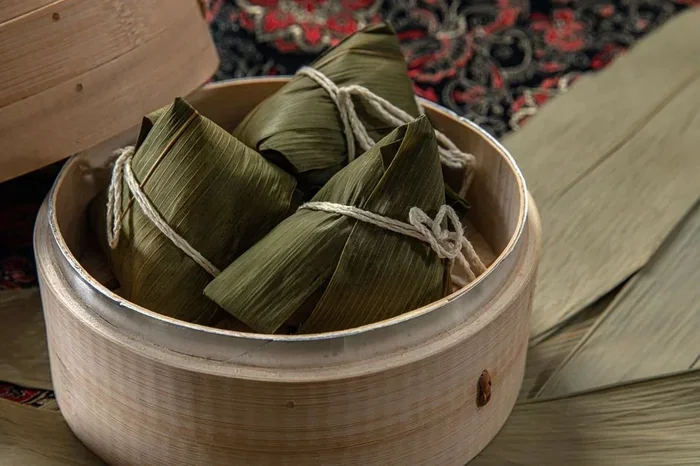
Savory sticky rice dishes are just as wonderful. In Laos and Thailand, sticky rice is a staple at almost every meal. People use it to scoop up curries and stir-fries. It acts as both a side dish and an edible utensil. Sticky rice pairs beautifully with grilled meats, spicy sauces, and fresh vegetables.
Sticky rice also works wonderfully in stuffed dishes. You can fill it into peppers, mushrooms, or even zucchini boats. Add some ground beef, herbs, and spices. The result is a hearty, flavorful meal that the whole family will enjoy. For more recipe inspiration, check out these 16 rice and ground beef dinner recipes. They include several ideas that work beautifully with sticky rice as a base.
Health Benefits of Sticky Rice
Beyond its delicious taste, sticky rice offers some genuine health benefits. It is not just a comfort food. It also nourishes your body in meaningful ways.
Energy and Fuel
Sticky rice is an excellent source of carbohydrates. Carbs are your body’s primary fuel source. A serving of sticky rice gives you sustained energy throughout the day. This makes it a great choice for breakfast or before a workout. Athletes and active people often turn to sticky rice for quick, reliable energy.
Easy to Digest
Sticky rice is gentle on the stomach. Its soft, cooked texture makes it easy to digest. This is why many people turn to sticky rice when they are feeling under the weather. It is also a good option for young children and older adults who may have trouble with harder foods. The gentle nature of sticky rice makes it suitable for sensitive stomachs.
Rich in Essential Minerals
Sticky rice contains important minerals like manganese and selenium. Manganese supports bone health and metabolism. Selenium acts as a powerful antioxidant. These nutrients help your body function at its best. While sticky rice is not a superfood, it does contribute valuable nutrients to a balanced diet.
Gluten-Free and Inclusive
As mentioned earlier, sticky rice is naturally gluten-free. This makes it a safe option for people with celiac disease or gluten sensitivity. You can enjoy sticky rice without worrying about adverse reactions. It opens up a world of delicious meals for those who need to avoid gluten. It is inclusive, nourishing, and endlessly adaptable.
Common Mistakes to Avoid When Cooking Sticky Rice
Even though sticky rice is easy to make, there are a few common mistakes that can ruin the results. Knowing what to avoid will save you time and frustration.
Skipping the Soaking Step
This is the number one mistake people make. Sticky rice needs to soak before cooking. If you skip this step, the rice will cook unevenly. Some grains will be hard while others are mushy. Always soak your sticky rice for at least four hours. Overnight soaking gives the best results.
Using Too Much Water
Sticky rice is steamed, not boiled. You do not need to add a lot of water. Too much water makes the rice soggy and waterlogged. The steaming method uses indirect heat. This allows the rice to cook evenly and develop the right texture. Think of it like steaming vegetables. The rice sits above the water and absorbs just enough moisture.
Not Letting It Rest
After steaming, give your sticky rice a few minutes to rest. This might seem like a small detail, but it matters. Resting allows the moisture to distribute evenly throughout the grains. The result is a consistent, smooth texture from top to bottom. Patience pays off with sticky rice.
Storing Sticky Rice Improperly
If you have leftover sticky rice, store it correctly. Proper storage keeps the rice fresh and safe to eat. You can learn more about how long rice stays good in a rice cooker and proper storage tips. Generally, sticky rice can be kept in the refrigerator for up to three days. Reheat it gently with a sprinkle of water to restore moisture.
Why Sticky Rice Is the Ultimate Comfort Food
So why does sticky rice feel so comforting? It is not just about the taste. It is about the experience. Sticky rice brings people together. It is often shared from a common basket in traditional settings. The act of tearing off a piece and using it to scoop food creates connection and warmth.
Sticky rice also has a unique texture that is unlike any other grain. It is soft yet slightly chewy. It is warm and gentle on the senses. Every bite feels satisfying and complete. Whether you are eating it on its own or with a flavorful curry, sticky rice makes everything feel like home.
The simplicity of sticky rice is part of its charm. You do not need a long list of ingredients. You do not need complicated techniques. Just rice, water, and a little patience. The result is pure comfort in every bite. It is no wonder that sticky rice has been a staple comfort food for generations across many cultures.
If you are looking for a new comfort food to add to your rotation, sticky rice is the perfect choice. It is easy to make, delicious to eat, and good for you. Start with a simple batch of steamed sticky rice. Serve it with your favorite protein and vegetables. You will understand immediately why so many people consider it the best comfort food around.
The beauty of sticky rice lies in its adaptability. You can keep it plain and simple. Or you can dress it up with coconut milk, fresh fruit, or savory sauces. It works for breakfast, lunch, dinner, and dessert. Once you start cooking sticky rice regularly, you will wonder how you ever lived without it. Give it a try. Your taste buds will thank you.
Frequently Asked Questions
Is sticky rice the same as glutinous rice?
Yes, sticky rice and glutinous rice are the same thing. The term “glutinous” refers to the rice’s glue-like texture when cooked. It does not contain any gluten. So if you have a gluten sensitivity, you can safely enjoy sticky rice without any worries.
Can I cook sticky rice in a rice cooker?
Absolutely. A rice cooker is one of the easiest ways to make sticky rice. Simply soak the rice first, then add it to the cooker with the right water ratio. Many modern rice cookers have a dedicated sticky rice or steam setting. This makes the process even simpler and more consistent.
How long does sticky rice take to cook?
The total time depends on your method. Soaking takes at least four hours, preferably overnight. Steaming takes about 20 to 25 minutes. So plan for around five to six hours total if you include soaking time. The actual hands-on cooking time is very short and easy.
What is the best way to reheat leftover sticky rice?
Reheat sticky rice by adding a small sprinkle of water and steaming it for a few minutes. You can also microwave it with a damp paper towel over the top. This restores moisture and keeps the texture soft and chewy. Avoid reheating it dry, as it can become hard and clumpy.
Is sticky rice healthy?
Yes, sticky rice is a healthy food when eaten in moderation. It provides carbohydrates for energy, is easy to digest, and contains essential minerals like manganese and selenium. It is also naturally gluten-free, making it suitable for people with gluten sensitivities or celiac disease.
What dishes pair well with sticky rice?
Sticky rice pairs wonderfully with curries, grilled meats, stir-fried vegetables, and fresh mango. It also works beautifully in desserts like sticky rice pudding or coconut sticky rice. Savory options include stuffed peppers and rice bowls. The possibilities are nearly endless with sticky rice.
=== CONCLUSION ===
Sticky rice truly is one of the best comfort foods you will ever try. It is simple to make, delicious to eat, and good for your body. Whether you enjoy it sweet with mango and coconut or savory with your favorite curry, sticky rice never disappoints. Its soft, chewy texture and mild, slightly sweet flavor make it a hit with people of all ages.
Now that you know how to cook sticky rice perfectly, there is nothing stopping you from making it at home. Grab a bag of sticky rice from your local grocery store. Follow the simple steps we shared. You will be enjoying a warm, comforting bowl of sticky rice in no time. Give it a try today and discover why so many people around the world consider it their favorite comfort food.