This pulled pork recipe delivers juicy, fork-tender meat with minimal effort using a slow cooker or oven. You will learn how to make a flavorful pork rub, choose the right cut, and pair it with tangy BBQ sauce. Whether you are a beginner or a seasoned cook, this guide covers everything you need for perfect homemade pulled pork.
There is nothing quite like homemade pulled pork that falls apart at the touch of a fork. It smells amazing, tastes incredible, and brings everyone together around the table. Whether you are planning a backyard barbecue or a cozy family dinner, this pulled pork recipe will become your go-to go-to meal.
I have made this dish more times than I can count, and I can tell you that it is much easier than most people think. You do not need fancy equipment or years of experience. With a simple pork shoulder, a handful of spices, and some patience, you will create restaurant-quality barbecue pulled pork right in your own kitchen.
This guide walks you through every single step. From choosing the best cut of meat to selecting the perfect BBQ sauce, you will find everything you need here. Let us get started on making the best homemade pulled pork you have ever tasted.
Key Takeaways
- Use pork shoulder or pork butt: These cuts have the perfect fat content for tender, juicy pulled pork.
- Low and slow is the secret: Cooking at low temperatures for several hours breaks down the meat fibers beautifully.
- Rest the meat before pulling: Letting it rest ensures juicy, easy-to-shred results every time.
- Make your own BBQ sauce: A homemade tangy BBQ sauce elevates the flavor far above store-bought options.
- Pull pork works for many meals: Serve it in sandwiches, tacos, bowls, or over coleslaw for variety.
📑 Table of Contents
Why This Pulled Pork Recipe Works
The beauty of this pulled pork recipe lies in its simplicity. Pork shoulder is an affordable cut that becomes incredibly tender when cooked low and slow. The fat melts slowly, soaking the meat with flavor and moisture. The result is fork-tender pork that shreds effortlessly.
Unlike many recipes that rely on complicated techniques, this method keeps things straightforward. You rub the pork, cook it, and shred it. That is really it. The long cooking time does all the heavy lifting for you.
The Science Behind Slow-Cooked Pork
When you cook pork at low temperatures for several hours, something magical happens. The collagen in the meat breaks down into gelatin. This is what gives slow cooker pulled pork its silky, juicy texture. The fat renders slowly, basting the meat from within.
Cooking at too high a temperature will toughen the meat. That is why patience is your best friend here. Give it time, and the pork will reward you with amazing flavor and texture.
Choosing the Right Cut of Pork
Not all pork cuts work equally well for pulled pork. The best choice is always pork shoulder, also known as pork butt or Boston butt. This cut has a high fat content and lots of connective tissue. During long cooking, these elements melt away, leaving you with tender, flavorful meat.
Here are the top cuts to consider:
- Pork shoulder (Boston butt): The gold standard for pulled pork. Rich in flavor and fat.
- Pork butt: Same cut as pork shoulder. The name is a bit misleading but the results are the same.
- Pork loin (not recommended): Leaner and drier. It does not work well for shredding.
- Pork picnic shoulder: A great alternative with similar results to pork butt.
If you want to explore different pork preparations, check out these boneless pork chop recipes for juicy tender results with other cuts. The principles of choosing well-marbled meat apply across all pork dishes.
How to Make the Perfect Pork Rub
The rub is where your pulled pork recipe starts to build its flavor profile. A great rub creates a beautiful crust on the outside while keeping the inside moist. Making your own rub is simple and far better than using store-bought versions.
Basic Pulled Pork Rub Ingredients
- Brown sugar (for sweetness and caramelization)
- Paprika (for color and smoky depth)
- Garlic powder (for savory richness)
- Onion powder (for aromatic warmth)
- Cumin (for earthy warmth)
- Black pepper (for gentle heat)
- Salt (to enhance all flavors)
- Chili powder (for subtle spice)
Mix all these ingredients together in a small bowl. Pat the pork shoulder dry with paper towels first. Then rub the mixture generously all over the meat. Do not be shy with the rub. A thick coating creates a better bark during cooking.
For the best results, let the rubbed pork sit in the fridge overnight. This allows the flavors to penetrate deep into the meat. If you are short on time, even 30 minutes at room temperature makes a difference.
Pro Tip: Add a Mustard Binder
Before applying the rub, spread a thin layer of yellow mustard on the pork. This might sound strange, but it works wonders. The mustard helps the rub stick to the meat and adds a subtle tang that complements the pork seasoning perfectly. Do not worry, you will not taste the mustard in the final dish.
Cooking Methods for Pulled Pork
There are several ways to cook homemade pulled pork. Each method has its own advantages. Let us look at the most popular options and how to get the best results from each one.
Slow Cooker Method
The slow cooker is the easiest and most hands-off approach. Simply place the rubbed pork shoulder inside, add a small amount of liquid, and set it to low. Most cuts need about 8 to 10 hours on low heat.
Here is a quick overview of the slow cooker process:
- Place the rubbed pork in the slow cooker fat side up.
- Add 1/2 cup of chicken broth or apple cider vinegar to the bottom.
- Cover and cook on low for 8 to 10 hours.
- Check for doneness by seeing if the meat shreds easily with a fork.
- Remove the pork and let it rest for 20 minutes before pulling.
If you love using your slow cooker for other meals, you might enjoy these slow cooker pork chop recipes for families. They share the same low-and-slow philosophy that makes pulled pork so tender.
Oven Method
The oven method gives you a better bark on the outside of the pork. Preheat your oven to 225°F (107°C). Place the rubbed pork in a Dutch oven or roasting pan with the fat side up. Cover tightly with foil and cook for 8 to 10 hours.
In the last hour, remove the foil to let the outside crisp up. This creates a beautiful contrast between the crunchy exterior and the tender interior.
Smoker Method
For the most authentic smoked pulled pork flavor, use a smoker. Set it to 225°F and use hickory or apple wood chips. The smoking process takes 10 to 14 hours but delivers incredible depth of flavor. This is the method barbecue competition cooks prefer for a reason.
Making the Best BBQ Sauce for Pulled Pork
A great BBQ sauce can make or break your pulled pork. Store-bought sauces are convenient but often lack depth. Making your own is simple and lets you control the sweetness, tang, and spice levels.
Classic Tangy BBQ Sauce
This sauce pairs perfectly with barbecue pulled pork and takes only minutes to prepare:
- 1 cup ketchup
- 1/4 cup apple cider vinegar
- 2 tablespoons brown sugar
- 1 tablespoon Worcestershire sauce
- 1 teaspoon smoked paprika
- 1/2 teaspoon garlic powder
- Salt and pepper to taste
Combine all ingredients in a saucepan over medium heat. Stir well and let it simmer for 10 minutes until slightly thickened. The sauce should be smooth, tangy, and slightly sweet.
Brush the sauce on the pork during the last 30 minutes of cooking. This lets the flavors caramelize onto the meat. You can also serve extra sauce on the side so everyone can add as much as they like.
Quick Tips for Better BBQ Sauce
- Add a splash of hot sauce if you like a bit of heat.
- Use apple cider vinegar for a brighter, tangier flavor.
- Let the sauce cool before storing it in the fridge.
- Make a double batch and freeze half for future use.
How to Pull and Serve Your Pork
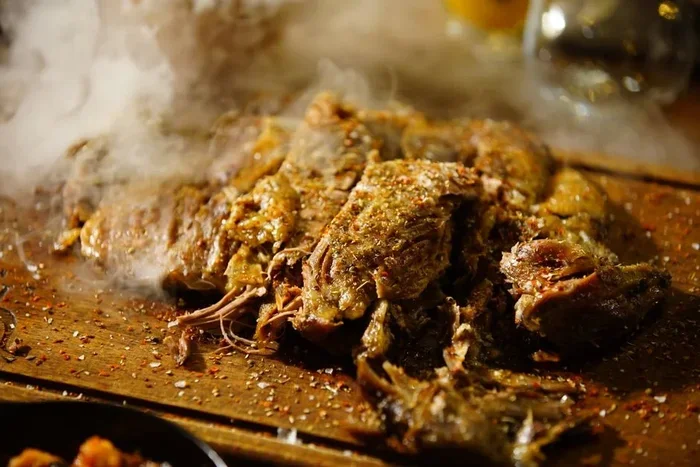
Once the pork is cooked, it is time to pull it apart. This is the most satisfying part of the whole process. The meat should be so tender that a fork slides in easily and the fibers separate with minimal effort.
Step-by-Step Pulling Guide
- Remove the pork from the cooking liquid and place it on a large cutting board.
- Let it rest for 15 to 20 minutes. This keeps the juices inside the meat.
- Use two forks to shred the pork. Pull the meat apart along the grain.
- Discard any large chunks of fat or connective tissue.
- Toss the shredded pork with your favorite BBQ sauce.
For those who love exploring different pork preparations, you might also enjoy these keto pork chop recipes for low carb eating. They offer great ways to enjoy pork in different styles while keeping things simple and delicious.
Best Serving Ideas
Pulled pork sandwiches are the classic choice. Use soft brioche buns and top with coleslaw for a crunchy contrast. Pickles and extra sauce bring it all together.
But pulled pork is incredibly versatile. Try these serving ideas:
- Tacos: Serve in warm tortillas with pickled onions and cilantro.
- Bowl: Over rice or mashed potatoes with roasted vegetables.
- Salad topping: On a bed of greens with a tangy vinaigrette.
- Pulled pork nachos: With cheese, jalapenos, and sour cream.
- Flatbread pizza: With mozzarella, BBQ sauce, and red onion.
Common Mistakes to Avoid
Even easy recipes can go wrong if you overlook a few key details. Here are the most common mistakes people make when cooking pulled pork and how to avoid them.
Skipping the Rest Period
Never skip resting the pork after cooking. If you shred it immediately, the juices run out and the meat dries out. Give it at least 15 minutes. The carryover heat continues cooking the meat gently while the juices redistribute.
Using Too High Heat
Cooking at too high a temperature is the fastest way to ruin pulled pork. The meat needs time for the collagen to break down. High heat firms up the protein instead of melting the connective tissue. Stick to low temperatures and be patient.
Underseasoning the Rub
A bland rub leads to bland pork. Season generously and do not be afraid of bold flavors. The pork shoulder is a tough cut that can handle strong spices. The long cooking time mellows everything into a beautiful depth of flavor.
Not Enough Liquid
In a slow cooker, too little liquid can cause the meat to dry out. Add at least 1/2 cup of broth or vinegar to the bottom of the cooker. This creates steam that keeps the environment moist throughout the cook.
Meal Prep and Storage Tips
Homemade pulled pork is one of the best meals to prep ahead of time. It reheats beautifully and tastes even better the next day. Here is how to store it properly.
- Refrigerator: Store in an airtight container for up to 4 days.
- Freezer: Freeze in portions for up to 3 months. Wrap tightly in foil and then in plastic wrap.
- Reheating: Add a splash of broth when reheating to keep it moist. Use low heat on the stove or microwave in short intervals.
Leftover pulled pork opens up a world of quick meals throughout the week. It is perfect for busy nights when you need dinner on the table fast.
Expert Insights
Professional barbecue pitmasters agree on a few key principles that separate good pulled pork from great pulled pork. First, always start with a well-marbled cut. The fat is not your enemy; it is your flavor delivery system. Second, resist the urge to open the lid too often. Every time you open the cooker, you lose heat and moisture. Third, invest in a meat thermometer. Internal temperature matters more than cooking time. Pull the pork when it reaches 195°F to 205°F for the best texture.
Another pro tip is to save the cooking liquid. It is loaded with flavor and can be used to moisten the pork as you shred it or as a base for soups and stews. Do not throw it away.
Final Thoughts
Making pulled pork at home is one of the most rewarding things you can do in the kitchen. It costs less than ordering takeout, tastes far better, and fills your home with an incredible aroma. This pulled pork recipe gives you everything you need to succeed on your first try and every time after that.
Start with a good pork shoulder, apply a generous rub, and give it the time it deserves. The results will speak for themselves. Your family and guests will be asking for this homemade pulled pork again and again. So fire up your slow cooker or preheat your oven and get ready to make the best barbecue you have ever tasted at home.
Remember, great barbecue is all about patience and simple ingredients. Trust the process, and you will be rewarded with fork-tender, juicy pulled pork that rivals any restaurant or competition entry. Enjoy every bite!
Frequently Asked Questions
What is the best cut of pork for pulled pork?
Pork shoulder, also called Boston butt or pork butt, is the best cut for pulled pork. It has the perfect balance of fat and connective tissue that breaks down during long cooking, creating tender, juicy shredded meat.
How long does it take to make pulled pork?
Most pulled pork recipes take 8 to 10 hours on low heat in a slow cooker or 8 to 10 hours at 225°F in the oven. Smoker methods can take 10 to 14 hours depending on the size of the cut and your desired level of smoke flavor.
Can I make pulled pork without a slow cooker?
Absolutely. You can use an oven set to 225°F or a smoker. The oven method works great in a Dutch oven or roasting pan covered with foil. The key is maintaining a low, steady temperature over several hours.
How do I know when pulled pork is done?
The pork is done when it reaches an internal temperature of 195°F to 205°F. The meat should be fork-tender and shred easily. If a fork slides in and the meat falls apart with gentle pressure, it is ready to pull.
Can I freeze pulled pork?
Yes, pulled pork freezes very well. Store it in airtight containers or freezer bags for up to 3 months. Reheat gently with a splash of broth to keep it moist and tender.
What is the best way to reheat leftover pulled pork?
The best way is to reheat it on the stove with a small amount of broth or BBQ sauce over low heat. This keeps the meat moist. You can also reheat in the oven covered with foil at 250°F until warmed through.