A single boneless, skinless chicken breast contains about 31 grams of protein per 100 grams. This makes it one of the best high-protein foods for muscle building, weight management, and overall health. Whether you grill, bake, or slow-cook it, understanding chicken breast macros helps you plan meals with confidence.
Chicken breast is one of the most popular protein sources in the world. If you have ever wondered how much protein in a chicken breast really contains, you are in the right place. This article breaks down the nutrition facts, explains why protein matters, and gives you practical tips to get the most out of every meal.
Whether you are a gym enthusiast, a busy parent, or someone simply trying to eat healthier, understanding your chicken breast macros can change the way you plan your plate. Let us dive into the details of chicken breast protein content and why this cut deserves a regular spot in your kitchen.
Key Takeaways
- 31 grams of protein per 100g: A boneless, skinless chicken breast delivers about 31 grams of protein per 100 grams cooked.
- Low in fat and calories: Chicken breast is one of the leanest protein sources, making it ideal for cutting or building lean muscle.
- Complete protein source: It contains all nine essential amino acids your body needs but cannot produce on its own.
- Serving size matters: A typical chicken breast weighs around 170 grams, giving you roughly 53 grams of protein per serving.
- Cooking method affects nutrition: Grilling, baking, and poaching preserve protein better than frying or breading.
- Versatile and easy to prepare: From oven-baked to crockpot recipes, chicken breast fits into almost any meal plan.
📑 Table of Contents
- Chicken Breast Nutrition: The Full Picture
- Why Protein in Chicken Breast Matters
- How Much Protein Is in Different Chicken Breast Sizes
- Best Ways to Cook Chicken Breast Without Losing Protein
- Chicken Breast vs Other Protein Sources
- Common Mistakes People Make When Cooking Chicken Breast
- Quick Tips for Maximizing Chicken Breast Protein
- Final Thoughts
Chicken Breast Nutrition: The Full Picture
When people talk about chicken breast nutrition, protein usually comes first. And for good reason. Chicken breast is packed with high-quality protein while staying low in fat and calories. Here is what a typical 100-gram serving of cooked, boneless, skinless chicken breast looks like.
- Calories: 165 kcal
- Protein: 31 grams
- Total Fat: 3.6 grams
- Saturated Fat: 1 gram
- Carbohydrates: 0 grams
- Cholesterol: 85 mg
- Sodium: 74 mg
These numbers make chicken breast one of the most protein-dense foods you can eat. Unlike many other meats, it delivers a lot of muscle-building fuel without a lot of extra fat. This is why athletes, dieters, and health-conscious eaters all turn to it as a go-to lean protein option.
Cooked vs Raw Chicken Breast Protein
You might notice that protein numbers change depending on whether the chicken is raw or cooked. This happens because cooking removes moisture. A raw chicken breast weighs more than a cooked one, so the protein per serving looks different on a per-gram basis.
Here is a simple comparison to keep in mind:
- Raw chicken breast (100g): About 23 grams of protein
- Cooked chicken breast (100g): About 31 grams of protein
Always measure your chicken breast weight after cooking for the most accurate nutrition tracking. This small habit makes a big difference when you are counting macros or planning your daily protein intake.
Why Protein in Chicken Breast Matters
Protein is not just for bodybuilders. Every cell in your body needs protein to function. From repairing muscles after a workout to supporting your immune system, this macronutrient plays a role in nearly everything your body does.
Muscle Building and Recovery
If you lift weights or exercise regularly, you need more protein than the average person. Chicken breast protein provides all nine essential amino acids, making it a complete protein source. This means your muscles get everything they need to grow and recover after intense sessions.
A study published in the Journal of the International Society of Sports Nutrition suggests that consuming 20 to 40 grams of high-quality protein per meal maximizes muscle protein synthesis. A single chicken breast easily hits that sweet spot.
Weight Management and Satiety
Feeling full after a meal is one of the biggest keys to successful weight management. Protein is more satiating than carbohydrates or fat. This means a high-protein meal like grilled chicken breast keeps you satisfied longer, helping you avoid unnecessary snacking.
Because chicken breast is so low in calories but high in protein density, you can eat a generous portion without blowing your daily calorie budget. That is a win-win for anyone watching their weight.
How Much Protein Is in Different Chicken Breast Sizes
The amount of protein in chicken breast varies depending on the size of the cut. Chicken breasts come in many sizes, from small fillets to large, thick cuts. Here is a practical breakdown based on common serving sizes.
| Chicken Breast Size | Approximate Weight (Cooked) | Protein Content |
|---|---|---|
| Small Fillet | 100 grams | 31 grams |
| Medium Breast | 150 grams | 46 grams |
| Large Breast | 200 grams | 62 grams |
| Extra Large Breast | 250 grams | 78 grams |
As you can see, a large chicken breast can deliver over 75 grams of protein in a single serving. That is more than enough for most people’s post-workout needs. If you are meal prepping for the week, knowing these numbers helps you portion your chicken breast serving size with confidence.
Best Ways to Cook Chicken Breast Without Losing Protein
How you prepare your chicken breast matters just as much as the nutrition it contains. Some cooking methods strip away moisture and nutrients, while others preserve the protein content beautifully.
Grilling
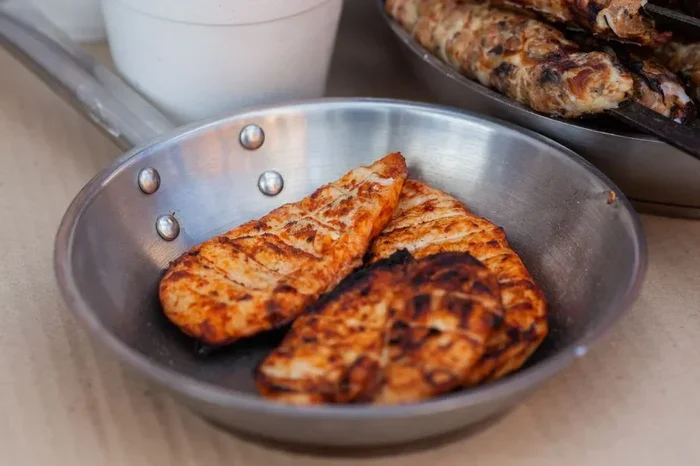
Grilling is one of the best ways to cook chicken breast. It adds flavor without adding extra fat. A grilled chicken breast retains most of its protein while developing a nice char on the outside. Just be careful not to overcook it, as dry chicken can be tough to eat.
For a quick and easy method, you can even grill chicken in a toaster oven if you do not have access to an outdoor grill. It works surprisingly well and gives you that smoky flavor in minutes.
Baking
Baking chicken breast in the oven at 350°F is simple and reliable. It stays moist and tender when you do not overcook it. A perfectly baked chicken breast is incredibly versatile — slice it for salads, chop it for wraps, or serve it over rice.
If you are new to oven baking, check out our guide on how long chicken breast takes in the oven at 350°F for foolproof timing and temperature tips.
Slow Cooking
Crockpot recipes are a lifesaver for busy weeknights. Slow-cooked chicken breast stays incredibly tender and absorbs all the flavors from your sauces and spices. There are countless crockpot chicken breast recipes that make this cut exciting again.
Want some inspiration? Our collection of 18 crockpot chicken breast recipes covers everything from classic herb recipes to spicy BBQ flavors.
Poaching
Poaching is the gentlest cooking method. It keeps the chicken breast moist and preserves nearly all of its protein. This method is perfect for meal prep because the cooked chicken stores well and stays tender for several days.
Chicken Breast vs Other Protein Sources
Not all protein sources are created equal. Let us compare chicken breast protein to some other popular options so you can see where it stands.
- Chicken Breast: 31g protein per 100g, low fat, zero carbs
- Salmon: 25g protein per 100g, higher in healthy fats and omega-3s
- Lean Beef (95% lean): 26g protein per 100g, higher in saturated fat
- Eggs: About 13g protein per 100g, more fat than chicken breast
- Tofu: About 8g protein per 100g, great plant-based alternative
Chicken breast wins for pure protein-to-calorie ratio. It is lean, affordable, and incredibly easy to prepare. While salmon offers healthy fats and tofu works well for plant-based diets, chicken breast remains the top choice for those focused on high protein density.
Common Mistakes People Make When Cooking Chicken Breast
Even though chicken breast is simple to cook, many people make mistakes that ruin the texture and nutrition. Here are a few pitfalls to avoid.
Overcooking the Chicken
This is the number one mistake. Chicken breast dries out fast when you cook it too long. Use a meat thermometer and pull it off the heat at 165°F internal temperature. Let it rest for a few minutes before slicing to lock in the juices.
Skipping the Brine
If you want juicy, flavorful chicken breast every time, try brining it for 30 minutes before cooking. A simple saltwater solution helps the meat retain moisture during cooking. This trick makes a noticeable difference in both taste and texture.
Not Letting It Rest
Cutting into chicken breast immediately after cooking releases all the juices. Give it at least 5 minutes to rest on the cutting board. Your chicken breast nutrition stays intact, and the meat is far more enjoyable to eat.
Quick Tips for Maximizing Chicken Breast Protein
- Always choose boneless, skinless cuts for the highest protein-to-calorie ratio.
- Measure your chicken breast after cooking for accurate macro tracking.
- Use a meat thermometer to avoid overcooking.
- Brine or marinate for 30 minutes to boost flavor and moisture.
- Store cooked chicken in the fridge for up to 4 days or freeze for longer storage.
- Pair your chicken with vegetables and whole grains for a balanced meal.
Final Thoughts
Chicken breast is truly one of nature’s best lean protein sources. With about 31 grams of protein per 100 grams, it is hard to beat for muscle building, weight management, and everyday healthy eating. Its low fat content, zero carbs, and complete amino acid profile make it a favorite among fitness enthusiasts and casual cooks alike.
Now that you know exactly how much protein in a chicken breast and how to cook it properly, you can confidently add it to your weekly meal plan. Whether you bake it, grill it, or slow-cook it, this versatile cut delivers incredible nutrition every single time. So next time you are at the grocery store, grab a few chicken breasts and put this knowledge to good use.
For more chicken tips and recipes, explore our other guides on cooking and preparing chicken breast in different ways. Happy cooking!
Frequently Asked Questions
How much protein is in a 6 oz chicken breast?
A 6-ounce cooked boneless, skinless chicken breast contains approximately 54 grams of protein. This is based on the standard protein density of about 31 grams per 100 grams of cooked chicken breast. Always weigh your chicken after cooking for the most accurate count.
Is chicken breast a complete protein?
Yes, chicken breast is a complete protein source. It contains all nine essential amino acids that your body needs but cannot produce on its own. This makes it especially valuable for muscle building and recovery.
How does protein content change with the skin on?
Chicken breast with the skin on has slightly more calories and fat, but the protein content remains nearly the same. The skin adds about 2 to 3 grams of fat per serving without significantly changing the protein grams. For the leanest option, always remove the skin before or after cooking.
Can I eat chicken breast every day?
Yes, eating chicken breast daily is safe and can be part of a healthy diet. It provides high-quality protein with minimal saturated fat. Just be sure to vary your protein sources throughout the week to get a wide range of nutrients and avoid dietary monotony.
What is the best way to measure chicken breast protein accurately?
The most accurate way is to weigh the cooked chicken breast on a kitchen scale and use the nutrition facts for cooked chicken breast. Protein content per 100 grams of cooked chicken breast is well-established at about 31 grams. Raw chicken will show lower protein per 100 grams due to water content.
Does breading or frying chicken breast reduce its protein?
Breading and frying add calories, fat, and carbohydrates but do not significantly reduce the protein content of the chicken itself. However, the overall nutritional profile changes dramatically. For maximum health benefits, choose baking, grilling, or poaching over frying.