The origin of french fries is a hotly debated topic, with Belgium and France both claiming the title of inventor. Most food historians point to Belgium as the birthplace, where villagers fried small fish and later potatoes in the Meuse River region during the 1600s. From their humble European roots, french fries spread across the globe through trade, migration, and the rise of fast food chains, becoming one of the most beloved foods on the planet.
Few foods spark joy quite like a crispy, golden basket of french fries. Whether you enjoy them with ketchup, mayo, or a sprinkle of sea salt, fries are a universal favorite. But have you ever stopped to wonder where did french fries originate? The answer might surprise you.
The story of french fry history is full of myths, rival claims, and a fascinating global journey. From small villages in Europe to the drive-through windows of every major city, french fries have come a long way. Let’s dive into the rich and delicious history of this iconic food.
Key Takeaways
- Belgium likely invented french fries: Villagers in the Meuse River region fried small potatoes in the 1600s as a substitute for fried fish.
- The name “french fries” may come from the cutting method: The term “french” refers to the technique of cutting potatoes into long strips, not the country France.
- French fries spread globally through war and trade: American soldiers discovered them in Belgium during World War I and brought the recipe home.
- Fast food chains made fries a worldwide phenomenon: Companies like McDonald’s turned fries into a global staple food.
- Modern innovations changed how we eat fries: From frozen fries to commercial fryers, technology reshaped the industry.
- Fries are now a cultural icon: They appear in cuisine, media, and festivals across every continent.
📑 Table of Contents
The Belgian Origin Story
Most food historians agree that french fries likely originated in Belgium. The story dates back to the late 1600s in the Meuse River region. Villagers in this area were known for frying small fish as a staple part of their diet.
But during the cold winter months, the rivers would freeze over. Fishing became impossible. So the locals got creative. They cut potatoes into thin strips and fried them in oil, just like they did with fish. This clever swap gave birth to what we now call belgian frites or pommes frites.
Why Belgium Claims the Title
The Belgian claim rests on strong historical evidence. The Meuse River region, which spans parts of modern-day Belgium, was home to communities that relied heavily on fried fish. When winter made fishing impossible, potatoes became the go-to alternative.
Here are some key points that support the Belgian origin:
- Written records from the 1680s mention villagers frying potatoes in the Meuse Valley.
- Belgian cuisine still treats fries as a national treasure to this day.
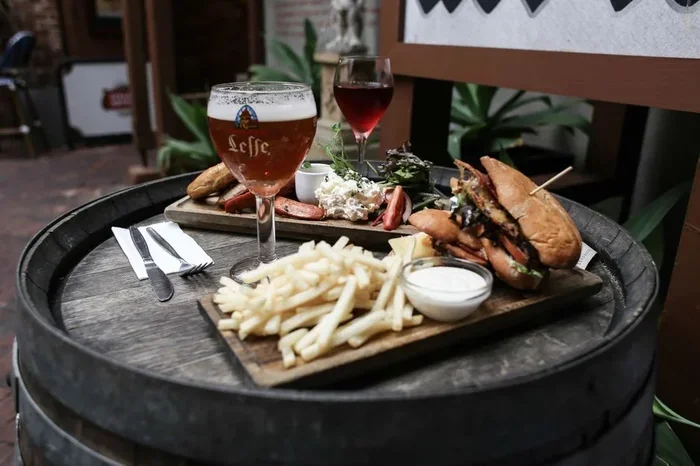
- Belgian frites are served in distinctive cone-shaped paper cups with a variety of sauces.
- The Belgian Fry Museum in Bruges celebrates the heritage of this beloved food.
While France also has a strong claim, the Belgian story has the earliest documented evidence. The people of the Meuse River region truly pioneered the art of deep fried potatoes.
The French Claim and the Name Debate
France has its own story about the birth of french fries. Many people believe that Parisian street vendors first sold fried potatoes on the Pont Neuf bridge in the late 1700s. This was around the time of the French Revolution.
The name “french fries” itself adds to the mystery. Some people think the name comes from France. But the truth is more interesting. The term “french” in cooking often means “to cut into long strips.” This technique is called a julienne cut. So “french fries” simply means “fried strips of potato.”
How the Name Spread
The phrase “french fried potatoes” appeared in English cookbooks as early as the 1800s. Thomas Jefferson is sometimes credited with popularizing them in America. He reportedly enjoyed pommes frites while serving as a diplomat in France.
Over time, the name stuck. Today, people all over the world call them french fries, regardless of where they actually came from. The name has become one of the most recognized food terms on the planet.
How French Fries Conquered the World
The global spread of french fries happened through a mix of war, trade, and cultural exchange. What started as a humble village snack became a worldwide sensation. Here is how the journey unfolded.
World War I and the American Connection
American soldiers stationed in Belgium during World War I discovered french fries for the first time. They loved the crispy, salty treat. When they returned home, they brought the recipe with them. Because they were in the French-speaking part of Belgium, the soldiers called them “french fries.” The name stuck in America and beyond.
This moment was a turning point. Fries began their journey from a European street food to a global comfort food.
The Rise of Fast Food Chains
The real explosion of french fries came in the 20th century. Fast food chains saw the incredible potential of this simple side dish. Companies like McDonald’s, Burger King, and Wendy’s made fries a standard part of their menus.
McDonald’s alone sells billions of servings of fries every year. The chain helped turn fries into a symbol of American fast food culture. But the popularity spread far beyond the United States.
Today, you can find french fries on nearly every menu in the world. From Tokyo to Toronto, from Sydney to São Paulo, fries are a universal craving.
Frozen Fries and Commercial Production
The invention of frozen french fries in the mid-20th century changed everything. Suddenly, restaurants and homes could enjoy fries without the labor-intensive preparation. Companies developed industrial processes to cut, blanch, and freeze potatoes at scale.
Modern commercial kitchens use advanced equipment like a best commercial air fryer for french fries to produce perfect batches every time. These machines ensure consistent quality and crispy results. The frozen fry industry is now worth billions of dollars globally.
French Fries Around the World
One of the most exciting things about french fries is how different cultures make them their own. Every country adds its own twist to this simple dish.
In Belgium, fries are thick-cut and double-fried for maximum crunch. They are served in a paper cone with a variety of sauces. In the United States, thin and crispy fries are the standard. They often come in a fast food bag with a side of ketchup.
In the United Kingdom, “chips” are thick and fluffy on the inside. Fish and chips is a beloved national dish. In Japan, fries are often shaped like strings or served with unique seasonings like seaweed and wasabi.
In South Africa, a dish called “slap chips” is thick, soft, and drenched in vinegar. In Canada, poutine takes fries to another level with cheese curds and gravy. Each of these variations shows the incredible versatility of french fries.
Reheating and Storing Fries
One common challenge with fries is keeping them crispy after cooking. Leftover fries can become soggy if not stored properly. The best way to store them is in an airtight container in the refrigerator.
When you are ready to enjoy them again, reheating french fries in an air fryer oven is the best method. The hot air restores the crispy exterior while keeping the inside fluffy. You can also learn how to store fries properly to maintain their texture for a day or two.
For those who love cheese fries, reheating them in an air fryer works wonders too. Check out our guide on how to reheat cheese fries in an air fryer for the best results.
The Science Behind Perfect Fries
Making great french fries is part science, part art. The perfect fry has a golden, crispy exterior and a fluffy interior. Achieving this balance depends on a few key factors.
First, the type of potato matters. Starchy potatoes like Russets work best because they have a dry, fluffy texture. Waxy potatoes hold too much moisture and do not fry as well.
Second, the oil temperature is critical. Frying at around 325°F for the first cook cooks the inside. Then, a second fry at 375°F creates the crispy golden shell. This double-fry method is what gives belgian frites their signature crunch.
Third, the cut of the potato affects the cooking time and texture. A best french fry cutter for commercial use ensures uniform thickness, which means even cooking every time. Consistent size prevents some fries from burning while others stay undercooked.
Professional kitchens and home cooks alike benefit from understanding these basics. The science of frying is what separates good fries from great ones.
Modern Trends in French Fries
The world of french fries continues to evolve. New trends and innovations keep this classic food fresh and exciting. Here are some of the most interesting developments in the fry world today.
Air frying has become a huge trend in recent years. Home cooks love the convenience and health benefits of using an air fryer. You can achieve crispy results with much less oil. Many families now own an air fryer specifically for making fries at home.
Sweet potato fries have also gained massive popularity. They offer a slightly sweeter flavor and a different nutritional profile. Many restaurants now offer both classic potato fries and sweet potato options on their menus.
Another trend is the rise of gourmet fries. Food trucks and restaurants are experimenting with unique toppings and seasonings. Truffle fries, loaded fries, and exotic spice blends are just the beginning. Fries are no longer just a side dish. They are a canvas for creativity.
Sustainability is also shaping the future of french fry production. Companies are exploring eco-friendly packaging and sourcing potatoes from responsible farms. The industry is adapting to meet the growing demand for environmentally conscious food choices.
Common Mistakes When Making Fries
Even experienced cooks make mistakes with french fries. Here are some common errors to avoid.
- Not soaking the potatoes: Soaking removes excess starch and helps achieve crispiness.
- Crowding the fryer: Too many fries at once lowers the oil temperature and causes soggy results.
- Using the wrong potato: Waxy potatoes do not fry well. Stick to starchy varieties like Russets.
- Skipping the double fry: One fry does not create the perfect crispy shell and fluffy interior.
- Seasoning too late: Salt fries immediately after the second fry for the best adhesion.
Avoiding these mistakes will elevate your fries from average to restaurant quality. A little attention to detail makes a big difference.
Why French Fries Remain a Global Favorite
The enduring popularity of french fries comes down to a few simple truths. They are delicious. They are versatile. And they bring people together.
Fries pair with almost everything. Burgers, sandwiches, hot dogs, and even salads benefit from a side of crispy fries. They work as a snack, a side dish, or even a main course when loaded with toppings.
The social aspect of fries is also important. Sharing a basket of fries is a universal experience. Whether at a baseball game, a family dinner, or a late-night snack, fries create moments of connection.
From their mysterious origins in the Meuse River region to their place on every fast food menu today, french fries have truly conquered the world. Their journey is a testament to the power of simple, well-made food.
Next time you bite into a warm, crispy fry, take a moment to appreciate the rich history behind it. Where did french fries originate? The story spans centuries, continents, and countless kitchens. And the best part? The story is still being written.
Conclusion
The question of where did french fries originate has a fascinating answer. Belgium and France both have strong claims to this beloved food. The truth is that french fries represent a shared culinary heritage that belongs to the whole world.
From their humble beginnings as a winter substitute for fried fish to their current status as a global icon, fries have come a long way. They have adapted to every culture, every cuisine, and every taste preference along the way.
Whether you enjoy them crispy, soft, loaded with toppings, or plain with ketchup, french fries are more than just a food. They are a symbol of comfort, joy, and connection. So the next time you reach for a fry, remember the incredible journey it has taken to reach your plate.
The story of french fries is still evolving. New techniques, new flavors, and new innovations continue to shape how we enjoy this timeless food. One thing is certain. Fries are here to stay.
Frequently Asked Questions
Where did french fries really originate?
Most food historians believe french fries originated in Belgium during the late 1600s. Villagers in the Meuse River region fried thin strips of potatoes as a substitute for fried fish during winter months. France also has a strong claim, but the earliest documented evidence points to Belgium.
Why are they called “french fries” if they came from Belgium?
The name “french fries” likely comes from the cooking technique called “frenching,” which means cutting food into long thin strips. American soldiers discovered fries in French-speaking Belgium during World War I and brought the name home. The term stuck and spread worldwide.
When were french fries first introduced to America?
Fries were introduced to America in the early 1800s, partly through Thomas Jefferson’s influence after he experienced them in France. However, they really gained popularity in the 20th century with the rise of fast food chains like McDonald’s.
What is the difference between Belgian fries and American fries?
Belgian fries are typically thicker cut and double-fried for a crispy outside and fluffy inside. American fries are usually thinner and single-fried for a uniform crunch. Belgian fries are also traditionally served in a cone shape with sauces on the side.
How have frozen fries changed the industry?
Frozen fries revolutionized the food industry by making fries available year-round with minimal preparation. Restaurants no longer needed to cut and fry potatoes from scratch. This innovation helped fries become a staple on fast food menus worldwide.
Are sweet potato fries a modern invention?
Sweet potato fries have gained massive popularity in recent decades, but sweet potatoes have been fried for centuries in many cultures. The modern sweet potato fry trend emerged in the early 2000s as health-conscious consumers sought alternatives to traditional potato fries.