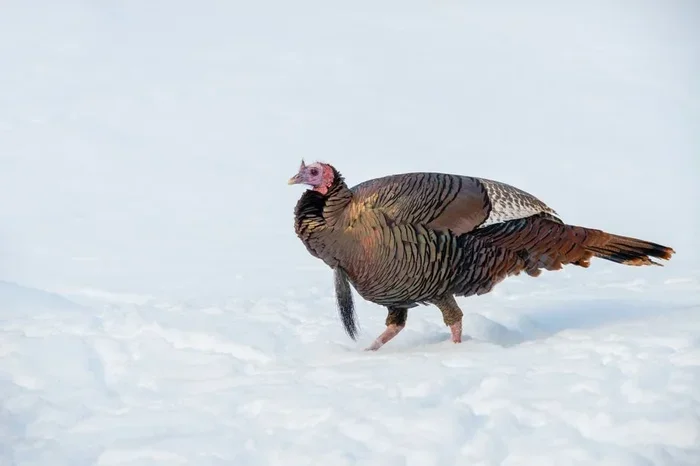
Yes, you can brine a frozen turkey — it is safe, effective, and one of the best ways to ensure a juicy, flavorful bird. Brining a frozen turkey works because the salt solution slowly penetrates the meat as it thaws, infusing moisture and flavor deep into the flesh. In this guide, we will walk you through the entire process, from choosing the right brine to cooking your perfectly seasoned turkey.
There is nothing quite like a golden, juicy turkey sitting at the center of a holiday table. Whether you are preparing for Thanksgiving or a special Sunday dinner, the bird you serve matters. And here is a question many home cooks ask: can you brine a frozen turkey? The short answer is yes. You absolutely can, and the results can be incredible.
Brining is one of the simplest ways to elevate your turkey. It adds moisture, flavor, and tenderness to the meat. But what happens when your turkey is still frozen? Do you need to thaw it first? The good news is that you do not. You can brine a frozen turkey straight from the freezer. This guide will show you exactly how to do it, step by step, so you can serve a bird that wows everyone at the table.
Key Takeaways
- Brining a frozen turkey is safe: You can submerge a frozen turkey directly in a brine solution without thawing it first.
- Wet brine and dry brine both work: Each method offers unique benefits for flavor and moisture retention.
- Brining time matters: Plan for at least 12 to 24 hours of brining for the best results.
- Use the right salt ratio: A standard brine calls for about 1 cup of kosher salt per gallon of water.
- Avoid common mistakes: Do not over-brine, use table salt instead of kosher salt, or skip rinsing the turkey after brining.
- Pair brining with proper cooking: After brining, cook your turkey at the right temperature for a perfectly juicy bird.
📑 Table of Contents
Can You Brine a Frozen Turkey?
The idea of brining a frozen turkey might sound unusual. Most brining guides assume you start with a thawed bird. But the science behind brining actually supports starting with a frozen turkey. As the turkey slowly thaws in the brine solution, the salt and water begin to penetrate the meat. This process works just as well on a frozen turkey as it does on a fresh one.
When you brine a frozen turkey, the thawing and brining happen at the same time. The cold brine keeps the turkey at a safe temperature while it defrosts. The salt breaks down some of the muscle proteins, allowing the meat to retain more moisture during cooking. This means your turkey will be juicier and more flavorful than an unbrined bird.
You might wonder if this is safe. The answer is yes, as long as you follow a few basic food safety rules. Keep the turkey refrigerated at all times. Make sure the brine fully covers the bird. And allow enough time for the turkey to thaw and absorb the brine properly. When done correctly, brining a frozen turkey is a perfectly safe and effective technique.
Why This Method Works So Well
The key to understanding this method lies in how brining works at a molecular level. Salt changes the structure of proteins in the meat. Specifically, it dissolves some of the proteins that would normally squeeze out moisture during cooking. This means that when your turkey goes into the oven, it holds onto more of its natural juices.
Starting with a frozen turkey gives you a built-in advantage. The slow thawing process allows the brine to work gradually. The salt has more time to penetrate deeper into the meat. The result is a more evenly seasoned, moist turkey from breast to thigh. This is why many experienced cooks swear by the method of brining a frozen turkey for holiday meals.
How to Brine a Frozen Turkey Step by Step
Now that you know it is possible, let us walk through the actual process. Brining a frozen turkey is not complicated. It does require some planning, but the steps are straightforward. Here is everything you need to do.
Step 1: Gather Your Ingredients
Before you start, make sure you have everything ready. You will need the following:
- A large container or brining bag big enough to hold your frozen turkey
- Water — enough to fully submerge the bird
- Kosher salt — about 1 cup per gallon of water
- Sugar — about half a cup per gallon of water
- Aromatics like bay leaves, peppercorns, garlic cloves, and fresh herbs
Using kosher salt is important. It dissolves slowly and distributes evenly through the brine. Table salt is too fine and can make the turkey taste overly salty. If you want a deeper flavor, consider adding orange zest, thyme, or rosemary to your brine.
Step 2: Prepare the Brine
Start by heating about half of the water with the salt and sugar. Stir until they dissolve completely. You do not need to boil the water. Just warm it enough to dissolve the salt and sugar. Once dissolved, remove the pot from the heat and add the remaining cold water. This cools the brine down to a safe temperature before it touches the turkey.
Add your aromatics to the brine at this stage. Bay leaves, black peppercorns, crushed garlic, and fresh thyme all work wonderfully. These additions give your turkey a subtle, savory depth of flavor that complements the natural taste of the bird.
Step 3: Submerge the Frozen Turkey
Place your frozen turkey into the brining container. Pour the cooled brine over the bird. Make sure the turkey is completely submerged. If it floats, use a plate or a clean weight to keep it under the surface.
Cover the container tightly. If you are using a brining bag, seal it well and squeeze out excess air. The container should be food-safe and large enough to fit in your refrigerator. If your turkey is very large and does not fit in the fridge, use a cooler with ice packs to maintain a safe temperature below 40 degrees Fahrenheit.
Step 4: Let It Brine
Now comes the waiting game. A frozen turkey needs more time to brine than a thawed one. Plan for at least 24 to 36 hours. The turkey will slowly thaw in the brine, and the salt will work its way into the meat. For a very large bird, you might want to extend the brining time to 48 hours for even better results.
Check on the turkey every few hours. Make sure the brine stays cold and the bird remains fully submerged. If the turkey has fully thawed before the brining time is up, you can move it to the refrigerator and continue brining for the remaining time.
Step 5: Rinse and Cook
After the brining time is complete, remove the turkey from the brine. Rinse it thoroughly under cold running water. This step is important because it removes excess salt from the surface. Pat the turkey dry with paper towels. You can now season it further, apply a rub, or cook it as you normally would.
Roast your turkey at the recommended temperature, usually around 325 degrees Fahrenheit. If you need to keep your cooked turkey warm for serving, check out our guide on how to keep a turkey warm in the oven for helpful tips and techniques.
Wet Brine vs Dry Brine for Frozen Turkey
When it comes to brining a frozen turkey, you have two main options: wet brine and dry brine. Both methods work well, but they produce slightly different results. Understanding the differences helps you choose the right approach for your needs.
| Factor | Wet Brine | Dry Brine | Best For |
|---|---|---|---|
| Method | Submerge turkey in saltwater solution | Rub salt and spices directly on the bird | Different preferences and time constraints |
| Flavor Penetration | Deep, even flavor throughout | Concentrated surface flavor and crispy skin | Wet for flavor depth, dry for crispy skin |
| Moisture Retention | Excellent moisture retention | Very good moisture retention | Both are effective |
| Convenience | Requires large container and brine | Simple — just a bag and salt | Dry brine is easier and less messy |
| Brining Time | 24 to 48 hours | 24 to 72 hours | Dry brine allows more flexibility |
| Skin Texture | Softer skin | Crispier skin | Dry brine for crispy skin |
When to Use a Wet Brine
A wet brine is the classic approach. It involves soaking the turkey in a saltwater solution with added aromatics. This method is excellent for ensuring deep, even moisture throughout the bird. If you want a very juicy turkey with a mild, well-rounded flavor, a wet brine is the way to go. Wet brines also work well for larger turkeys because the liquid surrounds the bird completely.
When to Use a Dry Brine
A dry brine is simpler and more convenient. You just rub kosher salt and your favorite spices directly onto the surface of the frozen turkey. Over time, the salt draws moisture out of the meat, dissolves, and then gets reabsorbed. This process seasons the turkey deeply and helps create incredibly crispy skin when roasted.
Dry brining is a great option if you do not have a large enough container for a wet brine. It also produces a more concentrated flavor on the surface of the bird. Many cooks prefer dry brining for its simplicity and the excellent texture it delivers on the skin.
Tips for a Perfect Brined Turkey
Brining a frozen turkey is not difficult, but a few expert tips can take your results from good to great. Here are some practical tips to keep in mind.
- Start with a quality turkey. A fresh or frozen turkey from a reputable source will always give you better results than a low-quality bird.
- Use the right container. A food-grade brining bag or a large clean bucket works best. Make sure it is big enough for the turkey and the brine.
- Keep it cold. Food safety is the most important part of brining. The turkey must stay below 40 degrees Fahrenheit at all times.
- Do not over-brine. More than 48 hours can make the turkey too salty. Stick to the recommended time frame for the best flavor.
- Rinse after brining. Always rinse the turkey thoroughly after removing it from the brine. This removes excess salt from the surface.
- Pat the skin dry. After rinsing, dry the turkey completely with paper towels. Dry skin crisps up much better in the oven.
- Let it rest before cooking. If the turkey has fully thawed during brining, let it sit at room temperature for about 30 minutes before roasting.
If you are cooking your turkey in a smaller oven or toaster oven, make sure you have the right equipment. Check out our guide on the best toaster oven big enough for a turkey if you are planning to roast a smaller bird indoors.
Common Mistakes to Avoid When Brining a Frozen Turkey
Even experienced cooks can make mistakes when brining a turkey. Here are the most common errors and how to avoid them.
Using Table Salt Instead of Kosher Salt
This is the number one mistake. Table salt is much finer than kosher salt, so it dissolves faster and packs more sodium into the same volume. Using table salt can result in an overly salty turkey. Stick with kosher salt for a more controlled, even seasoning throughout the brine.
Not Enough Brining Time
Brining a frozen turkey takes longer than brining a thawed one. If you rush the process, the salt will not penetrate deep enough into the meat. Plan ahead and give the turkey at least 24 hours. For a large bird, 36 to 48 hours is ideal.
Skipping the Rinse
Some people skip rinsing the turkey after brining because they are in a hurry. This is a big mistake. The excess salt on the surface will make the turkey taste too salty. Always rinse the bird thoroughly and pat it dry before cooking.
Brining at the Wrong Temperature
Safety must come first. If the turkey is not kept cold during brining, bacteria can grow rapidly. Always brine in the refrigerator or in a cooler with ice. Never leave the brining turkey out on the counter. The turkey should stay at or below 40 degrees Fahrenheit the entire time.
Overcrowding the Container
Make sure the turkey fits comfortably in the brining container with plenty of room for the brine to circulate around it. A crowded container leads to uneven brining and spots that do not get enough salt solution.
Pairing Your Brined Turkey with the Right Cooking Method
Once your frozen turkey is brined and ready, the next step is cooking. The good news is that a brined turkey is very forgiving. It is hard to overcook a brined bird because the extra moisture protects the meat. You can roast it, smoke it, or even cook it in an air fryer if the size fits.
For those considering an air fryer, make sure you have a model that can accommodate the size of your turkey. Our guide on the best air fryer big enough for a turkey can help you find the right fit for your kitchen.
After cooking, let your turkey rest for at least 20 to 30 minutes before carving. This allows the juices to redistribute throughout the meat, giving you the most flavorful and moist slices possible.
Conclusion
So, can you brine a frozen turkey? Absolutely. Brining a frozen turkey is one of the best things you can do to improve the quality of your bird. It adds moisture, flavor, and tenderness in a way that no other preparation method can match. Whether you choose a wet brine or a dry brine, the process is simple and the results are worth the effort.
The key is to plan ahead, use the right ingredients, and follow the food safety guidelines. With a little patience and the right technique, you will serve a turkey that is juicy, flavorful, and sure to be the highlight of your meal. Give it a try the next time you prepare a turkey, and you will notice the difference right away.
Remember, brining is just one step in the process. Combine it with proper cooking temperatures, adequate resting time, and quality ingredients, and you will have a turkey that your family and guests will talk about for weeks. Happy cooking!
Frequently Asked Questions
Can you put a completely frozen turkey in a brine?
Yes, you can. Placing a fully frozen turkey directly into a brine is safe and effective. The turkey will thaw gradually in the brine solution, and the salt will begin to penetrate the meat as it defrosts. Just make sure the brine stays cold and the turkey remains fully submerged at all times.
How long should you brine a frozen turkey?
A frozen turkey should brine for at least 24 to 36 hours. The extra time compared to a thawed turkey accounts for the thawing process. For a very large bird, you can extend the brining time to 48 hours. Do not exceed 48 hours, as the turkey can become too salty.
Do you need to thaw a turkey before brining it?
No, you do not need to thaw a turkey before brining. In fact, brining a frozen turkey is a popular method because the thawing and brining happen simultaneously. This saves time and produces excellent results. Just make sure the brine is cold and the turkey stays at a safe temperature.
What kind of salt is best for brining a turkey?
Kosher salt is the best choice for brining turkey. It dissolves slowly and distributes evenly, which prevents over-salting. Avoid table salt because it is finer and more concentrated, which can make the turkey taste too salty. Sea salt is also a good alternative if kosher salt is not available.
Can you reuse a turkey brine?
It is not recommended to reuse a turkey brine. After the turkey has been sitting in the brine, the liquid may contain bacteria from the raw meat. Reusing it poses a food safety risk. Always discard the used brine and prepare a fresh one for each turkey you cook.
Does brining a turkey really make a difference in flavor?
Yes, brining makes a significant difference. The salt in the brine changes the structure of the proteins in the turkey, allowing it to hold onto more moisture during cooking. This results in a juicier, more flavorful bird. Brined turkey also tends to have a more seasoned, well-rounded taste compared to unbrined turkey.