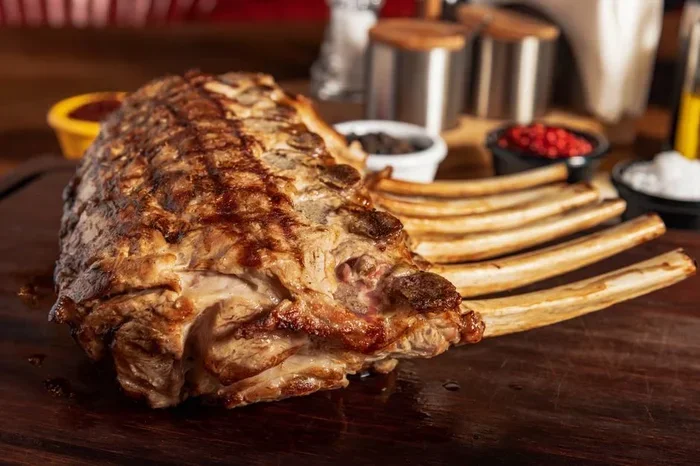
A boneless prime rib temperature chart is the key to cooking a flawless roast every time. This guide shows you the exact internal temperatures for rare, medium-rare, and well-done prime rib, along with cooking times and expert tips. Whether you are a beginner or a seasoned cook, following the right temperature ensures your beef roast stays moist, tender, and full of flavor. We cover everything from prep to resting, so you can serve a show-stopping meal with confidence.
A perfectly cooked boneless prime rib is one of the most impressive things you can serve at a dinner table. Whether it is a holiday feast, a birthday celebration, or a weekend family roast, this cut of beef always steals the show. But getting it just right can feel intimidating if you have never done it before.
The secret to a flawless prime rib roast comes down to one thing: temperature. A reliable boneless prime rib temperature chart takes all the guesswork out of the process. Instead of poking the meat nervously and hoping for the best, you get a clear, simple roadmap to follow. In this guide, we walk you through every temperature, every timing tip, and every trick you need for perfect results.
We will also cover common mistakes, the best tools to use, and how to pair your roast with sides that complement its rich flavor. By the end, you will feel confident enough to roast a prime rib like a pro. So let us dive in and get your kitchen ready for an amazing meal.
Key Takeaways
- Target Temperature Matters: The perfect boneless prime rib temperature chart guides you to cook your roast at the right internal temp for your preferred doneness level.
- Resting Is Essential: Always let your prime rib rest for at least 15 to 20 minutes after cooking to lock in the juices.
- Use a Meat Thermometer: A reliable meat thermometer is the single most important tool for achieving perfect results.
- Low and Slow Works Best: Roasting at a lower temperature for a longer time creates a more even cook and a beautiful crust.
- Carryover Cooking Is Real: The internal temperature of your roast will rise 5 to 10 degrees after you take it out of the oven.
- Season Simply: Salt, pepper, garlic, and fresh herbs are all you need to let the natural flavor of the beef shine.
📑 Table of Contents
- Why a Boneless Prime Rib Temperature Chart Matters
- The Best Tools for Monitoring Temperature
- How to Use a Boneless Prime Rib Temperature Chart
- Boneless Prime Rib Cooking Time and Temperature Guide
- Common Mistakes to Avoid
- Serving and Storing Your Prime Rib
- Expert Tips for the Perfect Boneless Prime Rib
- Final Thoughts
Why a Boneless Prime Rib Temperature Chart Matters
Cooking a boneless prime rib without a temperature chart is like driving without a map. You might eventually get where you want to go, but the journey will be full of uncertainty and stress. A temperature chart gives you a clear target to aim for, so you know exactly when your roast is done to perfection.
Here is why this matters so much. Prime rib is a premium cut of beef, and it does not come cheap. Overcooking it by even a few degrees can turn a tender, juicy roast into a dry, tough disappointment. On the other hand, undercooking it can pose food safety risks. The right boneless prime rib temperature chart removes all of that risk and puts you in control.
Understanding Doneness Levels
Not everyone likes their beef cooked the same way. Some people prefer a rare roast with a cool, red center, while others want a well-done roast with no pink at all. A good temperature chart accounts for all these preferences. Here are the standard doneness levels for a boneless prime rib roast:
- Rare: 120 to 125 degrees Fahrenheit. The center is bright red and very soft.
- Medium-Rare: 130 to 135 degrees Fahrenheit. This is the most popular choice, with a warm red center and a juicy texture.
- Medium: 140 to 145 degrees Fahrenheit. The center is pink and slightly firmer.
- Medium-Well: 150 to 155 degrees Fahrenheit. Very little pink remains, and the meat is firmer.
- Well-Done: 160 degrees Fahrenheit and above. The meat is cooked through with no pink at all.
Most experts and chefs recommend cooking prime rib to medium-rare for the best flavor and texture. This is where the beef stays incredibly juicy while still having a beautiful rosy center. A boneless prime rib temperature chart makes it easy to hit this sweet spot every single time.
The Best Tools for Monitoring Temperature
You cannot follow a temperature chart accurately without the right tools. The most important tool in your arsenal is a meat thermometer. There are several types available, and each has its own advantages.
Instant-Read Thermometers
These are the most common and affordable option. You insert the probe into the thickest part of the roast, and within seconds, you get a reading. Instant-read thermometers are great for checking the temperature at the end of cooking. However, you need to open the oven door each time, which can cause heat to escape and affect your cooking time.
Leave-In Probe Thermometers
A leave-in probe thermometer stays inside the roast for the entire cooking process. The cable connects to a digital display that sits outside the oven. This lets you monitor the temperature without opening the door. Some advanced models even send alerts to your phone when the roast reaches the target temperature. This is a game-changer for anyone who wants hands-off monitoring.
Wireless Smart Thermometers
If you want the ultimate level of control, a wireless smart thermometer is worth the investment. These devices connect to an app on your phone or tablet. You can track the temperature in real time, set target temperatures, and receive notifications when your roast is done. They take the stress out of cooking a boneless prime rib and give you peace of mind.
How to Use a Boneless Prime Rib Temperature Chart
Using a boneless prime rib temperature chart is simple, but there are a few important steps to follow for the best results. Here is a step-by-step approach that works every time.
Step 1: Prep the Roast
Start by removing your prime rib from the refrigerator about one to two hours before cooking. Letting it come to room temperature helps it cook more evenly. Pat the roast dry with paper towels, then season generously with salt, pepper, garlic powder, and any fresh herbs you enjoy. Some cooks like to add a simple mixture of minced garlic, rosemary, and thyme rubbed into the surface.
Step 2: Preheat the Oven
Preheat your oven to 450 degrees Fahrenheit for the first 15 to 20 minutes. This high heat creates a beautiful sear and a flavorful crust on the outside of the roast. After the initial sear, reduce the oven temperature to 325 degrees Fahrenheit for the rest of the cooking time.
Step 3: Insert the Thermometer
Place your meat thermometer into the thickest part of the roast. Avoid touching the bone, as bones conduct heat differently and can give you a false reading. For a boneless prime rib, this is straightforward because there is no bone to worry about.
Step 4: Monitor the Temperature
Start checking the temperature about 30 minutes before you expect the roast to be done. Use your boneless prime rib temperature chart as a reference. Remember that the temperature will continue to rise after you remove the roast from the oven, a phenomenon known as carryover cooking.
Step 5: Rest the Roast
Once your roast reaches the target temperature, take it out of the oven and let it rest on a cutting board for at least 15 to 20 minutes. This resting period allows the juices to redistribute throughout the meat, making every slice tender and flavorful. Tent the roast loosely with foil to keep it warm during this time.
Boneless Prime Rib Cooking Time and Temperature Guide
A boneless prime rib temperature chart is most useful when paired with a cooking time guide. The exact time depends on the size of your roast and your target doneness. Here is a general reference to help you plan your cook.
For a 3 to 4 pound boneless prime rib roast, expect to cook it for about 15 to 18 minutes per pound at 325 degrees Fahrenheit after the initial sear. A larger roast of 5 to 7 pounds may need 13 to 15 minutes per pound. Always rely on the internal temperature rather than the clock, because every oven and every roast is slightly different.
The beauty of using a boneless prime rib temperature chart is that it removes the pressure of timing. You can focus on the temperature reading, which is the only number that truly matters. If you are new to roasting beef, we recommend starting with a smaller roast until you build your confidence and get comfortable with the process.
Quick Reference: Target Temperatures by Doneness
- Rare: Pull the roast at 115 to 120 degrees Fahrenheit. Resting will bring it to 120 to 125.
- Medium-Rare: Pull at 125 to 130 degrees Fahrenheit. Resting brings it to 130 to 135.
- Medium: Pull at 135 to 140 degrees Fahrenheit. Resting brings it to 140 to 145.
- Medium-Well: Pull at 145 to 150 degrees Fahrenheit. Resting brings it to 150 to 155.
- Well-Done: Pull at 155 degrees Fahrenheit or above. Resting brings it to 160 and above.
Notice how the pull temperature is always lower than the final serving temperature. This is the carryover effect, and it is one of the most important things to understand when using any beef roast temperature chart. Planning for this 5 to 10 degree rise will save you from overcooking your prime rib.
Common Mistakes to Avoid
Even with the best boneless prime rib temperature chart, mistakes can happen. Here are the most common ones and how to avoid them.
Skipping the Rest Period
One of the biggest mistakes home cooks make is cutting into the roast immediately after taking it out of the oven. This releases all the juices onto the cutting board instead of keeping them inside the meat. Always give your roast at least 15 to 20 minutes to rest before slicing.
Not Calibrating Your Thermometer
A thermometer that reads even a few degrees off can ruin your roast. Test your thermometer by placing it in a pot of boiling water (it should read 212 degrees Fahrenheit at sea level) or an ice bath (it should read 32 degrees Fahrenheit). If it is off, adjust your readings accordingly or replace the thermometer.
Overcooking the Roast
It is easy to get distracted and let the roast cook past its target temperature. Set a timer on your phone or use a smart thermometer with alerts. Once the roast hits the pull temperature, take it out immediately. The carryover heat will do the rest of the work for you.
Seasoning Too Late
For the best flavor, season your prime rib at least 24 hours before cooking. This gives the salt time to penetrate deep into the meat and enhance the natural beef flavor. A quick seasoning right before cooking is better than nothing, but overnight seasoning makes a noticeable difference.
Serving and Storing Your Prime Rib
Once your boneless prime rib is cooked and rested, it is time to slice and serve. Use a sharp carving knife and cut against the grain for the most tender slices. Serve with classic sides like roasted potatoes, grilled vegetables, or a fresh green salad.
If you have leftovers, store them in an airtight container in the refrigerator within two hours of cooking. Sliced prime rib keeps well for up to three days. You can reheat individual slices in the oven at 300 degrees Fahrenheit with a splash of beef broth to keep them moist. Avoid reheating in the microwave, as it can dry out the meat quickly.
Expert Tips for the Perfect Boneless Prime Rib
Here are some bonus tips from experienced cooks and chefs to take your prime rib to the next level:
- Choose the right grade: Look for USDA Prime or Choice grade beef for the best marbling and flavor.
- Dry brine overnight: Salt the roast generously the night before and leave it uncovered in the fridge. This dries the surface, which leads to a better crust.
- Let the thermometer stay put: If using a leave-in probe, keep it in one spot and do not move it around during cooking.
- Sear all sides: After the initial oven sear, take the roast out and sear each side in a hot skillet with a little oil for an extra crusty exterior.
- Pair with red wine: A bold red wine like Cabernet Sauvignon or Malbec complements the rich flavor of prime rib beautifully.
Following these tips alongside a solid boneless prime rib temperature chart will set you up for success every time you roast. The process may seem detailed at first, but once you do it a couple of times, it becomes second nature. Before long, you will be the person everyone turns to when a special occasion calls for a perfect roast.
Final Thoughts
A boneless prime rib temperature chart is the single most valuable tool you can have when cooking this impressive cut of beef. It removes guesswork, takes the pressure off, and helps you achieve consistent, restaurant-quality results at home. Whether you are cooking for a small family dinner or a holiday gathering, knowing the exact temperatures to aim for makes all the difference.
Remember to use a reliable thermometer, pull your roast at the right temperature, and always let it rest before slicing. With the tips and guidance in this article, you have everything you need to roast a boneless prime rib that is juicy, tender, and full of flavor. Your guests will be impressed, and you will feel proud of what you have accomplished in your own kitchen.
So go ahead, fire up your oven, and give it a try. The perfect prime rib is closer than you think, and a good temperature chart is all you need to get there.
Frequently Asked Questions
What is the best temperature for a boneless prime rib?
The best temperature for a boneless prime rib is 130 to 135 degrees Fahrenheit for medium-rare doneness. This is the most popular choice because it keeps the meat juicy, tender, and full of beefy flavor. Always use a reliable meat thermometer to check the internal temperature in the thickest part of the roast.
How long does it take to cook a boneless prime rib?
Cooking time depends on the size of the roast and your oven temperature. As a general rule, plan for about 15 to 18 minutes per pound at 325 degrees Fahrenheit after an initial sear at 450 degrees. Always rely on the internal temperature rather than the clock, and refer to a boneless prime rib temperature chart for the most accurate results.
Should I cover my prime rib with foil while resting?
Yes, you should loosely tent your prime rib with foil while it rests. This keeps the roast warm without trapping too much steam, which could soften the crust. Let it rest for at least 15 to 20 minutes before slicing to allow the juices to redistribute throughout the meat.
Can I cook a boneless prime rib from frozen?
It is not recommended to cook a boneless prime rib from frozen. Cooking from frozen leads to uneven cooking, with the outside potentially overcooking while the center remains underdone. Always thaw your roast in the refrigerator for 24 to 48 hours before cooking for the best results and food safety.
What is carryover cooking, and why does it matter?
Carryover cooking means the internal temperature of your roast continues to rise after you take it out of the oven. This happens because the hot outer layers transfer heat to the cooler center. For a boneless prime rib, the temperature can rise 5 to 10 degrees during resting. This is why you should pull the roast a few degrees below your target temperature.
How do I store leftover prime rib?
Store leftover prime rib in an airtight container in the refrigerator within two hours of cooking. Sliced roast keeps well for up to three days. To reheat, place slices in an oven-safe dish, add a splash of beef broth, and warm at 300 degrees Fahrenheit. This method keeps the meat moist and tender, unlike microwaving which can dry it out quickly.
=== CONCLUSION ===
Cooking a boneless prime rib does not have to be stressful. With the right boneless prime rib temperature chart and a reliable thermometer, you can achieve perfect results every time. Remember to account for carryover cooking, let your roast rest properly, and season generously for the best flavor. Whether you are a beginner or an experienced home cook, these tips will help you serve a roast that is juicy, tender, and absolutely delicious. Now it is your turn to put this knowledge to work and impress your family and friends with a prime rib roast they will never forget.