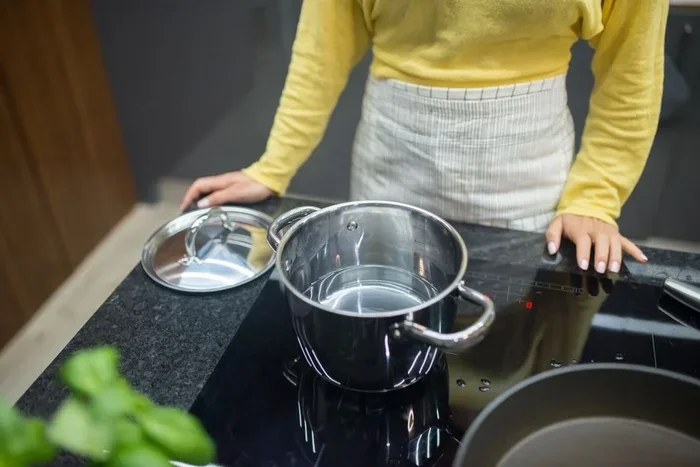
Using a Copper Chef induction cooktop is simple once you understand the basics. This guide walks you through every step, from powering on and selecting cooktop settings to choosing the right cookware and cleaning your cooktop safely. You will learn how induction cooking works, which pans work best, and how to get the most out of your kitchen appliance.
Copper Chef induction cooktops have become a popular choice for home cooks who want speed, precision, and a sleek look in the kitchen. If you just bought one or are thinking about getting one, you probably want to know exactly how to use it. The good news is that induction cooking is easier than most people think. Once you understand a few basics, you will be cooking meals in no time.
This guide covers everything you need to know about using your Copper Chef induction cooktop. We will walk you through setup, settings, compatible cookware, cooking tips, safety features, and cleaning. Whether you are a beginner or just need a refresher, this step-by-step guide has you covered.
Key Takeaways
- Induction cooking works through magnetic fields: The cooktop heats the pan directly, not the surface, making it fast and energy efficient.
- Only induction compatible cookware works: You need pans with a magnetic base, such as cast iron or certain stainless steel sets.
- Temperature control is precise: Induction cooktops offer quick heat adjustments and consistent power levels for better cooking results.
- Safety features are built in: Auto pan detection, cool-touch surfaces, and automatic shutoff keep your kitchen safe.
- Cleaning is easy and fast: Because the cooktop surface stays cool, spills wipe off without much effort.
- Setup takes minutes: Unboxing, placing on a flat surface, and plugging in are all you need to get started.
📑 Table of Contents
- What Is an Induction Cooktop and How Does It Work?
- Step-by-Step Setup for Your Copper Chef Induction Cooktop
- Understanding Cooktop Settings and Controls
- Choosing the Right Cookware for Induction Cooking
- Cooking Tips for Better Results
- Safety Features and Best Practices
- Cleaning and Maintenance Tips
- Common Mistakes to Avoid
- Expert Insights on Induction Cooking Performance
- Frequently Asked Questions
What Is an Induction Cooktop and How Does It Work?
Before you start cooking, it helps to understand how induction cooking actually works. Unlike traditional electric or gas stoves, an induction cooktop does not heat up a burner and then transfer that heat to the pan. Instead, it uses a magnetic field to heat the cookware directly. This means the cooktop surface stays relatively cool while the pan gets hot fast.
Here is how it works in simple terms:
- Electric current flows through a coil beneath the cooktop surface.
- This creates a magnetic field.
- The magnetic field interacts with the metal in your pan.
- The pan itself heats up quickly and evenly.
Because the heat comes from the pan and not the burner, induction cooking is incredibly efficient. You save energy, and your kitchen stays cooler. This is one of the biggest reasons people switch to induction cooking. The Copper Chef induction cooktop takes advantage of this technology to give you fast, responsive heating.
Step-by-Step Setup for Your Copper Chef Induction Cooktop
Setting up your new cooktop is straightforward. Follow these steps to get started the right way.
Step 1: Unbox and Inspect
Carefully remove the cooktop from its packaging. Check for any shipping damage. Look at the cooking surface and make sure it is clean and free of debris. Most Copper Chef models come with a protective film or covering. Remove this before first use.
Step 2: Choose the Right Location
Place the cooktop on a flat, stable surface. Make sure there is enough space around it for ventilation. Induction cooktops need airflow to prevent overheating. Keep it away from walls and other appliances at least a few inches.
Step 3: Plug It In
Connect the cooktop to a grounded electrical outlet. Most induction cooktops need a dedicated circuit. Check your user manual for specific voltage and amperage requirements. Do not use an extension cord, as this can cause safety issues.
Step 4: Power On and Test
Press the power button to turn on the cooktop. Most models will light up or display a welcome screen. Place a compatible pan on the burner and select a power level. The pan should heat up within seconds. This confirms everything is working correctly.
Understanding Cooktop Settings and Controls
Copper Chef induction cooktops come with several settings that let you control the cooking process. Understanding these controls is key to getting the best results.
Power Levels and Temperature Control
Most induction cooktops offer multiple power levels, usually ranging from 1 to 10 or 1 to 12. Lower numbers mean less heat, and higher numbers mean more heat. For gentle simmering, use a low power level. For boiling water or searing meat, use a high power level.
The beauty of induction is the speed of temperature control. When you turn the dial down, the heat drops almost immediately. This gives you much better control compared to traditional electric cooktops. You can adjust on the fly without waiting for the burner to cool.
Boost or Turbo Mode
Many Copper Chef models include a boost or turbo mode. This setting pushes maximum power to the burner for quick heating. Use it when you need to bring water to a boil fast or get a pan ripping hot for searing. Turn it off once you reach your desired temperature to avoid burning food.
Timer and Auto Shutoff
Built-in timers help you keep track of cooking times. Some models also feature auto shutoff, which turns the cooktop off after a set period of inactivity. This is a great safety feature, especially if you tend to get distracted while cooking.
Choosing the Right Cookware for Induction Cooking
This is where many people get stuck. Not every pan works on an induction cooktop. The cooktop relies on a magnetic field to generate heat, so your pan must be magnetic.
What Works on Induction
Here are types of cookware that are induction compatible:
- Cast iron skillets: These are naturally magnetic and work perfectly on induction. A best cast iron skillet for induction cooktop will give you excellent heat retention and even cooking.
- Stainless steel pots and pans: Many stainless steel sets are magnetic. Look for ones labeled induction compatible.
- Carbon steel pans: Lightweight and magnetic, these are great for everyday cooking.
What Does Not Work on Induction
Non-magnetic materials will not work. This includes aluminum, copper, and glass pans unless they have a magnetic disc or base built in. If a magnet sticks to the bottom of your pan, it will work on your induction cooktop.
Recommended Cookware Sets
If you are not sure which pans to buy, consider a dedicated set designed for induction. A best pots and pans set for induction cooktop saves you the guesswork. These sets are tested to work with magnetic fields and deliver great heat distribution. For everyday frying and sautéing, a best non stick frying pan for induction cooktop is a smart addition to your kitchen.
Cooking Tips for Better Results
Once you have your cooktop set up and the right pans, you are ready to cook. Here are some practical tips to improve your results.
Preheat Your Pan
Place your pan on the burner and turn on the power level before adding food. Let it heat for a minute or two. This ensures even cooking and prevents food from sticking. Preheating is especially important when you are searing meat or cooking eggs.
Use the Right Power Level for Each Task
Different cooking tasks need different heat levels. Here is a quick guide:
- Low (1-3): Simmering sauces, warming milk, melting butter.
- Medium (4-6): Sautéing vegetables, cooking eggs, making pancakes.
- Medium-High (7-8): Searing chicken, stir-frying, cooking pasta.
- High (9-10+): Boiling water, deep frying, quick searing.
Keep the Cooking Surface Clean
Wipe down the cooktop surface before and after each use. Food residue can affect how well the magnetic field transfers heat to your pan. A clean surface also helps you spot spills immediately before they bake on.
Match Pan Size to Burner Size
Induction cooktops have specific burner zones. Use a pan that fits the burner size for the best results. A small pan on a large burner wastes energy and heats unevenly. A pan that is too large for a small burner may not be detected properly by the pan sensor.
Use a Little Less Oil or Butter
Because induction heats pans so quickly and evenly, you often need less fat than you would on a traditional stove. Start with a small amount and add more if needed. This makes your meals healthier without sacrificing flavor.
Safety Features and Best Practices
Induction cooktops are generally very safe, but it is still important to follow best practices.
Auto Pan Detection
Most Copper Chef models include auto pan detection. The cooktop will not heat up unless it senses a compatible pan on the surface. This prevents accidental burns and saves energy. If your cooktop beeps or shows an error, check that your pan is the right size and is magnetic.
Cool-Touch Surface
The cooktop surface stays relatively cool during cooking because the heat goes directly into the pan. However, the pan itself will be very hot. Always use handles and trivets. Do not touch the pan or the area directly above the burner.
Ventilation Matters
Even though induction cooking produces less ambient heat, you still need proper kitchen ventilation. Use your range hood or open a window when cooking, especially when frying or searing at high temperatures.
Keep Liquids Away from Controls
Spills near the control panel can damage the electronics. Wipe up spills quickly and avoid pouring liquids directly onto the control area. If a spill does reach the controls, unplug the cooktop and let it dry completely before using it again.
Cleaning and Maintenance Tips
Keeping your Copper Chef induction cooktop clean is easy. The smooth glass or ceramic surface resists most stains, but regular care will keep it looking new.
Daily Cleaning Routine
After each use, wait for the cooktop to cool down slightly. Then wipe the surface with a damp microfiber cloth. For stuck-on food, add a small drop of mild dish soap. Avoid abrasive cleaners or steel wool, as these can scratch the surface.
Dealing with Burnt-On Residue
If food has baked onto the surface, use a cooktop-safe scraper. These are usually included with your cooktop or sold separately. Scrape gently at a low angle to remove residue without scratching. Follow up with a cloth dampened with a bit of white vinegar for a streak-free shine.
What to Avoid
- Do not use harsh chemical cleaners.
- Do not slide heavy pans across the surface, as this can cause scratches.
- Do not use paper towels that are not lint-free, as they can leave residue.
- Do not let moisture sit in the control areas for long periods.
A little regular care goes a long way. A clean cooktop performs better and lasts longer.
Common Mistakes to Avoid
Even experienced cooks can make mistakes with induction cooking. Here are a few to watch out for.
- Using non-induction cookware: This is the most common mistake. If your pan does not work on induction, the cooktop will not heat it. Always check for the induction compatible label.
- Overheating an empty pan: Never turn on a burner without a pan on it. This can damage the cooktop and waste energy.
- Ignoring the fan noise: Induction cooktops have built-in fans that may sound loud. This is normal and helps with cooling.
- Using the wrong pan size: A pan that is too small may not be detected. A pan that is too big may cause uneven heating.
- Skipping the manual: Every Copper Chef model has unique features. Reading the manual helps you understand what your specific cooktop can do.
Avoiding these simple mistakes will save you time, frustration, and potential damage to your cooktop.
Expert Insights on Induction Cooking Performance
Induction cooking has come a long way in recent years. Chefs and home cooks alike are switching to induction because of the speed and precision it offers. The Copper Chef induction cooktop delivers fast, even heat that responds almost instantly to changes in power level.
One of the biggest advantages is energy efficiency. Because the heat goes directly into the pan, very little is wasted. This means lower energy bills and a cooler kitchen. It also means better cooking performance, especially for tasks that require precise temperature control like melting chocolate or making delicate sauces.
If you are new to induction, give yourself a few uses to get comfortable with the controls. The learning curve is short, and most people find that they prefer induction cooking within the first week. Start with simple meals and gradually try more advanced techniques as you get used to the heat response.
Frequently Asked Questions
Can I use any pan on my Copper Chef induction cooktop?
No, only induction compatible pans will work. The pan must be magnetic. A simple magnet test will tell you if your pan works. If a magnet sticks to the bottom, it is good to go. Aluminum, copper, and glass pans without a magnetic base will not work.
How long does it take to heat up an induction cooktop?
Induction cooktops heat up very fast. Most models bring a pan to cooking temperature in under a minute. Boiling water typically takes about half the time it would on a traditional electric stove. This speed is one of the main benefits of induction cooking.
Is the cooktop surface safe to touch while cooking?
The surface stays relatively cool because the heat is generated in the pan itself. However, it is not completely cold. The area directly above the burner can get warm. Always use caution and do not touch the pan or the burner zone while cooking.
How do I clean my Copper Chef induction cooktop?
Wipe the surface with a damp microfiber cloth after each use. For tough stains, use a cooktop scraper and a mild cleaner. Avoid abrasive pads and harsh chemicals. Regular cleaning keeps the surface looking great and performing well.
What should I do if my cooktop shows an error code?
Error codes usually mean the cooktop has detected a problem, such as a pan that is too small or not magnetic. Remove the pan, let the cooktop cool, and try again with a compatible pan. If the error persists, consult your user manual or contact Copper Chef customer support.
Can I use a Copper Chef induction cooktop with a power strip?
It is not recommended. Induction cooktops draw a significant amount of power and should be plugged directly into a grounded wall outlet. Using a power strip can cause overheating and is a fire hazard. Always follow the manufacturer’s guidelines for electrical setup.