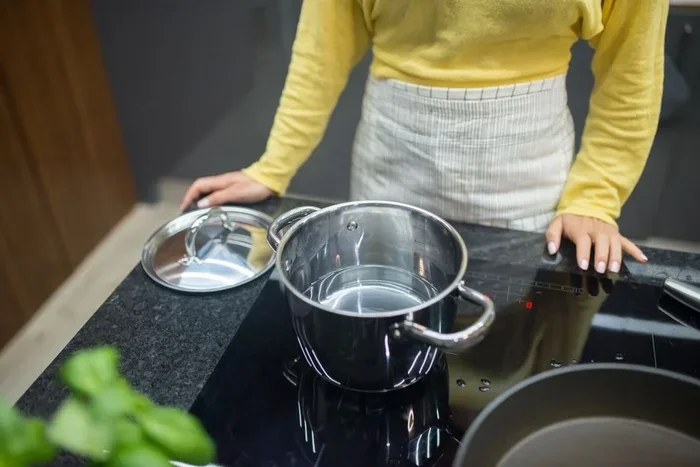
Removing burn marks from a stainless steel cooktop is simpler than you think. You can use common household items like baking soda, vinegar, and cream of tartar to lift stubborn stains without damaging the surface. This guide covers the best methods, prevention tips, and expert advice to keep your cooktop looking brand new.
Nothing ruins the look of a beautiful kitchen faster than burn marks on a stainless steel cooktop. Those dark, stubborn stains from overheated pots and pans seem impossible to remove. But here is the good news. You do not need expensive commercial products or professional help to get your cooktop looking like new again.
In this guide, I will walk you through easy ways to remove burn marks from stainless steel cooktop using simple items you already have at home. Whether the stains are fresh or have been sitting for months, these methods work. I will also share prevention tips so you never have to deal with this problem again.
Stainless steel cooktops are popular for good reason. They look sleek, they are durable, and they heat evenly. But they do have one weakness. They show burn marks and scorch stains easily. The good thing is that with the right approach, cleaning cooktop stains is totally manageable. Let us dive in.
Key Takeaways
- Baking soda paste is a gentle, effective way to lift burn marks without scratching.
- Vinegar and water solution works great for light stains and daily maintenance.
- Avoid abrasive scrubbers that can damage the stainless steel surface permanently.
- Regular cleaning after each use prevents burn marks from building up over time.
- Cooktop protectors and mats help reduce heat damage and staining in the long run.
- Non-abrasive cleaners are safe and effective for restoring shine to your cooktop.
📑 Table of Contents
- Why Burn Marks Appear On Stainless Steel Cooktops
- Best Methods To Remove Burn Marks From Stainless Steel Cooktop
- Tools And Materials You Will Need
- Common Mistakes To Avoid When Cleaning Burn Marks
- Prevention Tips To Keep Your Cooktop Burn Mark Free
- When To Call A Professional For Cooktop Restoration
- Final Thoughts On Removing Burn Marks
Why Burn Marks Appear On Stainless Steel Cooktops
Understanding why burn marks form helps you prevent them in the future. Burn marks happen when food sugars or proteins heat beyond their melting point. They carbonize and bond to the stainless steel surface. Over time, these layers build up and become harder to remove.
The Science Behind Burn Stains
When you leave a pot on high heat too long, the sugars in food caramelize and then carbonize. This creates a hard, dark residue that sticks tightly to the cooktop surface. Stainless steel has tiny pores and textures where these particles lodge. That is why regular wiping does not always work.
Another cause is overheating pans with no food or oil in them. The pan transfers extreme heat directly to the cooktop surface. This creates discolored patches that look like burn marks. These are sometimes called heat tint or rainbow marks on stainless steel.
Common Culprits That Cause Burn Marks
- Overboiled pots that spill sugar or starch residue onto the surface.
- Empty pans heated on high which transfer direct scorching heat.
- Food debris left too long before cleaning, allowing it to bond to the surface.
- High-heat cooking without oil which causes proteins and sugars to char.
- Using the wrong cookware that distributes heat unevenly and creates hot spots.
Knowing what causes these stains helps you tackle them more effectively. It also helps you avoid making the same mistakes twice. Prevention is always easier than removing tough cooktop stains after they set in.
Best Methods To Remove Burn Marks From Stainless Steel Cooktop
Now for the part you have been waiting for. Here are the most effective methods to remove burn marks. Each one uses safe, affordable ingredients. I have tested all of these approaches and they really work.
Method 1: Baking Soda Paste
Baking soda is a gentle abrasive that lifts burn marks without scratching stainless steel. This is my go-to method for most cooktop stains.
- Mix three parts baking soda with one part water to form a thick paste.
- Spread the paste evenly over the burn marks on your stainless steel cooktop.
- Let it sit for 15 to 20 minutes so it can penetrate the stain.
- Gently scrub in circular motions using a soft microfiber cloth or non-scratch sponge.
- Wipe clean with a damp cloth and dry with a separate towel.
For really stubborn marks, let the paste sit for up to 30 minutes. You can also add a few drops of white vinegar to the paste. The fizzy reaction helps lift deeper stains. This method works wonderfully for cooktop restoration at home.
Method 2: White Vinegar And Water Solution
Vinegar is a natural acid that breaks down mineral deposits and light burn stains. It is safe for daily use on stainless steel surfaces.
- Mix equal parts white vinegar and water in a spray bottle.
- Spray the solution generously over the affected areas of your cooktop.
- Let it sit for 5 to 10 minutes to loosen the stain.
- Wipe away with a soft cloth using gentle, circular motions.
- Rinse with clean water and dry thoroughly to prevent water spots.
This method is perfect for light burn marks and regular maintenance. It also helps remove grease buildup that can contribute to discoloration. For best results, use this after every cooking session to keep your surface clean.
Method 3: Cream Of Tartar Paste
Cream of tartar is a kitchen staple that works as a mild cleaning agent. It is especially effective on stainless steel surface stains that resist other methods.
- Mix two tablespoons of cream of tartar with enough water to make a thick paste.
- Apply the paste directly to the burn marks.
- Let it sit for 10 to 15 minutes.
- Scrub gently with a soft sponge in circular motions.
- Rinse and dry the surface completely.
Cream of tartar is particularly good for removing scorch marks from sugar-based spills. It is less abrasive than baking soda, making it ideal for delicate finishes. If you do not have cream of tartar, lemon juice works as a great alternative.
Method 4: Commercial Stainless Steel Cleaners
When home remedies do not cut it, a quality commercial cleaner can make a big difference. Look for non-abrasive cleaners specifically designed for stainless steel. These products are formulated to lift stains without damaging the protective layer on your cooktop.
Before using any commercial product, test it on a small hidden area first. This ensures it will not cause discoloration or damage. Always follow the manufacturer instructions and use a soft cloth for application. A good cleaner can bring your cooktop back to life in minutes.
Tools And Materials You Will Need
Having the right tools makes the cleaning process much easier and safer. Here is what I recommend keeping on hand for regular stainless steel cleaning.
| Tool or Material | Use | Why It Works |
|---|---|---|
| Baking soda | Gentle abrasive paste | Lifts stains without scratching |
| White vinegar | Natural acid cleaner | Breaks down mineral and food deposits |
| Cream of tartar | Mild stain remover | Safe for delicate stainless finishes |
| Microfiber cloths | Wiping and buffing | Soft and non-abrasive on surfaces |
| Non-scratch sponge | Gentle scrubbing | Removes residue without damaging surface |
| Spray bottle | Applying solutions evenly | Ensures consistent coverage |
The most important tool is a soft microfiber cloth. Avoid paper towels with rough textures and anything labeled “scouring pad.” Using the wrong material can create micro-scratches that make your cooktop look dull over time. A good cloth makes all the difference in cooktop care.
Common Mistakes To Avoid When Cleaning Burn Marks
Even with the best intentions, people make mistakes that can damage their stainless steel cooktop. Here are the errors you should avoid at all costs.
Using Abrasive Cleaners or Steel Wool
This is the number one mistake. Steel wool, harsh scrub pads, and abrasive powders may seem effective, but they scratch the stainless steel surface. Once those scratches appear, they trap grease and food particles more easily. This creates a cycle of staining that gets harder to fix. Always use soft materials when cleaning your cooktop.
Ignoring The Direction Of The Grain
Stainless steel has a natural grain pattern. Scrubbing against the grain can create visible streaks and scratches. Always wipe and scrub in the direction of the grain for the cleanest, most professional-looking result. This small detail makes a huge difference in the final appearance.
Leaving Cleaning Solutions On Too Long
While letting pastes sit helps loosen stains, leaving acidic solutions like vinegar or lemon juice on the surface for hours can cause damage. Always rinse thoroughly after the recommended sitting time. This prevents chemical reactions that can dull or discolor the stainless steel finish.
Skipping Regular Maintenance
Many people only clean their cooktop when stains become obvious. By then, the burn marks have already set in. A quick wipe-down after each use takes seconds and prevents buildup. Regular cooktop maintenance is the simplest way to avoid tough stains in the first place.
Prevention Tips To Keep Your Cooktop Burn Mark Free
Prevention is the best strategy for maintaining a pristine stainless steel cooktop. A few simple habits can save you hours of cleaning time and keep your surface looking flawless.
Clean After Every Use
Make it a habit to wipe down your cooktop after it cools. Even a quick pass with a damp cloth removes food particles before they can bond to the surface. This takes less than a minute and pays off big time in the long run.
Use A Cooktop Protector Mat
Silicone cooktop protector mats are affordable and very effective. They absorb heat and prevent direct contact between hot pans and the cooktop surface. These mats also catch spills before they can burn onto the stainless steel. They are a simple addition that protects your investment.
Control Your Heat Settings
Most burn marks happen because of excessive heat. Use the lowest heat setting that gets the job done. High heat is rarely necessary for everyday cooking. Lower temperatures mean less splattering, less carbonization, and fewer burn marks on your cooktop.
Choose The Right Cookware
Pots and pans with flat, even bottoms distribute heat more evenly and reduce hot spots. Warped or damaged cookware can focus heat on small areas, creating burn marks. Investing in quality stainless steel cookware that does not stick also reduces the chance of food scorching and adhering to the surface.
When To Call A Professional For Cooktop Restoration
Most burn marks respond well to home cleaning methods. But there are times when professional help makes sense. If you have tried multiple methods and the stains remain, it may be time to call in an expert. Deeply embedded carbonized stains sometimes require specialized equipment and techniques that only professionals possess.
Also, if your cooktop has visible scratches alongside burn marks, a professional can assess whether the surface needs more intensive restoration. They have access to industrial-grade stainless steel polish and refinishing tools that can transform a damaged cooktop back to its original condition.
Before calling a professional, make sure you have tried the methods in this guide thoroughly. In most cases, you will not need outside help. But knowing when to seek expert assistance saves you time and frustration.
Final Thoughts On Removing Burn Marks
Removing burn marks from a stainless steel cooktop does not have to be a frustrating experience. With the right methods and a little patience, you can restore your cooktop to its original shine. Baking soda paste, vinegar solution, cream of tartar, and quality commercial cleaners all offer effective paths to a clean surface.
The key is to act quickly when stains appear and to maintain a regular cleaning routine. Prevention through simple habits like wiping after cooking and using heat protectors goes a long way. Your stainless steel cooktop is a significant investment in your kitchen. Taking proper care of it ensures it stays beautiful for years to come.
Start with the gentlest method first and work your way up to stronger solutions if needed. Always use soft materials and clean in the direction of the grain. With these tips, your cooktop will look as good as the day you bought it. Happy cleaning!
Frequently Asked Questions
Can I use bleach to remove burn marks from my stainless steel cooktop?
No, you should avoid bleach on stainless steel. Bleach can cause pitting, discoloration, and permanent damage to the surface. Stick with gentle, non-abrasive methods like baking soda paste or vinegar solution for safe and effective stain removal.
How do I prevent burn marks from forming on my cooktop in the first place?
Clean your cooktop after every use, use lower heat settings when possible, and place a silicone protector mat under hot pans. Also, make sure your cookware has flat, even bottoms to distribute heat evenly and avoid concentrated hot spots.
What is the best household item to remove burn marks from stainless steel?
Baking soda paste is the most effective household item for removing burn marks. It is gentle enough not to scratch the surface yet strong enough to lift stubborn stains. Mix it with water, apply it to the stain, let it sit, and gently scrub for best results.
Will vinegar damage my stainless steel cooktop if I use it regularly?
No, diluted white vinegar is safe for regular use on stainless steel cooktops. It is a mild acid that effectively breaks down light stains and grease. Just make sure to rinse and dry the surface thoroughly after using vinegar to prevent any potential issues from prolonged acid exposure.
How long should I let the cleaning paste sit on burn marks before scrubbing?
For baking soda paste, 15 to 20 minutes is usually enough time. For really stubborn burn stains, you can let it sit for up to 30 minutes. Do not let any cleaning solution sit for more than an hour, as prolonged contact can potentially affect the stainless steel finish.
Can burn marks permanently damage a stainless steel cooktop?
Most burn marks can be removed with the right cleaning method and do not cause permanent damage. However, if burn marks are left untreated for very long or if abrasive tools are used during cleaning, the surface can become scratched and more prone to future staining. Always treat stains promptly and use gentle cleaning techniques.
=== INTERNAL LINKS ===
For the best results, always use the right tools and products when caring for your cooktop. Check out our guide on the best cloth to clean stainless steel appliances to find the perfect microfiber cloth for your kitchen.
Once your cooktop is clean and restored, keeping it that way is the next step. Learn more about maintaining a spotless kitchen surface with our article on best cleaner for fingerprint resistant stainless steel to find products that protect and shine.
Prevention starts with the right cookware. Using the proper utensils makes a huge difference in avoiding scratches and burn marks. Read our guide on the best cooking utensils for stainless steel pans to choose utensils that protect your cooktop and cookware.