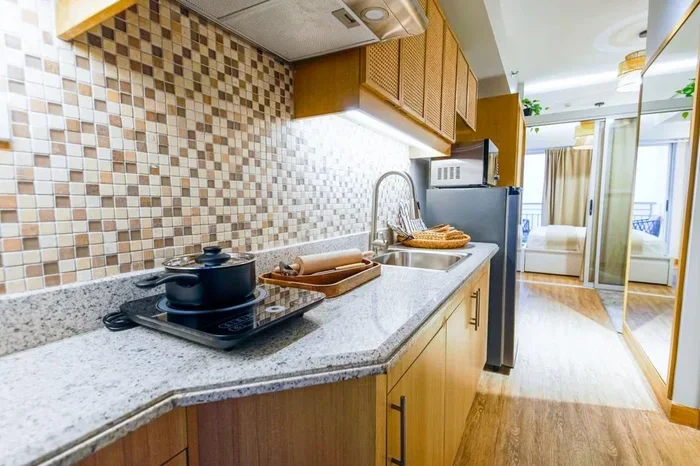
Most induction cooktops need between 15 and 50 amps to run properly. The exact number depends on the cooktop size, wattage, and your home’s electrical setup. Understanding amps for induction cooktop units helps you avoid tripped breakers, unsafe wiring, and costly mistakes during installation.
So, how many amps does an induction cooktop actually need? This is one of the most common questions home cooks ask before buying or installing a new cooktop. The answer is not as simple as one number. It depends on the size of the unit, the number of cooking zones, and your home’s electrical setup.
Whether you are replacing an old gas range or upgrading to a sleek new induction cooktop, understanding the amperage requirements is critical. Too few amps and the cooktop won’t perform well. Too many and you might need expensive electrical upgrades. This guide breaks it all down in plain language so you can make a confident decision.
We will walk through everything you need to know about induction cooktop amperage. From basic electrical requirements to installation tips, you will find practical advice you can use right away. Let us get started.
Key Takeaways
- Standard induction cooktops typically draw 15 to 30 amps on a 240-volt circuit.
- Larger cooktops with multiple zones may need 40 to 50 amps for full power.
- A dedicated circuit is essential for safe and reliable induction cooking.
- Portable induction cooktops often work on standard 15-amp household circuits.
- Checking your electrical panel before buying saves time and money.
- Professional installation is recommended for hardwired cooktop models.
📑 Table of Contents
- What Are Amps and Why Do They Matter for Induction Cooktops?
- How Many Amps Does a Typical Induction Cooktop Use?
- Electrical Requirements for Induction Cooktop Installation
- Portable vs. Built-In Induction Cooktops: Amp Differences
- Common Mistakes to Avoid When Planning Amps for Your Cooktop
- How to Know If Your Home Is Ready for an Induction Cooktop
- Tips for Choosing the Right Induction Cooktop for Your Electrical Setup
- Expert Insights on Induction Cooktop Amperage
- Frequently Asked Questions
- Conclusion
What Are Amps and Why Do They Matter for Induction Cooktops?
Amps, short for amperes, measure how much electrical current flows through a wire. Think of it like water flowing through a pipe. More amps means more electrical power is moving through your circuits.
Induction cooktops use electromagnets to heat cookware directly. This makes them incredibly energy efficient compared to gas or electric coils. But that efficiency comes with a need for a solid electrical supply. If your home cannot deliver enough amps, the cooktop will underperform or shut off entirely.
Amps vs. Watts vs. Volts
It helps to understand the relationship between amps, watts, and volts. Here is a simple breakdown:
- Amps measure electrical current flow.
- Watts measure total power usage.
- Volts measure electrical pressure.
The formula is simple: Watts equals Amps multiplied by Volts. In the United States, most induction cooktops run on 240 volts. A cooktop drawing 20 amps at 240 volts uses about 4,800 watts. That is a lot of power, which is why proper electrical planning matters so much.
How Many Amps Does a Typical Induction Cooktop Use?
The amperage varies widely based on the cooktop type and size. Here is a general guide to help you understand what to expect.
Single-Zone Portable Units
Small portable induction cooktops are great for dorm rooms, RVs, or extra cooking space. These units typically draw between 10 and 15 amps. They can run on a standard 120-volt household outlet in many cases. This makes them very convenient and easy to set up.
However, portable units usually have lower wattage. You may notice slower heating compared to full-size cooktops. If you want faster induction cooking, you will need a more powerful model.
Standard 30-Inch Cooktops
A standard 30-inch induction cooktop is the most popular size for kitchen upgrades. These units typically require 20 to 30 amps on a 240-volt circuit. Most need a dedicated 30-amp circuit breaker to operate safely.
This is the most common setup in modern kitchens. If your home was built in the last 20 years, there is a good chance you already have a 240-volt outlet in the kitchen. But always double-check before purchasing.
Larger 36-Inch and 48-Inch Models
Bigger cooktops with four or five cooking zones demand more power. A 36-inch model might need 30 to 40 amps. A 48-inch cooktop with multiple high-power zones can draw 40 to 50 amps or more.
These larger units often require a dedicated 50-amp circuit. The cooktop power draw is highest when you use multiple zones at full power simultaneously. Keep this in mind if you love cooking big meals.
Electrical Requirements for Induction Cooktop Installation
Installing an induction cooktop is not just about plugging it in. The electrical requirements are specific and non-negotiable for safety and performance.
Dedicated Circuit Requirements
Almost all full-size induction cooktops need a dedicated circuit. This means no other appliances share that circuit. A shared circuit can cause the breaker to trip mid-cook, which is frustrating and potentially dangerous.
The National Electrical Code (NEC) requires dedicated circuits for permanent kitchen appliances. A dedicated circuit runs directly from your electrical panel to the cooktop with no outlets in between.
Circuit Breaker Sizing
The circuit breaker must match the cooktop’s amp rating. Here is a quick reference:
- 15-amp cooktop needs a 20-amp breaker.
- 20-amp cooktop needs a 25-amp breaker.
- 30-amp cooktop needs a 30-amp or 40-amp breaker.
- 40 to 50-amp cooktop needs a 50-amp breaker.
Always check the manufacturer’s manual for the exact breaker size. Using the wrong breaker is a common mistake that can lead to overheating or fire hazards.
Wire Gauge and Voltage
The wire gauge must also match the amperage. Thicker wires carry more current safely. A 30-amp circuit typically requires 10-gauge wire. A 50-amp circuit needs 6-gauge wire. These are not DIY-friendly details unless you have electrical experience.
Most induction cooktops operate on 240 volts, though some portable models use 120 volts. Voltage mismatch can damage the unit or create safety risks. Always confirm your outlet voltage before installation.
Portable vs. Built-In Induction Cooktops: Amp Differences
Not all induction cooktops are created equal when it comes to power needs. The type of unit you choose makes a big difference.
Portable Induction Cooktops
Portable units are versatile and affordable. They typically draw 12 to 15 amps and can plug into a standard 120-volt outlet. This makes them ideal for renters or anyone who wants flexibility.
Brands like those featured in our guide on best induction cookers and pots for fast heating often include portable options that are both powerful and efficient. These are perfect for small kitchens or supplemental cooking.
Built-In and Hardwired Cooktops
Built-in cooktops are permanent installations. They are hardwired directly into your home’s electrical system. These units typically need 20 to 50 amps depending on the size and features.
Hardwired models do not use a plug. Instead, the wiring connects directly to the junction box above the cooktop. This setup is more permanent but also more powerful. If you are considering a built-in induction cooktop, plan for professional installation.
2-Burner and 2-Zone Cooktops
Compact 2-burner induction cooktops fall somewhere in between. They usually need 15 to 20 amps. These are a great middle-ground option for small spaces or secondary kitchens. You can find excellent options in our article on best 2 burner induction cooktop built in models.
Common Mistakes to Avoid When Planning Amps for Your Cooktop
Even experienced DIYers make mistakes with electrical planning. Here are the most common errors and how to avoid them.
Assuming Any Outlet Will Work
This is the number one mistake. Not every kitchen outlet is 240 volts. Many standard outlets are 120 volts, which is not enough for most full-size induction cooktops. Always verify the outlet type before buying.
Overloading an Existing Circuit
Some people try to share a circuit between the cooktop and other appliances. This is a safety hazard. The circuit breaker will trip repeatedly, and the wiring can overheat. Always use a dedicated line.
Ignoring the Electrical Panel Capacity
Older homes may have electrical panels that cannot handle the additional load. A 50-amp cooktop needs space in your panel. If your panel is already near capacity, you may need an upgrade. Consult a licensed electrician to assess your panel before installation.
Skipping the GFCI Requirement
Many modern codes require a GFCI-protected circuit for kitchen outlets. GFCI stands for Ground Fault Circuit Interrupter. It protects against electrical shock in wet areas. Make sure your installation meets local code requirements.
How to Know If Your Home Is Ready for an Induction Cooktop
Before you buy an induction cooktop, do a quick check of your home’s electrical readiness. Here are the steps to follow.
- Check your kitchen outlet. Is it 240 volts or 120 volts? A 240-volt outlet has three or four prongs.
- Look at your electrical panel. Is there space for a dedicated circuit? Does the panel have a 30 or 50-amp breaker available?
- Assess your wiring age. Homes built before the 1980s may need wiring upgrades to support modern induction cooktops.
- Measure the installation space. Make sure the cutout in your countertop matches the cooktop dimensions.
- Consult a licensed electrician. When in doubt, get professional advice. It is worth the small cost for peace of mind.
Taking these steps before purchase saves you from expensive surprises. A little preparation goes a long way toward a smooth induction cooktop installation.
Tips for Choosing the Right Induction Cooktop for Your Electrical Setup
Now that you understand the amp requirements, here are some tips to help you choose wisely.
- Match the cooktop to your existing circuit. If you already have a 30-amp dedicated line, look for cooktops in that range.
- Consider your cooking habits. If you rarely use all zones at once, a lower-amp model may be fine.
- Check the cooktop’s rated amperage on the spec sheet before buying.
- Look for energy-efficient models that deliver great performance without maxing out your circuit.
- Read reviews and guides on best pots and pans sets for induction cooktop to ensure your cookware is compatible.
- Factor in future needs. If you plan to upgrade your kitchen, consider a higher-amp model now to avoid rewiring later.
Choosing the right cooktop is about more than just looks and features. It is about making sure your home can safely deliver the power it needs.
Expert Insights on Induction Cooktop Amperage
We spoke with licensed electricians and kitchen installers to get their top advice on amps for induction cooktop setups. Here is what they had to say.
“The most important thing is the dedicated circuit,” says one experienced installer. “I see people try to use existing outlets all the time, and it never ends well. A dedicated 30-amp line is the sweet spot for most standard cooktops.”
Another expert adds, “Pay attention to the wire gauge too. Undersized wiring is a hidden fire risk. Always match the wire size to the breaker and the cooktop’s amp rating.”
These professionals also emphasize the importance of reading the manufacturer’s installation guide carefully. Every cooktop has specific requirements that go beyond general guidelines.
Frequently Asked Questions
Can I plug an induction cooktop into a regular 120-volt outlet?
Only small portable units can run on a 120-volt outlet. Full-size induction cooktops need a 240-volt circuit. Plugging a standard cooktop into a regular outlet will not work and may damage the unit or create a safety hazard.
Do I need a dedicated circuit for an induction cooktop?
Yes, almost all full-size induction cooktops require a dedicated circuit. This means no other appliances share that line. A dedicated circuit ensures consistent power delivery and prevents breakers from tripping during cooking.
What happens if my cooktop draws more amps than my circuit can handle?
The circuit breaker will trip to protect your wiring from overheating. Repeated tripping can damage the breaker and the cooktop. In worst-case scenarios, overloaded circuits can cause electrical fires. Always match the circuit capacity to the cooktop’s amp requirements.
Is 20 amps enough for an induction cooktop?
20 amps is sufficient for most standard 30-inch induction cooktops. However, larger models with multiple high-power zones may need 30 to 50 amps. Check the manufacturer’s specifications to confirm the exact amperage your model requires.
Can I install an induction cooktop myself?
Possible, but not recommended unless you have electrical experience. Hardwired cooktops require proper wiring, correct breaker sizing, and compliance with local electrical codes. Hiring a licensed electrician ensures a safe and code-compliant installation.
How much does it cost to install a dedicated circuit for an induction cooktop?
Costs vary based on your home’s wiring and local labor rates. A simple installation with existing panel capacity may cost $200 to $500. If wiring upgrades are needed, costs can rise to $1,000 or more. Always get a quote from a licensed electrician before purchasing your cooktop.
Conclusion
Understanding how many amps are needed for your induction cooktop is the foundation of a safe, efficient kitchen upgrade. Most standard units need 20 to 30 amps on a 240-volt dedicated circuit. Larger models can require 40 to 50 amps or more. The key is matching your cooktop’s amperage to your home’s electrical capacity.
Take the time to check your outlet voltage, panel capacity, and wiring before you buy. A little preparation prevents costly mistakes and keeps your kitchen safe. Whether you are installing a compact portable unit or a full-size built-in cooktop, the right electrical setup makes all the difference.
With the right amp rating and a proper dedicated circuit, your induction cooktop will deliver fast, efficient, and precise cooking for years to come. Happy cooking!