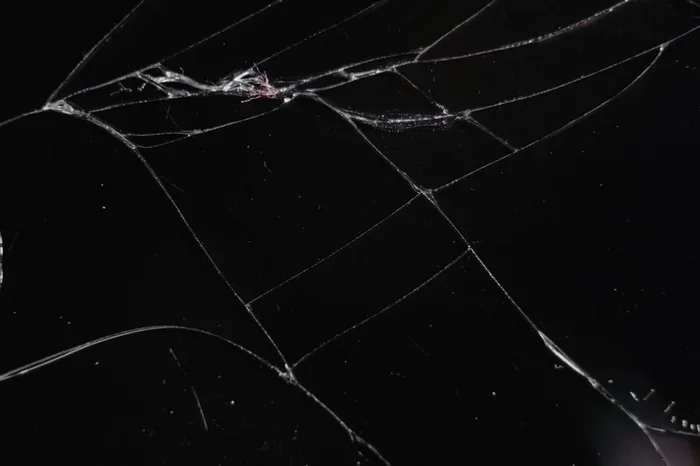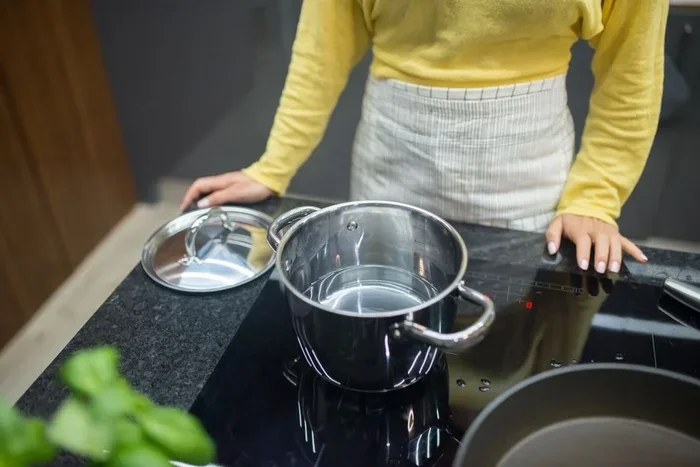
Scratches on a glass cooktop are frustrating but fixable. You can remove minor scratches using common household items like baking soda and toothpaste. Deeper scratches may need a specialized repair kit or professional help. This guide walks you through every method step by step.
Glass cooktops look sleek and modern. They heat up fast and clean up easily when everything goes right. But a single scratch can ruin the whole look. You might wonder if those marks are permanent. The good news is that most scratches on a glass cooktop can be removed or significantly reduced.
Whether you have light surface marks or deeper gouges, there is a method that works for you. This guide covers everything you need to know about how to get scratches out of glass cooktop surfaces. You will learn simple home remedies, professional-grade solutions, and tips to prevent future damage.
Before you start, it helps to understand what caused the scratch in the first place. Rough-bottomed pots, dropped utensils, and harsh cleaning tools are the usual culprits. Once you know the cause, you can pick the right fix and avoid repeating the mistake.
Key Takeaways
- Baking soda paste works well for light surface scratches on glass cooktops.
- Cerium oxide polish is the gold standard for removing deeper scratches.
- Prevention is key — using proper cookware and cleaning habits stops future damage.
- Avoid abrasive cleaners and steel wool, which make scratches worse.
- Know when to call a pro if the scratch is deep or cracks are present.
📑 Table of Contents
Understanding Glass Cooktop Scratches
Not all scratches are the same. The treatment you choose depends on the depth and severity of the damage. Let us break down the types of scratches you might see on your glass ceramic cooktop.
Surface-Level Scratches
These are the mildest form of damage. They only affect the very top layer of the glass. You can usually feel them with your fingernail. Surface scratches often come from everyday use. Tiny food particles or grit on the bottom of a pot act like sandpaper during cooking.
The good news is that surface scratches respond well to gentle polishing methods. Baking soda paste and non-abrasive cleaners can handle most of these marks. This is the easiest type of glass cooktop scratch to fix at home.
Medium-Depth Scratches
Medium scratches go beyond the surface layer. They may be visible even when the cooktop is clean. You can often feel them with a light touch. These scratches usually come from heavier cookware or metal utensils scraping across the surface.
For medium scratches, you will need a stronger approach. A cerium oxide-based polish or a dedicated cooktop scratch repair kit works best. These products are designed to level the glass surface without causing further damage.
Deep Scratches and Cracks
Deep scratches are serious. They can weaken the glass structure over time. If you run your fingernail across a deep scratch, you will feel a noticeable groove. These often result from dropping heavy items or using very rough cookware on a hot surface.
Deep scratches may not fully disappear with home treatments. In some cases, you will need a professional technician. Attempting aggressive DIY methods on deep damage can make things worse. Always assess the severity before choosing a repair approach.
How To Get Scratches Out Of Glass Cooktop: Step-by-Step Methods
Now let us get into the actual repair methods. I will walk you through each option from simplest to most advanced. Start with the mildest method and move to stronger options only if needed.
Method 1: Baking Soda Paste
This is the easiest and most affordable method. Baking soda is a gentle abrasive that polishes away surface scratches without harming the glass. Here is how to do it.
- Mix three parts baking soda with one part water to form a thick paste.
- Apply the paste directly to the scratched area.
- Rub gently in small circular motions for about two minutes.
- Wipe clean with a damp microfiber cloth.
- Repeat if needed until the scratch fades.
This method works best for light surface scratches. It is a great starting point before trying anything stronger. Many people keep baking soda in their kitchen for glass cooktop cleaning anyway, so it is a win-win.
Method 2: Toothpaste (Non-Gel)
White non-gel toothpaste contains mild abrasives similar to baking soda. It can handle slightly deeper surface scratches. Follow these steps for the best results.
- Squeeze a small amount of white toothpaste onto a soft cloth.
- Rub it over the scratch in gentle circular motions.
- Continue for about three minutes without pressing too hard.
- Rinse the area thoroughly with warm water.
- Dry with a clean microfiber towel.
Avoid gel toothpaste. It does not contain the abrasive particles needed for polishing. This trick is a quick fix when you do not have baking soda on hand.
Method 3: Cerium Oxide Polish
Cerium oxide is the go-to solution for removing scratches from glass cooktop surfaces. It is a professional-grade polishing compound used by glass experts worldwide. You can buy it online or at auto parts stores.
- Mix cerium oxide powder with water to create a smooth paste.
- Apply it to the scratched area using a soft cloth or buffing pad.
- Use a handheld drill with a polishing attachment on low speed for best results.
- Keep the motion even and avoid staying in one spot too long.
- Wipe away the residue and check your progress.
This method handles medium-depth scratches very effectively. It takes a bit more effort than baking soda, but the results are worth it. If you want a smooth cooktop surface that looks factory-new, cerium oxide is your best bet.
Method 4: Commercial Scratch Repair Kits
Pre-made cooktop scratch repair kits are designed specifically for glass cooktops. They contain polishing compounds and applicators tailored for the job. Brands like Cooktop Power and Rejuvenator are popular choices.
These kits are more expensive than DIY methods, but they are convenient and reliable. They come with clear instructions for every scratch level. If you want a foolproof approach, a repair kit is a solid investment.
What Not To Do When Fixing Scratches
Knowing what to avoid is just as important as knowing the right methods. Common mistakes can turn a minor scratch into a major problem.
Avoid Abrasive Cleaners
Steel wool, scouring pads, and harsh chemical cleaners will scratch your cooktop further. Never use anything rougher than a microfiber cloth. Even rough sponges can cause new damage. Stick to non-abrasive cleaner products designed for glass surfaces.
Do Not Use Excessive Heat
Some people suggest using a heat gun to treat scratches. This is risky. Uneven heating can cause thermal shock and crack your cooktop. Always let the surface cool completely before attempting any repair.
Skip the Vinegar Myth
Vinegar is great for general glass cooktop cleaning, but it does not remove scratches. Some online advice suggests soaking the cooktop in vinegar. This will not fix scratches and can damage the glass sealant over time. Use vinegar for routine cleaning only.
Preventing Future Scratches on Your Glass Cooktop
Once you have fixed those scratches, you want to keep your cooktop looking great. Prevention is much easier than repair. Here are some simple habits that protect your ceramic glass cooktop from future damage.
Choose the Right Cookware
The bottom of your pots and pans matters more than you think. Rough or warped bottoms scratch the glass surface every time you cook. Always use cookware with flat, smooth bases. If you are unsure about which pots and pans for glass cooktop work best, look for cookware labeled as cooktop-safe.
Avoid cast iron with rough seasoning. Stay away from pots with burrs or rough spots on the bottom. Stainless steel and enameled cookware are generally safe choices for glass surfaces.
Lift, Do Not Slide
Never slide pots or pans across the cooktop. Always lift them when moving. Sliding creates friction that grinds debris into the glass. This simple habit alone can prevent most new scratches.
Clean Before Cooking
Wipe down your cooktop before each use. Even tiny food particles can act as abrasive agents when heated. A quick wipe with a damp microfiber cloth takes seconds and makes a big difference.
Use a Cooktop Protector
Cooktop protectors are silicone mats that sit between your cookware and the glass surface. They are especially useful when cooking with rougher-bottomed pots. A protector adds a layer of defense that keeps your glass surface looking smooth.
When To Call a Professional
Not every scratch is fixable at home. Deep gouges, cracks, and damage near the edges of the cooktop are best left to professionals. A certified technician can assess the damage and recommend the right solution.
Professional repair might involve resurfacing the entire glass top. This restores a perfectly smooth finish. The cost varies depending on the damage, but it is often cheaper than replacing the entire unit. If your cooktop is under warranty, check with the manufacturer before attempting any repairs.
Also, if you notice any cracks forming around scratches, stop using the cooktop immediately. Cracks can spread and create a safety hazard. Contact a professional for advice on whether repair or replacement is the better option.
Final Thoughts
Fixing scratches on a glass cooktop is easier than most people think. You have multiple options ranging from simple baking soda paste to professional cerium oxide polishing. Start with the gentlest method and work your way up if needed.
The key is to act quickly. Fresh scratches are much easier to remove than old, settled-in ones. With the right approach and a little patience, your cooktop can look as good as new. And remember, prevention goes a long way. Use proper cookware, clean regularly, and treat your cooktop with care.
Now you have everything you need to tackle those annoying scratches. Pick your method, gather your supplies, and get started. Your smooth, scratch-free cooktop is just a little elbow grease away.
Frequently Asked Questions
Can deep scratches on a glass cooktop be completely removed?
Deep scratches are harder to fully remove but can be significantly reduced with cerium oxide polish or professional resurfacing. In some cases, the scratch may not disappear entirely, but it becomes much less visible. If the scratch is structural, a professional should assess whether repair is possible.
Is it safe to use a drill with a polishing attachment on a glass cooktop?
Yes, but only on low speed and with gentle pressure. Too much heat or force can crack the glass. Always use a soft polishing pad and keep the motion steady. Work in small sections and check your progress frequently.
How often should I clean my glass cooktop to prevent scratches?
Clean your cooktop before and after every use. Wiping it down regularly prevents food particles and grit from building up. A quick daily cleaning routine is the best way to maintain a scratch-free surface and extend the life of your cooktop.
Will a scratch repair kit work on all types of glass cooktops?
Most repair kits work on standard glass and ceramic glass cooktops. However, always check the product instructions and your cooktop manufacturer’s recommendations. Some specialty glass surfaces may require specific products or professional treatment.
What is the best cookware to use on a glass cooktop to avoid scratches?
Cookware with flat, smooth bottoms made of stainless steel, enamel, or ceramic works best. Avoid cast iron with rough bottoms and any pot with visible burrs or rough spots. Choosing the right pots and pans for glass cooktop makes a huge difference in preventing future damage.
Can I use a razor blade to clean scratches off my glass cooktop?
Razor blades are sometimes recommended for removing burnt-on residue, not scratches. Using a razor blade incorrectly can create new scratches. Stick to polishing compounds and non-abrasive methods for scratch removal. Reserve razor blade scraping only for stubborn food residue with proper technique.