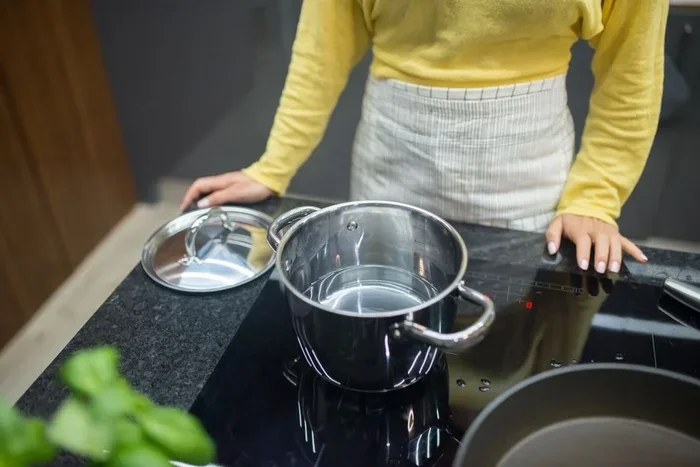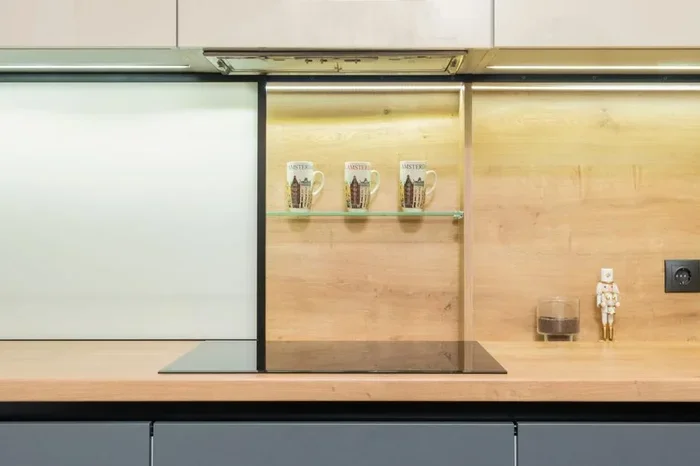
A downdraft cooktop works by pulling smoke, steam, and cooking odors downward through a ventilation system hidden beneath the cooking surface. Instead of relying on an overhead range hood, this innovative design uses built-in exhaust fans to capture grease and fumes right at the source. The result is a cleaner, more comfortable kitchen with better air quality and a sleek, minimalist look.
Key Takeaways
- Built-In Ventilation: A downdraft cooktop uses exhaust fans located beneath the cooking surface to pull smoke and steam downward.
- No Overhead Hood Needed: This design frees up kitchen space and gives you a clean, minimalist look above the cooking area.
- How It Works: Heat activates the ventilation system, which draws air through grease filters and vents it out through the floor or a duct.
- Types of Downdraft Systems: There are retractable, fixed, and convertible models, each with unique benefits for different kitchen setups.
- Proper Cookware Matters: Using the right pots and pans for glass ceramic cooktop ensures optimal performance and safety.
- Maintenance Is Key: Regular cleaning of grease filters and fans keeps your downdraft cooktop working efficiently for years.
📑 Table of Contents
- How Does A Downdraft Cooktop Work?
- Types Of Downdraft Cooktops
- How The Ventilation Process Works Step By Step
- Pros And Cons Of A Downdraft Cooktop
- Best Practices For Using A Downdraft Cooktop
- How Downdraft Cooktops Compare To Other Ventilation Options
- Common Mistakes To Avoid With Downdraft Cooktops
- Expert Insights On Downdraft Ventilation
- Final Thoughts
How Does A Downdraft Cooktop Work?
A downdraft cooktop is a cooking surface that pulls smoke, steam, and cooking odors downward instead of upward. Traditional kitchens rely on an overhead range hood to capture fumes. A downdraft system flips that approach entirely. It uses exhaust fans built right into the cooktop surface to draw air down and away from your food.
This clever design is perfect for kitchens where a traditional overhead hood just won’t work. Maybe you have low cabinets above the stove. Or perhaps you prefer an open, airy kitchen layout without a bulky hood hanging over your head. Whatever the reason, a downdraft ventilation system offers a practical and stylish solution.
The basic idea is simple. When you turn on a burner, heat and steam rise from the pot or pan. The downdraft system catches that rising air and pulls it down through a channel hidden inside the cooktop. From there, the air travels through filters and exits the kitchen through a duct in the floor or wall.
The Core Components Of A Downdraft System
Every downdraft cooktop has several key parts working together. Understanding these parts helps you appreciate how the whole system operates.
- Exhaust Fan: This is the motor that creates suction. It sits beneath the cooking surface and pulls air downward.
- Grease Filters: These catch grease particles and prevent them from entering your ductwork. Most are made of aluminum or stainless steel and are dishwasher-safe.
- Vent Channel: This is the hidden pathway inside the cooktop where air travels from the surface to the exhaust fan.
- Duct or Vent Outlet: This is where the cleaned air exits your kitchen. It connects to a duct that leads outside or recirculates air through a carbon filter.
- Control Panel: This lets you adjust fan speed and turn the ventilation system on or off.
All of these parts work together seamlessly. When you start cooking, the heat triggers the system. The fan activates and draws air through the cooking surface. The grease filters trap particles, and the clean air exits through the duct. It is a continuous cycle that keeps your kitchen air fresh.
Types Of Downdraft Cooktops
Not all downdraft cooktops are the same. Manufacturers offer several different styles, each with its own advantages. Let us look at the most common types you will find on the market today.
Retractable Downdraft Cooktops
A retractable model has a cooking surface that slides down or pops up when you need it. When the downdraft system is off, the surface sits flush with your countertop. This gives you a sleek, seamless look. When you turn on a burner, the surface lowers automatically or manually to activate the ventilation.
These are popular in modern kitchens where aesthetics matter. They keep the cooking area hidden when not in use. However, they tend to cost more than fixed models. The moving parts also mean more potential maintenance over time.
Fixed Downdraft Cooktops
A fixed downdraft cooktop stays in one position at all times. The ventilation system is built into the surface permanently. You cannot lower or raise it. These models are simpler and often more affordable than retractable versions.
The trade-off is that the ventilation channel is always visible on the cooktop surface. Some people find this less attractive. But fixed models tend to be very reliable and require less maintenance because they have fewer moving parts.
Convertible Downdraft Cooktops
A convertible model gives you the best of both worlds. You can use it as a downdraft system or connect it to an overhead range hood. This flexibility is great for kitchens with changing needs. Some convertible models even work as a standalone downdraft or pair with an external hood for extra ventilation power.
If you are not sure which style you want, a convertible option is worth considering. It gives you room to experiment and adjust as your cooking habits evolve.
How The Ventilation Process Works Step By Step
Let us walk through exactly what happens when you cook on a downdraft cooktop. Understanding the step-by-step process makes it easy to see why this system is so effective.
- You Turn On the Burner: Heat starts building on the cooking surface. Steam and smoke begin to rise from your pot or pan.
- The System Detects Heat: Many downdraft models have sensors that detect when the cooktop is hot. This triggers the ventilation system automatically.
- The Fan Activates: The exhaust fan beneath the surface starts pulling air downward. The faster the fan runs, the stronger the suction.
- Air Passes Through Filters: As the air moves down, it passes through grease filters. These filters trap grease particles and keep them out of your ductwork.
- Air Exits Through the Duct: The cleaned air travels through a duct and exits your kitchen through the floor or wall. In recirculating models, the air passes through a carbon filter before returning to the room.
This entire process happens in seconds. You may not even notice it is working, which is exactly the point. The system operates quietly and efficiently in the background while you focus on cooking.
What About Airflow And Suction Power?
The effectiveness of a downdraft ventilation system depends on airflow and suction power. Measured in cubic feet per minute (CFM), this number tells you how much air the system can move. Higher CFM means stronger smoke and steam removal.
For most home cooks, a downdraft system with 400 to 600 CFM works well. If you do a lot of high-heat cooking like stir-frying or searing, you may want a model with 700 CFM or more. Keep in mind that downdraft systems generally have less suction power than overhead hoods. This is because the distance between the cooking surface and the fan is shorter, which limits the draw.
Pros And Cons Of A Downdraft Cooktop
Every cooking surface has strengths and weaknesses. A downdraft cooktop is no different. Let us look at the biggest advantages and disadvantages so you can make an informed decision.
Advantages
- Sleek Design: Without a bulky overhead hood, your kitchen looks clean and modern. This is a huge plus for open-concept layouts.
- Space-Saving: Downdraft systems free up vertical space above your cooktop. This is perfect for kitchens with low ceilings or tight layouts.
- Effective Smoke Removal: Because the fan is close to the cooking surface, it captures smoke and steam quickly.
- Flexible Installation: You can install a downdraft cooktop in an island or peninsula where a traditional hood is not practical.
- Better Kitchen Air Quality: By removing fumes at the source, downdraft systems help keep your kitchen air clean and fresh.
Disadvantages
- Lower Suction Power: Most downdraft systems cannot match the power of a large overhead range hood.
- Cleaning Challenges: The filters and internal channels can be tricky to clean. Grease buildup is a common issue.
- Higher Cost: Downdraft cooktops often cost more than standard cooktops without built-in ventilation.
- Limited Duct Options: Venting through the floor or wall may require custom installation, which adds to the cost.
- Noise: Some models can be noisy when the fan runs at high speed, though newer models are much quieter.
Best Practices For Using A Downdraft Cooktop
Getting the most out of your downdraft cooktop comes down to how you use and maintain it. Follow these practical tips to keep your system running smoothly.
Use The Right Cookware
The type of cookware you use matters more than you might think. Flat-bottomed pots and pans work best because they make full contact with the cooking surface. This ensures even heating and helps the downdraft system capture steam more effectively. Avoid warped or uneven pans, as they create gaps that let smoke escape.
If you have an induction-compatible kitchen, consider investing in high-quality non-stick cookware for induction cooktop. These pans heat evenly and make cleanup a breeze, which pairs well with the smooth surface of a downdraft system.
Clean Your Filters Regularly
Grease filters collect particles every time you cook. Over time, this buildup reduces airflow and makes your system less effective. Most grease filters are dishwasher-safe, so you can clean them easily. Aim to clean them at least once a month if you cook frequently.
For recirculating models, carbon filters need replacement every few months. Check your manufacturer’s guidelines for the recommended schedule. Keeping your filters clean is the single best thing you can do to maintain strong ventilation performance.
Turn On the System Before Cooking
Many people wait until they see smoke before turning on the downdraft fan. This is a mistake. The best practice is to turn on the ventilation system a few minutes before you start cooking. This preps the system and ensures it is ready to capture fumes from the moment heat rises.
Match Fan Speed To Your Cooking
Not every cooking task produces the same amount of smoke. Use low fan speeds for gentle simmering and low-heat cooking. Switch to high speeds when you are searing, stir-frying, or boiling large amounts of water. Matching the fan speed to your cooking method saves energy and keeps your kitchen comfortable.
Ensure Proper Duct Installation
The duct that carries air out of your kitchen plays a big role in performance. Use the shortest, straightest duct path possible. Avoid too many bends, as they reduce airflow. A well-installed duct makes a noticeable difference in how well your downdraft ventilation system works.
How Downdraft Cooktops Compare To Other Ventilation Options
It helps to compare a downdraft cooktop with other kitchen ventilation options. This gives you a clearer picture of where it stands.
| Feature | Downdraft Cooktop | Overhead Range Hood | Portable Dishwasher |
|---|---|---|---|
| Ventilation Power | Moderate | High | N/A |
| Installation Flexibility | High (islands, peninsulas) | Requires ceiling clearance | Requires floor access |
| Design Impact | Minimal, sleek | Bulky overhead unit | Compact and portable |
| Cost | Moderate to High | Low to High | Low to Moderate |
| Maintenance | Moderate | Moderate | Low |
As you can see, a downdraft cooktop offers a unique balance of style and function. It may not match the raw power of a large overhead hood, but it wins on design flexibility and modern aesthetics. For kitchens where a traditional hood is not an option, a downdraft system is often the best alternative.
Common Mistakes To Avoid With Downdraft Cooktops
Even the best downdraft ventilation system can underperform if you make certain mistakes. Here are the most common errors and how to avoid them.
- Skipping Filter Maintenance: Dirty filters reduce airflow and let grease build up inside the duct. Clean or replace them on schedule.
- Using the Wrong Fan Speed: Running the fan on low for high-heat cooking means smoke escapes before the system can capture it.
- Overlooking Duct Size: A duct that is too narrow restricts airflow. Make sure your duct size matches the manufacturer’s recommendation.
- Ignoring Recirculating Limitations: Recirculating models filter air and send it back into the kitchen. They are less effective than ducted models. If possible, always choose ducted installation.
- Cooking With Lids Off Excessively: Leaving pots uncovered produces more steam and smoke. Use lids when appropriate to reduce the load on your ventilation system.
Expert Insights On Downdraft Ventilation
Kitchen designers and appliance experts agree that downdraft cooktops have come a long way in recent years. Modern models are quieter, more powerful, and more efficient than older versions. The technology behind the exhaust fan and airflow systems has improved significantly.
One thing experts emphasize is the importance of proper installation. A downdraft cooktop is only as good as the ductwork connected to it. If the duct has leaks, bends, or is too long, the system loses much of its effectiveness. Always hire a professional for the duct installation if you are not confident in your DIY skills.
Another expert tip is to pair your downdraft cooktop with the right pots and pans set for induction cooktop if your cooktop supports induction. The right cookware improves cooking efficiency and reduces the amount of smoke and steam your system needs to handle.
Final Thoughts
A downdraft cooktop is a smart choice for any kitchen that needs effective ventilation without the bulk of an overhead hood. Its built-in exhaust system pulls smoke, steam, and grease downward through a hidden channel, keeping your kitchen air clean and fresh. The system is straightforward, efficient, and works well for most home cooking tasks.
While downdraft systems have some limitations compared to traditional range hoods, their benefits in design flexibility and space-saving are hard to beat. They work beautifully in islands, peninsulas, and kitchens with tight overhead clearance. With proper use and regular maintenance, a downdraft cooktop will serve you well for many years.
If you are considering a new cooktop and want a clean, modern look with built-in ventilation, a downdraft cooktop deserves a serious look. Just remember to choose the right type for your kitchen, maintain your filters, and always use proper duct installation. Your kitchen and your cooking experience will be better for it.
Frequently Asked Questions
How does a downdraft cooktop pull smoke downward?
A downdraft cooktop uses an exhaust fan built beneath the cooking surface. When you turn on a burner, the fan activates and creates suction that pulls smoke and steam downward through a hidden vent channel inside the cooktop. The air then passes through grease filters and exits through a duct in the floor or wall.
Is a downdraft cooktop as effective as an overhead range hood?
Downdraft cooktops are generally less powerful than large overhead range hoods. They work well for everyday cooking like simmering, boiling, and sautéing. However, for very high-heat cooking like wok stir-frying, an overhead hood may perform better. The effectiveness also depends on proper duct installation and regular filter maintenance.
Can I install a downdraft cooktop in a kitchen island?
Yes, downdraft cooktops are ideal for kitchen islands and peninsulas where a traditional overhead hood is not practical. The built-in ventilation system eliminates the need for ceiling-mounted hoods, giving you a clean, open look above your cooking surface. Just make sure your kitchen layout allows for proper duct routing to the floor or wall.
How often should I clean the grease filters on my downdraft cooktop?
You should clean your grease filters at least once a month if you cook frequently. Most aluminum and stainless steel filters are dishwasher-safe, making cleanup easy. If you notice reduced airflow or lingering cooking odors, it is a sign that your filters need cleaning or replacement. For recirculating models, carbon filters should be replaced every three to six months.
What is the difference between ducted and recirculating downdraft systems?
A ducted downdraft system vents air outside your kitchen through a duct in the floor or wall. This is the most effective option because it removes smoke, grease, and odors completely. A recirculating system filters the air through carbon filters and sends it back into the kitchen. Recirculating models are easier to install but less effective at removing airborne grease and odors.
Do downdraft cooktops work with all types of cookware?
Downdraft cooktops work best with flat-bottomed pots and pans that make full contact with the cooking surface. Warped or uneven pans can let steam escape before the system captures it. For the best results, use high-quality cookware that matches your cooktop type. Check out our guide on the best rated pots and pans for glass cooktop for recommendations that work well with downdraft systems.
=== INTERNAL LINKS ===
For more information on downdraft cooking surfaces, check out our guide on the best 30 electric downdraft cooktop with 4 elements to find the perfect model for your kitchen.
Looking for the right pots and pans to pair with your new cooktop? Our article on best pots and pans for glass ceramic cooktop has everything you need to know.
Want to make the most of your induction-compatible downdraft cooktop? Learn about the best non-stick cookware for induction cooktop in our detailed guide.