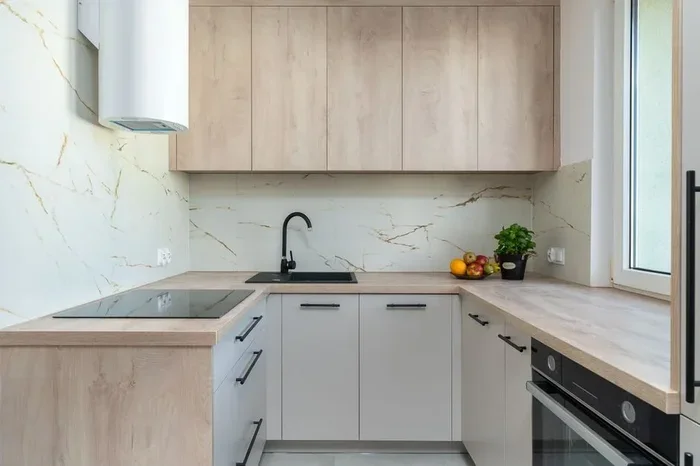
An induction cooktop uses between 1,200 and 3,700 watts per hour, making it one of the most energy-efficient cooking methods available. Most households spend just $10 to $20 per month running an induction cooktop daily. Understanding your induction cooktop energy consumption helps you cook smarter and lower your electricity bills.
Cooking at home should not cost you a fortune in electricity. If you have been wondering how much energy an induction cooktop uses, you are in the right place. This guide breaks down the numbers in a way that is easy to understand. You will learn about daily energy use, hourly costs, and simple ways to save money every time you turn on your cooktop.
Induction cooking has grown in popularity because it heats food faster and more evenly than traditional methods. But many people still worry about the electricity bill. The good news is that induction cooktops are remarkably efficient. In fact, they waste far less energy than gas or electric coil cooktops. Let us dive into the details so you can cook with confidence and keep your energy costs low.
Key Takeaways
- Induction cooktops use less energy than gas and electric cooktops because they heat the cookware directly through electromagnetic energy.
- Average daily energy use ranges from 1.2 to 3.7 kWh, depending on the burner size and cooking duration.
- Monthly electricity costs typically stay between $10 and $20 for regular home cooking with an induction cooktop.
- Using the right cookware like best pots and pans set for induction cooktop boosts efficiency even further.
- Simple habits like covering pots and using the right burner size can cut your energy use by up to 30%.
- Induction cooking is faster than traditional methods, which means less total energy spent in the kitchen.
- Upgrading to induction is a smart move for both your wallet and the environment.
📑 Table of Contents
How Induction Cooktops Use Energy
Understanding how an induction cooktop uses energy starts with the technology behind it. Unlike gas burners that heat the air around a pot, or electric coils that warm a smooth surface first, induction cooktops use magnetic fields to heat the cookware directly. This is the key reason they are so energy efficient.
Here is how the process works in simple terms:
- Electricity flows through a coil under the glass surface.
- This creates a magnetic field that interacts with your cookware.
- The cookware itself heats up, not the cooktop surface.
- Heat transfers directly to your food with very little waste.
Because the heat goes straight to the pot or pan, induction cooktop power consumption is much lower than other cooking methods. Less wasted energy means lower bills and a cooler kitchen. You also get faster heating times, which adds to the efficiency. Most induction models reach cooking temperature in half the time a gas burner needs.
Wattage and Power Ratings Explained
Every induction cooktop has a wattage rating that tells you how much power it draws. Small burners typically use 1,200 to 1,800 watts, while larger burners can go up to 3,700 watts or more. The wattage you use depends on what you are cooking and the size of your pot.
Here is a simple breakdown of common wattage levels:
- Low setting (1,200W): Ideal for simmering sauces or keeping food warm.
- Medium setting (1,800W): Great for frying eggs or sautéing vegetables.
- High setting (2,400W to 3,700W): Perfect for boiling water or searing meat.
Knowing your induction cooktop wattage helps you estimate daily energy use. A higher wattage does not always mean higher bills. Because induction heats so fast, you often spend less time cooking, which balances things out.
Daily Energy Consumption Breakdown
So how much energy does an induction cooktop actually use in a day? The answer depends on how often you cook and for how long. Let us look at real-world scenarios to make this clear.
If you cook for about one hour per day using a mix of low, medium, and high settings, your average daily energy use will fall somewhere in the middle. Here are some typical examples:
- Light cooking (30 minutes): Around 0.6 to 1.2 kWh per day.
- Average cooking (1 hour): Around 1.5 to 2.5 kWh per day.
- Heavy cooking (2+ hours): Around 2.5 to 4.0 kWh per day.
Over a month, this adds up to roughly 45 to 120 kWh. At an average electricity rate of $0.13 per kWh, that works out to about $6 to $15 per month. Compare that to a gas stove, and the numbers are often similar or even lower for induction. The real savings come from the speed and precision of cooking, which reduces overall energy waste.
Hourly Energy Cost of Each Burner
Want to know exactly what each hour of cooking costs? Here is a quick look at the hourly cost based on average US electricity rates:
- Small burner (1,200W): About $0.16 per hour.
- Medium burner (1,800W): About $0.23 per hour.
- Large burner (3,000W): About $0.39 per hour.
These numbers are surprisingly low. Even if you cook for several hours a day, your induction cooktop electricity usage will stay well within a reasonable budget. The key is to use the right burner size for your pot and to avoid leaving the cooktop on longer than needed.
Induction vs Gas vs Electric: Energy Comparison
Many homeowners want to know how induction stacks up against other cooking options. The comparison is straightforward and the results are impressive for induction.
Energy Efficiency Rates
Here is a side-by-side look at how different cooktop types convert energy into heat for your food:
- Induction cooktop: About 85-90% energy efficiency. The magnetic field heats the pot directly with very little loss.
- Electric coil cooktop: About 70-75% efficiency. Heat must travel from the coil to the pot through the glass surface.
- Gas burner: About 35-40% efficiency. A lot of heat escapes into the surrounding air.
These numbers tell a clear story. Induction cooking uses significantly less energy than both gas and electric alternatives. You get more heat where it matters: in your food. Less energy wasted means lower bills and a smaller carbon footprint.
If you are still using an older electric cooktop, upgrading to induction technology can cut your cooking energy use by nearly half. Even compared to gas, which many cooks love, induction offers better efficiency without sacrificing performance. For those who want to explore cooktop options further, check out our guide on best 2 burner induction cooktop built in options that combine efficiency with convenience.
Factors That Affect Energy Use
Not all induction cooking sessions use the same amount of energy. Several factors play a role in determining your daily electricity consumption. Understanding these factors helps you make smarter choices in the kitchen.
Cookware Size and Material
The pots and pans you use matter a lot. Induction cooktops work best with flat-bottomed cookware made of magnetic materials like cast iron or certain stainless steels. If your pot is too small for the burner, energy gets wasted. If the pot wobbles or does not sit flat, the magnetic connection weakens and heating slows down.
Here are some quick tips for choosing the right cookware:
- Always match the pot size to the burner size.
- Use flat-bottomed pans for full contact with the surface.
- Check that your cookware is induction-compatible before buying.
- Consider best non-stick cookware for induction cooktop for easy food release and efficient heating.
Using the right cookware can improve your cooktop’s efficiency by 20% or more. It is one of the simplest ways to reduce daily energy use without changing your cooking habits.
Cooking Duration and Temperature Settings
How long you cook and at what heat level directly impacts energy use. Longer cooking times mean more electricity consumed, but the good news is that induction cooktops heat up so fast that you spend less time overall. A dish that takes 20 minutes on gas might take only 10 minutes on induction.
Using lower heat settings also helps. Simmering on a low setting uses far less power than boiling on high. Planning your meals and using residual heat after turning off the burner are both great strategies. Turning off the cooktop a minute or two early lets the remaining heat finish the job.
Cooktop Age and Model Efficiency
Not all induction cooktops are created equal. Newer models tend to be more energy-efficient than older ones. Manufacturers keep improving the technology, adding better sensors and more precise controls. A modern induction cooktop may use 10-20% less energy than a model from five years ago.
If you are shopping for a new unit, look for models with energy-saving features like auto-sizing burners, temperature probes, and power boost settings. These features help you use just the right amount of energy for each task. You can also explore options like the best double burner griddle for induction cooktop for versatile, efficient cooking across multiple dishes.
Tips to Reduce Daily Energy Use
Saving energy on your induction cooktop is easier than you might think. A few small changes in how you cook can make a big difference over time. Here are practical tips you can start using today.
Use the Right Burner Size
This is the single most important tip. Always match your pot to the burner size. Using a large burner for a small pot wastes a lot of energy. Most induction cooktops have auto-sizing burners that adjust to the pot diameter, but you still need to place the pot correctly in the center of the zone.
Keep Your Cooktop Clean
A clean cooktop surface helps the magnetic field work efficiently. Food residue and spills can create a barrier between the burner and your pot. Wipe down the surface after each use with a damp cloth. This small habit keeps your cooktop running at peak performance.
Cover Your Pots and Pans
Putting a lid on your pot traps heat and speeds up cooking. Food boils faster and at a lower energy cost when covered. This simple habit can reduce your cooking time by 25-30%, which directly lowers energy use.
Plan Your Cooking Sessions
Batch cooking is a great way to save energy. Cooking multiple dishes in one session uses less total electricity than cooking them separately throughout the day. Use residual heat from the cooktop and your cookware to finish dishes or keep food warm after turning off the burner.
Maintain Your Cooktop
Regular maintenance keeps your induction cooktop running efficiently. Check the power cord and plug for any damage. Make sure the ventilation vents are not blocked. If your cooktop starts heating unevenly, it might be time for a professional check. Proper care extends the life of your appliance and keeps energy use in check.
For more ideas on getting the most out of your kitchen setup, you might also enjoy our guide on best induction cookers and pots for fast heating, which covers top-performing options that maximize energy savings.
How to Measure Your Cooktop’s Energy Use
Want to know exactly how much energy your induction cooktop uses? You can measure it yourself with a few simple tools. This takes the guesswork out of the equation and helps you track your savings over time.
The easiest way is to use a watt meter or a smart plug with energy monitoring. These devices plug between your cooktop and the wall outlet and display real-time power use. You can see exactly how many watts your cooktop draws at each setting and calculate your daily and monthly costs.
Here is a simple method to estimate daily energy use:
- Note the wattage of each burner on your cooktop.
- Track how many minutes you use each burner per day.
- Multiply the wattage by the hours used for each burner.
- Add up the total kilowatt-hours (kWh) for the day.
- Multiply by your electricity rate per kWh to get the daily cost.
For example, if you use a 2,400W burner for 15 minutes, that is 2,400 x 0.25 = 600 watt-hours, or 0.6 kWh. At $0.13 per kWh, that costs about $0.08. Over a month of daily use, that single burner adds up to about $2.40. The numbers are encouraging and show just how affordable induction cooking can be.
Understanding your induction cooktop energy consumption empowers you to make informed decisions. You can adjust your cooking habits, choose the right settings, and track your progress toward lower energy bills.
Does an Induction Cooktop Increase Your Electricity Bill?
This is one of the most common questions homeowners ask before switching to induction. The short answer is: it depends on your current cooking setup and habits.
If you are coming from a gas stove, your electricity bill will go up slightly because you are now using electricity instead of gas. However, because induction is so efficient, the increase is usually small. Most households see an increase of $10 to $25 per month when switching from gas to induction. That is still very affordable, and you get the added benefit of a cleaner, safer kitchen.
If you are coming from an electric coil cooktop, the switch to induction will likely lower your electricity bill. Induction uses less total energy to cook the same food, so you save money even though you are still on electricity. Over a year, these savings can add up to $100 or more.
The bottom line is that induction cooking is cost-effective for most households. The initial investment in an induction cooktop pays for itself through lower energy bills over time. Plus, you get faster cooking times, better temperature control, and a cooler kitchen environment. All of these benefits make induction a smart choice for everyday cooking.
For those looking to optimize their entire kitchen setup, consider pairing your induction cooktop with the best pots and pans set for induction cooktop to ensure maximum energy efficiency and cooking performance.
Conclusion
Induction cooktops are one of the most energy-efficient ways to cook at home. They use less electricity than gas or traditional electric cooktops, they heat up faster, and they give you precise control over your cooking. The average daily energy use of 1.5 to 2.5 kWh is modest and translates to affordable monthly costs. By following the tips in this guide, you can reduce your energy use even further and enjoy the full benefits of induction cooking.
Switching to or sticking with induction cooking is a smart move for your wallet and the planet. The technology works, the numbers add up, and the results speak for themselves. Start applying these energy-saving tips today and feel confident that your kitchen is running as efficiently as possible.
Frequently Asked Questions
How much electricity does an induction cooktop use per hour?
Most induction cooktops use between 1,200 and 3,700 watts per hour depending on the setting and burner size. A medium-sized burner at high heat typically draws around 2,400 watts, which costs about $0.31 per hour at average electricity rates.
Is an induction cooktop cheaper to run than gas?
Yes, in most cases induction cooktops are cheaper to run than gas. Induction is 85-90% energy efficient compared to gas at 35-40%. This means less wasted energy and lower overall cooking costs, even though you are using electricity instead of gas.
Can I reduce my induction cooktop energy use?
Absolutely. You can reduce energy use by matching pot size to burner size, covering pots while cooking, using lower heat settings when possible, and turning off the cooktop a few minutes early to use residual heat.
Does the type of cookware affect energy use on an induction cooktop?
Yes, it does. Flat-bottomed magnetic cookware like cast iron or induction-compatible stainless steel heats most efficiently. Warped or non-magnetic pots force the cooktop to work harder and use more energy to achieve the same results.
How can I measure my induction cooktop’s daily energy use?
You can use a watt meter or smart plug that monitors energy consumption. Plug it between your cooktop and the outlet, and it will display real-time wattage and total kWh used. This helps you track and optimize your daily energy consumption.
Will switching from electric coil to induction lower my bill?
Yes, switching from electric coil to induction will likely lower your electricity bill. Induction cooktops use 20-30% less energy than electric coil models because they heat the cookware directly rather than warming the surface first.