Scratches on a glass cooktop are frustrating but fixable. You can remove minor scratches using household items like baking soda and white vinegar. For deeper scratches, specialized scratch removal kits and professional polishing deliver lasting results. This guide covers every method so your cooktop looks brand new again.
A glass cooktop looks sleek and modern in any kitchen. But over time, scratches start to show up and ruin that smooth, clean look. You might notice them when light hits the surface at certain angles or when food sticks more than it used to.
The good news is that you do not need to replace your entire cooktop just because of a few scratches. Most scratches can be removed with simple household items or affordable products you already have at home. Even deeper scratches respond well to the right technique.
In this guide, I will walk you through every method that works. You will learn how to identify scratch depth, which removal techniques to use, and how to prevent new scratches from forming. Whether you have a glass ceramic cooktop or an electric glass stove, this guide covers you.
Let us get your cooktop looking smooth and shiny again. No expensive repairs needed.
Key Takeaways
- Baking soda paste is the easiest and most affordable way to buff out light scratches on a glass cooktop.
- Cerium oxide powder is the gold standard for removing deeper scratches and restoring a smooth surface.
- Prevention is key — using the right cookware and proper cleaning habits stops scratches before they start.
- Avoid steel wool and harsh abrasives because they make scratches worse and damage the glass finish.
- Professional repair is worth considering for very deep gouges that home methods cannot fix.
- Regular maintenance with gentle cleaners keeps your glass cooktop looking great between deep cleanings.
📑 Table of Contents
Understanding Glass Cooktop Scratches
What Causes Scratches on a Glass Cooktop
Scratches happen for a few common reasons. Understanding the cause helps you choose the right fix and prevent future damage.
- Rough cookware bottoms — Pots and pans with gritty or uneven surfaces drag across the glass and leave marks.
- Food debris — Burnt-on food acts like sandpaper when you wipe it across the surface during cleaning.
- Metal utensils — Dropping metal spoons or forks on the cooktop creates visible gouges.
- Abrasive cleaners — Using harsh scrubbers or powder cleaners meant for other surfaces damages the glass.
- Improper sliding — Sliding pots across the surface instead of lifting them causes friction scratches.
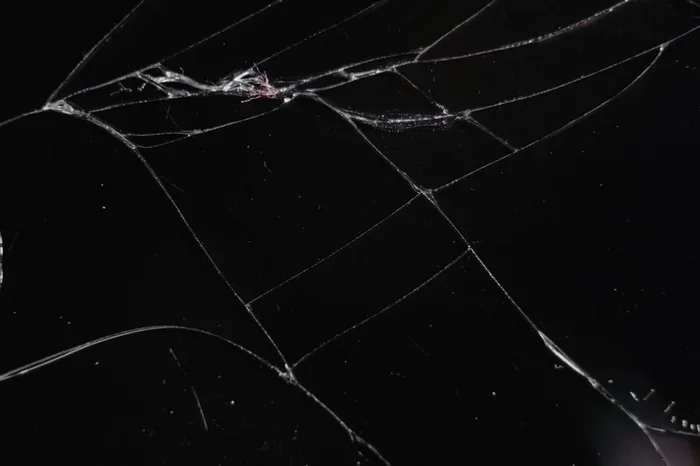
Most scratches fall into two categories: surface-level marks and deeper gouges. Surface scratches look like faint lines and feel smooth to the touch. Deeper scratches are visible from the side and may feel rough or catch your fingernail.
The type of scratch determines which removal method works best. Let us move on to the fixes.
How To Remove Light Scratches From a Glass Cooktop
Method 1: Baking Soda Paste
This is the simplest and most accessible method for removing light scratches. You probably already have baking soda in your kitchen.
Here is what you need to do:
- Mix three parts baking soda with one part water to form a thick paste.
- Apply the paste directly to the scratched area.
- Rub gently in small circular motions for about two minutes.
- Wipe clean with a damp microfiber cloth.
- Repeat if the scratch is still visible.
The mild abrasion in baking soda buffs out surface marks without damaging the glass underneath. This works great for everyday wear and light scuff marks.
Method 2: White Vinegar and Water Solution
For very faint scratches, a simple vinegar solution can help. Mix equal parts white vinegar and water in a spray bottle. Spray the area and let it sit for five minutes. Wipe with a soft cloth in gentle circles. This method works best on shallow marks and also cleans the surface at the same time.
After treatment, always dry the cooktop thoroughly. Water spots can dull the glass and make scratches more noticeable.
Removing Deeper Scratches From a Glass Cooktop
Method 3: Cerium Oxide Polish
Cerium oxide is the go-to material for deeper glass scratch removal. It is used by professionals and works incredibly well on glass cooktops. You can buy it online or at auto parts stores.
Here is the process:
- Mix cerium oxide powder with water until it forms a thick paste.
- Apply the paste to the scratched area.
- Use a soft cloth or a small buffing pad and rub in steady circular motions.
- Apply light pressure and keep going for three to five minutes.
- Wipe away the paste with a clean damp cloth.
- Inspect the area and repeat if needed.
Cerium oxide is gentle enough not to damage the glass but strong enough to level out deeper scratches. This is the same material used to polish optical glass and telescope lenses, so you know it works well on smooth surfaces.
Method 4: Scratch Removal Kits
Scratch removal kits designed for glass cooktops are available at most home improvement stores. These kits include polishing compounds and applicator pads specifically formulated for glass surfaces. They are easy to use and follow clear instructions.
Some popular kits also include a UV light that helps you see remaining scratches during the process. This makes it easier to know when you have achieved a smooth finish.
Look for kits that are non-toxic and safe for food-contact surfaces. You do not want chemical residue left behind on your cooking area.
What To Avoid When Fixing Cooktop Scratches
Common Mistakes That Make Scratches Worse
There are several things that people do that end up making the problem worse. Avoid these at all costs.
- Never use steel wool or metal scrubbers. These create new scratches and deepen existing ones. Your cooktop will look worse than before.
- Do not use abrasive powders. Comet or scouring powders that work on stainless steel will damage glass surfaces.
- Avoid excessive pressure. Pressing too hard generates heat and can crack the glass or spread the scratch.
- Skip the razor blade method for scratched areas. While razor blades work great for removing burnt-on food from a clean cooktop, they will deepen scratches if used over damaged areas.
- Do not use bleach or ammonia-based cleaners. These chemicals can cloud the glass and make scratches more visible.
Stick to gentle, non-abrasive methods. Patience is your best friend when removing scratches from glass.
Preventing Future Scratches on Your Glass Cooktop
Choose the Right Cookware
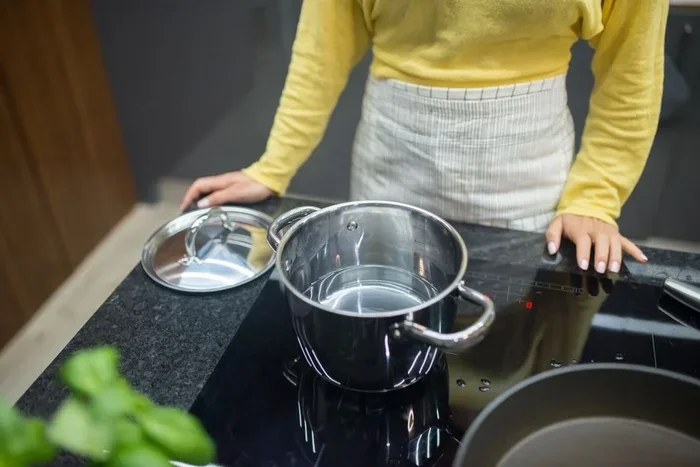
One of the best ways to prevent scratches is to use the right pots and pans. The best rated pots and pans for glass cooktop have flat, smooth bottoms made from materials like stainless steel, cast iron, or ceramic. Avoid cookware with rough or uneven bottoms that can drag across the surface.
For glass ceramic cooktops specifically, the best pots and pans for glass ceramic cooktop are designed with flat bases that distribute heat evenly without scratching. Investing in quality cookware pays off by protecting your cooktop for years.
Daily Care Habits
Simple daily habits make a big difference in keeping your cooktop scratch-free.
- Lift pots instead of sliding them. This is the single most effective habit you can build.
- Clean up spills immediately. Burnt food becomes abrasive when it hardens and gets wiped across the surface.
- Use a soft cloth or sponge. Microfiber cloths and non-scratch sponges are your best friends.
- Clean after every use. A quick wipe-down prevents buildup that can cause micro-scratches over time.
- Use cooktop protectors. Silicone mats protect the surface when you are not cooking.
For tough grease buildup that can lead to surface damage over time, the best product to clean greasy kitchen cabinets works surprisingly well on cooktop surfaces too because it cuts through heavy grease without being abrasive.
When To Call a Professional
Some scratches are too deep for home remedies. If you have tried cerium oxide and scratch removal kits without success, it may be time to call a professional. Deep gouges that catch your fingernail often need expert-level polishing equipment.
Professional cooktop repair services can resurface the glass and make it look like new again. The cost is usually much lower than replacing the entire unit. Many services offer mobile repair where they come to your home.
Before calling a pro, try the methods in this guide first. Most scratches respond to at least one of the techniques shared above. Save the professional option as a last resort.
Also, keep in mind that if your cooktop is old and has multiple deep scratches, replacement might be the smarter choice. New glass cooktops are more energy efficient and look fantastic. Check out options for your specific cooktop type before making a final decision.
Final Thoughts
Getting scratches out of a glass cooktop is easier than most people think. You do not need expensive tools or professional help for most scratches. A simple baking soda paste handles light marks, while cerium oxide polish tackles deeper damage.
The key is to act quickly and use gentle methods. The longer a scratch sits, the harder it becomes to remove. Regular maintenance with proper cookware and soft cleaning tools keeps your cooktop looking great between deep cleanings.
Start with the simplest method and work your way up if needed. Your smooth, shiny cooktop is just a few minutes of effort away.
Frequently Asked Questions
Can deep scratches on a glass cooktop be removed?
Yes, deep scratches can be removed using cerium oxide polish or a professional glass cooktop repair service. For very deep gouges, professional resurfacing is the most effective option. Home methods work best on light to moderate scratches.
Is it safe to use a razor blade on a glass cooktop?
Yes, razor blades are safe for removing burnt-on food from a clean glass cooktop surface. However, never use a razor blade over existing scratches because it will deepen them. Always hold the blade flat at a 30-degree angle and keep the surface wet during use.
What is the best cleaner for a glass cooktop?
A dedicated glass cooktop cleaner or a simple mix of white vinegar and water works best. Avoid abrasive cleaners and powder scrubs that can create new scratches. For daily cleaning, a microfiber cloth with a gentle cleaner keeps the surface smooth and scratch-free.
How can I prevent scratches on my glass cooktop?
Lift pots instead of sliding them, use cookware with flat smooth bottoms, and clean spills right away. Avoid metal utensils dropping on the surface and never use steel wool or abrasive pads. These simple habits prevent most scratches from forming.
Does baking soda damage a glass cooktop?
No, baking soda is gentle enough for safe use on glass cooktops. It provides mild abrasion that buffs out surface scratches without damaging the glass. Always rinse thoroughly after using baking soda and dry the surface completely.
How much does professional glass cooktop repair cost?
Professional repair costs typically range from $100 to $400 depending on the depth and number of scratches. Mobile repair services often charge less than replacing the entire cooktop. Get a quote before deciding between repair and replacement.