Choosing the right induction cooktop means understanding your cooking needs, kitchen layout, and budget. This guide breaks down everything from burner size and wattage to safety features and compatibility. You will learn how to compare cooktop types, avoid common mistakes, and find the best induction cooktop for your home without spending hours researching.
Key Takeaways
- Know Your Power Needs: Match wattage and cooking zones to how you cook daily.
- Size Matters: Measure your kitchen counter space before shopping for an induction cooktop.
- Check Cookware Compatibility: Only magnetic pans work on induction surfaces.
- Safety Features Are Key: Look for auto shut-off, child locks, and residual heat indicators.
- Budget Wisely: You can find great induction cooktops at every price point.
- Installation Counts: Consider built-in vs. portable options and your electrical setup.
📑 Table of Contents
- Why Choosing the Right Induction Cooktop Makes a Big Difference
- Understand How Induction Cooking Works
- Measure Your Kitchen Space and Cooktop Size
- Check Burner Power and Cooking Performance
- Make Sure Your Cookware Is Compatible
- Safety Features You Should Not Skip
- Set a Realistic Budget and Find the Best Value
- Common Mistakes to Avoid When Choosing
- Quick Tips for Getting the Most Out of Your Induction Cooktop
- Final Thoughts: Finding Your Perfect Induction Cooktop
Why Choosing the Right Induction Cooktop Makes a Big Difference
An induction cooktop changes the way you cook. It heats faster, cools down quicker, and uses less energy than a traditional electric cooktop. But here is the thing — not every induction cooktop is the same. Some are compact. Some have four burners. Some pack serious power for serious cooks.
When you choose an induction cooktop, you need to think about your kitchen space, your cooking habits, and your budget. This guide walks you through every decision step by step. By the end, you will feel confident picking the right unit for your home.
We will cover everything from cooktop size and burner layout to safety features and cookware needs. No fluff. Just practical advice you can use right away.
Understand How Induction Cooking Works
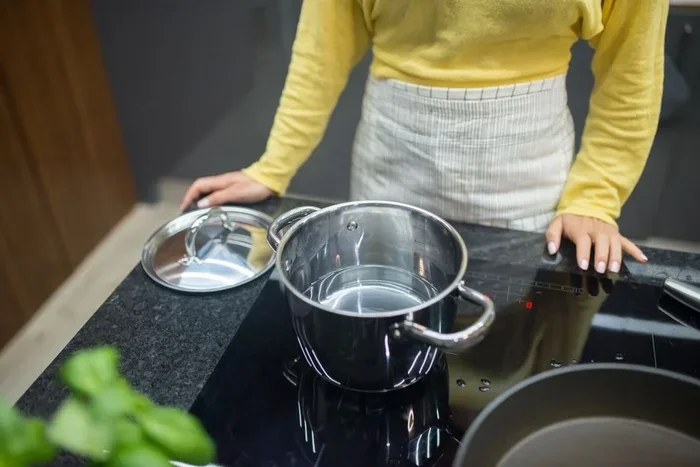
Before you shop, it helps to know the basics. Induction cooking uses magnets to heat your pan directly. The cooktop surface stays cool. Only the pan gets hot. This is very different from a gas burner or a traditional electric coil.
The Science Made Simple
An induction cooktop sends an electric current through a coil under the glass surface. This creates a magnetic field. When you place a magnetic pan on the cooktop, the pan itself heats up. The surface does not. That is why induction is so fast and so safe.
This technology means your kitchen stays cooler while cooking. It also means cleanup is a breeze. Spills do not bake onto a cool surface. You wipe them right off.
Induction vs. Gas vs. Electric
Gas burners give you instant flame control. Many professional chefs love that feel. But gas uses an open flame, which can be a safety concern, especially in homes with young kids. Traditional electric cooktops use exposed coils that take a long time to heat up and cool down.
Induction sits in the middle. It heats faster than electric. It is safer than gas. And it uses less energy than both. If you are upgrading your kitchen, this is a big reason to consider induction.
Measure Your Kitchen Space and Cooktop Size
The first practical step is measuring your counter space. You cannot just buy any induction cooktop and hope it fits. Measure the cutout area, the width, and the depth. Leave room for ventilation around the edges.
Common Cooktop Sizes
Most induction cooktops come in standard sizes:
- Compact units: 1 or 2 burners, about 12 to 15 inches wide. Great for small kitchens or dorm rooms.
- Standard units: 2 or 3 burners, about 24 to 30 inches wide. These fit most kitchen counters nicely.
- Full-size units: 4 or 5 burners, about 30 to 36 inches wide. Perfect for families or serious home cooks.
If you have limited counter space, a 2-burner induction cooktop can be a great solution. Many models fit right into a standard countertop cutout without any modifications. You can find solid options in our guide to the best 2 burner induction cooktop built in options.
Think About Your Cooking Zones
Cooking zones refer to the individual burner areas on a cooktop. Some units have one large zone for big pots. Others have multiple small zones so you can use several pans at once. Think about what you cook most often.
If you make large meals with big pots, you want a wider cooking zone. If you cook for one or two people, smaller zones work perfectly. The flexibility of adjustable cooking zones is one of the best features of induction technology.
Check Burner Power and Cooking Performance
Not all induction burners are created equal. Power output matters a lot. It affects how fast you can boil water, how well you can simmer, and how much control you have over the heat.
Wattage and Power Levels
Most induction cooktops range from about 1,200 watts to 3,700 watts total power. A higher wattage means faster heating. But what really matters is the number of power levels available.
Look for a cooktop with at least 10 to 12 power levels. This gives you fine control over the heat. You can go from a gentle simmer to a rolling boil with precision. Some premium models offer up to 17 power levels for even more control.
For everyday cooking, a unit with around 1,800 to 2,000 watts per zone is plenty. It handles everything from sautéing vegetables to simmering sauces with ease.
Temperature Control and Precision
One of the biggest advantages of induction is precise temperature control. You can set the exact temperature you need. Some cooktops even have a temperature display in degrees Fahrenheit or Celsius.
This is especially helpful for delicate cooking tasks. Melting chocolate, making custards, or frying eggs at a low temperature all benefit from accurate heat control. If you value precision in the kitchen, look for a cooktop with a digital temperature setting.
Make Sure Your Cookware Is Compatible
Here is something many people overlook. Induction cooktops only work with magnetic cookware. If your pans do not stick to a magnet, they will not work on an induction surface. This is a key part of how to choose an induction cooktop that actually works for you.
The Magnet Test
Grab a magnet from your fridge. Hold it to the bottom of your frying pan. If the magnet sticks firmly, your pan is induction compatible. If it does not stick, you will need new cookware.
Most modern stainless steel pans work great. Cast iron pans are also perfect for induction. Some nonstick pans are induction compatible, but not all. Check the packaging or the bottom of the pan for the induction symbol.
You do not need to throw out all your old pans. You can also buy induction-compatible cookware separately. Check out our guide on the best non stick frying pan for induction cooktop to find pans that work perfectly with your new cooktop.
Pots and Pans Sets Made for Induction
If you are starting fresh, buying a pots and pans set for induction saves time and money. Many quality sets include frying pans, saucepans, and stockpots that are all induction compatible. Look for sets made from stainless steel or layered materials that work on induction surfaces.
You can explore our recommended options in the best pots and pans set for induction cooktop guide. A good set makes a real difference in your daily cooking experience.
Safety Features You Should Not Skip
Induction cooktops are naturally safer than gas or electric coils. The surface does not get hot. But that does not mean you should ignore safety features. The best induction cooktops come with several built-in protections.
Auto Shut-Off and Timers
Auto shut-off turns the cooktop off after a set time. This is a great feature if you tend to forget about your cooking. Timers help you keep track of boiling pasta or simmering soups without hovering over the stove.
Child Lock and Residual Heat Indicators
If you have young children at home, look for a cooktop with a child lock. This prevents little hands from turning on the burners. Residual heat indicators show when the surface is still warm after cooking. Even though induction heats the pan and not the surface, some residual heat can remain.
Overheat Protection
Quality induction cooktops have overheat protection. If the cooktop gets too hot, it automatically powers down. This protects both the cooktop and your kitchen from potential damage. It is a small feature that gives you big peace of mind.
Set a Realistic Budget and Find the Best Value
Induction cooktops come in a wide range of prices. You can find portable units for under $100 and premium built-in models for over $1,000. The key is knowing what features matter most to you.
What You Get at Each Price Point
Budget models ($100-$300) usually have 2 burners, basic controls, and fewer power levels. They work great for small kitchens, apartments, or as a second cooking surface. Mid-range models ($300-$700) offer 3 to 4 burners, digital controls, and better temperature precision. Premium models ($700+) come with 4 or more burners, smart features, and sleek designs.
You do not need to spend a fortune to get a great induction cooktop. A mid-range model handles 90% of cooking tasks with ease. Focus on the features you will actually use every day.
Installation Considerations
Think about how the cooktop will be installed. Built-in models fit flush into your countertop. They look sleek and integrated. Portable models sit on top of any flat surface. They are great for renters or anyone who wants flexibility.
Also consider your electrical setup. Most induction cooktops need a dedicated 240-volt outlet. Check your kitchen wiring before you buy. If you are not sure, hire a licensed electrician. A proper installation keeps you safe and makes your cooktop perform at its best.
Common Mistakes to Avoid When Choosing
Even with all the information available, people still make avoidable mistakes. Here are a few to watch out for:
- Skipping the magnet test for your cookware. You might buy a great cooktop only to find your favorite pans do not work.
- Ignoring ventilation needs. Induction cooktops still need airflow. Do not install one in a tight cabinet without vents.
- Overlooking burner size. A small burner cannot hold a large stockpot. Think about the pots and pans you use most.
- Buying the cheapest option. Very cheap models often lack power, durability, and safety features. You get what you pay for.
- Not checking the warranty. A good warranty protects your investment. Look for at least a 2-year warranty on parts and labor.
Avoiding these mistakes saves you time, money, and frustration. Take your time, do your research, and pick the cooktop that truly fits your needs.
Quick Tips for Getting the Most Out of Your Induction Cooktop
- Use flat-bottomed pans. Warped pans do not make full contact with the cooking surface, reducing efficiency.
- Clean the glass surface with a microfiber cloth. Avoid abrasive cleaners that can scratch the surface.
- Place pans in the center of the cooking zone for the best heat distribution.
- Use the boost function wisely. It heats quickly but uses more energy. Reserve it for boiling water or searing.
- Let the cooktop cool before cleaning. Even though the surface stays cool, giving it a few minutes after cooking helps with any residue.
Final Thoughts: Finding Your Perfect Induction Cooktop
Choosing the right induction cooktop comes down to understanding your needs. Think about your kitchen size, your cooking style, and your budget. Measure your counter space. Check your cookware. Compare power levels and safety features. Take your time making the decision.
An induction cooktop is a fantastic kitchen upgrade. It cooks faster, uses less energy, and keeps your kitchen cooler. Whether you pick a compact 2-burner model or a full-size 4-burner unit, you will enjoy the benefits of induction cooking for years to come. Trust your research, follow this guide, and you will find the perfect induction cooktop for your home.
Frequently Asked Questions
Do I need special cookware for an induction cooktop?
Yes, your cookware must be magnetic to work on an induction cooktop. You can test any pan with a fridge magnet. If it sticks, the pan will work. Stainless steel and cast iron are both great choices for induction cooking surfaces.
Is an induction cooktop more expensive to run than gas?
Actually, induction cooktops are more energy efficient than gas. They heat faster and transfer energy directly to the pan. This means lower energy bills over time, even though the upfront cost may be higher than a gas burner setup.
Can I install an induction cooktop myself?
If you are comfortable with electrical work, a portable model can be plugged in easily. Built-in models usually require a dedicated 240-volt circuit. For safety and proper installation, it is best to hire a licensed electrician for built-in units.
How long do induction cooktops last?
A quality induction cooktop can last 10 to 15 years with proper care. The glass surface is durable but can scratch if you use rough cleaners or drag heavy pans across it. Regular gentle cleaning keeps your cooktop looking and working great for many years.
What size induction cooktop is best for a family of four?
A 36-inch cooktop with four burners works well for most families of four. It gives you enough cooking space for multiple dishes at once. If your kitchen is smaller, a 30-inch unit with three or four burners is a solid alternative.
Can I use a cast iron skillet on an induction cooktop?
Absolutely. Cast iron is magnetic and works perfectly on induction surfaces. It heats evenly and holds heat well, making it a favorite for searing and slow cooking. Just make sure the bottom of your skillet is flat for best contact with the cooking zone.