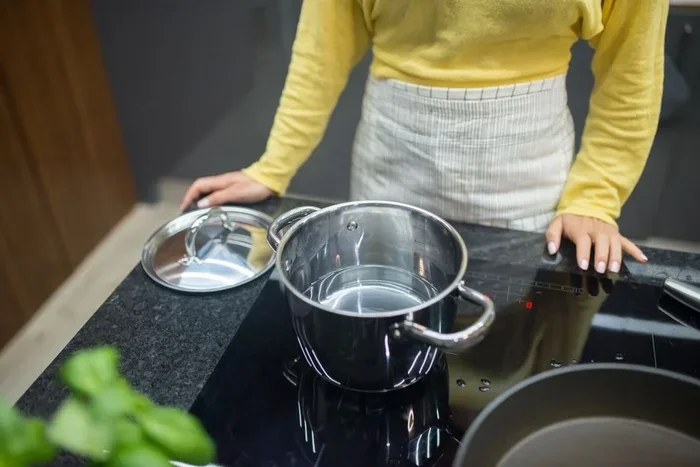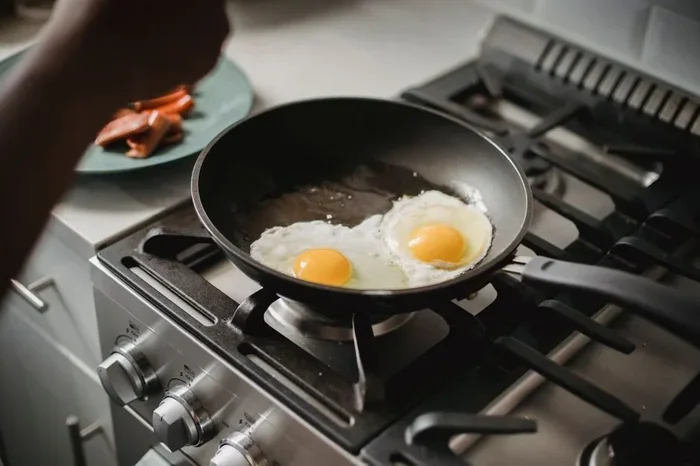
Choosing the right pans for glass cooktop can make or break your cooking experience. Glass cooktops look sleek, but they demand cookware with flat, smooth bottoms and careful heat management. In this guide, you will learn which materials work best, what features to look for, and which pans truly deliver on a glass surface.
Glass cooktops have become a favorite in modern kitchens. They look stunning, they clean up easily, and they distribute heat in a surprisingly even way. But here is the thing most people overlook. The pans you use on a glass cooktop make a huge difference.
Not every pan works well on a glass surface. Some will scratch it. Some will warp under high heat. And some just will not heat evenly, leaving you with burnt spots and undercooked food. That is exactly why we put together this guide. Whether you are a beginner or a seasoned home cook, finding the right pans for glass cooktop is essential.
We have tested dozens of options and reviewed expert recommendations to bring you the most reliable advice. You will learn about the best materials, the features that really matter, and the common mistakes to avoid. By the end, you will feel confident picking the perfect pan for your glass stovetop.
Key Takeaways
- Flat Bottoms Matter: Pans with a perfectly flat base prevent scratches and ensure full contact with the glass surface.
- Material Choice Is Key: Stainless steel, cast iron, and ceramic pans are top performers on glass cooktops.
- Avoid Warped Pans: Warped cookware creates hot spots and can damage your glass surface over time.
- Non-Stick Options Exist: Quality non-stick pans work great on glass cooktops when used with the right utensils.
- Size Matching Matters: Always match your pan size to the burner size for efficient heating and safety.
- Care Extends Life: Proper cleaning and storage habits keep your glass cooktop and pans in great shape for years.
📑 Table of Contents
- Why Your Cookware Matters for Glass Cooktops
- Best Materials for Pans on Glass Cooktops
- Features to Look for When Buying Pans for Glass Cooktop
- Common Mistakes People Make with Glass Cooktop Pans
- Top Picks: Best Pans for Glass Cooktop
- Tips for Maintaining Your Pans and Glass Cooktop
- Final Thoughts on Choosing the Best Pans For Glass Cooktop
Why Your Cookware Matters for Glass Cooktops
A glass cooktop is not the same as a gas or electric coil stove. The cooking surface is flat and exposed. It heats through radiant elements or induction coils underneath. This means your pan needs to meet specific requirements to work safely and efficiently.
The Surface Is Sensitive
Glass cooktops are made of tempered glass. They can handle high heat, but they are vulnerable to scratches and impacts. Rough bottom surfaces, debris stuck to the pan, or even small food particles can leave marks. Using the right glass cooktop cookware protects your investment and keeps your cooktop looking new.
Heat Distribution Works Differently
On a glass surface, heat transfers through direct contact. There are no open flames or exposed coils. If your pan has a warped bottom or a small footprint, it will not make full contact. This leads to uneven heating. Food sticks. Hot spots form. Your cooking suffers.
This is why flat bottom pans are non-negotiable for glass cooktops. The entire base needs to touch the glass surface evenly for the best results.
Best Materials for Pans on Glass Cooktops
Not all materials perform the same way on a glass surface. Some conduct heat beautifully. Others are too rough or too reactive. Here are the materials that work best.
Stainless Steel
Stainless steel is one of the most popular choices for glass cooktops. It is durable, scratch-resistant, and heats up evenly when made with a quality core. Many cooks prefer stainless steel pans because they are versatile. You can sear, sauté, simmer, and even bake with them.
Look for stainless steel pans with an aluminum or copper core. These layers improve heat conductivity. They prevent the cold spots that stainless steel alone can cause.
Cast Iron
Cast iron pans are excellent for glass cooktops. They hold heat incredibly well and distribute it evenly across the surface. This makes them perfect for slow cooking, searing, and frying.
The downside is weight. Cast iron is heavy. If you have arthritis or limited strength, this might not be the best option. You can always check out lightweight pots and pans for arthritis as an alternative for easier handling.
Ceramic and Porcelain-Coated
Ceramic pans and porcelain-coated options are gentle on glass surfaces. They have smooth finishes that glide across the cooktop without scratching. These pans also heat up quickly and work well for everyday cooking tasks like frying eggs or making pancakes.
Non-Stick Coated Pans
Non-stick pans are a great choice for glass cooktops, especially for delicate foods like eggs and fish. The smooth coating prevents food from sticking and makes cleanup a breeze. Just make sure you use silicone utensils for non-stick pans to protect the coating and the glass surface underneath.
Features to Look for When Buying Pans for Glass Cooktop
When shopping for the right pan, it is easy to get overwhelmed by all the options. Here are the features that actually matter.
Flat and Smooth Bottom
This is the single most important feature. A flat bottom ensures full contact with the glass surface. A smooth bottom prevents scratches. Avoid pans with ridges, raised patterns, or rough textures on the underside.
Diameter and Size Matching
Match your pan size to the burner size. A small pan on a large burner wastes energy. A large pan on a small burner heats unevenly. Most manufacturers list the recommended burner size on the packaging. Always check before you buy.
Heat Resistance and Compatibility
Glass cooktops can reach high temperatures. Make sure your pan can handle the heat without warping. Most quality pans are rated for temperatures up to 500°F or higher. If you are using an induction glass cooktop, make sure the pan is induction-compatible.
For induction-specific recommendations, you might want to explore our guide on best pots and pans for induction cooktop to find compatible options.
Ease of Cleaning
Glass cooktops show every spill and smear. Pans that are easy to clean make your life much simpler. Non-stick pans and ceramic-coated pans are the easiest to wipe down. Stainless steel requires a bit more effort but is still very manageable with the right cleaner.
Common Mistakes People Make with Glass Cooktop Pans
Even experienced cooks make mistakes. Here are the most common ones and how to avoid them.
Using Pans with Rough or Dirty Bottoms
This is the number one cause of glass cooktop scratches. Even a tiny grain of sand stuck to the bottom of a pan can leave a permanent mark. Always wipe your pan bottoms before placing them on the cooktop. Make it a habit every single time.
Sliding Pans Across the Surface
Never slide a pan across a glass cooktop. Lift it when you move it. Sliding creates friction and can scratch the surface. This applies to all pans, even those with smooth bottoms.
Using the Wrong Size Pan
A pan that is too small for the burner will not heat properly. A pan that is too large can overlap onto the cool zones of the cooktop and cause uneven cooking. Always match your pan to the burner.
Ignoring Warped Pans
A warped pan might not look like a big deal, but it causes real problems on glass cooktops. It creates a small gap between the pan and the surface. This means less contact, uneven heating, and potential damage over time. If your pan wobbles on a flat surface, replace it.
Top Picks: Best Pans for Glass Cooktop
Based on our research and testing, here are some of the best options available right now.
Overall Best: Stainless Steel with Aluminum Core
Stainless steel pans with an aluminum or copper core offer the best balance of durability, heat distribution, and scratch resistance. They work on all types of glass cooktops, including induction. They are oven-safe and dishwasher-safe in most cases.
Best Budget Option: Ceramic-Coated Non-Stick Pan
Ceramic-coated pans are affordable and gentle on glass surfaces. They heat up fast and release food easily. They are perfect for everyday cooking. Just be mindful that the coating may wear over time with heavy use.
Best for Heavy-Duty Cooking: Cast Iron Skillet
A cast iron skillet is unbeatable for searing and browning. It holds heat like nothing else. It works beautifully on glass cooktops as long as you lift it instead of sliding it. The weight is the trade-off, but the cooking performance is outstanding.
Best for Delicate Foods: Non-Stick Frying Pan
A quality non-stick frying pan is ideal for eggs, pancakes, and fish. It requires less oil and cleans up in seconds. Choose one with a reinforced coating for longer durability.
If you are looking for a specific recommendation, check out our detailed review of the best non-stick pan for glass cooktop for our top-rated picks.
Tips for Maintaining Your Pans and Glass Cooktop
Taking care of your cookware and cooktop extends their lifespan and keeps them performing at their best.
Clean After Every Use
Do not let food residue sit on your glass cooktop. Wipe it down after each use with a damp cloth. For stubborn spots, use a cooktop-specific cleaner. Avoid abrasive scrubbers that can scratch the surface.
Store Pans Properly
Stacking pans carelessly can cause scratches on both the pans and the cooktop. Use pan protectors or paper towels between stacked pans. A dish rack for pots and pans or a hanging rack is a great storage solution that keeps everything organized and protected.
Use the Right Utensils
Metal utensils can scratch both non-stick pans and glass cooktops. Stick to wooden, silicone, or nylon utensils. They are gentle on surfaces and still do an excellent job of flipping and stirring.
Handle With Care
When placing or removing pans, lift them straight up. Avoid twisting or dragging motions. This simple habit goes a long way in preserving your glass cooktop finish.
Final Thoughts on Choosing the Best Pans For Glass Cooktop
Finding the right pans for glass cooktop does not have to be complicated. Focus on flat bottoms, smooth surfaces, and compatible materials. Stainless steel, cast iron, ceramic, and quality non-stick pans all work well when you choose the right one for your cooking style.
Avoid common mistakes like sliding pans, using rough-bottomed cookware, or ignoring warping. These small habits make a big difference over time. With the right pan and proper care, your glass cooktop will serve you beautifully for years to come.
Take some time to evaluate your current cookware. If your pans are not performing well on your glass cooktop, it might be time for an upgrade. Your cooking experience will thank you for it.
For more cookware guidance, explore our articles on best pots and pans for electric glass stove and best handle covers for pots and pans to protect your investment and get the most out of your kitchen setup.
Frequently Asked Questions
Can I use any pan on a glass cooktop?
Not all pans are safe for glass cooktops. You need pans with flat, smooth bottoms that are free of rough textures or debris. Avoid pans with warped bases or rough surfaces that can scratch the glass. Always check that your cookware is compatible with glass stovetops before using it.
What is the best material for a glass cooktop pan?
Stainless steel with an aluminum or copper core is widely considered the best all-around material. Cast iron is excellent for heavy-duty cooking. Ceramic and non-stick pans work well for everyday tasks. The right material depends on what you cook most often and how you care for your cookware.
Do I need special pans for an induction glass cooktop?
Yes, induction glass cooktops require pans with magnetic bases. Stainless steel and cast iron are naturally induction-compatible. You can also find specially designed induction cookware. Check our guide on the best pots and pans for induction hobs for detailed recommendations.
How do I prevent scratches on my glass cooktop?
Always wipe your pan bottoms clean before placing them on the cooktop. Lift pans instead of sliding them. Use silicone or wooden utensils with non-stick pans. Avoid using pans with rough or damaged bottoms. These simple steps keep your glass surface scratch-free.
Can I use a warped pan on a glass cooktop?
It is best to avoid warped pans on glass cooktops. A warped base creates uneven contact with the surface, leading to hot spots and inefficient heating. Over time, it can also put stress on the glass. Replace any pan that wobbles or rocks on a flat surface.
Are non-stick pans safe for glass cooktops?
Yes, non-stick pans are safe and work very well on glass cooktops. They provide easy food release and simple cleanup. Just make sure you use silicone or wooden utensils to protect the non-stick coating. Also, avoid overheating non-stick pans beyond their recommended temperature limit.