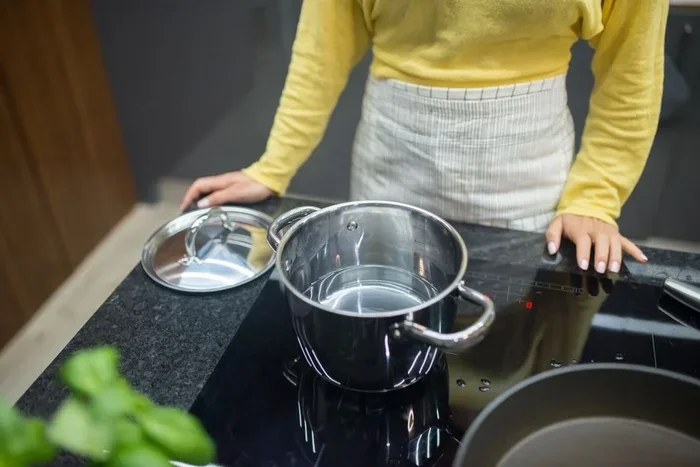
A cooktop gas stove gives you precise flame control and fast heating that electric stoves simply can’t match. Whether you are a home cook or a seasoned chef, choosing the right gas cooktop can transform your daily meals. This guide walks you through every important factor — from burner types and size to safety features and installation tips — so you can buy with confidence. We also share expert recommendations and practical advice to help you find the best gas cooktop for your budget and cooking style.
A cooktop gas stove is one of the most popular choices for home kitchens. It gives you direct flame control, instant heat, and a cooking feel that electric or induction stoves just cannot replicate. If you are renovating your kitchen or replacing an old stovetop, understanding what a gas cooktop offers can save you time, money, and frustration.
Many people wonder whether a gas cooktop is worth the investment. The short answer is yes. Gas stoves heat up fast, cool down quickly, and work with nearly every type of cookware. They are also more energy-efficient in many cases because you are not heating an entire element or surface.
In this guide, we break down everything you need to know about buying a cooktop gas stove. We cover the different types, key features, safety considerations, and practical tips to help you make the best decision. Let us dive in.
Key Takeaways
- Flame Control Matters: Gas cooktops offer instant heat adjustment, giving you better cooking precision than most other stovetop types.
- Size and Burner Count Vary: Cooktops come in 2-burner to 6-burner configurations, so pick one that fits your kitchen space and cooking needs.
- Safety Features Are Essential: Look for automatic shutoff, child locks, and flame failure devices when choosing a gas cooktop.
- Installation Type Affects Your Setup: You can choose between freestanding gas ranges or drop-in cooktops depending on your kitchen layout.
- Maintenance Keeps It Running Smoothly: Regular cleaning and proper care extend the life of your gas stove and keep it performing well.
- Paired Accessories Boost Performance: The right cookware and range hood make a big difference in your gas cooking experience.
📑 Table of Contents
What Is a Cooktop Gas Stove?
A cooktop gas stove is a stovetop unit that uses natural gas or propane to produce open flames for cooking. Unlike a full range that includes an oven below, a cooktop sits flat on your countertop or is built into a cutout. You pair it with a separate wall oven or a freestanding range if you need baking and roasting capabilities.
Gas cooktops have been around for decades, but modern versions come packed with features. You will find options with sealed burners, electronic ignition, downdraft ventilation, and even smart controls. The basic concept stays the same — gas flows through valves, ignites, and creates a flame you can adjust with a simple knob turn.
How Does a Gas Cooktop Work?
When you turn the knob, gas flows from the supply line through the valve and into the burner head. The igniter creates a spark, or in older models, you light it with a match. The flame comes out of small ports around the burner cap, and you control the size by adjusting the gas flow.
This simple mechanism gives you immediate feedback. You can see the flame, hear it, and feel the heat instantly. That is a huge advantage when you need to make quick adjustments while sautéing, searing, or simmering.
Types of Cooktop Gas Stoves
Not all gas cooktops are the same. They come in different styles, sizes, and configurations to fit various kitchen setups. Understanding these types helps you narrow down your choices.
Drop-In Cooktops
A drop-in cooktop sits flush into a countertop cutout. It has a sleek, built-in look that many homeowners love. These units usually have controls on the front or the back edge. Drop-in gas cooktops work well in kitchens with a countertop island or a custom-built setup.
Freestanding Gas Ranges
A freestanding gas range includes both the cooktop and an oven in one unit. It stands on its own and does not need built-in cabinetry on both sides. This is the most common type found in many homes. If you want a simple, all-in-one setup, a freestanding range is a great option.
Slide-In Cooktops
A slide-in cooktop drops into a countertop gap and sits between your cabinets. The controls are typically on the front face, making them easy to reach. Slide-in models give a polished, integrated look that suits modern kitchen designs.
Key Features to Look For
When shopping for a cooktop gas stove, certain features make a big difference in daily use. Here is what to focus on.
Burner Configuration
Gas cooktops come with different burner setups. A basic model might have four burners, while premium options offer five or six. Some include a dual-ring burner or a wok-sized burner for high-heat cooking. Think about what you cook most often. If you use a large wok or wide skillet, a wider burner matters.
Sealed Burners
Sealed burners are a must-have feature. They prevent food and spills from dripping into the burner base. This makes cleanup much easier and also prevents grease buildup that can cause uneven flames or odors. Look for a gas cooktop with sealed burners for better maintenance.
Ignition Type
Most modern gas cooktops use electronic ignition. You simply push the knob and the spark lights the flame. Older models may require a standing pilot light, which constantly uses a small amount of gas. Electronic ignition is safer and more efficient.
Downdraft Ventilation
Some gas cooktops come with a built-in downdraft ventilation system. This pulls smoke, steam, and odors down through the cooktop and into a duct below. It is a great option if you do not want a range hood above your stove. However, a dedicated ductless range hood or a wall-mount hood often performs better for heavy cooking.
Control Layout
Controls can be front-facing or rear-facing. Front controls are easier to reach while cooking. Rear controls give a cleaner look but can be harder to access, especially for children or people with limited mobility. Consider your kitchen layout and who will be using the stove most.
Benefits of Choosing a Gas Cooktop
There are many reasons why home cooks prefer a cooktop gas stove over other options. Here are the biggest advantages.
Precise Heat Control
Gas flames respond instantly to knob adjustments. You can go from a roaring flame to a gentle simmer in seconds. This level of control is hard to beat, especially for techniques like flambéing, stir-frying, and delicate sauce work.
Works in Power Outages
If you experience frequent power outages, a gas cooktop still works. You do not need electricity to light the burners (though electronic ignition models need a battery or a spark generator). This reliability is a big plus for many households.
Lower Operating Costs
In many areas, natural gas costs less than electricity. Cooking on a gas stove can reduce your energy bills over time. Gas also heats the pan directly, so less energy is wasted heating the surrounding air.
Versatile Cooking
A gas flame works with all types of cookware. You can use cast iron, stainless steel, aluminum, and even warped pans that would not work well on smooth-top electric stoves. Gas cooktops also handle very large or oddly shaped pots with ease.
Things to Consider Before Buying
A gas cooktop is a great choice, but it is not perfect for every kitchen. Here are important factors to weigh before you buy.
Kitchen Ventilation
Gas stoves produce combustion byproducts, including carbon monoxide and nitrogen dioxide. Proper ventilation is essential. You should have a working range hood or exhaust fan that vents to the outside. Without it, indoor air quality can suffer. A wall mount range hood or a ductless hood with good filtration helps keep your kitchen air clean.
Installation Requirements
You need a gas line connection to install a gas cooktop. If your kitchen does not already have one, hiring a professional to run a gas line adds to the cost. Check local building codes and permit requirements before installation. Some regions also require specific conversion kits if you switch between natural gas and propane.
Safety Concerns
Open flames mean potential fire hazards. Keep flammable items away from the cooktop. Many modern gas stoves include flame failure devices that shut off the gas if the flame goes out. Look for this safety feature when browsing options. Also consider models with child lock controls if you have young children at home.
Cookware Compatibility
Gas stoves work with almost any cookware, but flat-bottomed pots and pans perform best. Warped bottoms can cause uneven heating and wasted energy. Using the right pots and pans for gas stove improves cooking results and keeps your cooktop looking good. Consider investing in a quality pot and pan set for gas stove if you are starting fresh.
Cooktop Size and Space
Measure your available space carefully. Cooktops typically range from 20 inches to 36 inches wide. A 30-inch model is the most common and fits most standard kitchen layouts. If you have limited counter space, a compact 2-burner or 4-burner model may be a better fit. Make sure you leave enough clearance for safe ventilation and easy access.
Maintenance and Care Tips
A gas cooktop lasts many years with proper care. Regular maintenance keeps it performing at its best and prevents common problems.
Cleaning the Burners
Remove the burner caps and grates regularly. Soak them in warm soapy water to loosen grease and food residue. Use a soft brush or toothbrush to clean the small ports around the burner head. Clogged ports cause uneven flames, which affect cooking performance.
Wiping Down the Surface
Wipe the cooktop surface after each use while it is still cool. Use a mild cleaner and a soft cloth. Avoid abrasive scrubbers that can scratch the finish. For stubborn stains, a paste of baking soda and water works well.
Checking for Gas Leaks
Periodically check the gas connections for leaks. You can apply a soap-and-water solution to the connections and look for bubbles. If you smell gas, turn off the supply immediately and contact a professional. Safety should always come first.
Replacing Parts
Burner caps, grates, and igniters wear out over time. Most replacement parts are affordable and easy to find. Keeping spare parts on hand helps you fix small issues quickly without a service call.
Common Mistakes to Avoid
Skipping Ventilation
Many buyers skip a proper range hood to save money. This is a mistake. Without ventilation, grease, moisture, and cooking fumes build up in your kitchen. Over time, this affects air quality and can even damage cabinetry and walls.
Ignoring Burner Size
Not all burners are created equal. A cooktop with all small burners limits what you can cook. Look for a model that includes at least one large or dual-ring burner for bigger pots and high-heat cooking.
Choosing Style Over Function
It is easy to fall in love with a sleek design, but function matters more. Focus on burner quality, control responsiveness, and safety features first. Style is a nice bonus, but it should not come at the expense of performance.
Forgetting About the Gas Supply
Before purchasing, confirm your home has a compatible gas supply. Natural gas and propane require different setups. If you are converting from one to the other, make sure you have the right conversion kit for gas stove to propane or natural gas.
Final Thoughts
A cooktop gas stove is a fantastic addition to any kitchen. It gives you precise control, fast heating, and a cooking experience that feels natural and intuitive. Whether you are a beginner or a seasoned home cook, a gas cooktop can elevate the way you prepare meals.
Take your time when shopping. Consider your kitchen size, ventilation setup, cooking habits, and budget. Read reviews, compare models, and do not be afraid to visit a store and see the cooktops in person. The right gas cooktop will serve you well for many years and make every meal better.
Remember to pair your new cooktop with quality cookware, a good range hood, and regular maintenance. These small investments go a long way in getting the most out of your gas stove. Happy cooking!
Frequently Asked Questions
What is the difference between a cooktop and a range?
A cooktop is just the stovetop portion that sits on or in your countertop. A range includes both the cooktop and an oven in one unit. If you already have a wall oven or prefer a separate oven setup, a cooktop is the way to go.
Can I install a gas cooktop myself?
If you have basic plumbing and gas line experience, you may be able to install it yourself. However, most manufacturers recommend hiring a licensed professional. Improper installation can lead to gas leaks, fire hazards, or voided warranties. Always check local building codes first.
Is a gas cooktop safe for indoor use?
Yes, gas cooktops are safe when installed and used correctly. Make sure you have proper ventilation with a range hood or exhaust fan. Look for models with flame failure devices and automatic shutoff features for added safety.
What size cooktop do I need?
It depends on your kitchen space and cooking habits. A 30-inch four-burner cooktop works well for most households. If you have a small kitchen or cook for one or two people, a 20-inch or 24-inch model may be sufficient. Measure your available counter space before buying.
How do I clean a gas cooktop?
Remove the burner caps and grates, and soak them in warm soapy water. Wipe the surface with a mild cleaner and a soft cloth. Clean the burner ports with a soft brush or toothpick to prevent clogs. Regular cleaning after each use makes deep cleaning much easier.
Can I use a gas cooktop with an air fryer attachment?
Some gas ranges come with built-in air fryers, and you can also use a separate air fryer alongside your gas cooktop. If you love air-fried foods, consider a gas stove with air fryer and griddle combo for the best of both worlds.