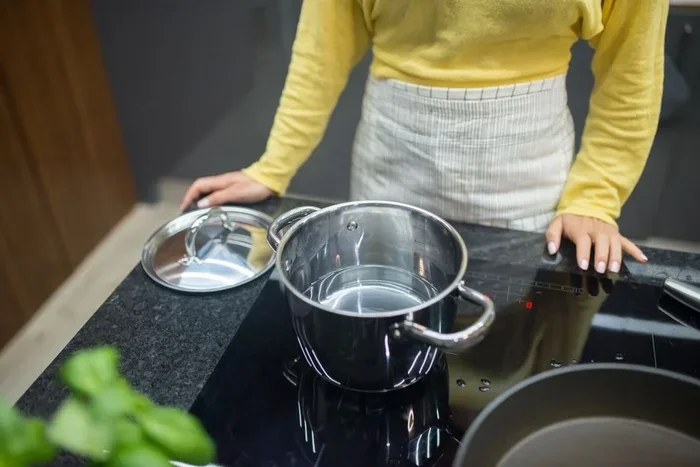
The best induction cooktop delivers lightning-fast heating, precise temperature control, and exceptional energy efficiency. Unlike traditional gas or electric cooktops, induction technology heats the pan directly, making cooking faster and safer. Whether you are a home chef or a busy parent, upgrading to the best induction cooktop can transform your kitchen experience and save you money over time.
If you have been thinking about upgrading your kitchen, the induction cooktop deserves your full attention. This technology has been around for a while, but it is only recently that prices have become more accessible and performance has reached new heights. Homeowners across the country are making the switch, and for good reason.
The best induction cooktop offers a cooking experience that feels like magic. You turn a knob, and the heat responds instantly. Food cooks faster, energy bills drop, and the kitchen stays cooler. It is not just a trend. It is a genuine upgrade that changes the way you prepare meals every single day.
In this guide, we will walk through everything you need to know. From how induction technology works to what features matter most, you will find clear, practical advice. By the end, you will understand exactly why investing in the best induction cooktop pays off in ways you might not expect.
Key Takeaways
- Speed and Efficiency: Induction cooktops heat up significantly faster than gas or electric alternatives, cutting cooking time in half.
- Safety First: The surface stays cool, reducing burn risks and making it ideal for families with children.
- Energy Savings: Induction technology uses less energy because heat goes directly into the cookware, not the air.
- Precise Control: You get instant temperature adjustments, giving you professional-level cooking control at home.
- Easy Cleanup: The smooth, flat surface makes spills and splatters wipe away in seconds.
- Cookware Matters: You need induction-compatible cookware, but the right pots and pans make all the difference.
📑 Table of Contents
- How Induction Cooking Works and Why It Matters
- Top Benefits of Choosing the Best Induction Cooktop
- What to Look for When Choosing the Best Induction Cooktop
- Common Mistakes People Make When Choosing an Induction Cooktop
- How to Get the Most Out of Your Induction Cooktop
- Final Verdict: Is the Best Induction Cooktop Worth It?
How Induction Cooking Works and Why It Matters
The Science Behind the Heat
Traditional electric cooktops use a coil or heating element to warm up a glass or ceramic surface. That surface then transfers heat to your pot or pan. It is an indirect process, and it takes time. Induction cooktops work completely differently. They use an electromagnetic field to heat the cookware itself.
Here is how it works in simple terms. Beneath the smooth surface of the cooktop, there is a coil of copper wire. When you turn it on, an alternating current flows through the coil and creates a magnetic field. When you place a ferromagnetic pan on the surface, that magnetic field causes the pan to heat up directly.
The cooktop surface itself stays relatively cool. Only the pan gets hot. This is a fundamental shift from how gas and traditional electric cooktops operate, and it brings some real advantages to your kitchen.
Why This Technology Beats the Alternatives
Not all induction cooktops are created equal, but even the basic models outperform their gas and electric counterparts in several key areas. Let us break down the main differences:
- Gas Cooktops: Great for chefs who like a visible flame, but they waste a lot of heat into the surrounding air. Your kitchen gets warmer, and the energy efficiency is low.
- Electric Coil Cooktops: These are affordable but slow. The coil takes time to heat up and even longer to cool down. Cleanup can also be frustrating with exposed coils.
- Electric Smooth-Top Cooktops: Better than coil, but still rely on indirect heating. Response time is sluggish compared to induction.
- Induction Cooktops: Heat instantly, cool instantly, and use energy far more efficiently. The surface stays safe to touch, and cleanup is a breeze.
If speed, safety, and efficiency matter to you, the best induction cooktop is the clear winner. The technology simply does not waste energy the way other methods do.
Top Benefits of Choosing the Best Induction Cooktop
Lightning-Fast Heating
One of the first things you will notice with an induction cooktop is how quickly it heats up. Water that takes five minutes to boil on a gas stove can boil in two or three minutes on induction. This is not a small convenience. It adds up to real time savings throughout your day.
Think about your morning routine. Boiling water for coffee or oatmeal happens in a flash. Stir-frying vegetables goes faster because the pan reaches cooking temperature almost immediately. Even simmering sauces benefits because you have precise control from the very start.
Energy Efficiency That Shows on Your Bills
Induction cooking is remarkably efficient. Traditional gas cooktops lose a significant amount of heat to the surrounding environment. Electric cooktops also waste energy through indirect heating. Induction, by contrast, delivers about 85 to 90 percent of its energy directly to the cookware.
What does this mean for you? Lower energy bills over time and a cooler kitchen. During those hot summer months, the difference is especially noticeable. Your air conditioning system does not have to work as hard to compensate for heat radiating from the cooktop.
Unmatched Safety Features
Safety is one of the biggest reasons families choose the best induction cooktop. The surface does not get hot the way a gas or electric cooktop does. If you accidentally leave a pot on the burner and walk away, the risk of a surface fire is virtually zero.
Most quality induction models also include automatic shutoff features. The burner turns itself off when no compatible cookware is detected. Many units also have child lock settings, timer controls, and residual heat indicators. These features give you peace of mind, especially if you have young children in the house.
Precise Temperature Control
Cooking is all about control, and induction cooktops deliver it in spades. Because the electromagnetic field responds instantly, you can adjust the heat in real time. Turn the knob down, and the temperature drops immediately. This makes delicate tasks like melting chocolate, simmering sauces, and poaching eggs much easier.
Professional chefs have long embraced induction for this reason. The ability to make micro-adjustments gives home cooks the same level of control that was once only available in professional kitchens.
What to Look for When Choosing the Best Induction Cooktop
Size and Layout Considerations
Not every kitchen has the same space, so choosing the right size induction cooktop matters a lot. Full-size models typically offer four to five burners and fit into standard kitchen cabinetry. Compact models with two or three burners work well for smaller spaces, apartments, or as a secondary cooking surface.
Think about how you cook. Do you often use multiple burners at once? Do you need a large burner for your stock pot? Measure your available space carefully before you shop. A best induction cooktop should fit your kitchen layout, not force you to change it.
Burner Configuration and Power Levels
Look for models that offer flexible burner configurations. Some induction cooktops include a bridge element that lets you use two smaller burners as one large cooking zone. This is perfect for griddles or oversized pans.
Power levels matter too. Higher wattage means faster heating. Most quality models offer between nine and seventeen power levels per burner. More levels give you finer control over your cooking temperature. If you do a lot of delicate simmering or low-temperature cooking, this feature becomes very important.
Safety and Smart Features
The best induction cooktop goes beyond basic heating. Look for models with:
- Auto Shutoff: Turns off the burner after a set time or when no pan is detected.
- Child Lock: Prevents accidental activation by little hands.
- Timer Functions: Help you stay on track with multiple dishes.
- Residual Heat Indicators: Alert you when the surface is still warm.
- Pan Detection: Only activates when compatible cookware is placed on the burner.
Ventilation and Downdraft Options
If you do not want to install a separate range hood, consider a cooktop with downdraft ventilation. Some induction models include built-in ventilation systems that draw smoke and steam downward through the cooktop surface. This keeps your kitchen air cleaner without the bulk of an overhead hood.
These models are especially popular in open-concept kitchens where a range hood might feel intrusive. They offer a clean, streamlined look while still handling everyday cooking fumes effectively.
Common Mistakes People Make When Choosing an Induction Cooktop
Buying Incompatible Cookware
The biggest mistake people make is assuming all their existing cookware will work on an induction cooktop. Induction requires ferromagnetic cookware. This means the pan or pot must contain iron or steel and respond to a magnet.
Here is a quick test. Hold a magnet to the bottom of your pan. If it sticks, your pan is induction-compatible. If not, you will need to replace it or buy an induction disk adapter. Most quality cookware brands now offer induction-ready lines, so upgrading your cookware is straightforward.
Before you buy a new cooktop, check what you already own. You might be surprised how much compatible cookware you already have. For guidance on choosing the right set, see our guide on the best pots and pans for induction cooktop.
Ignoring Cooktop Size and Burner Spacing
It is easy to fall in love with a sleek induction model and forget to check the physical dimensions. Measure your cabinet cutout carefully. Make sure the burner spacing works for your favorite pans. A cramped cooktop with unevenly spaced burners will frustrate you every time you cook.
Also consider the depth of the cutout. Some induction models are thicker than traditional electric cooktops. Make sure your cabinets can accommodate the unit properly before you commit to a purchase.
Skipping Ventilation
Even though induction cooktops produce less ambient heat than gas, they still generate steam, smoke, and cooking odors. Many buyers skip ventilation planning and end up with a kitchen that smells like last night’s dinner. Invest in proper ventilation from the start, whether it is a downdraft system or a traditional range hood.
If you are interested in built-in ventilation options, check out our review of the best 36 induction cooktop with downdraft ventilation for models that handle both cooking and air quality in one unit.
Overlooking the Warranty and Support
An induction cooktop is a significant investment, and the warranty matters. Cheap models often come with short warranties and limited customer support. Quality brands stand behind their products with extended warranties and responsive service networks.
Before you buy, read the warranty terms carefully. Look for coverage on the cooktop surface, electronics, and heating elements. A strong warranty gives you confidence that your investment is protected for years to come.
How to Get the Most Out of Your Induction Cooktop
Use the Right Cookware
To get the best performance from your induction cooktop, invest in quality induction-compatible cookware. Flat-bottomed pans work best because they make full contact with the cooking surface. Warped or curved bottoms reduce efficiency and create hot spots.
Cast iron and stainless steel are excellent choices for induction. Many non-stick pans are also induction-ready, but always check the manufacturer’s specifications. For recommendations on the best non-stick options, see our review of the best non stick skillet for induction cooktop.
Keep the Surface Clean
The smooth glass-ceramic surface of an induction cooktop is easy to clean, but it requires regular maintenance. Wipe it down after each use with a damp cloth. For stubborn spots, a gentle cooktop cleaner works wonders.
Avoid abrasive scrubbers that can scratch the surface. A microfiber cloth or soft sponge is all you need. Keeping the surface clean also ensures optimal heat transfer and prevents debris from interfering with the electromagnetic field.
Learn Your Power Settings
Take time to experiment with the different power levels on your cooktop. Each model behaves slightly differently. Spend an afternoon boiling water, simmering sauces, and searing meats at various settings. This hands-on experience will help you understand exactly how your unit performs and how to get the best results every time.
Use the Right Size Pan for Each Burner
Matching your pan size to the burner size improves efficiency and cooking results. A small pan on a large burner wastes energy because the magnetic field extends beyond the pan. Conversely, an oversized pan on a small burner may not heat evenly. Use the right match for each cooking task.
Final Verdict: Is the Best Induction Cooktop Worth It?
The answer is a resounding yes. The best induction cooktop offers speed, safety, efficiency, and precision that no other cooking technology can match. Whether you are upgrading an existing kitchen or building a new one, this is one investment that pays for itself.
You will cook faster, spend less on energy, and enjoy a safer, cooler kitchen. The smooth surface cleans up in seconds, and the precise temperature control lets you tackle recipes you might have avoided before. From everyday weeknight dinners to weekend entertaining, an induction cooktop elevates your entire cooking experience.
If you are ready to make the switch, start by assessing your kitchen space, your cooking habits, and your budget. Choose a model with the features that matter most to you, and make sure you have the right cookware on hand. The transition from gas or electric to induction is smoother than most people expect, and the results speak for themselves.
Take the leap. The best induction cooktop is not just a kitchen appliance. It is a upgrade that changes the way you cook, every single day.
Frequently Asked Questions
Can I use any pan on an induction cooktop?
No, you need induction-compatible cookware. The pan must contain iron or steel and respond to a magnet. Cast iron, most stainless steel, and some specially designed non-stick pans work great. If a magnet does not stick to the bottom of your pan, it will not work on induction.
Is an induction cooktop safe for families with small children?
Yes, induction cooktops are among the safest options available. The surface stays cool to the touch because it heats the pan directly, not the cooking surface. Most models also include child lock features, auto shutoff, and residual heat indicators for added protection.
Does an induction cooktop use more electricity than a gas stove?
Actually, the opposite is true. Induction cooktops are significantly more energy efficient than gas stoves. They transfer about 85 to 90 percent of their energy directly to the cookware, compared to roughly 40 percent for gas. This means lower energy bills and less wasted heat in your kitchen.
How do I clean an induction cooktop?
Cleaning an induction cooktop is simple. Wipe the smooth glass-ceramic surface with a damp microfiber cloth after each use. For stubborn residue, a dedicated cooktop cleaner and a soft sponge work well. Avoid abrasive pads or harsh chemicals that could scratch or damage the surface.
What should I look for when buying the best induction cooktop?
Focus on burner configuration, power levels, safety features, and size. Look for models with multiple power settings, auto shutoff, child lock, and pan detection. Make sure the dimensions fit your kitchen space and that the burner layout suits your cooking style. Ventilation options like downdraft systems are also worth considering.
Can I install an induction cooktop myself?
While some homeowners handle DIY installation, it is generally recommended to hire a professional. Induction cooktops require proper electrical wiring and a compatible circuit. Incorrect installation can void your warranty and create safety hazards. A licensed electrician or appliance installer can ensure everything is set up correctly and safely.