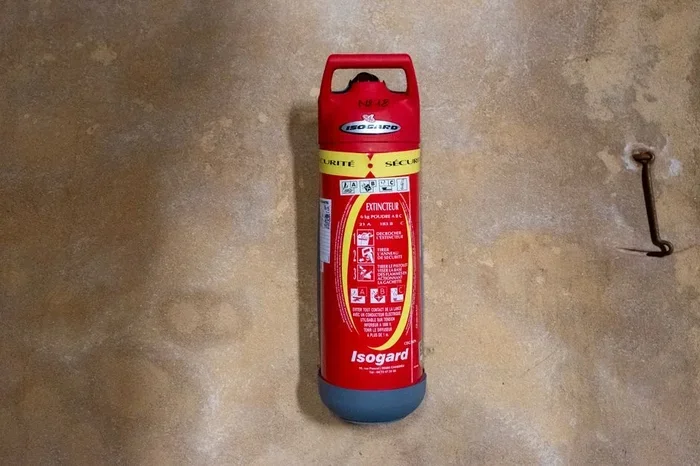
Auto Out Cooktop Fire Suppressors are essential safety devices that detect and extinguish cooktop fires automatically. These smart systems provide round-the-clock protection against grease fires, electrical fires, and overheating hazards. They work silently in the background, giving you peace of mind every time you cook. In this guide, we explore how they work, why you need one, and which options suit your kitchen best.
A kitchen fire can happen in seconds. One moment you are sautéing vegetables, and the next, a grease flare-up turns dangerous. This is exactly why Auto Out Cooktop Fire Suppressors have become a must-have for modern kitchens. These smart devices act as a dedicated safety net every time you turn on your stove.
Most people think a kitchen fire will never happen to them. But statistics show that cooking is the leading cause of home fires in the United States. Grease fires, electrical malfunctions, and unattended burners all contribute to this risk. The good news is that a cooktop fire suppressor can dramatically reduce the chances of a small flame turning into a catastrophic event.
What makes these systems so effective is their automatic response. Unlike a fire extinguisher that requires you to grab it and aim, an Auto Out system activates on its own. It senses the danger and suppresses the fire before you even have time to react. This hands-free protection is a game-changer for any kitchen.
Key Takeaways
- Automatic Detection: Auto Out Cooktop Fire Suppressors detect heat and smoke instantly, activating suppression before a fire spreads.
- Prevents Grease Fires: These devices are specifically designed to handle the most common cooktop fire type, which is grease-based.
- Easy Installation: Most suppressors mount directly above or near the cooktop with simple hardware and no wiring required.
- Kitchen Safety Upgrade: Adding a fire suppressor to your cooktop setup is one of the most impactful kitchen safety improvements you can make.
- Works with All Cooktop Types: Whether you have an induction cooktop, gas stove, or electric range, there is a compatible suppressor option.
- Cost-Effective Protection: These devices are affordable and can prevent thousands of dollars in fire damage.
📑 Table of Contents
What Are Auto Out Cooktop Fire Suppressors?
Auto Out Cooktop Fire Suppressors are specialized safety devices designed to detect, contain, and extinguish fires that start on a cooking surface. They use a combination of heat sensors, smoke detectors, and suppression agents to stop flames quickly. The system works entirely on its own, which is why the word “Auto” is so important in the name.
These suppressors are typically installed directly above or near the cooktop. When the sensors detect abnormal heat or smoke levels, the system releases a fire-suppressing agent. This agent smothers the flames and prevents re-ignition. The entire process happens in seconds, often before a person even notices the fire has started.
There are two main types of automatic fire suppression systems for cooktops. The first is a built-in system that comes integrated into your range hood or downdraft ventilation. The second is a standalone unit that mounts above the cooktop. Both options provide excellent protection, but the built-in systems tend to offer a more seamless look.
How Do They Detect Fires?
Most Auto Out systems use thermal sensors that monitor the temperature of the cooking surface. When the temperature rises above a safe threshold, the system triggers. Some models also include smoke detection for added layers of protection. This dual-sensor approach ensures that the system responds to both smoldering and actively flaming fires.
The suppression agent used in these systems is typically a wet chemical or dry chemical compound. It is designed to cool the fire and cut off the oxygen supply. This dual-action approach is what makes flame suppression so effective on cooktop fires. The agent also helps prevent re-ignition, which is a common problem with grease fires.
Why Every Kitchen Needs Fire Suppression
Kitchen fires are no joke. According to the National Fire Protection Association, cooking equipment causes nearly half of all reported home fires. Grease fires alone account for a huge portion of these incidents. A small flame on the stove can escalate into a full-blown kitchen fire in under 30 seconds.
This is where kitchen fire prevention becomes critical. A fire extinguisher sitting in a cabinet does you no good if you are not home or if the fire starts too fast. An Auto Out system works around the clock, even when you are not in the kitchen. It provides a level of protection that no manual tool can match.
Beyond just putting out fires, these systems also help protect your investment. A serious kitchen fire can cause tens of thousands of dollars in damage. Your cooktop, cabinets, and surrounding walls can all be destroyed. A cooktop protection device is a small price to pay compared to the cost of fire damage.
The Most Common Types of Cooktop Fires
Understanding what causes cooktop fires helps you appreciate why suppression systems are so important. Here are the most common types:
- Grease Fires: These happen when cooking oil or fat reaches its smoke point and ignites. They are the most dangerous type of kitchen fire and spread rapidly.
- Electrical Fires: Faulty wiring, overloaded circuits, or malfunctioning burners can spark a fire on or near the cooktop.
- Unattended Cooking Fires: Leaving food unattended on a hot surface is one of the leading causes of kitchen fires. This is where an automatic system truly shines.
- Overheating of Cookware: Pots and pans left on high heat without food or liquid can ignite nearby materials.
Each of these fire types can be devastating. But the good news is that fire safety for kitchen has improved dramatically with modern suppression technology. An Auto Out system addresses all of these scenarios with a single, reliable solution.
How Auto Out Cooktop Fire Suppressors Work
The technology behind these systems is simpler than you might think. At its core, an Auto Out Cooktop Fire Suppressor relies on three main components: a sensor, a control unit, and a suppression agent. Let us break down how each part works together.
The sensor is the eyes and ears of the system. It constantly monitors the area around the cooktop for signs of fire. When it detects heat or smoke that exceeds safe levels, it sends a signal to the control unit. The control unit then activates the suppression mechanism within seconds.
The suppression agent is released directly onto the fire. This agent is specifically formulated to extinguish cooking fires. For grease fires, wet chemical agents work by creating a soap-like foam that smothers the flames. For electrical fires, dry chemical agents interrupt the chemical reaction that sustains the fire.
One of the most impressive features of modern automatic fire detection systems is their speed. The entire process from detection to suppression takes less than 10 seconds. This is far faster than any human response time. By the time you notice smoke, the system has already done its job.
Installation Options
Installing an Auto Out system is easier than most people expect. Standalone units typically mount to the underside of a cabinet or directly above the cooktop. They come with all the hardware you need and require no electrical wiring in most cases. You simply attach the unit, connect the sensor, and you are done.
Built-in systems, on the other hand, are installed during kitchen construction or a major renovation. These integrate directly into your range hood or downdraft system. They offer a more permanent and aesthetically pleasing solution. If you are building or remodeling a kitchen, consider a built-in fire suppression system from the start.
For those who want maximum protection, you can also pair a standalone suppressor with a smart kitchen safety system. These systems connect to your home Wi-Fi and send alerts to your phone if a fire is detected. This adds an extra layer of security, especially if you spend a lot of time away from the kitchen while cooking.
Choosing the Right Auto Out Cooktop Fire Suppressor
Not all fire suppressors are created equal. When shopping for an Auto Out Cooktop Fire Suppressor, there are several factors to consider. Making the right choice ensures you get the best protection for your specific kitchen setup.
First, think about your cooktop type. If you use an induction cooktop, you need a suppressor compatible with the unique heat patterns of induction cooking. Induction cooktops heat cookware directly, which means the fire risk is different from gas or electric. Similarly, if you have a stainless steel griddle for induction cooktop or a cast iron skillet for induction cooktop, the suppressor should be positioned to cover the full cooking surface.
Next, consider the size of your cooktop. A 36-inch cooktop needs more coverage than a single-burner setup. Look for systems that match your cooktop dimensions. Some manufacturers offer customizable kits that let you add or remove suppression zones as needed.
Finally, check the certification of the system. Look for units that meet UL (Underwriters Laboratories) or ETL standards. These certifications guarantee that the suppressor has been independently tested and meets strict safety requirements. A certified fire suppression device gives you confidence that it will actually work when you need it most.
Comparing Suppression Systems
Here is a quick comparison of the most popular Auto Out suppression options available:
Standalone Units: These are the most affordable and easiest to install. They typically cost between $100 and $300. They work well for most residential kitchens and provide solid protection against grease and electrical fires.
Built-In Systems: These are more expensive, ranging from $500 to $2,000. However, they offer a seamless integration with your kitchen and often include advanced features like smart connectivity and multi-zone coverage. These are ideal for new construction or major kitchen renovations.
Hybrid Systems: Some systems combine a fire suppressor with a downdraft ventilation system. This gives you fire protection and smoke removal in one unit. These are especially popular for kitchens with limited cabinet space or open floor plans.
Common Mistakes to Avoid
Even with the best Auto Out system, there are mistakes that can reduce its effectiveness. Here are some common pitfalls to watch out for:
- Blocking the Sensors: Never mount a suppressor where cabinets or shelves block the sensor’s view of the cooktop. The system needs a clear line of sight to detect fires properly.
- Using the Wrong Suppression Agent: Not all suppression agents work on all fire types. Make sure your system uses the right agent for your primary cooking method.
- Skipping Regular Maintenance: Like any safety device, suppressors need periodic inspection. Check the sensors, replace cartridges, and test the system at least once a year.
- Ignating the System After Use: Once a suppressor has activated, it needs to be reset or replaced before the next use. Failing to do so leaves your kitchen unprotected.
- Relying Only on the Suppressor: An Auto Out system is a powerful tool, but it should not replace basic fire safety habits. Never leave a hot cooktop unattended, and keep flammable items away from the cooking surface.
Avoiding these mistakes ensures your cooktop fire guard works exactly as intended. A well-maintained system can protect your kitchen for years to come.
Expert Tips for Maximum Kitchen Fire Safety
Fire safety experts recommend a layered approach to kitchen protection. An Auto Out Cooktop Fire Suppressor is a fantastic first line of defense, but combining it with other safety measures creates a truly secure environment.
Start by keeping a fire extinguisher in your kitchen as a backup. Make sure everyone in your household knows where it is and how to use it. Next, install smoke detectors in and near the kitchen. These provide early warning even before a fire suppressor activates.
Keep your cooktop clean. Grease buildup on burners and cooktop surfaces is a major fire risk. Wipe down your cooking surface after every use to prevent grease accumulation. This simple habit goes a long way toward cooking fire prevention.
If you have a gas stove, make sure the gas line is in good condition. A grill fire can also start from grease buildup, and the same principles apply to your kitchen cooktop. Regular cleaning and inspection of all cooking surfaces helps reduce fire risk across the board.
Finally, teach your family about kitchen fire safety. Make sure everyone knows how to turn off the cooktop, where the fire suppressor is located, and what to do in an emergency. A well-informed household is a safe household.
Conclusion
Auto Out Cooktop Fire Suppressors are one of the smartest investments you can make for your kitchen. They provide automatic, reliable protection against the most common types of cooktop fires. From grease flare-ups to electrical malfunctions, these systems respond faster than any human could.
The beauty of these devices is their simplicity. Once installed, they work silently in the background, watching over your kitchen every single day. You do not need to remember to activate them or maintain constant vigilance. The system handles everything for you.
If you care about kitchen safety, an Auto Out Cooktop Fire Suppressor is not optional, it is essential. Combine it with good cooking habits, regular maintenance, and a well-equipped kitchen, and you give your family the best possible protection against fire. Take the time to choose the right system for your cooktop today, and enjoy the peace of mind that comes with knowing your kitchen is protected around the clock.
Frequently Asked Questions
What is an Auto Out Cooktop Fire Suppressor?
An Auto Out Cooktop Fire Suppressor is an automatic safety device that detects and extinguishes fires on your cooktop. It uses sensors to identify heat or smoke and releases a suppression agent to put out the flames. The entire process happens without any human intervention.
How fast does an Auto Out system respond to a fire?
Most Auto Out systems detect and suppress a fire in under 10 seconds. This is significantly faster than a human response time, which makes these systems incredibly effective at preventing small flames from becoming major fires.
Can an Auto Out Fire Suppressor work with all types of cooktops?
Yes, most Auto Out suppressors are designed to work with all cooktop types, including gas, electric, and induction. However, you should check compatibility with your specific cooktop model before purchasing to ensure proper coverage and fit.
Do Auto Out Cooktop Fire Suppressors require maintenance?
Yes, regular maintenance is important. You should inspect the sensors, test the system, and replace suppression cartridges as recommended by the manufacturer. Most experts suggest a maintenance check at least once a year to keep the system fully operational.
Are Auto Out fire suppressors expensive?
Standalone units typically cost between $100 and $300, while built-in systems range from $500 to $2,000. Compared to the cost of fire damage, which can easily reach thousands of dollars, these systems are a very affordable investment in kitchen safety.
Where should I install my Auto Out Cooktop Fire Suppressor?
Install the suppressor directly above or near the cooktop where it has a clear view of the cooking surface. Avoid placing it behind cabinets or shelves that could block the sensors. Follow the manufacturer’s installation guide for the best results.