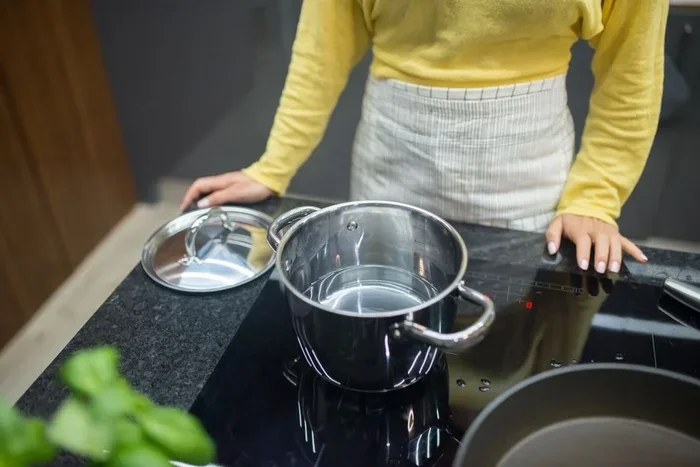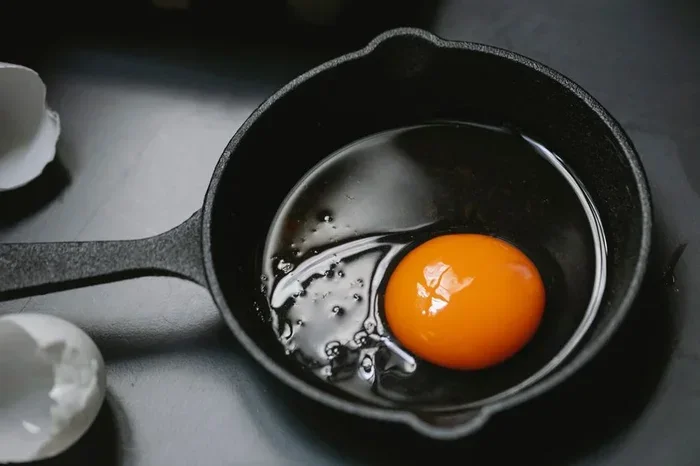
Yes, cast iron can absolutely be used on an induction cooktop. Because cast iron is ferromagnetic, it interacts with the magnetic field that induction cooktops generate. This makes it one of the most reliable choices for induction cooking. However, you need a smooth bottom and proper care to get the best results.
Cast iron and induction cooktops go together like salt and pepper. If you have been wondering whether your trusty cast iron pan will work on a modern induction cooktop, the short answer is yes. But there is a bit more to it than just placing a pan on a burner. Let us walk through everything you need to know about using cast iron on an induction cooktop.
Induction cooking has grown in popularity over the last decade. It uses magnetic fields to heat the cookware directly instead of heating a burner underneath. This makes it faster, more efficient, and safer than traditional gas or electric stoves. But not all cookware works with induction. So where does cast iron fit in?
The good news is that cast iron is one of the best materials you can use on an induction cooktop. It is naturally magnetic, which means it responds perfectly to the electromagnetic field that induction cooktops produce. Whether you have a classic cast iron skillet or a Dutch oven, you can count on it to work beautifully on your induction hob.
Key Takeaways
- Cast iron works on induction: Its ferromagnetic properties make it fully compatible with induction cooktops.
- Smooth bottoms matter: Rough or uneven bottoms can scratch glass cooktop surfaces.
- Pre-seasoned options save time: Many cast iron pans come ready to use right out of the box.
- Heat retention is a big plus: Cast iron holds heat beautifully, making it ideal for searing and slow cooking.
- Proper care prevents damage: Avoid thermal shock and use gentle cleaning methods to keep your pan in great shape.
- Enameled cast iron is a great alternative: It offers the same induction compatibility with easier maintenance.
📑 Table of Contents
- Why Cast Iron Works So Well on Induction Cooktops
- Benefits of Using Cast Iron on Induction
- Potential Drawbacks and How to Avoid Them
- How to Choose the Right Cast Iron for Your Induction Cooktop
- Enameled Cast Iron: A Great Alternative for Induction
- Tips for Caring for Cast Iron on Induction
- Common Mistakes to Avoid When Cooking with Cast Iron on Induction
- Final Thoughts
Why Cast Iron Works So Well on Induction Cooktops
Understanding why cast iron works on induction helps you appreciate the science behind it. Induction cooktops rely on a coil beneath the glass surface that creates a magnetic field. When you place a ferromagnetic pan on top, that magnetic field causes the metal in the pan to heat up directly.
The Science Behind It
Cast iron is a ferromagnetic material. This means it is strongly attracted to magnets. When the induction coil sends out an alternating magnetic field, the cast iron pan resists that field. That resistance creates heat right in the pan itself. No heat is wasted warming up a burner or the air around it.
This is why cast iron on induction is so efficient. The pan heats up quickly and evenly. You also get excellent heat retention, which means the pan stays hot even when you turn the burner down. This is perfect for searing steaks, frying chicken, or simmering a long braise.
Magnetic Properties of Cast Iron
Not all metals work on induction. Aluminum, copper, and glass will not work because they are not magnetic. Cast iron, however, is loaded with iron, which makes it magnetic. Even cast iron with a rough or textured surface will work on induction, as long as it sits flat on the cooktop.
If you are shopping for new cookware, look for the induction-compatible symbol. Most manufacturers mark their cast iron pans clearly. And if you are unsure, just hold a magnet to the bottom of the pan. If it sticks, it will work on your induction cooktop.
Benefits of Using Cast Iron on Induction
There are many reasons why cast iron is a favorite among induction cooktop users. It is not just about compatibility. Cast iron brings real advantages to the kitchen.
Superior Heat Retention
Cast iron is thick and heavy. That weight is actually a benefit when it comes to heat. Once a cast iron pan is hot, it stays hot. This makes it ideal for tasks that need steady, consistent heat. Think about cooking pancakes, searing a steak, or baking cornbread in a skillet.
Compared to thin aluminum pans, cast iron delivers a much more even cooking experience on induction. There are no hot spots. The entire pan surface stays at a uniform temperature.
Durability and Longevity
A good cast iron pan can last a lifetime. We are not exaggerating. Many families pass down cast iron skillets from one generation to the next. When you use it on your induction cooktop, you are investing in cookware that will never need to be replaced.
Cast iron is virtually indestructible. It does not warp, it does not scratch easily, and it gets better with use. The more you cook with it, the better the seasoning becomes.
Versatility Across Cooking Surfaces
One of the best things about cast iron is that it works on multiple surfaces. You can use it on induction, gas, electric, and even in the oven or over a campfire. This makes it a go-to pan for almost any cooking situation.
If you own an induction cooktop but also like to cook outdoors, cast iron is your perfect companion. You can sear a steak on the induction cooktop and then finish it in the oven or on the grill.
Potential Drawbacks and How to Avoid Them
Cast iron is not perfect. It has some downsides, especially when used on induction cooktops. But with the right approach, you can avoid most of these issues.
Heavy Weight
Cast iron is heavy. A full 12-inch skillet can weigh several pounds. This can make it tricky to maneuver, especially when it is hot. If you have wrist or shoulder issues, this might be a concern.
One tip is to use both hands when lifting a cast iron pan on the induction cooktop. And always use a sturdy handle holder or oven mitt. The handle gets very hot, so never grab it with bare hands.
Rough Bottoms Can Scratch Glass Cooktops
This is one of the most common complaints about cast iron on induction. The bottom of cast iron pans can be rough or have sharp edges from the manufacturing process. When you slide the pan across the glass surface, it can cause scratches.
To avoid this, look for cast iron pans with a smooth, machined bottom. Some brands now specifically make induction-ready cast iron with a smooth cooking surface. You can also place a protective layer between the pan and the cooktop, though this is not always necessary if you are careful.
Slow to Heat Up
While cast iron retains heat wonderfully, it takes a while to heat up. On an induction cooktop, this is less of a problem because induction heats quickly. But you should still give your cast iron a few minutes to warm up before adding food.
A quick tip is to preheat the pan on medium heat for about 3 to 5 minutes. Then you are ready to cook. Avoid overheating cast iron on high heat, as this can damage the seasoning.
How to Choose the Right Cast Iron for Your Induction Cooktop
Not all cast iron pans are created equal. If you are looking for the best cast iron for induction cooktop, there are a few things to keep in mind.
Look for a Smooth Bottom
The most important feature for induction use is a flat, smooth bottom. This ensures good contact with the glass surface and prevents scratching. Many modern cast iron pans are designed with a smooth machined bottom specifically for glass and induction cooktops.
If you already own a cast iron pan with a rough bottom, you can flatten it yourself. Some people use a belt sander or a grinding wheel to smooth out the bottom. However, this is not recommended for beginners. It is easier to buy a pan that is already smooth.
Pre-Seasoned vs. Unseasoned
Most cast iron pans come pre-seasoned these days. This means they have a layer of oil baked onto the surface that prevents sticking and protects the iron. Pre-seasoned pans work great on induction right out of the box.
If you buy unseasoned cast iron, you will need to season it yourself before use. This involves coating the pan with a thin layer of oil and baking it in the oven at high heat. It takes a little effort, but it is worth it for the non-stick performance.
Size Matters
Induction cooktops come in different sizes, and so do cast iron pans. A 12-inch skillet is a great all-purpose size for most induction cooktops. If you have a smaller cooktop, a 10-inch pan might be a better fit. For larger families, a 14-inch skillet or a cast iron skillet and Dutch oven set can cover all your cooking needs.
When choosing a size, make sure the pan fits within the induction zone of your cooktop. Most induction cooktops have marked zones that tell you the ideal pan size.
Enameled Cast Iron: A Great Alternative for Induction
Not everyone loves the maintenance that comes with traditional cast iron. If you want the same induction compatibility but with easier care, enameled cast iron is a fantastic option.
What Is Enameled Cast Iron?
Enameled cast iron has a glass-like coating baked onto the iron surface. This coating makes the pan non-reactive, so you can cook acidic foods like tomatoes without worrying about a metallic taste. It also eliminates the need for seasoning.
Enameled cast iron works just as well on induction as traditional cast iron. It is still ferromagnetic and responds to the magnetic field perfectly. The only difference is the surface and maintenance requirements.
Best Enameled Options
If you are in the market for enameled cast iron, a 6-quart Dutch oven is one of the most popular choices. A best enameled cast iron Dutch oven 6 qt can handle everything from soups and stews to braised meats and baked bread. It is a workhorse pan that every kitchen needs.
Enameled cast iron is also available as skillets, braisers, and baking dishes. The enamel coating comes in many colors, which is a nice bonus if you like your kitchen to look stylish.
Care Tips for Enameled Cast Iron
Enameled cast iron is easier to clean than traditional cast iron, but it still needs proper care. Avoid using metal utensils that can chip the enamel. Hand wash with warm soapy water instead of putting it in the dishwasher. And never drop it, as enamel can chip or crack on impact.
Tips for Caring for Cast Iron on Induction
Taking care of your cast iron pan will keep it performing beautifully for decades. Here are some simple tips to follow.
Cleaning Your Cast Iron Pan
After cooking, let the pan cool down before washing. Use warm water and a stiff brush or chain mail scrubber to remove food residue. Avoid using soap, especially on traditional unseasoned cast iron, as it can strip the seasoning.
If you have stubborn stuck-on food, simmer some water in the pan for a few minutes. This will loosen the residue and make it easier to clean. A best chain mail scrubber for cast iron is a great tool to have on hand for this job.
Drying and Seasoning
Always dry your cast iron pan completely after washing. Moisture is the enemy of cast iron and can cause rust. Place the pan on the induction cooktop over low heat for a minute or two to ensure it is fully dry.
After drying, rub a thin layer of oil onto the cooking surface. This helps maintain the seasoning and keeps the pan non-stick. Over time, these thin layers build up and create a beautiful natural non-stick surface.
Avoid Thermal Shock
Thermal shock happens when you expose a hot pan to cold water suddenly. This can cause the cast iron to crack or warp. Never plunge a hot cast iron pan into cold water. Let it cool down naturally before washing.
This is especially important on induction cooktops, where the pan can get very hot very quickly. Give it a few minutes to cool before you start cleaning.
Common Mistakes to Avoid When Cooking with Cast Iron on Induction
Even experienced cooks make mistakes with cast iron on induction. Here are some common ones to watch out for.
Using the Wrong Heat Setting
Cast iron heats slowly but retains heat intensely. Many people crank the induction burner to high and end up with an overheating pan. Start with medium or medium-low heat and let the pan warm up gradually.
Because cast iron holds heat so well, you can often cook at lower temperatures than you would with other cookware. This saves energy and prevents food from burning.
Not Preheating Properly
Skipping the preheat step can lead to uneven cooking and food sticking. Always preheat your cast iron pan on the induction cooktop before adding oil or food. A properly preheated pan gives you better sear marks and prevents sticking.
Ignoring the Seasoning
Some people forget that cast iron needs regular seasoning. Over time, the seasoning can wear away, especially if you wash it too aggressively. Re-season your pan every few months by applying a thin layer of oil and heating it on the induction cooktop.
If you want to learn more about maintaining your cast iron cookware, check out our guide on the best steel wool for cleaning cast iron for tips on safe cleaning methods.
Final Thoughts
Using cast iron on an induction cooktop is one of the best decisions you can make for your kitchen. Cast iron is compatible, efficient, and incredibly durable. It works beautifully with the magnetic technology of induction and delivers outstanding cooking performance.
Whether you prefer a traditional seasoned cast iron skillet or an enameled Dutch oven, you have plenty of great options. Just remember to choose a pan with a smooth bottom, take care of it properly, and enjoy the benefits of cooking with cast iron on your induction cooktop.
If you are ready to upgrade your cookware collection, consider exploring our picks for the best cast iron skillet for induction cooktop. You will find options that fit every budget and cooking style. Happy cooking!
Frequently Asked Questions
Can any cast iron pan be used on an induction cooktop?
Yes, virtually all cast iron pans work on induction cooktops because cast iron is ferromagnetic. However, you should check that the bottom is smooth and flat to avoid scratching the glass surface of your induction hob. Most modern cast iron pans are induction-ready right out of the box.
Does cast iron scratch an induction cooktop?
Cast iron can scratch an induction cooktop if the bottom is rough or has sharp edges. To prevent this, look for pans with a smooth, machined bottom. You can also place a protective pad between the pan and the cooktop surface when sliding it.
Is enameled cast iron safe for induction cooking?
Yes, enameled cast iron is completely safe for induction cooking. The enamel coating does not affect the magnetic properties of the cast iron underneath. It works just as well on induction as traditional cast iron, with the added benefit of easier cleaning and no seasoning required.
How do I know if my cast iron is induction compatible?
Hold a magnet to the bottom of your cast iron pan. If it sticks strongly, the pan is induction compatible. Most cast iron pans will pass this test easily. You can also look for the induction-compatible symbol on the packaging or bottom of the pan.
Can I use a cast iron Dutch oven on an induction cooktop?
Absolutely. Cast iron Dutch ovens are excellent for induction cooking. They provide even heat distribution and superior heat retention, making them perfect for soups, stews, braises, and even baking bread. Just make sure the Dutch oven has a flat bottom for full contact with the induction surface.
How do I clean cast iron after cooking on an induction cooktop?
Let the pan cool down, then wash it with warm water and a stiff brush. Avoid using soap on traditional cast iron, as it can strip the seasoning. For tough residue, simmer water in the pan for a few minutes before scrubbing. Dry the pan completely and rub a thin layer of oil to maintain the seasoning.