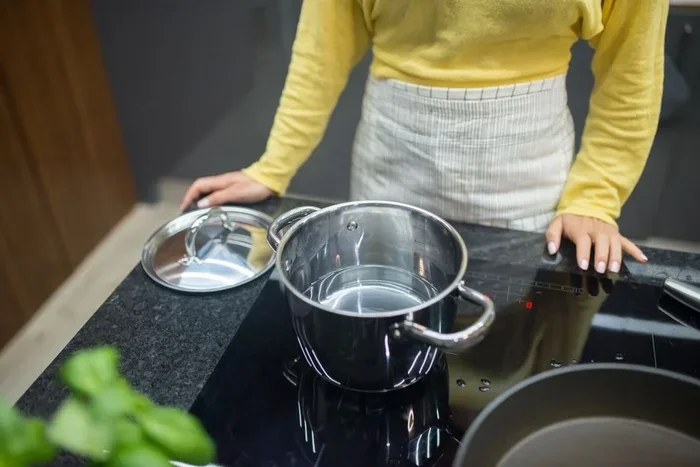
A chef induction cooktop delivers fast, precise heating and a sleek cooking surface that transforms any kitchen. It uses magnetic technology to heat cookware directly, making cooking faster and more energy efficient. Whether you are a home chef or a professional, this guide covers everything you need to know about choosing and using an induction cooktop.
Key Takeaways
- Speed and Efficiency: Chef induction cooktops heat up significantly faster than gas or electric stoves, saving you time and energy.
- Precise Temperature Control: Instant heat adjustments give you professional-level control over your cooking.
- Safety First: Cool-to-the-touch surfaces and automatic shut-off features make induction cooktops one of the safest options.
- Cookware Matters: You need magnetic-compatible pots and pans for induction cooking to work properly.
- Easy to Clean: A smooth, flat surface means spills wipe up in seconds with no grates or burners to scrub.
📑 Table of Contents
- What Is a Chef Induction Cooktop?
- Why a Chef Induction Cooktop Is Worth the Investment
- Key Features to Look For in a Chef Induction Cooktop
- How to Choose the Right Chef Induction Cooktop for Your Kitchen
- Tips for Getting the Most from Your Induction Cooktop
- Common Mistakes to Avoid with Induction Cooking
- The Best Chef Induction Cooktop for Every Kitchen
- Final Thoughts
What Is a Chef Induction Cooktop?
A chef induction cooktop is a modern cooking surface that uses electromagnetic energy to heat your cookware directly. Unlike traditional gas or electric stoves, induction technology does not rely on open flames or heated coils. Instead, it creates a magnetic field that reacts with the metal in your pan, generating heat almost instantly.
This means the cooktop surface itself stays relatively cool while your food gets hot. The result is a safer, faster, and more energy efficient way to cook. Many professional chefs and home cooks are making the switch because the performance is simply unmatched.
Induction cooking has been popular in Europe and Asia for decades. Now it is gaining massive traction in American kitchens. The technology continues to improve, making induction cooktops more affordable and feature-rich than ever before.
So what makes a chef induction cooktop different from a regular one? The answer lies in the build quality, heating precision, and overall cooking performance. These units are designed to handle heavy use and deliver restaurant-quality results right in your home.
Why a Chef Induction Cooktop Is Worth the Investment
Speed That Changes Everything
One of the biggest advantages of a chef induction cooktop is speed. Induction burners can boil water in half the time compared to gas or electric stoves. If you have ever waited impatiently for a pot of water to boil, you will love how fast induction works.
This speed comes from the way the technology operates. The magnetic field heats the pan itself rather than warming the air or a burner. Your cookware reaches cooking temperature in seconds, not minutes.
For busy weeknights, this speed makes a real difference. You can whip up dinner faster without sacrificing quality. It is one of the main reasons home cooks are switching to induction cooking in droves.
Energy Efficiency You Can Feel
Induction cooktops are remarkably energy efficient. Traditional gas stoves lose a lot of heat to the surrounding air. Electric coils also waste energy by heating elements that do not directly touch your pan.
With induction, the heat goes straight into the cookware. Studies show that induction cooktops convert about 90 percent of their energy into heat. Gas stoves, by comparison, only convert about 40 percent.
This means lower energy bills over time. It also means a cooler kitchen, since less heat escapes into the room. If you live in a warm climate, this can make a noticeable difference during summer cooking season.
Safety Features That Give Peace of Mind
Safety is a major concern in any kitchen, and a chef induction cooktop excels here. The surface does not get hot the way a gas burner or electric coil does. This means far fewer burn risks, especially in households with children.
Most induction cooktops come with built-in safety features. These include automatic shut-off timers, pan detection, and overflow protection. If you leave a burner on without a compatible pan, the unit simply will not activate.
The cool surface also means spilled food does not burn onto the cooktop. Cleanup becomes much easier and safer. You will not have to worry about scrubbing scorched messes off a hot surface.
Key Features to Look For in a Chef Induction Cooktop
Not all induction cooktops are created equal. A true chef induction cooktop comes with features that set it apart from basic models. Here are the most important ones to consider.
Heating Power and Zones
The best induction cooktops offer multiple heating zones with independent controls. This lets you cook several dishes at different temperatures simultaneously. A powerful induction burner should deliver at least 1800 watts for fast boiling and searing.
Look for models with bridge zones. These connect two burners to create a longer cooking area, perfect for griddles or large pans. A flexible cooktop layout gives you more versatility in the kitchen.
Precise Temperature Control
Temperature control is where induction really shines. A quality chef induction cooktop lets you adjust heat in small increments. This precision is essential for delicate tasks like melting chocolate or simmering sauces.
Many high-end models offer digital temperature displays. Some even have preset cooking modes for common tasks. This level of control lets you replicate professional results with confidence.
Downdraft Ventilation Options
Some chef induction cooktops come with built-in downdraft ventilation. This feature pulls smoke and steam downward, eliminating the need for a separate range hood. It is a great option for kitchens with limited overhead space.
If you are interested in this feature, check out the best options for 36-inch induction cooktops with downdraft ventilation. These models combine powerful cooking with effective ventilation in one sleek unit.
Cookware Compatibility
Here is something many people overlook: not all cookware works with induction. Your pots and pans need to be magnetic to function on an induction cooktop. Stainless steel and cast iron are both great choices.
Aluminum and copper pans will not work unless they have a magnetic base. If you are unsure about your current cookware, you can test it by holding a magnet to the bottom of the pan. If it sticks, you are good to go.
For a full guide on compatible cookware, check out our best pots and pans for induction cooktop guide. It covers the top-rated options for every cooking style.
How to Choose the Right Chef Induction Cooktop for Your Kitchen
Size and Configuration
The first thing to consider is size. Do you need a single induction burner or a full-size unit with multiple zones? For most kitchens, a 30-inch or 36-inch cooktop strikes the right balance between cooking space and countertop fit.
Small kitchens benefit from a single burner induction cooktop. These portable units are perfect for apartments, dorm rooms, or as a second cooking surface for entertaining. They are compact, easy to store, and surprisingly powerful.
Larger kitchens can accommodate double-burner or even 4-burner configurations. These give you more flexibility and let you cook multiple dishes at once. Think about your cooking habits and available space before deciding.
Budget Considerations
Chef induction cooktops range from affordable to premium. Basic models with fewer features can be found for a reasonable price. High-end units with advanced controls and premium finishes cost more but deliver a superior experience.
Set a budget before you start shopping. Decide which features matter most to you. Focus on the elements that will improve your daily cooking the most. A mid-range model often offers the best value for most home cooks.
Build Quality and Design
A true chef induction cooktop should feel solid and well-built. Look for models with a tempered glass or ceramic surface. These materials are durable, easy to clean, and resist scratches.
The controls should be intuitive and responsive. Touch sliders and digital displays are standard on most quality units. Some models offer knob controls, which many people prefer for quick adjustments while cooking.
Consider the aesthetic too. A sleek, modern cooktop can elevate the entire look of your kitchen. Choose a finish and style that complements your other appliances and cabinetry.
Tips for Getting the Most from Your Induction Cooktop
Use the Right Cookware
The best results come from using cookware designed for induction. Cast iron and magnetic stainless steel are the top performers. These materials distribute heat evenly and respond well to the electromagnetic field.
If you are building a new cookware collection, consider investing in a quality set. For recommendations, see our guide on the best non-stick cookware for induction cooktop. It covers options that work beautifully with induction technology.
Proper cookware also protects your cooktop surface. Flat-bottomed pans prevent scratching and ensure even heating. Avoid sliding pans across the surface, as this can cause damage over time.
Keep the Surface Clean
A clean induction cooktop performs better and lasts longer. Wipe up spills right after cooking while the surface is still warm. Use a soft cloth and a gentle cleaner designed for glass or ceramic surfaces.
Avoid abrasive scrubbers that can scratch the surface. For stubborn residue, let it soak with a damp cloth for a few minutes before wiping. Regular maintenance keeps your cooktop looking and performing like new.
Experiment with Different Cooking Techniques
Induction cooktops open up new possibilities in the kitchen. Try techniques that benefit from precise temperature control, such as tempering chocolate or making delicate sauces. The instant heat response makes these tasks much easier.
You can also explore searing, sautéing, and even deep frying on induction. The consistent heat distribution ensures excellent results every time. Do not be afraid to experiment and discover what your cooktop can do.
Common Mistakes to Avoid with Induction Cooking
Even though induction cooking is straightforward, a few common mistakes can cause frustration. Being aware of these pitfalls helps you get the best experience from day one.
Using incompatible cookware: This is the number one mistake new induction users make. If your pans do not work with induction, you will be frustrated and confused. Always check for the induction-compatible symbol on cookware before purchasing.
Overlooking size compatibility: The pan must be at least as large as the cooking zone. Using a small pan on a large zone can trigger safety shut-off features. Match your pan size to the burner for optimal performance.
Ignoring maintenance: While induction cooktops are easy to clean, they still need regular care. Burnt-on spills can become stubborn if left too long. A quick wipe after each use keeps the surface in top condition.
Not reading the manual: Every cooktop has unique features and settings. Taking a few minutes to read the manual helps you unlock its full potential. You might discover features you never knew existed.
The Best Chef Induction Cooktop for Every Kitchen
Choosing the right cooktop depends on your needs, budget, and kitchen size. Here are some quick recommendations to help you decide.
For a premium experience, a 36-inch dual-fuel or all-electric induction cooktop offers maximum flexibility and power. These units often include downdraft ventilation and smart controls for a truly modern cooking experience.
For smaller spaces, a single burner induction cooktop built into a countertop provides excellent performance without taking up much room. These are ideal for supplemental cooking or for those who do not need a full-size range.
If you want the best of both worlds, consider a hybrid gas stove with induction cooktop. These combine the responsive feel of gas with the precision and safety of induction technology. They offer unmatched versatility for serious home cooks.
For those looking to upgrade their entire cooking setup, explore our best induction cooktops for fast and safe cooking guide. It covers top-rated models across every price range and configuration.
No matter which direction you go, a chef induction cooktop is a decision you will not regret. The combination of speed, precision, safety, and easy cleanup makes it one of the best kitchen upgrades you can make.
Final Thoughts
A chef induction cooktop truly is the ultimate kitchen upgrade. It brings professional-grade performance into your home with faster heating, better energy efficiency, and unmatched safety features. Whether you are a seasoned cook or just starting out, induction technology will elevate your everyday meals.
The key is choosing the right model for your needs and using compatible cookware. Take the time to research and invest in quality. Your cooking experience will improve dramatically from the first meal you prepare.
The future of home cooking is here, and it runs on induction. Make the switch today and taste the difference a real chef induction cooktop can make.
Frequently Asked Questions
Can I use any pan on a chef induction cooktop?
No, you need magnetic cookware for induction to work. Cast iron, magnetic stainless steel, and some specially designed pans are compatible. You can test your existing pans with a magnet to see if they will work.
Is a chef induction cooktop safe for families with young children?
Yes, induction cooktops are among the safest options available. The surface stays cool to the touch because heat is generated directly in the pan. Many models also include automatic shut-off and child lock features for added protection.
How much faster is induction cooking compared to gas?
Induction cooktops can boil water up to 50 percent faster than gas stoves. The electromagnetic technology heats the pan directly rather than relying on a flame or heated coil. This means less waiting time and more efficient cooking.
Do I need special ventilation for an induction cooktop?
Not necessarily, but ventilation is always a good idea. Some chef induction cooktops come with built-in downdraft ventilation, which eliminates the need for a separate range hood. Otherwise, a standard range hood or over-the-range microwave works well.
Can a chef induction cooktop replace my traditional range?
Absolutely. Many homeowners replace their entire range with a standalone induction cooktop and a separate wall oven. This setup offers more flexibility, better performance, and a sleeker kitchen design. You can pair it with any compatible oven for a customized cooking station.
Is induction cooking more expensive to run than gas?
Actually, induction cooking is generally cheaper to operate. Because the energy transfers directly to the pan, less heat is wasted. This means lower electricity usage and reduced energy bills over time compared to gas or traditional electric stoves.