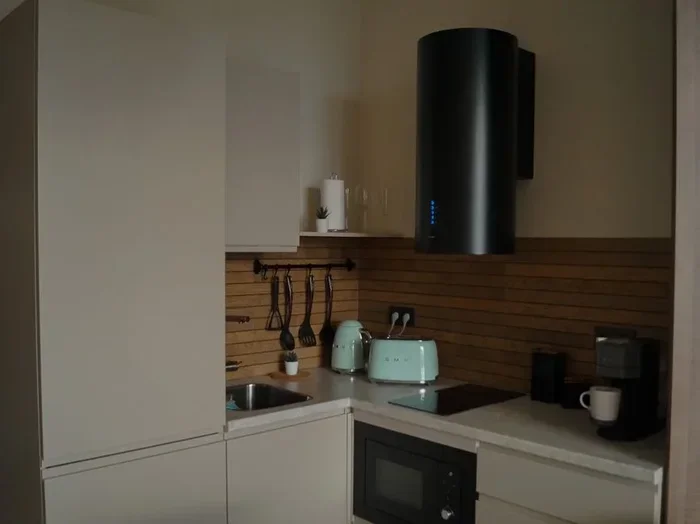
Cooktop Hoods You Need For A Better Cooking Experience
Information
Words: 2616
Characters: 15742
Reading time: 12
Cooktop hoods are essential for keeping your kitchen clean, fresh, and safe while cooking. They remove smoke, grease, and odors so you can enjoy meal prep without the mess. Choosing the right cooktop hood depends on your cooktop type, kitchen layout, and ventilation needs. This guide walks you through every option so you can make a confident decision.
Cooking should feel enjoyable, not stressful. One of the biggest game changers in any kitchen is a good cooktop hood. Whether you sear steaks, stir-fry veggies, or simmer sauces for hours, a reliable hood keeps the air clean and the kitchen comfortable.
But here is the thing not all hoods are created equal. The right one depends on your cooktop type, kitchen size, and how often you cook. A powerful range hood for a gas stove differs greatly from what you need for an electric or induction setup. That is exactly why we put this guide together.
In this article, you will learn about the different types of cooktop hoods, what features actually matter, and how to pick the best one for your space. We will also share practical tips on installation, cleaning, and maintenance so your hood lasts for years. Let us dive in.
Key Takeaways
- Cooktop hoods improve air quality: They pull smoke, grease, and cooking odors out of your kitchen before they spread.
- Multiple types exist: Ducted, recirculating, island, and downdraft hoods each suit different kitchen setups.
- CFM rating matters most: The higher the CFM, the more powerful the ventilation and airflow removal.
- Proper installation is key: Getting the height and ductwork right makes a big difference in performance.
- Regular cleaning keeps hoods working: Grease buildup reduces efficiency and can become a fire risk over time.
- Budget options exist for every need: You don’t need to spend a fortune to get solid cooktop ventilation.
📑 Table of Contents
- What Is A Cooktop Hood And Why Do You Need One?
- Types Of Cooktop Hoods Explained
- Key Features To Look For In A Cooktop Hood
- Cooktop Hoods Compared: Which One Is Right For You?
- Installation Tips For Maximum Performance
- Cleaning And Maintenance Tips
- Common Mistakes People Make When Choosing A Cooktop Hood
- Expert Insights On Choosing The Right Cooktop Hood
- Final Thoughts On Cooktop Hoods
What Is A Cooktop Hood And Why Do You Need One?
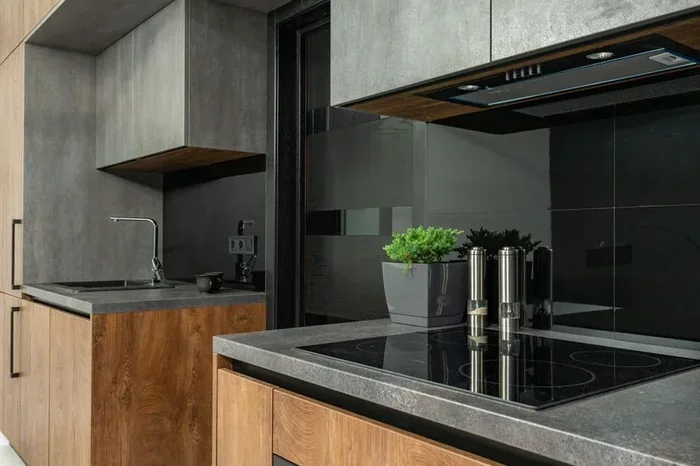
A cooktop hood is a device mounted above your cooking surface. Its main job is to capture smoke, steam, grease particles, and cooking odors before they spread through your kitchen. Think of it as your kitchen’s personal air cleaner.
Without proper cooktop ventilation, grease settles on your cabinets and walls. Smoke stains your ceilings. And strong cooking smells linger for hours. A good hood solves all of these problems at once.
Here is what a cooktop hood does for you on a daily basis:
- Removes airborne grease and smoke before they coat your kitchen surfaces.
- Eliminates cooking odors so your kitchen smells fresh after every meal.
- Reduces excess moisture from boiling and steaming, which helps prevent mold.
- Improves indoor air quality by filtering out harmful particles from gas combustion.
- Adds value to your home since buyers look for updated kitchen ventilation systems.
If you have ever walked into a kitchen after someone fried fish and felt like you could taste it, you already know why a hood is so important. It is not just a nice-to-have. It is a must-have for any serious home cook.
Types Of Cooktop Hoods Explained
Not every kitchen is the same. That is why cooktop hoods come in several different styles. Each type works best with certain kitchen layouts and cooktop setups. Let us break them down so you can find the right fit.
Ducted Range Hoods
A ducted range hood vents air outside through a duct or chimney. This is the gold standard for kitchen ventilation. Because the air goes outside, you get the strongest and most effective removal of smoke and grease.
Ducted hoods are ideal for kitchens with exterior walls nearby. They require proper ductwork installation, which can add to the upfront cost. But the performance gain is well worth it. If you do heavy cooking often, a ducted setup is the way to go.
For more guidance on selecting the right ducted setup, check out our Best Ducted Range Hoods For Gas Stoves review.
Recirculating Range Hoods
A recirculating range hood filters air through charcoal or grease filters and pushes it back into the kitchen. It does not vent outside, which makes installation much easier. These hoods work well in apartments or kitchens where running ductwork is not practical.
The trade off is that recirculating hoods are less powerful than ducted options. They also need regular filter replacements to keep working effectively. For light to moderate cooking, they do the job just fine.
You can explore our Best Recirculating Range Hoods Reviewed to find a model that fits your needs.
Island Range Hoods
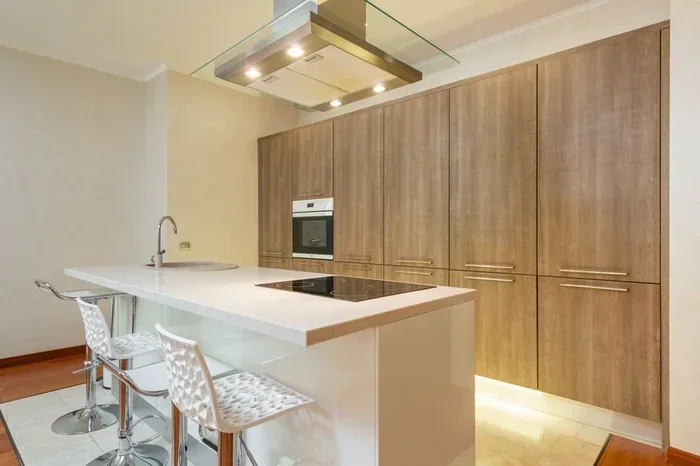
If you have a kitchen island with a cooktop, you need a special solution. Island range hoods hang from the ceiling and are designed to look great while pulling smoke downward. They are a popular choice for open-concept kitchens.
These hoods make a bold design statement. They come in many styles, from sleek modern designs to rustic wood finishes. The key challenge is proper installation, since they need to be securely mounted to the ceiling. For the best options, see our Best Island Range Hoods Reviewed guide.
Downdraft Ventilation Systems
A downdraft ventilation system pulls air downward instead of upward. The hood retracts into the countertop or sits at the back of the cooktop. This is a great option for kitchens with low ceilings or open layouts where a traditional hood would feel bulky.
Downdraft systems work best with electric and induction cooktops. They are less effective with high-heat gas cooking because the rising smoke can be harder to capture. Still, they offer a clean, minimalist look that many homeowners love.
Key Features To Look For In A Cooktop Hood
Shopping for a cooktop hood can feel overwhelming. There are so many brands, sizes, and features to consider. Here are the most important factors that will help you make a smart choice.
CFM Rating
CFM stands for cubic feet per minute. It measures how much air the hood can move. The higher the CFM, the stronger the cooktop ventilation. For most home kitchens, a hood rated between 400 and 600 CFM works well. If you cook with a gas stove or do a lot of high-heat cooking, aim for 600 CFM or higher.
Noise Level
Nobody wants a hood that sounds like a jet engine. Range hood noise is measured in sones. Lower numbers mean quieter operation. Look for hoods rated below 6 sones for a comfortable cooking experience. Some premium models include noise-reduction technology that makes a big difference.
Hood Size And Clearance
The hood should be at least as wide as your cooktop. For a 36-inch cooktop, choose a hood that is 36 inches or wider. Proper hood height also matters. Most manufacturers recommend 24 to 30 inches of clearance between the cooktop surface and the bottom of the hood.
Too close and you risk hitting your pots. Too far and the hood loses suction power. Getting this distance right is one of the simplest ways to boost performance.
Filter Type
Cooktop hoods use either aluminum mesh filters or charcoal filters. Aluminum filters catch grease and are washable. Charcoal filters absorb odors and are not washable. They need to be replaced every few months depending on how much you cook.
Some models include both filter types for complete air cleaning. This combination gives you the best of both worlds grease removal and odor control.
Lighting
Good lighting under the hood makes a huge difference in the kitchen. Most cooktop hoods come with LED lights built in. Look for models with adjustable brightness so you can set the right mood for cooking or entertaining.
Cooktop Hoods Compared: Which One Is Right For You?
Choosing between hood types can be tricky. The table below compares the most common options so you can see the strengths and weaknesses at a glance.
Ducted hoods deliver the best performance but need exterior access. Recirculating hoods are easier to install but less powerful. Island hoods look stunning but require ceiling support. Downdraft systems save space but work best with certain cooktop types.
Your cooking habits, kitchen layout, and budget should all guide your decision. There is no single best option. The right choice is the one that fits your specific needs.
Installation Tips For Maximum Performance
Even the best cooktop hood will underperform if it is not installed correctly. Here are some tips to make sure you get the most out of your new ventilation system.
First, always follow the manufacturer’s installation guide. Each hood has specific requirements for height, duct size, and airflow direction. Skipping these steps can reduce performance significantly.
Second, keep the duct run as short and straight as possible. Long or angled ducts create resistance and reduce airflow. If you must have bends, use gentle curves instead of sharp elbows.
Third, seal all joints with metal tape. Air leaks in the duct system waste energy and reduce cooktop ventilation effectiveness. This small step makes a surprisingly big difference.
Fourth, make sure the hood is level and securely mounted. A wobbly hood is not only ineffective but also a safety hazard. If you are not confident in your installation skills, hire a professional. It is worth the peace of mind.
Cleaning And Maintenance Tips
A cooktop hood works hardest when you are cooking the messiest meals. That means it needs regular cleaning to stay effective. Here is how to keep your hood in top shape.
Wash the aluminum mesh filter in hot soapy water every two to four weeks. Soak it for 15 minutes to loosen built-up grease, then scrub gently with a soft brush. Rinse thoroughly and let it dry completely before reinstalling.
Replace charcoal filters every three to six months. You cannot wash them, so keeping spares on hand is a smart move. Most hood manufacturers sell replacement filters directly on their websites.
Wipe down the exterior of the hood after heavy cooking sessions. A quick wipe with a degreaser prevents stubborn buildup. For tough grease stains, let the cleaner sit for a few minutes before wiping.
Check the blower motor and fan blades annually. Dust and grease can accumulate on the motor, which reduces airflow and increases noise. A clean motor runs quieter and lasts longer.
For specific guidance on maintaining downdraft systems, you might find our How To Clean Jenn Air Cooktop Downdraft article helpful for detailed steps.
Regular maintenance not only keeps your hood performing at its best. It also reduces fire risk and extends the life of your equipment. A few minutes of cleaning each week saves you from costly repairs down the road.
Common Mistakes People Make When Choosing A Cooktop Hood
Avoiding these common mistakes can save you time, money, and frustration.
Mistake 1: Choosing based on looks alone. A beautiful hood that does not move enough air will leave your kitchen greasy and smoky. Always prioritize performance over appearance.
Mistake 2: Ignoring the CFM rating. A low CFM hood cannot keep up with heavy cooking. Check the rating and match it to your cooking style and kitchen size.
Mistake 3: Wrong hood size. A hood that is too narrow leaves gaps where smoke escapes. Always match or exceed the width of your cooktop.
Mistake 4: Forgetting about ductwork. Recirculating hoods are not a lazy shortcut. They work, but they need filter replacements and are less effective overall. If you can install ductwork, do it.
Mistake 5: Skipping regular cleaning. Even the most powerful cooktop hood becomes useless with a clogged filter. Make cleaning part of your kitchen routine.
Mistake 6: Not considering kitchen layout. An island hood in a galley kitchen will not work well. Think about your kitchen’s flow and choose a hood that fits the space naturally.
Expert Insights On Choosing The Right Cooktop Hood
We asked kitchen designers and ventilation experts what they look for when recommending a cooktop hood. Their top advice is simple: match the hood to how you cook.
If you are a frequent stir-fry cook or someone who sears meats regularly, you need serious airflow. A ducted hood with a high CFM rating will serve you best. For casual cooks who mostly simmer and sauté, a recirculating model can work just fine.
Design experts also emphasize the importance of balance. The hood should complement your kitchen style without overpowering it. In modern kitchens, a sleek stainless steel ducted hood looks clean and professional. In rustic spaces, a wood-front island hood adds warmth and character.
The bottom line is that the best cooktop hood is the one that fits your cooking habits, your kitchen layout, and your budget. When all three align, you get a setup that truly enhances your daily cooking experience.
Final Thoughts On Cooktop Hoods
A cooktop hood is one of the most important investments you can make in your kitchen. It protects your home from grease and smoke damage. It keeps the air fresh and healthy. And it makes cooking more enjoyable every single day.
Take the time to understand your options. Consider your cooktop type, kitchen size, and ventilation needs. Whether you choose a powerful ducted range hood, a convenient recirculating model, or a stylish island hood, the right choice will transform your cooking experience.
Start by measuring your cooktop and checking your kitchen layout. Then explore the options we have covered in this guide. With the right cooktop hood in place, you will wonder how you ever cooked without one.
For more ideas on how hoods look in real kitchens, browse our Best Pictures Of Kitchen Hoods For Ranges gallery for inspiration.
Frequently Asked Questions
What is the best type of cooktop hood for a small kitchen?
A recirculating range hood or a downdraft ventilation system works best in small kitchens. They do not require ductwork and save valuable ceiling space. Look for a compact model with a CFM rating of at least 400 for solid performance.
How far should a cooktop hood be from the stove?
Most manufacturers recommend 24 to 30 inches of clearance between the cooktop surface and the bottom of the hood. This distance ensures effective smoke capture without the risk of the hood blocking your cooking space or getting too close to the flames.
Can I install a cooktop hood myself?
Yes, if you have basic DIY skills and your kitchen layout allows for straightforward installation. Ducted hoods require running a duct to an exterior wall, which can be challenging. Recirculating hoods are the easiest to install since they do not need external venting.
How often should I replace the filters on my cooktop hood?
Aluminum mesh filters should be washed every two to four weeks and replaced once a year. Charcoal filters need replacement every three to six months depending on how frequently you cook. Regular filter maintenance keeps your hood working at peak efficiency.
Do downdraft cooktop hoods work as well as traditional range hoods?
Downdraft systems work well for light to moderate cooking. They are less effective than traditional overhead hoods for high-heat cooking like wok frying or searing. If you mostly simmer, sauté, or use an induction cooktop, a downdraft hood can serve you very well.
What CFM rating do I need for a gas cooktop?
For a standard gas cooktop, aim for a hood with at least 400 to 600 CFM. If you frequently cook at very high heat or use multiple burners simultaneously, choose a model rated at 600 CFM or higher. This ensures your cooktop ventilation keeps up with the smoke and grease output.