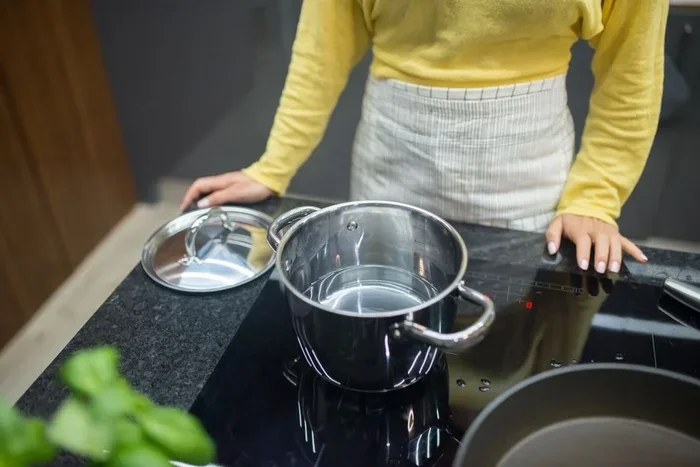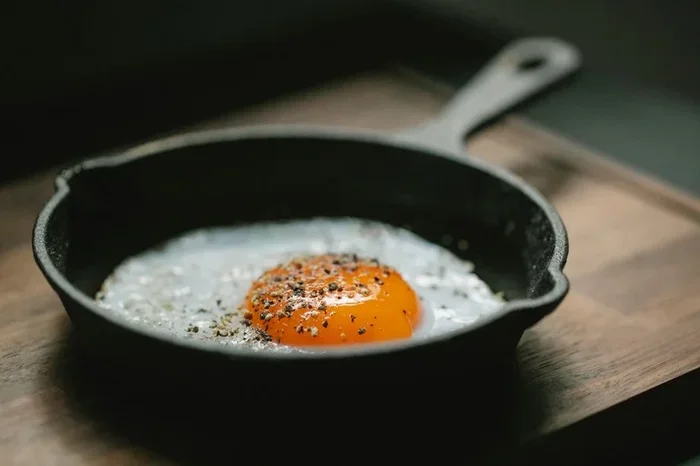
Yes, cast iron works on induction cooktops because it is a ferromagnetic material that interacts directly with the magnetic field to generate heat efficiently. This means your trusty cast iron skillet, Dutch oven, and other seasoned cookware are fully compatible and ready to use on an induction cooktop right now. The key requirement is that the cookware must have a flat bottom and contain enough iron to trigger the induction mechanism, so always check before cooking.
Key Takeaways
- Cast iron works on induction cooktops because it is ferromagnetic and conducts magnetic fields effectively.
- Check the bottom surface — smooth, flat cookware ensures proper contact with the induction coil.
- Seasoned cast iron heats evenly, making it ideal for precise induction cooking results.
- Avoid rough or warped bottoms as they can scratch glass induction surfaces.
- Lift cookware when stirring to maintain consistent heating and avoid temperature drops.
- Clean cast iron properly after each use to preserve its induction-compatible performance.
- Verify cookware compatibility with a magnet test before purchasing induction-safe cast iron.
📑 Table of Contents
- What Is an Induction Cooktop and How Does It Work
- Why Cast Iron Works So Well on Induction Cooktops
- What to Look for When Buying Cast Iron for Induction
- Common Problems and How to Fix Them
- Best Cast Iron Cookware for Induction Cooktops
- Tips for Getting the Most Out of Cast Iron on Induction
- Final Thoughts on Cast Iron and Induction Cooktops
What Is an Induction Cooktop and How Does It Work
Induction cooking is one of the fastest-growing kitchen technologies today. But how does it actually work? An induction cooktop uses an electromagnetic field to heat cookware directly. The cooktop itself stays cool. Only the pan gets hot.
This happens because the cooktop sends an electrical current through a coil beneath the glass surface. That current creates a magnetic field. When you place compatible cookware on the surface, the magnetic field makes the metal vibrate. That vibration creates heat. It is fast. It is efficient. And it changes the way you cook.
Not every pan works on an induction cooktop. The cookware needs a ferromagnetic base. That means the metal must respond to magnets. Cast iron does this perfectly. So does magnetic stainless steel. Aluminum and copper alone will not work. You need a pan that can interact with that magnetic field. This is the key to understanding cast iron on induction cooktop performance.
Why Cast Iron Works So Well on Induction Cooktops
Here is the good news. Cast iron is one of the best materials for induction cooking. It is naturally magnetic. The iron in cast iron responds strongly to the electromagnetic field. That means it heats up quickly and evenly. You get excellent heat retention too.
Cast iron is dense. It holds heat for a long time. This gives you great cooking performance on an induction hob. When you sear a steak or fry eggs, the temperature stays consistent. You do not get hot spots the way you might with thinner pans.
The Science Behind the Magnetic Connection
Cast iron contains a high percentage of iron. Iron is a ferromagnetic material. This means it is naturally attracted to magnets. Induction cooktops rely on this exact property. The coil underneath the glass creates a fluctuating magnetic field. That field penetrates the bottom of your pan. It makes the iron molecules inside the pan vibrate rapidly. Those vibrations produce heat. The pan heats itself from the inside out.
This is different from gas or electric stoves. Those methods heat the burner first. Then the burner heats the pan. Induction skips that middle step. The pan heats directly. This is why cast iron induction cooktop setups are so efficient. You waste less energy. Your food cooks faster. And you have more control over the temperature.
Heat Retention and Even Cooking
One of the biggest advantages of cast iron is its heat retention. Once it is hot, it stays hot. This is perfect for induction cooking because the response time is already fast. You get the best of both worlds. Quick heating and long-lasting warmth.
Think about searing a burger. You want that intense, consistent heat. Cast iron delivers it. The dense material spreads the heat across the entire cooking surface. You get a beautiful sear without cold spots. This makes cast iron a top choice for anyone using an induction-compatible cookware setup.
What to Look for When Buying Cast Iron for Induction
Not all cast iron cookware is created equal. Some pieces work better on induction than others. Here is what you need to know before you buy.
Flat Bottom Is Essential
The bottom of your pan must be flat. Induction cooktops need full contact with the base. A warped or curved bottom will not work well. It will heat unevenly. Some pans might not turn on at all. Always check the bottom of the pan before you purchase it.
Look for pans labeled induction-ready or induction-compatible. These are designed with a flat base that makes full contact with the cooktop surface. A good flat bottom ensures the magnetic field connects properly. This gives you consistent heating every time.
Weight and Thickness Matter
Cast iron is heavy. That is not a bad thing. The weight actually helps with heat retention. Thicker pans retain heat better. They also resist warping. But heavy pans can be hard to handle. If you have wrist issues, consider a smaller piece first.
A 12-inch pre-seasoned cast iron skillet is a great starting point. It is heavy enough to hold heat well but still manageable for most cooks. You get the magnetic cookware benefits without sacrificing usability.
Pre-Seasoned vs. Unseasoned
Pre-seasoned cast iron comes with a protective layer already applied. This makes it ready to cook with right out of the box. Unseasoned cast iron needs more work. You have to build up the seasoning yourself over time.
Both types work on induction. The seasoning does not affect the magnetic properties. But pre-seasoned pans save you time and effort. They also tend to have better non-stick performance from day one. If you are new to cast iron, pre-seasoned is the way to go.
Common Problems and How to Fix Them
Cast iron on induction cooktop setups work great. But sometimes you run into issues. Here are the most common ones and how to solve them.
Pan Not Heating Up
If your cast iron pan is not heating, check the bottom. Is it clean? Is it flat? A dirty or warped base can prevent proper contact with the induction surface. Wipe the bottom of the pan before you place it on the cooktop. Even a thin layer of residue can interfere with the magnetic connection.
Also make sure the pan size matches the burner size. Induction cooktops detect the pan size. If the pan is too small, it might not turn on. Most induction cooktops need a pan base of at least 4 to 5 inches in diameter.
Uneven Heating
Uneven heating usually comes from a warped bottom or a dirty cooktop surface. Glass induction surfaces need to be clean for the pan to make proper contact. Wipe the cooktop before and after every use.
If the pan itself is warped, you might be able to fix it. Place the pan on a flat surface and check for wobble. Sometimes gentle hammering on a solid surface can flatten a slightly warped base. But severely warped pans should be replaced.
Food Sticking to the Surface
Cast iron needs proper seasoning to be non-stick. If food sticks, your seasoning might be thin or patchy. Re-season the pan by applying a thin layer of oil and baking it upside down in the oven at 450 degrees for an hour.
Also make sure the pan is hot before you add food. A properly heated cast iron pan creates a natural non-stick surface. This is one of the great benefits of cast iron induction cooktop cooking. The rapid and even heating helps build and maintain a good seasoning layer.
Best Cast Iron Cookware for Induction Cooktops
There are many great cast iron options on the market. Here are some of the best choices for induction cooking. Each one offers something different depending on your needs.
12-Inch Pre-Seasoned Skillets
A 12-inch pre-seasoned cast iron skillet is the most versatile piece you can own. It works on induction cooktops beautifully. You can sear, fry, bake, and sauté with it. The flat bottom ensures full contact with the induction surface. The pre-seasoned finish means you can start cooking immediately.
Look for skillets with pour spouts and helper handles. These small features make a big difference when you are cooking. They give you better control and make pouring easier.
Cast Iron Dutch Ovens
A cast iron Dutch oven is perfect for soups, stews, and braises. It works wonderfully on an induction cooktop. The heavy lid traps moisture. The thick walls distribute heat evenly. You get restaurant-quality results at home.
If you are looking for a Dutch oven, check out our guide on the best cast iron Dutch ovens compared. It covers the top options and helps you pick the right size for your kitchen.
Cast Iron Skillet and Dutch Oven Sets
For the best value, consider buying a set. A cast iron skillet and Dutch oven set gives you both pieces you need for everyday cooking. Sets are often more affordable than buying each piece separately. They also usually come in matching sizes and styles.
When shopping for a set, make sure both pieces are induction-compatible. Most quality cast iron sets are. But always double-check the product description. Look for terms like induction-safe or induction-ready on the packaging.
Enameled Cast Iron Options
Enameled cast iron has a glass-like coating on the inside and outside. It works on induction cooktops just as well as bare cast iron. The enamel makes the pan easier to clean. It also prevents rust. You do not need to season enameled cast iron the same way you do bare cast iron.
The trade-off is price. Enameled cast iron costs more than bare cast iron. But it requires less maintenance. If you want the heat retention of cast iron without the seasoning work, enameled is a great choice.
Tips for Getting the Most Out of Cast Iron on Induction
Using cast iron on an induction cooktop is simple. But a few tips can help you get the best results every time.
- Preheat gradually. Cast iron heats slowly. Give it 3 to 5 minutes on medium heat before adding food. This prevents thermal shock and ensures even heating.
- Use the right oil. Oils with high smoke points work best. Avocado oil, grapeseed oil, and vegetable oil are excellent choices. They can handle the high heat cast iron produces.
- Clean it properly. Avoid soap if your pan is well-seasoned. Warm water and a stiff brush are usually enough. For stuck-on food, use chain mail scrubber for cast iron or a stiff nylon brush.
- Dry it immediately. Cast iron rusts easily when wet. Always dry your pan thoroughly after washing. A quick wipe with a paper towel works well.
- Store it carefully. Place a paper towel inside the pan before storing. This absorbs moisture and prevents rust. It also keeps the seasoning intact.
- Re-season regularly. Even the best-seasoned cast iron benefits from occasional re-seasoning. Do this every few months or whenever you notice food sticking.
Quick Comparison: Cast Iron vs. Other Induction Cookware
| Feature | Cast Iron | Magnetic Stainless Steel | Enameled Cast Iron |
|---|---|---|---|
| Induction Compatible | Yes | Yes | Yes |
| Heat Retention | Excellent | Good | Excellent |
| Weight | Heavy | Medium | Heavy |
| Maintenance | Moderate | Easy | Easy |
| Price Range | Budget to Mid | Mid to High | Mid to High |
| Non-Stick Ability | Good (when seasoned) | Fair | Very Good |
| Durability | Excellent | Good | Very Good |
As you can see, cast iron holds its own against other induction-compatible cookware options. It offers the best heat retention in most cases. The trade-off is weight and maintenance. But for many cooks, that trade-off is worth it. The cooking results speak for themselves.
Expert Insight: Why Chefs Love Cast Iron on Induction
Professional chefs have long trusted cast iron. It works beautifully on induction cooktops. The magnetic properties make it a natural fit. The heat retention gives chefs precise control over their cooking. Whether you are searing a steak or baking cornbread, cast iron delivers.
The magnetic cookware connection between cast iron and induction is not just a technical detail. It is a practical advantage. You get fast, even heating with excellent temperature stability. That is why so many home cooks are switching to cast iron for their induction kitchens.
Final Thoughts on Cast Iron and Induction Cooktops
The short answer is yes. Cast iron works on induction cooktops and works incredibly well. The magnetic properties of cast iron make it a natural match for induction technology. You get fast heating, excellent heat retention, and consistent cooking performance.
Whether you choose a simple skillet or a full set, cast iron will serve you well on an induction cooktop. Just make sure your pieces have flat bottoms and are labeled induction-compatible. Take care of your cast iron properly, and it will last for generations.
If you are ready to upgrade your induction kitchen, start with a quality cast iron skillet. It is the single most versatile piece of cookware you can own. Combine it with the right knowledge and a little practice, and you will be cooking restaurant-quality meals at home in no time.
Frequently Asked Questions
Does Cast Iron Work on an Induction Cooktop Right Now?
Yes, cast iron works perfectly on induction cooktops. The material is magnetic and ferromagnetic, which means it interacts directly with the induction coil to generate heat. If your cast iron skillet sticks to a magnet, it will work on your induction cooktop.
Why Does Cast Iron Work on Induction Cooktops?
Induction cooktops use electromagnetic fields to heat cookware directly. Cast iron contains iron, which is a ferromagnetic material that responds to these fields. This makes cast iron one of the most compatible materials for induction cooking.
Will a Cast Iron Pan Scratch an Induction Cooktop?
Cast iron can scratch glass induction surfaces if you drag it across the cooktop. Always lift the pan when moving it instead of sliding it. Seasoning the bottom of your pan also helps reduce the risk of scratching.
Do All Cast Iron Skillets Work on Induction Cooktops?
Most traditional cast iron skillets work great on induction because they are made from pure iron. However, some enameled cast iron brands may have a non-magnetic coating layer that could cause issues. Always test with a magnet before assuming a pan will work on induction.
What Is the Best Cast Iron for Induction Cooking?
Lodge, Staub, and Le Creuset are popular choices that work well on induction. Lodge offers affordable and heavy-duty options, while enameled brands provide a smoother cooking surface. Look for pans labeled as induction-compatible to be sure.
Can You Use Enameled Cast Iron on an Induction Cooktop?
Yes, enameled cast iron works on induction as long as the base contains a magnetic layer. The enamel coating does not block the electromagnetic field from reaching the iron core. Check the product label to confirm induction compatibility before buying.