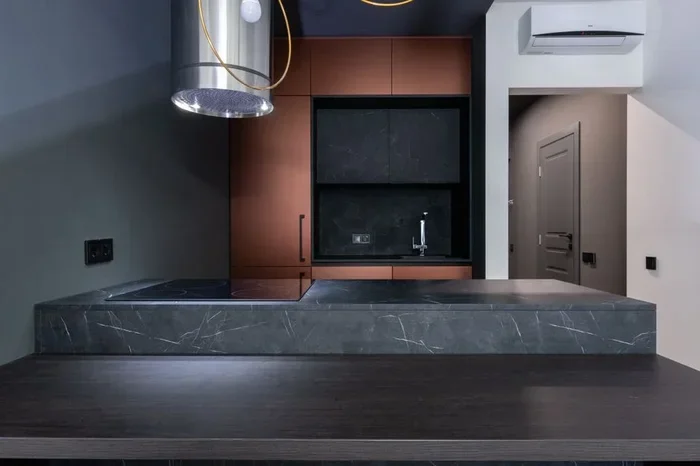
Yes, most induction cooktops require 220 volts to operate efficiently at home. Standard US outlets provide 110V, which is often insufficient for full-powered induction cooking. Understanding your induction cooktop voltage needs helps you avoid installation mistakes and ensures safe, fast performance.
This is a comprehensive guide about Does Induction Cooktop Require 220.
Key Takeaways
- Most induction cooktops need 220V: Standard 110V outlets won’t power full-sized induction cooktops properly.
- Check your country’s voltage standard: Homes in the US use 110V, while many other countries use 220V–240V.
- A dedicated circuit is essential: Induction cooktops need their own circuit breaker for safe operation.
- Portable induction cooktops exist for 110V: Some smaller units work on standard outlets.
- Using a voltage converter has limits: It can work but may reduce performance and pose safety risks.
- Professional installation is recommended: An electrician ensures your home’s electrical system can handle the load.
[FEATURED_IMAGE_PLACEHOLDER]
Does Induction Cooktop Require 220 Volts to Work at Home
If you are shopping for a new induction cooktop, you have probably seen the number 220 volts everywhere. It can feel confusing. You might wonder whether your kitchen outlet can handle it. The short answer is that most full-sized induction cooktops do need 220 volts to work properly. But there is more to the story than just that simple fact.
Understanding your induction cooktop voltage requirements saves you time, money, and frustration. It also keeps your kitchen safe from electrical hazards. In this guide, we break down everything you need to know. We cover how induction cooking works, what voltage your home needs, and what to do if your kitchen only has 110V outlets. By the end, you will know exactly what to expect.
Let us walk through the details together. Whether you are a first-time buyer or upgrading your current setup, this article has you covered.
What Is an Induction Cooktop and How Does It Work
Before we dive into voltage, let us quickly cover how induction cooking actually works. Unlike traditional gas or electric cooktops, an induction cooktop does not heat a burner. Instead, it uses a magnetic field to heat the cookware directly. When you place a compatible pan on the surface, the electromagnetic coil underneath creates an electric current inside the metal of the pan. That current generates heat almost instantly.
This is why induction cooktop 220 volts matters so much. The magnetic field needs serious power to work efficiently. A standard 110V outlet simply cannot deliver enough energy for consistent, high-heat cooking. That is why most manufacturers design their units for 220V or 240V circuits.
Think of it this way. A gas stove can heat up fast because gas burns with a lot of energy. An induction cooktop needs the same kind of energy, but from electricity. The higher the voltage, the more power it can draw, and the faster it heats your food.
Does Your Home Have 220V Outlets
The next question most people ask is whether their home already has 220V outlets. The answer depends on where you live and how old your home is.
Voltage Standards by Country
Different countries use different voltage standards for their home electrical systems. In the United States and Canada, most residential outlets provide 120V, which is commonly referred to as 110V. This is standard for most household devices like lamps, phone chargers, and small kitchen appliances.
However, many countries around the world use 220V to 240V as their standard. If you live in Europe, Asia, or Australia, your kitchen outlets likely already support the voltage an induction cooktop needs. This makes installation much simpler in those regions.
Here is a quick look at common voltage standards:
- United States and Canada: 120V (standard outlets)
- Europe and much of Asia: 220V–240V
- Some older US homes: May already have 240V outlets for dryers or ovens
How to Check Your Kitchen Outlet Voltage
You can check whether your kitchen has a 220V outlet in a few simple ways. First, look at your electrical panel. If you see a double-pole breaker that is rated for 30 or 50 amps, there is a good chance a 220V outlet exists somewhere in your kitchen. Second, check the outlet itself. A standard 110V outlet has two vertical slots and a round ground pin. A 220V outlet is larger and often has three or four slots arranged differently.
When in doubt, hire a licensed electrician. They can test your outlet and confirm the voltage in seconds. This is a small investment that saves you from costly mistakes later.
Why Induction Cooktops Need 220 Volts
Now let us get to the heart of the matter. Why exactly does an induction cooktop need 220 volts? The answer comes down to power and performance.
Induction cooktops draw a significant amount of electricity. A typical unit uses between 1,800 and 3,700 watts of power. On a 110V circuit, that would require an enormous amount of amperage. A 110V outlet can only safely handle about 15 to 20 amps. That means a 110V circuit maxes out around 1,800 watts at best. This is barely enough to power one heating element on most induction cooktops.
A 220V circuit, on the other hand, can handle much more power. With a 30-amp breaker, it can safely deliver up to 7,200 watts. Even a 20-amp circuit provides 4,400 watts. This gives the induction cooktop the power it needs to reach high temperatures quickly and maintain consistent heat.
Using a 110V outlet with a unit designed for 220V leads to poor performance. The cooktop may not heat up properly. It might shut off unexpectedly. In some cases, it could trip your circuit breaker repeatedly. That is why matching the induction cooktop voltage to your home’s electrical system is so important.
Can You Use an Induction Cooktop on a 110V Outlet
This is one of the most common questions we get. The good news is that yes, you can use some induction cooktops on a 110V outlet. But there are important limitations to understand.
Portable and compact induction cooktops are often designed to work on standard 110V–120V outlets. These units typically draw less power, usually between 1,200 and 1,800 watts. They work fine for simple tasks like boiling water, making pancakes, or heating up a quick meal. However, they cannot match the speed and power of a full-sized 220V induction cooktop.
For larger cooktops with multiple burners, 110V simply will not work. These units need the extra power that only a 220V circuit can provide. Trying to run a full-sized induction cooktop on a standard outlet can damage the unit and create a fire hazard.
If you live in a home with only 110V outlets and want a powerful induction cooktop, you have a few options. You can have an electrician install a dedicated 220V circuit. You can also look into dual voltage cooktop models that work on both 110V and 220V. And for some smaller cooking tasks, a portable 110V unit can be a great temporary solution.
Quick Tips for 110V Induction Cooking
- Choose a portable unit rated for 110V–120V use.
- Do not use extension cords with induction cooktops.
- Keep the cooktop on a flat, heat-resistant surface.
- Use best non stick cookware for induction cooktop for easy food release and efficient heating.
- Check the wattage rating before purchasing any portable unit.
Installation Requirements for a 220V Induction Cooktop
Installing a 220V induction cooktop is not a DIY project for most homeowners. It requires working with high-voltage electrical systems, which can be dangerous if done incorrectly. Here is what you need to know about the installation process.
Dedicated Circuit
Every induction cooktop needs its own dedicated circuit. This means the circuit should not share power with any other appliances. A shared circuit can cause the breaker to trip, especially when the cooktop is running at full power. Most manufacturers recommend a dedicated 240V circuit with a 30 or 50 amp breaker, depending on the cooktop model.
Wire Gauge and Outlet Type
The wiring in your kitchen must match the cooktop’s power requirements. Thicker wire (lower gauge number) carries more current safely. A 30-amp circuit typically requires 10-gauge wire, while a 50-amp circuit needs 6-gauge wire. The outlet type also matters. Many induction cooktops use a NEMA 14-50 outlet, which is the same type used for electric dryers and ranges.
Because electrical work can be complex and dangerous, always hire a licensed professional. A certified electrician will ensure your home’s wiring meets local building codes. They will also make sure your residential electrical panel has the capacity to support the new circuit.
Hardwired vs. Plug-In Models
Some induction cooktops are hardwired directly into your home’s electrical system. Others come with a plug-in cord and cord connector for easier installation. Hardwired models tend to be more permanent and often offer higher power output. Plug-in models are more flexible if you plan to move the cooktop or switch to a different unit later.
Check the cooktop electrical requirements listed in the product manual before making a purchase. This will tell you exactly what type of circuit and outlet you need.
What Happens If You Use the Wrong Voltage
Using the wrong voltage with your induction cooktop is a serious mistake. Let us look at what can go wrong and why you should always match the voltage correctly.
If you plug a 220V cooktop into a 110V outlet, the unit will not work properly. It may produce very little heat, or it may not work at all. The cooktop’s internal electronics may struggle to function, leading to error codes or shutdowns. Over time, running on insufficient voltage can damage the induction coil and other internal components.
On the flip side, plugging a 110V cooktop into a 220V outlet is even more dangerous. The unit will draw far more power than it was designed for. This can cause the cooktop to overheat, melt internal wiring, or even start a fire. In most cases, the unit will be destroyed immediately.
This is why reading the induction cooktop 220 volts specifications carefully before buying is so important. Always check the label on the back of the unit or in the product manual. It will clearly state the voltage requirement and the recommended circuit type.
Using a Voltage Converter
Some people wonder if they can use a voltage converter to run a 220V cooktop on a 110V outlet. While voltage converters exist, they are not ideal for induction cooktops. These devices are bulky, expensive, and they reduce the power output significantly. A converter may allow the cooktop to turn on, but it will not deliver full performance. You will likely experience slow heating and inconsistent results.
In most cases, it is better to have an electrician install a proper 220V circuit than to rely on a voltage converter. The converter adds cost, takes up space, and introduces potential safety issues.
Best Cookware to Pair With Your Induction Cooktop
Getting the right voltage is only half the equation. You also need the right cookware. Induction cooktops work by creating a magnetic field, so your pots and pans must be magnetic to work properly. Stainless steel, cast iron, and carbon steel are all great choices. Non-stick pans with an induction-compatible base are also widely available.
For the best results, look for high-quality best pots and pans set for induction cooktop options that are designed specifically for electromagnetic heating. These sets are built to distribute heat evenly and respond quickly to temperature changes. The right cookware makes a big difference in your cooking experience and helps you get the most out of your induction cooktop.
If you are looking for a great cooking surface, consider a best double burner griddle for induction cooktop as a versatile addition to your kitchen. It expands your cooking options and works beautifully with the fast, responsive heating of induction technology.
Common Mistakes People Make With Induction Cooktop Voltage
Even with the best intentions, people make mistakes when setting up their induction cooktops. Here are the most common errors to avoid.
- Assuming any outlet will work. Not all outlets provide 220V. Always verify before purchasing.
- Skipping the dedicated circuit. Sharing a circuit with other appliances causes breakers to trip and can damage the cooktop.
- Ignoring the amperage rating. Your circuit breaker must match the cooktop’s power draw. Too low a rating means constant tripping.
- Using old or damaged wiring. Outdated wiring in older homes may not support the power demands of modern induction cooktops.
- Not checking the product manual. Every model has specific electrical requirements. Read them before installation.
Avoiding these mistakes keeps your cooktop running smoothly and your kitchen safe. When you invest in a quality unit and install it correctly, you will enjoy fast, efficient cooking for years to come.
Expert Insights on Induction Cooktop Electrical Needs
We spoke with licensed electricians and kitchen appliance experts to get their take on induction cooktop voltage requirements. Here is what they had to say.
“The number one mistake we see is homeowners buying a 220V cooktop without checking their kitchen’s electrical setup first,” says a certified electrician with over 15 years of experience. “It is always best to verify your outlet voltage and circuit capacity before you shop. This saves time, money, and the headache of a failed installation.”
Another expert added that portable induction cooktops have improved dramatically in recent years. “If you live in a home with only 110V outlets, a high-quality portable unit can still deliver excellent cooking performance. Just manage your expectations. You will not get the same power as a full-sized 220V model, but for everyday cooking, it works well.”
These insights reinforce the importance of understanding your home’s electrical capabilities before making a purchase decision.
Conclusion
So, does an induction cooktop require 220 volts to work at home? For most full-sized models, the answer is yes. The induction cooktop 220 volts requirement is built into the design for good reason. It ensures fast, efficient, and safe cooking performance. Without the right voltage, you simply cannot get the full benefits of induction technology.
That said, smaller portable units can work on standard 110V outlets for lighter cooking tasks. And if your home does not have 220V outlets, an electrician can install one for you. The key is to plan ahead, check your home’s electrical system, and choose a cooktop that matches your setup.
Once you have the right voltage and a properly installed circuit, you will enjoy the speed, efficiency, and control that make induction cooking so popular. Pair your cooktop with quality best non stick cookware for induction cooktop options, and you are set for delicious meals every time. Take the time to get the electrical setup right, and your induction cooktop will reward you with years of excellent performance.
FAQs
Can I plug an induction cooktop into a regular kitchen outlet?
Most full-sized induction cooktops cannot plug into a standard 110V kitchen outlet. They need a dedicated 220V circuit to operate safely and effectively. Always check the voltage requirements listed in the product manual before purchasing.
How much does it cost to install a 220V outlet for an induction cooktop?
Installation costs vary depending on your home’s electrical setup and local labor rates. On average, hiring an electrician to install a dedicated 220V circuit costs between $200 and $800. This includes the outlet, wiring, and breaker installation.
Are there any induction cooktops that work on 110V outlets?
Yes, portable and compact induction cooktops are designed to work on standard 110V–120V outlets. These units are smaller, lower-powered, and ideal for simple cooking tasks. They are a great option if you cannot install a 220V circuit in your kitchen.
What size breaker do I need for an induction cooktop?
Most induction cooktops require a 30-amp or 50-amp dedicated breaker. The exact size depends on the cooktop’s wattage and power draw. Always refer to the manufacturer’s specifications and local electrical codes before installing the circuit.
Can I use an extension cord with my induction cooktop?
No, you should never use an extension cord with an induction cooktop. The high power draw can cause the cord to overheat, which creates a serious fire hazard. Always plug the cooktop directly into a dedicated 220V outlet.
Do all countries use 220V for induction cooktops?
No, voltage standards vary by country. While many countries use 220V to 240V, the United States and Canada use 120V as their standard. If you are traveling or moving internationally, check the local voltage and compatibility of your cooktop before use.
Frequently Asked Questions
What is Does Induction Cooktop Require 220?
Does Induction Cooktop Require 220 is an important topic with many practical applications.