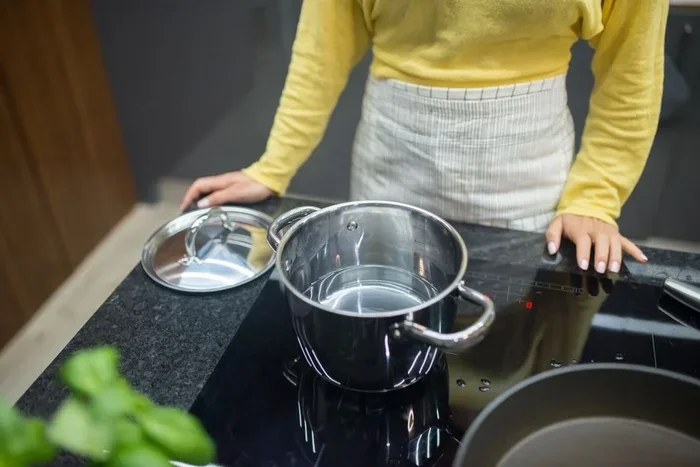
Induction cooktops use a magnetic field to heat your cookware directly, not the surface beneath it. This technology makes cooking faster, safer, and more energy efficient than traditional electric or gas stoves. Switching to an induction cooktop means you get precise temperature control, a cool cooktop surface, and instant heat response. If you have not tried induction cooking yet, this guide will show you exactly how it works and why it is worth the switch.
Have you ever wondered what makes an induction cooktop different from a regular electric or gas stove? The answer lies in the science of electromagnetism. Instead of heating a burner and transferring that heat to your pot, an induction cooktop creates a magnetic field that heats the cookware itself. This might sound like science fiction, but it is real, practical, and rapidly becoming the go-to choice for home cooks and professional chefs alike.
Switching to induction cooking is not just a trend. It is a smart upgrade that brings faster heating, better energy efficiency, and improved safety to your kitchen. In this article, we will break down exactly how an induction cooktop works, compare it to other cooktop types, and show you why making the switch is one of the best decisions you can make for your cooking experience.
Whether you are building a new kitchen or upgrading your current setup, understanding induction technology helps you make an informed choice. Let us dive in and explore everything you need to know about this amazing cooking technology.
Key Takeaways
- Electromagnetic Heating: Induction cooktops use a magnetic field to heat the cookware directly, not the cooktop surface.
- Faster Cooking: Induction technology heats up much quicker than gas or electric cooktops, saving you time.
- Energy Efficient: Because heat goes directly into the pot, less energy is wasted, lowering your electricity bills.
- Safety First: The cooktop surface stays cool, reducing burn risks and making cleanup easy.
- Compatible Cookware Matters: You need ferromagnetic pots and pans for induction cooking to work properly.
- Precise Control: Induction cooktops offer responsive temperature adjustments for better cooking results.
📑 Table of Contents
How Do Induction Cooktops Work
The science behind induction cooking is fascinating but simple to understand. At its core, an induction cooktop relies on electromagnetic energy to generate heat directly inside your cookware. Here is a step-by-step look at the process.
The Electromagnetic Coil
Under the smooth glass surface of an induction cooktop, there is a coil of copper wire. When you turn on the cooktop and place a compatible pot on it, electricity flows through this coil. This creates an alternating magnetic field right above the coil.
Now here is the key part. This magnetic field does not heat the glass surface. Instead, it passes right through the cookware and creates small electrical currents inside the metal of the pot itself. These currents, called eddy currents, generate heat directly in the walls and bottom of your cookware.
Why the Cooktop Stays Cool
Because the heat is generated inside the pot and not by a hot burner, the cooktop surface stays surprisingly cool. This is one of the biggest advantages of induction technology. If you accidentally leave a spoon on the cooktop, it will not burn you the way it would on a gas or electric stove.
This also means that spills and splatters do not bake onto the surface while you cook. Cleanup becomes incredibly quick and easy. A simple wipe with a damp cloth is usually all you need.
What Makes Cookware Compatible
Not every pot or pan works with an induction cooktop. The cookware must be ferromagnetic, meaning it needs to contain iron or steel. When the magnetic field interacts with ferromagnetic material, it creates the resistance needed to generate heat.
You can test if your cookware is compatible by holding a magnet to the bottom of the pan. If the magnet sticks firmly, your pan will work on an induction cooktop. If it does not stick, you will need to switch to compatible cookware.
For a full guide on what works best, check out our article on the best non-stick cookware for induction cooktop. It covers the top-rated options that pair perfectly with induction technology.
Benefits of Switching to Induction Cooking
Now that you understand the basics of how induction cooktops work, let us look at why so many people are making the switch. The benefits go far beyond just how the technology works.
Faster Heating Times
One of the most noticeable differences when you switch to induction cooking is the speed. An induction cooktop can boil water in about half the time it takes a traditional electric cooktop. This is because the heat is generated directly in the pot, not transferred through a burner or heating element.
For busy weeknights, this speed difference is a game changer. You can get dinner on the table faster without sacrificing quality or control.
Energy Efficiency
Induction cooktops are remarkably energy efficient. Traditional gas stoves lose a lot of heat to the surrounding air. Electric cooktops also waste energy by heating a burner that then transfers heat to the pot. With induction, nearly all the energy goes directly into the cookware.
Studies show that induction cooking is about 85 to 90 percent energy efficient, compared to roughly 40 percent for gas and 70 percent for standard electric. This means lower energy bills and a smaller environmental footprint.
Precise Temperature Control
If you love cooking techniques that require careful temperature management, induction technology is a dream come true. Induction cooktops respond to temperature changes almost instantly. You can go from a rolling boil to a gentle simmer in seconds.
This level of control makes induction perfect for delicate tasks like melting chocolate, simmering sauces, or poaching eggs. Professional chefs have long embraced induction for this very reason.
Enhanced Safety Features
Safety is a major advantage of induction cooktops. Since the surface does not get hot, the risk of burns is significantly reduced. Many models also include auto shut-off features, pan detection, and child lock settings.
If you have young children at home, an induction cooktop adds an extra layer of peace of mind. The cooktop only generates heat when it detects a compatible pot placed on it.
Induction Cooktop vs Gas vs Electric: A Comparison
Choosing the right cooktop can feel overwhelming. Let us compare the three main types side by side so you can see where induction cooking stands.
| Feature | Induction | Gas | Electric |
|---|---|---|---|
| Heating Speed | Very Fast | Fast | Slow |
| Energy Efficiency | 85-90% | 40% | 70% |
| Temperature Control | Excellent | Good | Fair |
| Surface Temperature | Cool | Hot | Hot |
| Cookware Compatibility | Ferromagnetic only | All cookware | All cookware |
| Installation | Requires outlet | Needs gas line | Requires outlet |
| Cleanup Ease | Very Easy | Moderate | Moderate |
As you can see, induction cooktops win in most categories. The main trade-off is cookware compatibility. If you currently have a full set of non-induction cookware, you will need to invest in new pots and pans. However, this is a one-time cost that pays off quickly through energy savings and better cooking performance.
For help choosing the right set, we recommend reading our guide on the best pots and pans set for induction cooktop. It reviews top options that deliver great results on induction surfaces.
Common Myths About Induction Cooking
Despite the many advantages, there are still several misconceptions about induction cooktops. Let us clear up the most common ones.
Myth 1: Induction Cooktops Are Too Expensive
It is true that induction cooktops used to carry a premium price tag. However, prices have dropped significantly in recent years. Today, you can find excellent induction cooktops at a wide range of price points, from budget-friendly models to high-end options.
When you factor in the energy savings and faster cooking times, the long-term cost is actually lower than gas or electric alternatives.
Myth 2: You Need to Buy All New Cookware
This is partially true but not as limiting as it sounds. Many modern cookware sets are now induction compatible. Plus, if you already have stainless steel or cast iron pots and pans, there is a good chance they will work. Simply test them with a magnet to find out.
You do not need to replace your entire kitchen inventory overnight. Start with the pieces you use most and build from there.
Myth 3: Induction Cooking Is Complicated
Using an induction cooktop is just as simple as using any other cooktop. The controls work similarly, and the learning curve is minimal. Most people feel comfortable with induction cooking within a few days of regular use.
The responsive heating might feel different at first, but once you get used to the instant temperature changes, you will not want to go back.
Tips for Getting the Most Out of Your Induction Cooktop
Once you have made the switch to induction cooking, a few simple tips will help you get the best results every time.
- Use flat-bottomed cookware. A flat bottom ensures maximum contact with the cooktop surface, which improves heat transfer and efficiency.
- Match the pot size to the burner size. Most induction cooktops have sensors that detect the size of the cookware. Using a small pot on a large burner wastes energy.
- Keep the surface clean. Even though spills do not bake on easily, regular cleaning keeps the cooktop looking its best and ensures optimal performance.
- Use the right power settings. Induction cooktops offer precise power levels. Start with a higher setting to heat up quickly, then reduce to your desired cooking temperature.
- Explore accessories. Consider adding a best double burner griddle for induction cooktop to expand your cooking options. Griddles are great for pancakes, bacon, and grilled sandwiches.
Is an Induction Cooktop Right for You
Deciding to switch to induction cooking depends on your cooking habits, kitchen setup, and budget. If you value speed, energy efficiency, and precise temperature control, an induction cooktop is an excellent choice.
Families with young children will appreciate the safety benefits. Home cooks who enjoy experimenting with different recipes will love the responsive heating. And anyone looking to reduce their energy consumption will find induction technology to be a smart investment.
For those who want to explore the best options available, our article on the best induction cookers and pots for fast heating is a great resource. It highlights top-rated products that deliver outstanding performance on induction surfaces.
The bottom line is simple. Induction cooktops offer a superior cooking experience that combines speed, safety, and efficiency in one package. Once you make the switch, it is hard to imagine going back to older cooking technology.
Final Thoughts
Induction cooking represents the future of kitchen technology. It is faster, safer, and more efficient than traditional gas or electric cooktops. The way an induction cooktop works, using a magnetic field to heat your cookware directly, sets it apart from everything else on the market.
If you have been curious about making the switch, now is the perfect time. The technology is more affordable than ever, the cookware options are abundant, and the benefits are undeniable. Your kitchen will thank you, and your cooking will never be the same.
Take the time to explore your options, invest in quality compatible cookware, and enjoy the incredible experience that induction cooktops bring to your home. Happy cooking!
Frequently Asked Questions
How do induction cooktops generate heat without a flame or heating element?
Induction cooktops use an electromagnetic coil beneath the surface to create a magnetic field. This field induces electrical currents directly inside the cookware, which generates heat. The cooktop surface itself stays cool because the heat is produced inside the pot or pan, not by a burner or element.
What types of cookware work on an induction cooktop?
Only ferromagnetic cookware works on an induction cooktop. This includes cast iron, magnetic stainless steel, and carbon steel. You can test any pan by holding a magnet to the bottom. If it sticks, the cookware is compatible with induction cooking.
Are induction cooktops more energy efficient than gas stoves?
Yes, induction cooktops are significantly more energy efficient. They transfer about 85 to 90 percent of the energy directly to the cookware, while gas stoves only achieve about 40 percent efficiency. This means faster cooking times and lower energy bills over time.
Is induction cooking safe for families with small children?
Induction cooking is one of the safest options for families. The cooktop surface stays relatively cool during use, reducing burn risks. Most models also include auto shut-off, pan detection, and child lock features that add extra protection.
Can I use an induction cooktop if I already have non-induction cookware?
You will need to replace non-compatible cookware to use an induction cooktop. However, if you already have stainless steel or cast iron pans, there is a good chance they will work. Simply test them with a magnet to confirm compatibility before purchasing new pieces.
Do induction cooktops require special installation or electrical requirements?
Most induction cooktops require a dedicated 240-volt electrical outlet, similar to what a clothes dryer uses. Installation is generally straightforward if your kitchen already has the proper electrical setup. It is always best to consult a licensed electrician if you are unsure about your home’s wiring.