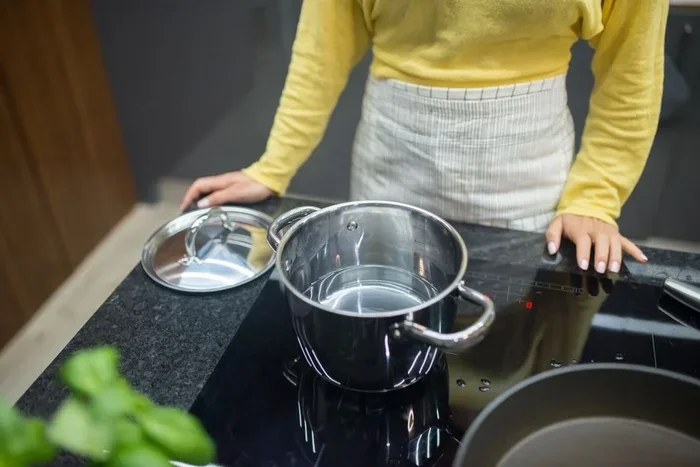
An induction cooktop uses electromagnetic fields to heat cookware directly, making it faster and more energy efficient than traditional cooking methods. This guide explains the science, benefits, and everything beginners need to know about induction cooking. You will learn how the technology works, what cookware you need, and why many home cooks are switching to induction.
Have you ever wondered why some modern kitchens heat up in seconds while others take forever? The answer lies in induction cooking technology. If you have been hearing about induction cooktops and want to understand how they actually work, you have come to the right place. This guide breaks everything down in simple terms so anyone can follow along.
Induction cooking is not magic. It is science. And once you understand the basics, you will see why so many home cooks are making the switch. Unlike traditional gas or electric burners, an induction cooktop heats the pan directly using a magnetic field. The cooking surface itself stays cool. This means faster heating, better energy savings, and a safer kitchen for everyone.
In this complete guide, we will walk you through every part of how an induction cooktop works. You will learn about the technology inside, the benefits you get, and what you need to know before buying one. Whether you are a beginner or just curious, this guide has you covered.
Key Takeaways
- Induction cooking uses electromagnetic fields to generate heat directly in the cookware, not the cooking surface.
- It heats up significantly faster than gas or electric cooktops, saving time in the kitchen.
- Only induction-compatible cookware works, so you may need to upgrade your pots and pans.
- Safety features are built in, as the surface stays cool and turns off automatically.
- Energy efficiency is a major advantage, since heat goes directly into the food with minimal waste.
- Temperature control is precise, making it ideal for delicate cooking tasks.
- Installation is simple for most kitchens, but you should check your electrical setup first.
📑 Table of Contents
What Is an Induction Cooktop?
An induction cooktop is a type of electric cooktop that uses electromagnetism to create heat. Instead of using a flame or a hot coil underneath a surface, it sends an electromagnetic field directly into the cookware. This field creates small electrical currents inside the metal of your pan, which generates heat instantly.
Think of it like this. A regular electric cooktop heats up a coil, and that coil heats the glass surface, and then the surface heats your pan. That is three steps. An induction cooktop skips two of those steps. The heat goes straight into the pan. This is why induction cooking is so much faster and more efficient than other methods.
How Is It Different from Gas and Electric?
A gas cooktop uses an open flame to heat your pan. The flame touches the bottom of the pot or pan, and heat transfers through the metal. An electric cooktop uses a hidden heating element beneath a smooth glass or ceramic surface. The element gets hot, the surface gets hot, and then your pan gets hot.
An induction hob works completely differently. The cooking surface does not get hot at all. Only the pan heats up because the magnetic field activates the metal in the cookware itself. This is a huge difference that affects cooking speed, safety, and energy use.
How Does Induction Cooking Actually Work?
Now let us get into the science. Do not worry. We will keep it simple and easy to understand.
The Role of Electromagnetic Fields
Inside every induction cooktop, there is a coil of copper wire beneath the ceramic surface. When you turn on a burner and place a compatible pan on it, electricity flows through this coil. The flowing electricity creates an electromagnetic field directly above the coil.
This field does not produce heat on its own. Instead, it passes right through the cooking surface and into the bottom of your pan. When the magnetic field hits the metal in your cookware, it creates tiny electrical currents called eddy currents. These currents move through the metal and create resistance. That resistance is what produces heat. Your pan gets hot, almost instantly.
Why the Cooktop Surface Stays Cool
Here is the part that surprises most people. The glass or ceramic surface of an induction cooktop does not heat up during cooking. It only gets warm from the pan sitting on top of it. Because the heat is generated inside the pan itself, the surface stays relatively cool to the touch.
This is a major safety advantage. If you accidentally leave a pot turned on but empty, the surface will not get dangerously hot the way it would on a traditional electric or gas stove. Spills also clean up easily because they do not bake onto a hot surface.
Benefits of Using an Induction Cooktop
Induction cooking offers many advantages that make it a popular choice for modern kitchens. Let us look at the biggest benefits.
Fast Heating
Speed is one of the main reasons people switch to induction. A pot of water boils in about half the time it takes on a regular electric cooktop. The heat generation is immediate because the pan starts heating the moment the electromagnetic field activates it. You do not have to wait for a burner to warm up.
Energy Efficiency
Induction cooktops are incredibly energy efficient. Traditional electric cooktops waste a lot of heat because the element heats the surface, and the surface heats the pan, and some heat escapes into the air. With induction, the heat goes directly into the pan. Studies show that induction cooking is about 85 to 90 percent efficient, compared to about 70 percent for electric and 40 percent for gas.
Precise Temperature Control
Temperature control on an induction cooktop is excellent. Because the electromagnetic field responds quickly, you can adjust the heat almost instantly. This makes it great for tasks that need careful attention, like melting chocolate or simmering a delicate sauce. Many models offer very fine adjustments between low and high heat settings.
Safety Features
Safety is a big selling point for induction cooking. Since the surface does not get hot, the risk of burns is much lower. Most induction cooktops also have built-in safety features like auto shut-off, pan detection, and child locks. If you remove the pan from the burner, the heat stops almost immediately.
Easy Cleanup
Because the surface stays cool, food spills do not get baked on. A quick wipe with a damp cloth keeps the cooking surface looking clean. The smooth glass surface of most induction cooktops makes cleanup fast and effortless.
What Cookware Works with Induction?
Not every pan works on an induction cooktop. The cookware must be magnetic because the electromagnetic field needs to interact with the metal. If your pan does not stick to a magnet, it will not work on induction.
How to Check if Your Cookware Is Induction Compatible
The easiest way to check is the magnet test. Hold a refrigerator magnet to the bottom of your pan. If the magnet sticks firmly, your pan will work on an induction hob. If it does not stick or sticks weakly, it is not compatible.
Most pans made of cast iron and magnetic stainless steel work great on induction. Aluminum, copper, and non-magnetic stainless steel will not work unless the manufacturer adds a magnetic layer to the bottom.
Best Cookware for Induction Cooking
If you need to buy new cookware for your induction cooktop, look for pans labeled “induction compatible.” Many quality sets are available that work perfectly with induction cooktops. For a great starting set, check out our guide on the best pots and pans set for induction cooktop. If you prefer a good non-stick option, we also have a guide on the best non-stick cookware for induction cooktop that can help you choose.
For everyday frying and searing, a solid induction-compatible skillet is essential. Cast iron and magnetic stainless steel fry pans are excellent choices. You can also find great options in our guide on the best induction cookers and pots for fast heating.
Common Myths About Induction Cooktops
There are a lot of misunderstandings about induction cooking. Let us clear up a few of the most common ones.
Myth 1: Induction Cooktops Are Difficult to Install
Most induction cooktops are designed for straightforward installation. Many are drop-in models that sit on a countertop just like a regular electric cooktop. You will need a dedicated electrical circuit, but a qualified electrician can handle this quickly. If you are replacing an existing electric cooktop, the swap is usually simple.
Myth 2: Induction Cooking Is Expensive to Run
Actually, the opposite is true. Because induction cooktops waste so little energy, they cost less to operate over time. The power consumption is lower than a traditional electric cooktop, and the faster cooking times mean less electricity used overall. While the upfront cost of an induction cooktop may be higher, the savings on your energy bill add up.
Myth 3: The Electromagnetic Field Is Dangerous
The electromagnetic field on an induction cooktop is safe and contained. It only activates when a compatible pan is placed on the burner. Once you remove the pan, the field stops. The field does not pass through the pan into the food or the air above it. People with pacemakers should consult their doctor, but for most users, there is no health concern.
Myth 4: Induction Cooktops Are Noisy
Some induction cooktops do make a slight humming or buzzing sound. This is normal and comes from the vibration of the cookware on the magnetic field. Using heavier, well-fitting pans can reduce the noise. The sound is much quieter than a gas burner and generally not distracting.
Tips for Getting the Most Out of Your Induction Cooktop
Once you have an induction cooktop, a few simple tips will help you get the best results every time.
- Use flat-bottomed pans. A warped or uneven pan bottom will not make full contact with the cooking surface, reducing efficiency and heating performance.
- Match the pan size to the burner size. Most induction burners work best when the pan covers the heating zone. Using a small pan on a large burner wastes energy.
- Lift the pan to adjust heat. Unlike gas or electric, induction responds instantly. Lifting the pan briefly while adjusting the temperature gives you more precise control.
- Use a paper towel to wipe spills. Even though the surface stays cool, residue can stick. A quick wipe after cooking keeps the surface looking great.
- Check your cookware regularly. Over time, the magnetic properties of some pans can change. If a pan that used to work stops heating, it may need replacing.
Taking care of your induction cooktop is simple. Wipe the surface after each use with a soft cloth. Avoid abrasive cleaners that can scratch the glass. And always use cookware that is compatible with induction heating. With proper care, your cooktop will last for many years.
Is an Induction Cooktop Right for You?
Induction cooking is a great choice for most kitchens. It is fast, efficient, safe, and easy to use. If you cook often, you will notice the difference in speed and control right away. If you are replacing an old electric or gas stove, the upgrade to induction is one of the best improvements you can make.
Consider your cooking habits and kitchen setup. Do you have the right cookware? Do you have the electrical capacity? If the answer is yes, an induction cooktop is a smart investment. The benefits in speed, safety, and energy savings make it hard to go back to traditional cooking methods.
Before you buy, we recommend reading our guide on the best rated pots and pans for glass cooktop to find the perfect match for your new setup.
Conclusion
How an induction cooktop works comes down to a simple but brilliant use of electromagnetism. The cooktop sends a magnetic field into your pan, and the pan heats up instantly. The surface stays cool. The process is fast, efficient, and safe. Once you understand the basics, the advantages of induction cooking become obvious.
Whether you are a beginner in the kitchen or a seasoned cook looking to upgrade, an induction cooktop delivers real results. You get faster cooking, better energy savings, precise temperature control, and a safer kitchen environment. The right cookware makes all the difference, so make sure your pans are induction compatible before you make the switch.
Take your time learning the technology. Start with one compatible pan and try it out. Once you feel the speed and control of induction cooking, you will wonder how you ever cooked without it.
Frequently Asked Questions
Does an induction cooktop use more electricity than a regular electric cooktop?
No, it actually uses less. Induction cooking transfers energy directly into the pan, so less heat is wasted. This means lower power consumption and reduced energy bills compared to a standard electric cooktop.
Can I use any type of pan on an induction cooktop?
No, only induction-compatible cookware works. The pan must be magnetic, meaning a refrigerator magnet should stick firmly to the bottom. Cast iron and magnetic stainless steel are the most reliable options.
Is induction cooking safe for children?
Yes, it is one of the safest cooking methods available. The cooking surface stays cool during use, and the heat stops almost immediately when you remove the pan. Many models also include child lock features for extra protection.
Why does my pan not heat up on the induction cooktop?
The most common reason is that the pan is not induction compatible. If the bottom of the pan is not magnetic, it will not work. Also, make sure the pan is flat and makes full contact with the cooking surface for proper heat generation.
Are induction cooktops hard to clean?
Not at all. The smooth glass surface stays cool, so spills do not bake on. A damp cloth or soft sponge is all you need. Avoid abrasive scrubbers that could scratch the surface, and wipe up spills right after cooking for the easiest cleanup.
Can I install an induction cooktop myself?
Basic placement is simple, but electrical installation should be done by a qualified electrician. Most induction cooktops require a dedicated circuit. Check the manufacturer’s instructions and your local electrical codes before starting any installation work.