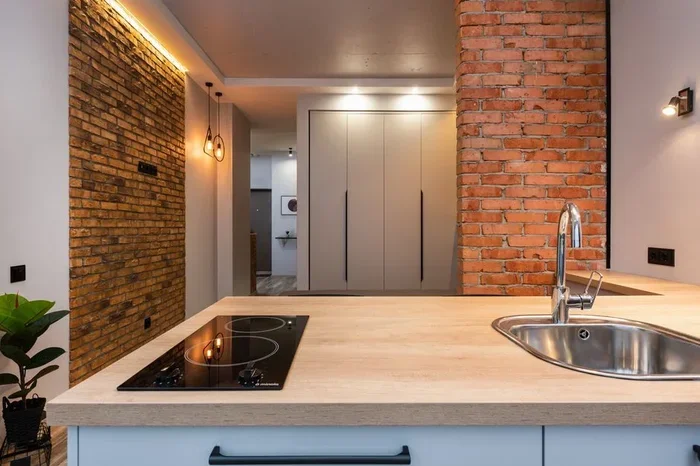
Most induction cooktops need 30 to 50 amps to run properly. The exact amperage depends on the model, size, and wattage of your unit. Understanding these induction cooktop amps requirements helps you avoid tripped breakers and unsafe setups. This guide breaks down everything you need to know about induction cooktop power requirements in simple terms.
So you just bought an induction cooktop, or you are thinking about making the switch. Great choice! Induction cooking is fast, efficient, and incredibly fun to use. But before you start whipping up meals, there is one question that trips up a lot of homeowners: how many amps does an induction cooktop actually need?
The answer is not as simple as one number. Different models pull different amounts of power. A single-burner unit needs far less than a five-burner professional-grade range. And your home’s electrical setup plays a huge role too. In this guide, we will walk you through everything you need to know about induction cooktop power requirements. You will learn about amperage, voltage, circuit breakers, and how to make sure your kitchen is ready.
Whether you are installing a new induction cooktop or upgrading your kitchen’s electrical system, this article has you covered. We keep things simple and practical. No confusing jargon, just clear answers you can use right away.
Key Takeaways
- Standard induction cooktops draw 30 to 50 amps: Most residential models fall in this range depending on wattage and features.
- A dedicated 240-volt circuit is essential: Induction cooktops cannot run on standard 120-volt outlets safely.
- Check your electrical panel capacity first: Older homes may need upgrades to support the power draw.
- Wire gauge matters for safety: Use the correct wire size to handle the amperage without overheating.
- Always consult a licensed electrician: Installation mistakes can cause fire hazards or void warranties.
📑 Table of Contents
- Understanding Induction Cooktop Amps
- Voltage Requirements for Induction Cooktops
- Circuit Breaker and Wiring Requirements
- How to Know if Your Kitchen Is Ready
- Common Mistakes to Avoid
- Energy Efficiency and Power Draw
- Installation Tips for Smooth Setup
- How Many Amps For Induction Cooktop: Final Thoughts
- Frequently Asked Questions
Understanding Induction Cooktop Amps
Let us start with the basics. The word “amps” is short for amperes. It measures how much electrical current flows through a circuit. Think of it like water flowing through a pipe. More amps means more power is flowing to your cooktop.
Most induction cooktops need between 30 and 50 amps to operate. But this range is not set in stone. The exact number depends on several factors we will explore below. The key takeaway? You need a circuit that can handle the load safely.
What Determines Amp Draw?
Several things affect how many amps your induction cooktop pulls. Here are the main factors:
- Number of burners: A four-burner cooktop draws more power than a two-burner model.
- Wattage per burner: Higher wattage burners need more amps. Some burners hit 3,700 watts or more.
- Boost or turbo modes: These modes push the cooktop to max power temporarily.
- Model and brand: Premium brands often have more powerful heating elements.
- Cooktop size: Larger cooking surfaces require more overall electrical power.
For example, a compact two-burner induction cooktop might only pull 20 amps. A full-sized four-burner model could need 40 or 50 amps. Always check the manufacturer’s specifications on the label or in the user manual. This tells you the exact amperage rating for your specific unit.
Voltage Requirements for Induction Cooktops
Here is something many people overlook. Amps and voltage work together. You cannot talk about one without the other. Most residential induction cooktops in the United States operate on 240 volts. This is double the voltage of a standard household outlet, which is 120 volts.
Why does this matter? Because a 240-volt circuit can deliver more power without needing extremely high amperage. A 4,800-watt cooktop on 240 volts draws about 20 amps. The same cooktop on 120 volts would draw 40 amps. That is a big difference and it is why induction cooktops require a dedicated 240-volt line.
Common Voltage and Amp Combinations
Here is a quick look at typical induction cooktop configurations:
- Single-burner unit (1,800W): Runs on 240V and draws about 7.5 amps.
- Compact two-burner (3,600W): Needs 240V and draws around 15 amps.
- Standard four-burner (4,800W): Requires 240V and draws roughly 20 amps.
- Premium five-burner (7,200W): Needs 240V and pulls up to 30 amps.
- Professional six-burner (9,600W): Demands 240V and can draw 40 amps or more.
These numbers give you a general idea. Always verify with your specific model. The power draw can vary even within the same brand.
Circuit Breaker and Wiring Requirements
Now let us talk about the electrical side of things. This part is super important for safety. Your induction cooktop needs a dedicated circuit. That means no other appliances share that same line. A microwave, toaster, or coffee maker on the same circuit can cause problems.
Why a Dedicated Circuit Matters
Induction cooktops draw a lot of power in a short time. When all burners are running at full blast, the electrical load spikes. If other devices share that circuit, the breaker will trip. Even worse, overloaded wiring can overheat and create a fire risk.
A dedicated circuit ensures your cooktop gets all the power it needs without competing with other appliances. Most electricians recommend a 40-amp or 50-amp circuit for a standard four-burner induction cooktop. This gives you a safety buffer above the normal operating amperage.
Choosing the Right Wire Gauge
The wire gauge you use must match the amperage of your circuit. Here is a simple guide:
- 30-amp circuit: Use 10-gauge wire.
- 40-amp circuit: Use 8-gauge wire.
- 50-amp circuit: Use 6-gauge wire.
Using the wrong wire size is dangerous. Too thin a wire can overheat and melt the insulation. This is one of those areas where you really want a professional involved. A licensed electrician will know exactly what your kitchen needs based on your electrical panel and local codes.
How to Know if Your Kitchen Is Ready
Before you buy an induction cooktop, check your kitchen’s electrical setup. Older homes were not built with induction cooking in mind. Here are some signs your kitchen might need an upgrade.
Check Your Electrical Panel
Open your electrical panel and look for an open slot. You need space for a new 240-volt breaker. If your panel is already full, you may need to upgrade to a larger panel. This is common in homes built before the year 2000.
Also check the overall capacity of your panel. Most modern homes have 200-amp panels, which is plenty. Older homes sometimes have 100-amp panels, which might not leave enough room for a heavy-duty induction cooktop circuit.
Look for an Existing 240V Outlet
Walk over to where you plan to install the cooktop. Does the wall have a 240-volt outlet already? Some kitchens have these for dryers or ovens. If you see a four-prong outlet, it is likely 240 volts.
If you only see a standard two-prong or three-prong outlet, that is 120 volts. You will need to have an electrician run a new 240-volt line. This adds to the installation cost but it is absolutely necessary for safe operation.
Consult a Professional
Here is a quick tip. Before you make any purchase, have an electrician do a quick assessment of your kitchen. They can tell you exactly what is needed. This saves you money and headaches down the road. Many homeowners skip this step and end up paying for unexpected electrical work after the cooktop arrives.
If you are also planning to upgrade other kitchen appliances, check out our guide on the best pots and pans set for induction cooktop to make sure everything works together perfectly.
Common Mistakes to Avoid
Installing an induction cooktop is not like plugging in a toaster. There are specific requirements that many people get wrong. Here are the most common mistakes we see.
- Using a standard 120V outlet: This will not work and is very dangerous. Always use 240V.
- Sharing a circuit with other appliances: This causes breakers to trip constantly and can damage the cooktop.
- Undersized wire gauge: Thin wires overheat and pose a serious fire hazard.
- Ignoring local building codes: Codes exist for safety. Skipping permits or inspections is risky and can cause insurance problems.
- Assuming all models need the same amps: Always check the specific power requirements for your chosen model.
Avoiding these mistakes keeps your kitchen safe and your new cooktop running smoothly. Take the time to do it right the first time.
For those who want to explore more about electrical setups for induction cooking, you might also enjoy our article on the best induction cookers and pots for fast heating, which covers compatible cookware and power efficiency.
Energy Efficiency and Power Draw
One of the biggest benefits of induction cooking is energy efficiency. Unlike gas or electric coil cooktops, induction heats the pan directly through magnetic fields. This means less wasted energy and faster heating times.
But what does this mean for your power consumption? Even though an induction cooktop draws significant amps, it uses energy more efficiently overall. You will notice that food cooks faster and the kitchen stays cooler. The cooktop surface itself only gets warm from the pan, not from the heating element.
Over time, this efficiency can lower your electricity bill. It also means your cooking surface stays safer, especially if you have kids at home. The reduced energy waste is a win for both your wallet and the environment.
Installation Tips for Smooth Setup
Getting your induction cooktop installed correctly makes all the difference. Here are some practical tips to keep in mind.
- Plan the circuit before buying the cooktop: Know your amperage needs first.
- Hire a licensed electrician: This is not a DIY job for most homeowners.
- Allow proper ventilation: Even though induction is efficient, you still need a good range hood.
- Use the right outlet type: Most induction cooktops need a NEMA 14-50 outlet for 50-amp circuits.
- Test the circuit before installation: Have the electrician verify the outlet and wiring are working correctly.
For a seamless cooking experience, also make sure your cookware is induction-compatible. We recommend checking out our guide on the best non-stick cookware for induction cooktop to find the perfect pans for your new setup.
How Many Amps For Induction Cooktop: Final Thoughts
So, how many amps for an induction cooktop? The short answer is 30 to 50 amps for most full-sized models, but the exact number depends on your specific unit. The key is making sure your kitchen has a dedicated 240-volt circuit with the right wire gauge and breaker size.
Taking the time to understand your induction cooktop power requirements before installation pays off big time. You avoid tripped breakers, safety hazards, and costly redo work. A little preparation goes a long way toward a smooth, worry-free cooking experience.
Whether you are a first-time induction user or upgrading an existing setup, knowing your amperage needs puts you in control. You will cook with confidence and enjoy all the benefits that induction cooking has to offer.
Frequently Asked Questions
Can I plug an induction cooktop into a regular outlet?
No, you cannot. Most induction cooktops require a 240-volt dedicated circuit. A standard 120-volt outlet will not provide enough power and can be dangerous. Always check the manufacturer’s electrical requirements before purchasing.
What size breaker do I need for an induction cooktop?
A 40-amp or 50-amp breaker is standard for most residential induction cooktops. The exact size depends on the cooktop’s wattage and amperage rating. Always match the breaker to the wire gauge and the manufacturer’s specifications.
Do all induction cooktops need a dedicated circuit?
Yes, every induction cooktop needs its own dedicated circuit. Sharing a circuit with other appliances can cause the breaker to trip and may damage the unit. This is a non-negotiable safety requirement for proper installation.
How much does it cost to install a 240V circuit for an induction cooktop?
Costs vary widely depending on your home’s electrical setup. On average, you might pay between $200 and $800 for a licensed electrician to install a new dedicated circuit. Homes that need panel upgrades or new wiring runs will cost more.
Can I use an extension cord with an induction cooktop?
Absolutely not. Extension cords are not safe for high-amperage appliances like induction cooktops. They can overheat, melt, and start a fire. The cooktop must be plugged directly into a properly installed 240-volt outlet.
Does a portable induction cooktop need the same amps as a built-in one?
Portable induction cooktops typically need fewer amps, often around 15 to 20 amps. They are smaller and have lower wattage. However, they still require a 240-volt outlet in most cases. Always check the specific model’s power requirements before buying.