Deep frying on an induction cooktop is easier than most people think. You need the right pot, oil, and temperature control to get crispy, golden results every time. This guide walks you through everything from choosing your deep fryer pot to safe oil handling and cleanup tips.
Deep frying at home sounds intimidating. But with an induction cooktop, you can achieve restaurant-quality results right in your own kitchen. The secret is knowing how to manage heat, choose the right equipment, and handle hot oil safely.
If you have been wondering how to deep fry on induction cooktop without making a mess or burning your food, you are in the right place. This guide covers everything from picking the best pot to nailing the perfect oil temperature. Whether you are frying chicken, french fries, or doughnuts, these tips will help you get consistent, delicious results every single time.
Key Takeaways
- Use the right pot: A cast iron or heavy-bottomed pot works best for even heat distribution on induction surfaces.
- Monitor oil temperature: Keeping oil between 350°F and 375°F ensures crispy food without burning or greasiness.
- Choose induction-compatible cookware: Not all pots work on induction, so always check for magnetic bottoms before heating.
- Safety comes first: Never leave hot oil unattended, and keep a lid nearby to smother any flare-ups.
- Filter and reuse oil: Proper oil filtration extends the life of your cooking oil and saves money over time.
- Bread and batter matter: The right coating technique makes a huge difference in achieving that perfect crispy texture.
📑 Table of Contents
- Why Deep Frying on Induction Works So Well
- Choosing the Best Pot for Deep Frying on Induction
- The Right Oil and Temperature for Perfect Frying
- Step-by-Step: How to Deep Fry on Induction Cooktop
- Safety Tips for Deep Frying at Home
- Cleaning Up After Deep Frying
- Best Equipment for Deep Frying on Induction
- What Foods Are Best for Deep Frying on Induction?
- How to Maintain Your Induction Cooktop After Frying
- Final Thoughts
Why Deep Frying on Induction Works So Well
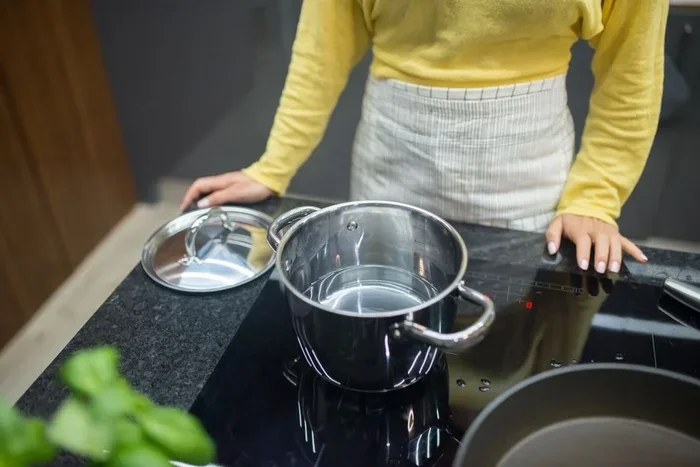
Induction cooktops heat pots directly through magnetic energy. This means the heat responds almost instantly when you adjust the temperature. For deep frying, this is a huge advantage. You get precise temperature control that keeps your oil stable.
Traditional gas stoves often have hot spots. These uneven areas can cause food to cook inconsistently. Induction eliminates this problem. The heat spreads evenly across the bottom of your pot. This gives you a more uniform crispy texture on every piece of food.
Another benefit is speed. Induction cooktops heat up faster than electric coils. You spend less time waiting for oil to reach the right temperature. And because the cooktop surface stays cooler than the pot, there is less risk of accidental burns. This makes home cooking with hot oil feel much safer.
How Induction Heat Differs From Other Stovetops
Gas burners create an open flame that surrounds the pot. Electric coils radiate heat from below. Induction technology uses electromagnetic fields to heat the pot itself. The cooktop surface does not get hot directly. Only the cookware absorbs the energy.
This difference matters for stovetop frying. When you drop food into hot oil, the temperature can drop suddenly. On induction, you can crank the heat back up almost immediately. Gas and electric stoves take longer to recover. This temperature recovery is crucial for keeping food from absorbing too much oil.
Choosing the Best Pot for Deep Frying on Induction
The pot you choose makes or breaks your frying experience. Not every pot works well on an induction surface. You need something heavy, deep, and induction compatible. The wrong pot leads to uneven cooking and frustrating results.
A cast iron deep fryer pot with basket is one of the best options available. Cast iron holds heat incredibly well. It maintains a stable oil temperature even when you add cold food. The weight also prevents the pot from tipping over, which is a real safety concern when working with hot oil.
If cast iron feels too heavy, look for heavy-bottomed stainless steel or enameled pots. These also work on induction as long as the base is magnetic. Avoid thin, lightweight pots. They cause temperature swings and lead to soggy, greasy food. A pot that goes from stove to oven is a great multi-use option for any kitchen.
What Size Pot Should You Use?
For most home deep frying, a pot that holds at least 4 to 6 quarts of oil works well. Larger pots give you more room to fry multiple pieces at once. But do not overfill. Oil should never come more than one-third up the side of the pot. Hot oil can bubble up and overflow when food goes in.
Look for pots with tall sides and a sturdy handle. A frying basket is also very helpful. It lets you lower food in gently and lift it out without splashing. Some sets come with a lid too, which is useful for storing oil between frying sessions.
The Right Oil and Temperature for Perfect Frying
Getting the oil temperature right is the single most important factor in deep frying. Too cool and food absorbs grease. Too hot and the outside burns before the inside cooks through. For most foods, you want your oil between 350°F and 375°F.
Use a deep-fry thermometer to monitor the temperature closely. Do not guess. Even a few degrees off can change the texture of your food dramatically. Induction cooktops make this easier because you can adjust the heat in small increments. This level of temperature control is hard to find on other stovetops.
Best Oils for Deep Frying
Not all cooking oils are created equal for frying. You want oils with high smoke points. These oils can handle the heat without breaking down or smoking.
- Peanut oil: A classic choice for deep frying. It has a high smoke point and a neutral flavor.
- Canola oil: Affordable and widely available. Works great for everyday frying.
- Vegetable oil: A versatile blend that handles high heat well.
- Avocado oil: Premium option with one of the highest smoke points available.
- Sunflower oil: Another neutral option that fries beautifully.
Avoid olive oil for deep frying. Its low smoke point causes it to burn quickly. Butter and coconut oil are also poor choices. They burn at lower temperatures and can ruin the taste of your food.
Step-by-Step: How to Deep Fry on Induction Cooktop
Now that you have your pot and oil ready, here is the process. Follow these steps for safe, delicious fried foods every time.
- Place your pot on the induction burner. Make sure the bottom sits flat and centered on the cooking zone.
- Pour in your oil. Fill no more than one-third of the pot. Leave plenty of room for the food and bubbling.
- Turn on the heat. Start at medium-high and watch the thermometer closely.
- Wait for the oil to reach 350°F to 375°F. This usually takes 10 to 15 minutes. Be patient.
- Prepare your food. Bread or batter your items while the oil heats. Pat them dry with paper towels first.
- Lower the food gently into the oil. Use the frying basket or tongs. Never drop food from a height.
- Fry in small batches. Overcrowding drops the oil temperature and causes soggy results.
- Remove food when golden brown. Let it drain on a wire rack or paper towels.
- Check the oil temperature between batches. Bring it back up before adding more food.
Common Mistakes to Avoid
Even experienced cooks make errors when deep frying. Here are a few to watch out for.
- Overcrowding the pot: Too much food at once drops the oil temperature. Food absorbs excess oil and turns limp.
- Skipping the thermometer: Guessing the oil temperature leads to inconsistent results every time.
- Using the wrong pot: Thin pots cause uneven heating and can warp over time.
- Leaving oil unattended: Hot oil can overheat and ignite. Never walk away from a pot of heating oil.
- Frying wet food: Moisture causes oil to splatter violently. Always pat food dry before frying.
Safety Tips for Deep Frying at Home
Working with hot oil requires respect and caution. Safety precautions are not optional. They protect you, your family, and your kitchen from accidents.
Always keep a metal lid nearby. If oil ever catches fire, sliding a lid over the pot smothers the flames. Never use water on a grease fire. It causes the fire to explode outward. Keep a fire extinguisher in your kitchen if you fry regularly.
Wear long sleeves and use oven mitts when handling the pot. Oil splashes can cause painful burns. Keep children and pets away from the cooking area. And never leave the stove unattended while oil is heating.
After frying, let the oil cool completely before moving the pot. Pouring hot oil into a container can cause burns or damage surfaces. Use a funnel and strainer to transfer cooled oil back into its storage container.
Proper Oil Storage and Filtration
One of the best parts about home cooking with oil is that you can reuse it. Straining and storing cooking oil properly saves money and reduces waste. Let the oil cool fully after frying. Then pour it through a fine mesh strainer into a clean container.
Store the filtered oil in a cool, dark place. Label the container with the date and what you fried in it. Most oils can be reused three to five times if stored properly. Discard oil if it becomes dark, smoky, or develops a strong odor.
Cleaning Up After Deep Frying
Cleaning up is the least fun part of deep frying. But doing it right extends the life of your cookware and keeps your kitchen fresh. Let the oil cool completely before you start cleaning.
Strain and store any reusable oil. Wipe out the pot with paper towels to remove excess grease. For stubborn residue, fill the pot with hot water and a drop of dish soap. Let it soak for 30 minutes, then scrub gently. Avoid abrasive pads on non-stick cookware for induction cooktop or enameled surfaces. They can scratch and damage the coating.
For tough grease buildup on your cooktop surface, use a cleaner for grease on kitchen cabinets or a dedicated cooktop cleaner. A cloth to clean stainless steel appliances works great for wiping down the induction surface without scratching it. Keep your frying area clean and organized to make the next session easier.
Best Equipment for Deep Frying on Induction
Having the right tools makes deep frying on induction a breeze. Here is a quick list of essentials.
- Heavy-bottomed pot: Cast iron or thick stainless steel holds heat evenly.
- Deep-fry thermometer: Essential for monitoring oil temperature accurately.
- Frying basket: Makes it easy to lower and lift food safely.
- Wire rack: Lets fried food drain without sitting in grease.
- Heat-resistant gloves: Protects your hands when handling hot pots.
- Splatter screen: Reduces mess and keeps oil from popping onto your stovetop.
If you are looking for a dedicated setup, a cast iron deep fryer pot with basket is hard to beat. These pots are specifically designed for the demands of deep frying. They distribute heat evenly and the basket makes handling food much safer and easier.
Can You Use a Dutch Oven for Deep Frying?
Absolutely. A Dutch oven is one of the best pots for deep frying on induction. The heavy walls and tight-fitting lid make it ideal for maintaining stable oil temperatures. Look for enameled cast iron or bare cast iron versions. Both work wonderfully on induction surfaces. Just make sure the lid handle is oven-safe if you plan to use it during frying.
What Foods Are Best for Deep Frying on Induction?
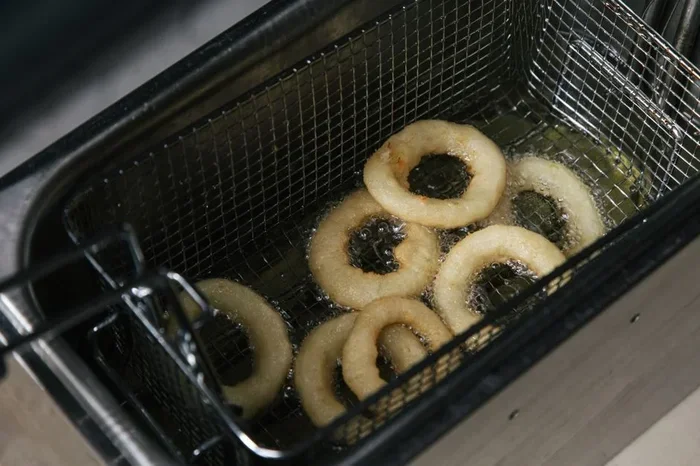
Almost anything can be deep fried. But some foods shine on an induction cooktop because of the precise temperature control. Breaded foods like chicken tenders, onion rings, and fish fillets come out perfectly crispy. French fries, tater tots, and mozzarella sticks are all crowd favorites.
Don’t overlook desserts. Fried dough, churros, and apple fritters taste amazing when fried at the right temperature. Even vegetables like zucchini sticks and jalapeno poppers turn out wonderfully. The key is keeping the oil steady so the coating crisps up without burning.
If you are new to frying, start with simple foods like french fries. They are forgiving and let you practice your temperature control. Once you feel confident, move on to more complex items like battered fish or breaded chicken.
How to Maintain Your Induction Cooktop After Frying
Frying can leave residue on your cooktop surface. Oil splatters and grease splashes are common. Cleaning regularly prevents buildup and keeps your induction cooktop performing at its best.
Wait for the surface to cool completely before cleaning. Use a soft cloth with a cooktop-safe cleaner. Avoid abrasive scrubbers that can scratch the glass surface. For burnt-on spots, a little patience and the right cleaner go a long way. A cloth to clean stainless steel appliances or a microfiber towel works great for gentle but effective cleaning.
Wipe up any spills on the cooktop immediately. Dried oil splatters are much harder to remove. A quick wipe after each use keeps your surface looking new and ensures optimal heat transfer during your next frying session.
Final Thoughts
Deep frying on an induction cooktop is a rewarding skill that elevates your home cooking. With the right pot, proper oil temperature, and a few safety habits, you can achieve restaurant-quality fried foods in your own kitchen. The precision of induction heat makes the process easier and more consistent than ever before.
Start with simple recipes and practice your technique. Invest in a good thermometer and a heavy-bottomed pot. And always prioritize safety. Once you master the basics, you will wonder how you ever fried without an induction cooktop. The results speak for themselves. Crispy, golden, and perfectly cooked every single time.
Now that you know how to deep fry on induction cooktop like a pro, it is time to fire up your stove. Grab your favorite oil, pick up a cast iron deep fryer pot with basket, and start creating delicious crispy treats at home. Your kitchen is about to become your favorite restaurant.
Frequently Asked Questions
Can any pot be used for deep frying on an induction cooktop?
No. The pot must be induction compatible, meaning it has a magnetic base. Cast iron, enameled cast iron, and certain stainless steel pots work well. Aluminum and copper pots without magnetic bottoms will not work on induction surfaces.
What is the best oil temperature for deep frying on induction?
The ideal range is between 350°F and 375°F. Use a deep-fry thermometer to monitor the temperature. Induction cooktops respond quickly to heat adjustments, making it easy to maintain this range throughout the frying process.
How do I prevent oil splatters when deep frying?
Pat your food dry before adding it to the oil. Use a frying basket to lower food gently into the pot. Avoid overcrowding, as too much food at once causes splattering. A splatter screen is also a helpful tool to keep oil from popping onto your stovetop.
Can I reuse the oil after deep frying?
Yes. Let the oil cool completely, then strain it through a fine mesh strainer into a clean container. Store it in a cool, dark place. Most oils can be reused three to five times if they remain clear and odor-free. Discard oil if it becomes dark or smoky.
Is deep frying on induction safer than on gas stoves?
It can be safer because induction surfaces stay cooler than gas flames. The heat is contained within the pot. However, hot oil always carries risks. Always keep a lid nearby, never leave oil unattended, and use safety precautions like oven mitts and long sleeves when handling hot pots.
What foods are easiest to deep fry for beginners?
French fries, fried chicken tenders, and onion rings are great starting points. They are forgiving and allow you to practice temperature control without much risk. Once you get comfortable, you can try more complex items like battered fish or churros.