Scratches on a stainless steel cooktop are common but fixable. You can remove light scratches using household items like baking soda and olive oil, while deeper scratches may need a commercial scratch remover or professional help. This guide walks you through every method step by step so you can bring your cooktop back to life.
A stainless steel cooktop adds a sleek, modern look to any kitchen. But over time, scratches can build up from everyday use. Pots and pans sliding across the surface, accidental drops of heavy cookware, and even rough cleaning pads can leave marks behind. If you have been staring at those lines and wondering what to do, you are in the right place.
This guide covers everything you need to know about how to remove scratches from stainless steel cooktop surfaces. We will start with simple home remedies that cost almost nothing. Then we will move on to commercial products and professional options. By the end, you will have a clear plan to restore your cooktop and keep it looking great for years to come.
Before you grab any supplies, it helps to understand the type of scratch you are dealing with. Not all marks are the same. Some sit only on the surface, while others cut deeper into the metal. Identifying the scratch depth is the first and most important step.
Key Takeaways
- Identify Scratch Depth First: Knowing whether your scratch is surface-level or deep determines the best removal method.
- Use Household Items for Light Scratches: Baking soda paste, olive oil, and white vinegar can handle minor surface scratches effectively.
- Commercial Products Work for Deeper Scratches: Specialized scratch removers and stainless steel polishes tackle more stubborn damage.
- Prevent Future Scratches: Using the right cleaning cloths and avoiding abrasive tools keeps your cooktop looking new.
- Always Clean With the Grain: Scrubbing in the direction of the brushed finish prevents new scratches and maintains the surface.
- Know When to Call a Pro: Very deep scratches may require professional repair to avoid worsening the damage.
📑 Table of Contents
- Understanding Stainless Steel Cooktop Scratches
- How to Remove Light Scratches With Household Items
- How to Remove Deeper Scratches With Commercial Products
- Preventing Future Scratches on Your Cooktop
- When to Call a Professional
- Common Mistakes to Avoid
- Expert Tips for a Scratch-Free Cooktop
- Final Thoughts
Understanding Stainless Steel Cooktop Scratches
What Causes Scratches on a Cooktop?
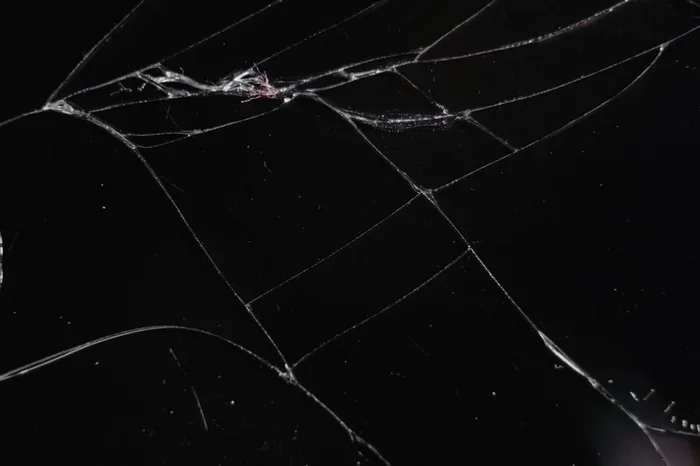
Scratches on a stainless steel cooktop happen for many reasons. The most common culprit is everyday cooking. When you slide pots and pans across the surface, tiny particles like sand or food debris act like sandpaper. Over time, these particles create fine lines and marks.
Another big cause is using the wrong cleaning tools. Steel wool, abrasive scouring pads, and harsh chemical cleaners can damage the protective layer on the surface. Even a rough sponge can leave visible marks if you press too hard. Cooking splatters that burn on and get scrubbed aggressively also contribute to surface damage.
Some scratches are simply unavoidable. Manufacturing marks sometimes show up after the first few uses. And if you have hard water, mineral deposits can build up and make existing scratches look worse. Understanding the cause helps you choose the right fix.
How to Identify Scratch Depth
Not all scratches are created equal. To pick the best removal method, you need to know how deep the damage goes. Here is a simple way to test.
Run your fingernail across the scratch. If your nail catches or feels a groove, the scratch is likely deep. If it glides smoothly, the scratch is probably surface-level. You can also try the water test. Sprinkle a few drops of water into the scratch. If the water pools inside, the scratch goes deeper into the metal.
For surface scratches, home remedies usually work well. For deeper gouges, you may need a commercial product or professional help. This distinction saves you time and effort.
How to Remove Light Scratches With Household Items
Most light scratches on a cooktop can be treated with items you already have in your kitchen. These methods are gentle, affordable, and very effective for surface-level damage.
Method 1: Baking Soda Paste
Baking soda is a mild abrasive that works wonders on shallow scratches. It buffs out the mark without damaging the surrounding surface.
Here is how to do it:
- Mix three parts baking soda with one part water to form a thick paste.
- Apply the paste directly over the scratch.
- Using a soft cloth, rub the paste in small circles over the scratch for about two minutes.
- Wipe away the paste with a damp cloth.
- Dry the area thoroughly with a clean towel.
Repeat this process if the scratch is still visible. Most light scratches need two to three applications. Always use a microfiber cloth or a soft cotton rag to avoid adding new scratches.
Method 2: Olive Oil or Mineral Oil
Oil does not remove scratches, but it does a great job of hiding them temporarily. The oil fills in the groove and makes the scratch much less visible. This method works best for very fine surface marks.
Simply put a few drops of olive oil or mineral oil on a soft cloth. Rub it into the scratched area along the grain of the stainless steel. Buff with a dry cloth until the oil absorbs. The scratch should blend in with the rest of the surface.
Keep in mind that oil is not a permanent fix. You will need to reapply it every few days. But it is a quick and easy way to improve the look of your cooktop right now.
Method 3: White Vinegar and Water Solution
White vinegar is a natural cleaner that can help with light surface scratches and water spots at the same time. It is especially useful if your cooktop has both scratches and mineral buildup.
Mix equal parts white vinegar and water in a spray bottle. Spray the solution onto the affected area. Let it sit for about five minutes. Wipe it off with a soft cloth, moving in the direction of the grain. Dry the surface completely afterward. The vinegar helps smooth out minor imperfections while cutting through grime.
How to Remove Deeper Scratches With Commercial Products
If home remedies do not do the job, it is time to bring in stronger solutions. Commercial products are designed to handle more stubborn scratches and restore the cooktop surface more aggressively.
Scratch Remover Creams and Polishes
There are many scratch remover products made specifically for stainless steel. Brands like Bar Keeper’s Friend, Weiman, and Revere offer creams and powders that work well on cooktops. These products contain mild abrasives that gradually wear down the scratch edges, making them less visible.
Here is the general process:
- Clean the cooktop surface thoroughly with warm soapy water. Dry it completely.
- Apply the scratch remover product to a soft cloth or sponge.
- Rub the product into the scratch using gentle, circular motions.
- Follow the product instructions for how long to leave it on.
- Wipe away the residue with a clean damp cloth.
- Buff the area dry with a microfiber towel.
Always test any product on a small hidden area first. You want to make sure it does not discolor or damage the finish. Most products work within five to ten minutes, but deeper scratches may need repeated applications.
Using a Stainless Steel Polish
After removing scratches, applying a stainless steel polish helps protect the surface and gives it a finished look. Polish adds a thin protective layer that resists new scratches and fingerprints. It also makes future cleaning easier.
Apply a small amount of polish to a clean cloth. Rub it into the entire cooktop surface, not just the scratched area. This ensures a uniform finish. Buff with a dry cloth until the surface shines. A good polish can last several weeks before you need to reapply.
Preventing Future Scratches on Your Cooktop
Removing scratches is only half the battle. Preventing new ones is just as important. With a few simple habits, you can keep your cooktop looking scratch-free for a long time.
Use the Right Cleaning Tools
The tools you use to clean your cooktop matter a lot. Avoid steel wool, abrasive scouring pads, and rough sponges. Instead, use a soft microfiber cloth or a non-abrasive sponge. When choosing a cloth, look for one designed for stainless steel appliances. A quality cleaning cloth makes a big difference in preventing new marks.
For tough, stuck-on food, soak the area first instead of scrubbing aggressively. A few minutes of soaking softens the residue so it wipes away easily without scratching the surface.
Clean With the Grain
Stainless steel has a brushed finish with a specific direction. Always wipe and scrub in the direction of the grain, never against it. Scrubbing against the grain can create new scratches that look like long, fine lines across the surface.
When in doubt, look closely at the surface. You will see faint lines running in one direction. Follow those lines when cleaning. This simple habit prevents a lot of new damage over time.
Use Cookware with Smooth Bottoms
The pots and pans you use play a big role in scratch prevention. Rough or warped bottoms can drag across the surface and leave marks. Check the bottom of your cookware regularly. If it feels rough or has debris stuck to it, clean it before placing it on the cooktop.
Using a stainless steel cookware set with smooth, flat bottoms helps a lot. Avoid dragging pots across the surface when they are still hot or have food residue on the bottom. Lift cookware when moving it, even for short distances.
Protect the Surface During Cooking
Small precautions add up to big protection over time. Place a heat-safe mat or trivet between heavy cookware and the cooktop surface. This prevents direct contact that can cause scratches and dents.
Wipe up spills immediately, especially sugary or acidic liquids. These can etch into the surface if left too long and make scratches more noticeable. A quick wipe after each use keeps the surface in great shape.
When to Call a Professional
Sometimes scratches go beyond what home methods can fix. If you have tried multiple approaches and the scratches are still very visible, it may be time to seek professional help. Deep gouges, scratches that have caused the metal to warp, or damage near the burners often need expert attention.
A professional cooktop repair service has access to industrial-grade tools and compounds that can level and polish the surface more aggressively than home products. They can also assess whether the damage affects the cooktop’s performance or safety.
Before hiring a professional, get a quote and ask about their experience with stainless steel surfaces. A reputable service will show you before-and-after photos and explain exactly what they plan to do. This ensures you get good results without risking further damage.
Common Mistakes to Avoid
When trying to remove scratches, people often make mistakes that make the problem worse. Here are the most common ones to watch out for.
- Using abrasive cleaners: Harsh chemicals and gritty powders strip the protective layer and create new scratches.
- Scrubbing too hard: Pressing too much pressure does not remove scratches faster. It just damages the surface more.
- Using the wrong cloth: Rough towels, paper towels, and old rags can leave fine scratches of their own.
- Ignoring the grain direction: Scrubbing across the grain creates visible new marks that are hard to remove.
- Skipping the test patch: Always test any product on a small hidden area before applying it to the entire surface.
- Using bleach or chlorine: These chemicals can discolor stainless steel and make scratches stand out even more.
Expert Tips for a Scratch-Free Cooktop
Here are some bonus tips from kitchen maintenance experts that will help you keep your cooktop in top shape.
- Clean your cooktop after every use. A quick wipe-down prevents buildup that leads to more scratching during the next cleaning session.
- Keep a dedicated cooktop cleaner on hand. Products formulated for cooktops are gentler than all-purpose cleaners and are designed to work with the stainless steel finish.
- Replace your sponges regularly. Worn-out sponges develop rough patches that can scratch the surface. Swap them out every two to four weeks.
- Use a glass cooktop cover when not in use. This protects the surface from accidental scratches during kitchen work or storage.
- Buff the surface once a week. A quick buff with a microfiber cloth and a drop of oil keeps the finish looking smooth and new.
Taking care of your cooktop does not need to be complicated. A few minutes of attention after each cooking session goes a long way. And when scratches do appear, you now have the knowledge to handle them yourself.
Final Thoughts
Removing scratches from a stainless steel cooktop is easier than most people think. Whether you are dealing with light surface marks or deeper scratches, there is a method that works for you. Start with simple household items like baking soda and oil. Move on to commercial products if needed. And always take steps to prevent future damage.
The key is patience and consistency. Do not rush the process or use harsh tools that make things worse. With the right approach, your cooktop can look as good as new. And with good prevention habits, you will keep it looking great for many years to come.
Take action today. Pick the method that matches your scratch depth, gather your supplies, and give your cooktop the care it deserves. Your kitchen will thank you for it.
Frequently Asked Questions
Can you remove scratches from a stainless steel cooktop?
Yes, most scratches on a stainless steel cooktop can be removed or significantly reduced. Light surface scratches respond well to baking soda paste, olive oil, or white vinegar. Deeper scratches may require a commercial scratch remover or professional treatment. The key is identifying the scratch depth first and choosing the right method accordingly.
What is the best scratch remover for stainless steel cooktops?
Bar Keeper’s Friend and Weiman Stainless Steel Polish are two of the most popular and effective options. These products contain mild abrasives that safely buff out scratches without damaging the surface. Always apply them with a soft cloth and work in the direction of the grain for the best results.
Does WD-40 remove scratches from stainless steel?
WD-40 can help fill in and hide light surface scratches temporarily. It works similarly to oil by smoothing out the appearance of minor marks. However, it is not a permanent solution and should not be used as a regular cleaner on cooktop surfaces. Always wipe off any WD-40 residue thoroughly after application.
How do I prevent scratches on my stainless steel cooktop?
Use soft microfiber cloths for cleaning and always scrub in the direction of the grain. Avoid steel wool and abrasive pads. Lift cookware instead of dragging it across the surface. Use cookware with smooth, flat bottoms and clean them before placing them on the cooktop. These simple habits go a long way in preventing new scratches.
Are scratches on a stainless steel cooktop covered under warranty?
Most manufacturers do not cover scratches under warranty because they are considered cosmetic damage from normal use or misuse. However, it is worth checking your specific warranty terms. Some premium brands may offer extended coverage or repair services. Contact the manufacturer directly to confirm your options.
How long does it take to remove scratches from a cooktop?
Light surface scratches can often be removed in 10 to 20 minutes using household methods. Deeper scratches treated with commercial products may take 30 minutes or more, including repeated applications. Professional repair typically takes one to two hours depending on the extent of the damage. Patience and following the correct steps are essential for a good result.