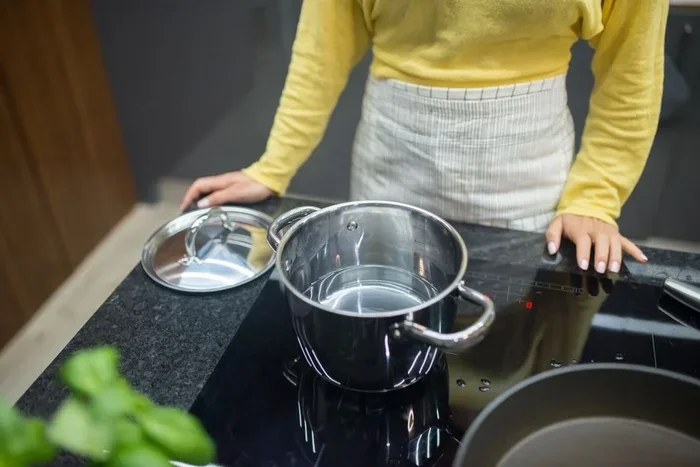
Using an induction cooktop for the first time is easier than you think. This guide covers everything from choosing the right cookware to mastering temperature control. You will learn how induction cooking works, which pots and pans work best, and how to keep your new cooktop safe and clean for years to come.
So, you just bought your first induction cooktop. Maybe you saw one at a friend’s house and thought, “Wow, that looks amazing.” Or perhaps you are tired of waiting forever for your gas burner to heat up. Either way, you are in the right place.
An induction cooktop is one of the most exciting kitchen upgrades you can make. It heats up fast, cools down quickly, and gives you incredible control over your cooking. But if you have never used one before, it can feel a little intimidating. That is exactly why we wrote this guide. By the time you finish reading, you will feel confident and ready to cook your first meal.
Induction cooking works very differently from a traditional gas or electric stove. Instead of heating a burner and transferring that heat to your pot, an induction cooktop creates a magnetic field right beneath the surface. This field heats the cookware itself, not the cooktop. The result? Instant heat, precise temperature control, and a cool-to-the-touch surface that makes cleanup a breeze.
Key Takeaways
- Induction cooking uses magnetic fields to heat cookware directly, making it faster and more energy efficient than traditional cooking methods.
- Only ferromagnetic cookware works on an induction cooktop, so check your pans before you start cooking.
- Setting up your induction cooktop is simple, but placing it on a flat, ventilated surface matters for safety and performance.
- Understanding power levels and temperature controls helps you cook with confidence and avoid burning or undercooking food.
- Daily cleaning and proper maintenance keep the smooth cooktop surface looking new and performing at its best.
- Safety features like auto shutoff and child locks make induction cooktops a great choice for families and beginners alike.
📑 Table of Contents
- Understanding How Induction Cooking Works
- Choosing the Right Cookware for Your Induction Cooktop
- Setting Up Your Induction Cooktop for the First Time
- Getting Started: Your First Cooking Experience
- Safety Features and Best Practices
- Cleaning and Maintaining Your Induction Cooktop
- Common Mistakes to Avoid When Using an Induction Cooktop
- Conclusion
Understanding How Induction Cooking Works
Before you plug in your new cooktop, it helps to understand the basic science behind it. Do not worry. We will keep this simple and fun.
The Magic of Electromagnetic Heat
Here is what happens when you turn on an induction burner. Electricity flows through a coil underneath the glass surface. This creates an alternating magnetic field. When you place a compatible pot on the burner, the magnetic field causes the metal in the pot to vibrate at a molecular level. That vibration generates heat directly inside the cookware.
Think of it like this. A traditional electric burner is like a heater blowing warm air onto a pot. An induction cooktop is like the pot heating itself from the inside out. This is why induction cooking is so much faster. Water boils in about half the time compared to a regular electric stove.
Why Induction Cooktops Are So Efficient
One of the biggest advantages of induction technology is efficiency. With a gas stove, a lot of heat escapes into the air around the burner. With a traditional electric cooktop, the heating element has to warm up the glass or coil first, then transfer that heat to the pot. Both methods waste energy.
An induction cooktop transfers energy directly to the cookware. Studies show that induction cooking is about 85 to 90 percent efficient. Gas stoves are only about 40 percent efficient. This means you save energy, your kitchen stays cooler, and your food cooks faster. If you care about energy efficient cooking, induction is the clear winner.
Choosing the Right Cookware for Your Induction Cooktop
This is where many first-time users get tripped up. Not every pot or pan works on an induction cooktop. You need cookware that is induction compatible, and there is a simple way to check.
The Magnet Test
Grab a magnet from your fridge. Hold it against the bottom of your pot or pan. If the magnet sticks firmly, your cookware will work on an induction cooktop. If it does not stick, you will need to replace that piece or buy new ones.
The reason for this is simple. The magnetic field needs ferromagnetic material in the cookware to generate heat. Stainless steel, cast iron, and carbon steel all work great. Aluminum, copper, and glass will not work unless they have a magnetic disc built into the base.
If you are shopping for new cookware for induction, look for pans labeled “induction ready” or “induction compatible.” Many quality sets are designed specifically for this purpose. For example, you can explore our guide on the best non-stick cookware for induction cooktop to find great options that work right out of the box.
Best Cookware Materials for Induction
Not all cookware is created equal when it comes to induction cooking. Here are the top materials you should consider:
- Cast Iron: Excellent heat retention and very responsive to magnetic fields. A great choice for searing and slow cooking. Check out our guide on the best cast iron skillet for induction cooktop for top picks.
- Stainless Steel: Durable, easy to clean, and works well on induction. Look for tri-ply or multi-ply construction for even heat distribution.
- Carbon Steel: Lightweight and heats up quickly. Popular among professional chefs for its responsiveness.
- Enamel-Coated Cast Iron: Gives you the benefits of cast iron with an easier-to-clean surface.
When you are building your kitchen arsenal, a solid pots and pans set for induction can save you time and money. We recommend checking out our article on the best pots and pans set for induction cooktop to find a set that fits your budget and cooking style.
Setting Up Your Induction Cooktop for the First Time
Setting up a new induction cooktop is straightforward, but a few steps will ensure it works safely and performs at its best from day one.
Unboxing and Inspection
When your cooktop arrives, carefully remove all packaging materials. Check the surface for any scratches or damage during shipping. Most induction cooktops come with a protective film on the surface. Leave this film on until you are ready to use the cooktop for the first time. It keeps the glass pristine during setup.
Placement and Ventilation
Your induction cooktop needs a flat, stable surface to sit on. Make sure the area is clean and free of debris. Most models require some clearance around the edges for proper ventilation. Check your user manual for specific clearance requirements, as this varies by brand and model.
If you are installing a built-in unit, make sure the cutout in your countertop matches the dimensions exactly. A 2 burner induction cooktop built in is a popular choice for smaller kitchens and apartments. Proper ventilation prevents overheating and extends the life of your cooktop.
First-Time Cleaning
Before you cook your first meal, give the cooktop a quick wipe-down. Use a soft, damp cloth to remove any dust or residue from the manufacturing process. Avoid harsh chemical cleaners at this stage. A simple mixture of water and a drop of mild dish soap works perfectly. After each use, a quick wipe keeps the smooth cooktop surface looking brand new.
Getting Started: Your First Cooking Experience
Now comes the fun part. You are ready to cook. But before you dive in, let us walk through the basics of using your induction cooktop for the first time.
Turning On and Powering Up
Most induction cooktops have a simple touch control panel. Look for a power button, usually located on the front or side of the unit. Press it once to turn the cooktop on. You will see a display light up, showing the current power level or temperature setting.
Place your compatible cookware on the burner zone you want to use. The cooktop will usually recognize the pot automatically. You will hear a beep or see a light indicator that confirms the burner is active. If the cooktop does not turn on, double-check that your pot is the right size and is induction compatible.
Understanding Power Levels and Temperature Settings
One of the best things about induction cooking is the precision. Most cooktops offer power levels from 1 to 10 or 1 to 17. Here is a quick guide to help you understand what each level means:
- Low (1-3): Perfect for simmering soups, melting chocolate, or keeping food warm. Great for slow cooking tasks.
- Medium-Low (4-5): Ideal for sautéing vegetables, cooking eggs, or making sauces that need gentle heat.
- Medium (6-7): The workhorse setting. Use it for frying, stir-frying, and most everyday cooking tasks.
- Medium-High (8-9): Great for searing meat, boiling water faster, or cooking pasta.
- High (10+): Maximum heat output. Use sparingly for rapid boiling or intense searing. Most home cooks rarely need this setting.
The beauty of induction is that the temperature control is incredibly responsive. When you lower the power, the heat drops almost immediately. This is a huge advantage over gas stoves, where the burner stays hot for a while after you turn it down.
Cooking Tips for Beginners
Here are some practical tips to make your first cooking experience on an induction cooktop a success:
- Always preheat your pan before adding oil or food. This ensures even cooking and better browning.
- Use the right pan size for each burner zone. A small pan on a large burner wastes energy and cooks unevenly.
- Do not slide your pans across the surface. Lift them instead to avoid scratching the glass.
- Use a splatter screen when frying to keep the cooktop clean.
- Experiment with different power levels to find what works best for each dish.
Safety Features and Best Practices
Safety is one of the biggest reasons people choose an induction cooktop. The technology itself is inherently safer than gas or electric coils. But it is still important to follow best practices.
Built-In Safety Features
Most modern induction cooktops come loaded with safety features that protect you and your family:
- Auto Shutoff: The cooktop turns off automatically if no cookware is detected or if it has been running for a set period of time.
- Child Lock: Prevents accidental activation. This is a must-have feature for families with young children.
- Residual Heat Indicators: Lights that stay on after the cooktop is turned off, warning you that the surface is still warm.
- Pan Detection: The burner only activates when it senses compatible cookware. No pan, no heat.
- Overheat Protection: Automatically shuts down the burner if it detects excessive temperatures.
Common Safety Mistakes to Avoid
Even with all these safety features, you should still be mindful of how you use your cooktop. Here are some common mistakes first-time users make:
- Placing metal objects like spoons or foil on an active burner. The magnetic field will heat them up just like your cookware.
- Using cookware that is too small for the burner zone. This can cause uneven heating and may trigger error codes.
- Ignoring the residual heat warning. The glass surface can stay hot for several minutes after cooking.
- Not reading the user manual. Every model has specific features and warnings. Taking five minutes to read it can save you from costly mistakes.
Cleaning and Maintaining Your Induction Cooktop
Keeping your induction cooktop clean is surprisingly easy, thanks to the smooth glass surface. But there are a few things you should know to avoid damage.
Daily Cleaning Routine
After each cooking session, wait for the surface to cool down slightly but not completely. A warm surface is the easiest to clean. Here is what to do:
- Wipe the surface with a damp microfiber cloth.
- For stuck-on food, apply a small amount of cooktop cleaner or a paste of baking soda and water.
- Gently rub in circular motions with a soft cloth.
- Rinse with a clean damp cloth and dry with a soft towel.
Never use abrasive scrubbers, steel wool, or harsh chemical cleaners. These can scratch or damage the glass surface. A simple routine of wiping after each use means you rarely need deep cleaning.
Dealing with Stubborn Stains
If you have baked-on residue or discoloration, do not panic. A cooktop scraper designed for glass surfaces works wonders. You can also make a paste from baking soda and water, apply it to the stain, let it sit for 10 to 15 minutes, and then wipe it away gently.
For more detailed maintenance tips, check out our article on best-rated pots and pans for glass cooktop, which covers proper care techniques for smooth-top cooking surfaces.
Long-Term Maintenance Tips
To keep your induction cooktop performing like new for years, follow these simple habits:
- Always lift cookware instead of sliding it across the surface.
- Use cookware with flat, smooth bottoms. Warped pans cause uneven heating and can damage the cooktop.
- Clean up spills immediately. Sugar and acidic foods can etch the glass if left too long.
- Check the ventilation vents regularly and keep them free of dust and debris.
- Replace any damaged cookware promptly. A cracked pot base can scratch the cooktop surface.
Common Mistakes to Avoid When Using an Induction Cooktop
Even experienced cooks can make mistakes when they switch to induction. Here are the most common errors and how to avoid them:
Using the Wrong Cookware
This is the number one mistake. Not all stainless steel works on induction. The material must be ferromagnetic. If your pan does not pass the magnet test, it will not heat up on your induction cooktop. Save yourself the frustration and check before you start cooking.
Overheating the Cooktop
Because induction cooktops heat so efficiently, it is easy to use too much power for the task at hand. Start at a lower power level and increase gradually. You can always add more heat, but you cannot take it away instantly.
Ignoring the Cooktop Size
Each burner zone on an induction cooktop is designed for a specific pan size. Using a small saucepan on a large burner wastes energy and can trigger safety shutoffs. Match your pan size to the burner zone for the best results.
Conclusion
Using your induction cooktop for the first time does not have to be stressful. With the right cookware, a basic understanding of how the technology works, and a few simple safety habits, you will be cooking delicious meals in no time. The speed, efficiency, and precision of induction cooking make it a joy to use once you get the hang of it.
Start with simple recipes to build your confidence. Experiment with different power levels to understand how your cooktop responds. And remember, keeping your cookware clean and compatible will make every cooking session better.
An induction cooktop is more than just a kitchen appliance. It is a tool that can transform the way you cook. Embrace the technology, enjoy the process, and soon enough, you will wonder how you ever cooked without it.
Frequently Asked Questions
Do I need special cookware for an induction cooktop?
Yes, your cookware must be induction compatible, which means it needs to contain ferromagnetic material. A simple magnet test will tell you if your existing pots and pans will work. Stainless steel, cast iron, and carbon steel are all great choices for induction cooking.
Can I use cast iron on an induction cooktop?
Absolutely. Cast iron is one of the best materials for an induction cooktop because it is naturally ferromagnetic and provides excellent heat retention. Just make sure the bottom of your cast iron pan is flat and smooth to ensure proper contact with the cooktop surface.
Why does my induction cooktop not recognize my pan?
This usually happens when the pan is not induction compatible or is too small for the burner zone. The cooktop needs a ferromagnetic base that is large enough to interact with the magnetic field. Try the magnet test again and make sure your pan sits flat on the burner.
Is an induction cooktop safe for families with young children?
Yes, induction cooktops are among the safest cooking options available. The surface stays relatively cool because it heats the pan, not the burner. Most models include child locks, auto shutoff, and residual heat indicators. These features make induction cooking a great choice for family kitchens.
How long does it take to boil water on an induction cooktop?
Water boils significantly faster on an induction cooktop compared to gas or electric stoves. In most cases, you can boil a pot of water in about 4 to 5 minutes, compared to 8 to 10 minutes on a traditional stove. This speed is one of the biggest advantages of induction technology.
How do I clean my induction cooktop after cooking?
Wait for the surface to cool slightly, then wipe it with a damp microfiber cloth. For stuck-on food, use a cooktop cleaner or a baking soda paste. Avoid abrasive cleaners or scrubbers that can scratch the glass. A quick wipe after each meal keeps your smooth cooktop surface looking great.
=== INTERNAL LINKS USED ===
1. best non-stick cookware for induction cooktop
2. best cast iron skillet for induction cooktop
3. best pots and pans set for induction cooktop
4. best-rated pots and pans for glass cooktop