Choosing the right induction cooktop stove can transform your cooking experience with fast, safe, and energy-efficient heating. This guide covers everything you need to know, from how induction technology works to the best features and sizes for your home.
If you are shopping for a new cooktop, you have probably noticed how popular induction cooktop stove options have become. These sleek, modern units promise faster cooking, better energy efficiency, and a safer kitchen environment. But with so many models and brands on the market, how do you pick the right one for your home?
This guide walks you through everything you need to know. We will cover how induction technology works, what features to look for, and how to avoid common buying mistakes. By the end, you will feel confident choosing the best induction cooktop stove for your kitchen and cooking style.
Whether you are a seasoned home chef or someone who just wants to make dinner faster, this article has you covered. Let us dive in and explore the world of induction cooking together.
Key Takeaways
- Fast and Efficient: An induction cooktop stove heats cookware directly using magnetic fields, making cooking faster than traditional gas or electric options.
- Safety First: The surface stays cool, reducing burn risks and making it ideal for families with young children.
- Size Matters: Choosing the right size and burner configuration ensures a smooth fit and better cooking performance.
- Cookware Compatibility: Not all pots and pans work on an induction cooktop stove. You need ferromagnetic materials like cast iron or certain stainless steel.
- Easy to Clean: The smooth glass surface makes spills and splatters easy to wipe up quickly.
- Energy Savings: Induction cooking uses less energy because heat goes directly into the pot, not the cooktop surface.
📑 Table of Contents
What Is an Induction Cooktop Stove and How Does It Work?
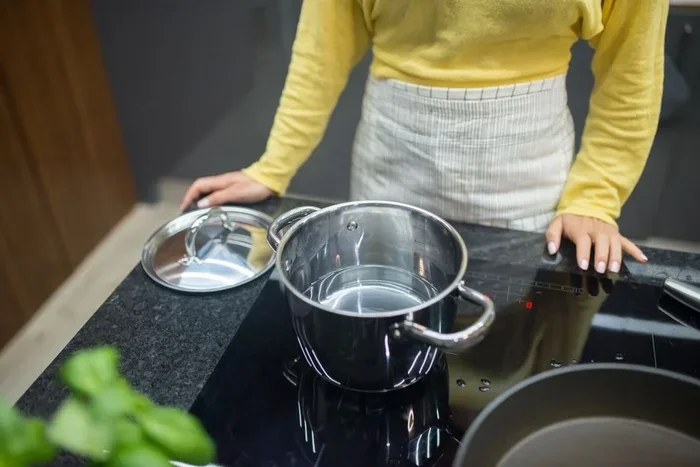
An induction cooktop stove uses electromagnetic technology to heat your cookware directly. Unlike gas burners or traditional electric coils, induction does not generate heat on the surface itself. Instead, it creates a magnetic field that reacts with the metal in your pot or pan.
Here is how it works in simple terms. When you place a compatible pot on the burner and turn it on, an electric current flows through a coil beneath the glass surface. This creates an alternating magnetic field. That field excites the molecules in the cookware, which generates heat right in the pot or pan.
The result is incredibly fast and even heating. Water boils in about half the time compared to a gas burner. The cooktop surface itself stays relatively cool because the heat comes from the cookware, not the burner below.
This technology has been around for decades in Europe and Asia. But in recent years, it has grown widely available and affordable in the United States. More homeowners are discovering that induction cooktop stove units offer a superior cooking experience.
Induction vs. Gas vs. Electric
It helps to understand how induction compares to other cooktop types. Gas cooktops use open flames, which give you instant heat control and a visual flame. Electric smooth-top cooktops use hidden heating elements beneath the glass. Both have their strengths, but induction heating technology offers a unique set of advantages.
Gas burners can waste a lot of heat into the surrounding air. Electric cooktops take longer to heat up and cool down. Induction, on the other hand, delivers heat almost instantly and responds quickly when you adjust the temperature. This precision makes it a favorite among home cooks who want more control.
Benefits of Choosing an Induction Cooktop Stove
There are many reasons to consider an induction cooktop stove for your kitchen. Let us look at the biggest benefits that make this technology stand out.
Speed and Efficiency
Speed is one of the most noticeable advantages. An induction burner can bring a large pot of water to a boil in just a few minutes. This is because the energy transfers directly to the cookware without any middleman like a flame or heating coil.
In practical terms, this means you spend less time waiting and more time cooking. Whether you are boiling pasta, searing a steak, or simmering a sauce, the heat responds almost instantly. Many cooks say they can cut their overall cooking time in half.
Energy Efficiency
Induction cooking is also remarkably energy efficient. Traditional gas stoves lose a lot of heat to the surrounding air. Electric cooktops also lose energy through the glass surface. With an induction cooktop stove, about 90 percent of the energy goes directly into the pot.
This means lower energy bills over time and less heat added to your kitchen during summer months. If you care about reducing your home energy footprint, induction is a smart choice.
Safety Features
Safety is a major concern in any kitchen, especially for families. The induction cooktop stove surface stays cool to the touch while cooking. The only thing that gets hot is the cookware itself. This greatly reduces the risk of burns.
Most models also include auto-shutoff features. If you leave a burner on without a pot, the unit will turn itself off after a set period. Some cooktops even have child lock settings. These safety features give parents peace of mind.
Easy Cleaning
The smooth glass surface of an induction cooktop stove makes cleanup a breeze. Spills and splatters do not bake onto the surface the way they can with gas burners. A quick wipe with a damp cloth after cooking keeps the cooktop looking like new.
Because the surface stays cool, food does not burn and crust onto it during cooking. This is a huge time-saver for busy weeknight dinners.
Key Features to Look For
Not all induction cooktop stove models are created equal. Here are the most important features to consider before you buy.
Burner Configuration
Think about how you cook and how many people you feed. A single burner setup works great for small kitchens or apartments. A double burner or four-burner configuration suits larger households and more complex meals.
If you love cooking big meals, look for models with a large dual-burner zone. This lets you use oversized pots and griddles. Some high-end models even offer bridge elements that connect two burners into one long cooking surface.
Downdraft Ventilation
Many induction cooktop stove units come with built-in downdraft ventilation. This feature pulls smoke, steam, and cooking odors down through the cooktop and away from your kitchen. It is a great option if you do not have a range hood or want a cleaner look.
When choosing a model with downdraft, check the fan power and noise level. A strong, quiet fan makes a big difference in your cooking comfort.
Control Options
Look for cooktops with precise temperature controls. Some models offer slide controls, while others use digital touch panels. Both styles work well, but touch panels often give you more fine-tuned adjustments.
Bonus features to look for include preset cooking modes, timer functions, and power boost settings. These extras add convenience and help you get consistent results every time.
Cookware Compatibility
Here is something many buyers overlook. Not all pots and pans work on an induction cooktop stove. The cookware must be ferromagnetic, meaning it needs to respond to a magnet. Cast iron, carbon steel, and certain stainless steel pans work perfectly.
If you are unsure whether your current cookware is compatible, simply hold a magnet to the bottom of the pan. If it sticks, you are good to go. If not, you may need to invest in new induction compatible cookware. Check out our guide on the best pots and pans for induction cooktop if you need recommendations.
Size and Installation
Measure your kitchen space carefully before buying. Standard induction cooktop stove widths range from 24 inches to 36 inches. A 30-inch model fits most standard kitchen cabinets. Larger models offer more cooking zones but require more counter space.
Some cooktops are designed for drop-in installation, while others are freestanding. Make sure your kitchen can accommodate the size and type you choose. If you are replacing an existing cooktop, check the cutout dimensions and electrical requirements.
Types of Induction Cooktop Stoves
Understanding the different types of induction cooktop stove options helps you narrow your search. Here are the most common configurations.
Built-In Induction Cooktops
Built-in models are the most popular choice. They install flush with your countertop for a sleek, integrated look. Most come in 30-inch or 36-inch widths with four to five burners. These are ideal for homeowners who want a permanent, professional-grade setup.
Some built-in models include a downdraft ventilation system. Others offer a separate double burner griddle for induction cooktop configuration. This gives you flexibility to cook multiple dishes at once.
Portable and Single-Burner Induction Cooktops
Not everyone needs a full-size cooktop. A portable single burner induction cooktop built in design is perfect for small kitchens, dorm rooms, or extra cooking space during holidays. These compact units plug into a standard outlet and offer powerful heating in a small footprint.
Portable induction cooktops are also great as a second cooking zone when you are entertaining guests. They give you the flexibility to boil water or sauté vegetables on a separate surface without crowding your main cooktop.
Hybrid and Multi-Fuel Options
If you love the feel of gas cooking but want the efficiency of induction, consider a hybrid model. A hybrid gas stove with induction cooktop combines gas burners on one section and induction zones on the other. This gives you the best of both worlds.
Hybrid options are perfect for households where different family members prefer different cooking methods. Some people love the visual flame and instant control of gas, while others appreciate the speed and precision of induction.
Common Mistakes to Avoid When Buying
Buying an induction cooktop stove is a big investment. Avoid these common mistakes to make sure you get the right unit for your needs.
Skipping Cookware Checks
The biggest mistake buyers make is not checking their existing cookware. Even if you buy the best induction cooktop stove on the market, it will not work properly without compatible pots and pans. Test your current cookware with a magnet before you shop.
If you need new cookware, do not wait until after the cooktop arrives. Having your induction compatible cookware ready ensures a smooth transition. Our guide on the best non-stick skillet for induction cooktop can help you find quality options at every price point.
Ignoring Ventilation Needs
Induction cooktops still produce steam, smoke, and cooking odors. Without proper ventilation, your kitchen can become uncomfortable quickly. Many buyers forget to account for this and end up with a cooktop that does not meet their ventilation needs.
If your kitchen lacks a range hood, consider a model with built-in downdraft ventilation. You can also check out our article on the best ductless range hood for gas stove for standalone ventilation solutions that work well with any cooktop type.
Overlooking Electrical Requirements
Most induction cooktop stove units require a dedicated 240-volt electrical circuit. This is different from the standard 120-volt outlets found in most kitchens. If your home does not have the right electrical setup, you may need an electrician to install one.
Check the electrical requirements before you purchase. Factor in the cost of any necessary electrical upgrades. This prevents surprises and ensures your new cooktop operates safely and efficiently.
Choosing Only on Price
It is tempting to go with the cheapest option, but price alone does not tell the full story. A lower-priced model may lack important features like precise temperature control, safety shutoffs, or durable construction. Investing a bit more upfront often saves you money and frustration in the long run.
Read reviews, compare features, and think about how often you cook. A well-made induction cooktop stove can last 10 to 15 years with proper care. It is worth choosing a model that fits your cooking habits rather than just your budget.
Maintenance Tips for Your Induction Cooktop Stove
Keeping your induction cooktop stove in great shape is simple with a few regular habits. Proper maintenance extends the life of the unit and keeps it looking and performing its best.
Daily Cleaning Routine
After each use, let the cooktop cool slightly and wipe it down with a soft, damp cloth. This prevents food residue from building up and bonding to the glass surface. Use a cooktop-specific cleaning solution for the best results.
Avoid using abrasive scrubbers or harsh chemicals. These can scratch or damage the glass surface. A microfiber cloth and a gentle cleaner work wonders for daily maintenance.
Dealing with Stubborn Stains
For baked-on spills, place a damp cloth on the spot and let it sit for a few minutes. This softens the residue and makes it easier to wipe away. You can also use a cooktop scraper designed for glass surfaces. These tools remove tough stains without scratching.
For models with downdraft ventilation, clean the grease filters regularly. Remove the filters, wash them in warm soapy water, and let them dry completely before reinstalling. This keeps the ventilation system working efficiently.
Protecting the Surface
Always use cookware with flat, smooth bottoms. Warped or rough-bottomed pots can scratch the glass surface. Lift pots and pans when moving them rather than sliding them across the cooktop.
Avoid dropping heavy items on the surface. The glass, while durable, can crack under impact. Using a protective cooktop cover when the unit is not in use is also a good habit.
Conclusion
Choosing the right induction cooktop stove comes down to understanding your cooking needs, kitchen space, and budget. These units offer incredible speed, energy efficiency, and safety features that make them a standout choice for modern kitchens. From built-in four-burner models to portable single-burner options, there is an induction cooktop stove for every home.
Remember to check your cookware compatibility, plan for proper ventilation, and factor in any electrical requirements before you buy. With the right model and a little care, your new induction cooktop will serve you well for many years to come.
Take your time, compare your options, and trust your instincts. The best induction cooktop stove is the one that fits your kitchen, your cooking style, and your lifestyle perfectly.
Frequently Asked Questions
Can I use any cookware on an induction cooktop stove?
No, you need ferromagnetic cookware that responds to a magnet. Cast iron, carbon steel, and certain stainless steel pans work well. If a magnet sticks to the bottom of your pan, it is compatible with induction cooking.
Is an induction cooktop stove more expensive than gas or electric?
The upfront cost is often higher, but induction cooktops save money on energy bills over time. They are also more efficient, which means lower operating costs. Many homeowners find the long-term savings outweigh the initial investment.
How long does an induction cooktop stove last?
A well-maintained induction cooktop stove can last 10 to 15 years or more. The lack of open flames and heating coils reduces wear and tear. Regular cleaning and proper use go a long way in extending the lifespan.
Do induction cooktops produce electromagnetic radiation?
Induction cooktops use electromagnetic fields to heat cookware, but the levels are considered safe for everyday use. The field only activates when compatible cookware is placed on the burner. If you have concerns, consult with a health professional or the manufacturer.
Can I install an induction cooktop stove myself?
Installation depends on the model and your kitchen setup. Built-in models often require professional electrical work, especially for 240-volt connections. Freestanding and portable models are usually easier to set up. Always check the manufacturer’s installation guidelines before starting.
What is the difference between an induction cooktop and a downdraft cooktop?
An induction cooktop stove refers to the heating technology used. A downdraft cooktop refers to a ventilation system built into the cooktop. Some models combine both features, offering induction heating with built-in downdraft ventilation for a cleaner kitchen look.