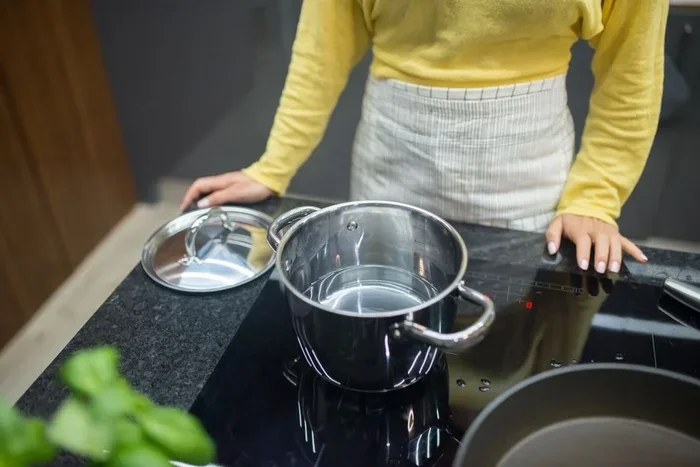
Finding the right pans for induction cooktop can completely change how you cook. Induction technology uses magnetic fields to heat pans directly, which means you need the correct cookware. This guide covers everything from material types to top picks so you can choose the best pans for induction cooktop with confidence.
Cooking with an induction cooktop is a game changer. The heat responds instantly, the surface stays cool to the touch, and cleanup becomes a breeze. But here is the thing many people overlook. Not every pan works on an induction cooktop. You need the right pans for induction cooktop to unlock all that performance. Using the wrong cookware means uneven heating, wasted energy, and frustration in the kitchen.
This guide walks you through everything you need to know. We will cover what makes a pan induction compatible, which materials work best, and how to choose the right size and shape. By the end, you will feel confident picking the perfect pan for your induction setup. Let us dive in.
Key Takeaways
- Magnetic compatibility is essential: Your pan must contain ferromagnetic material to work on an induction cooktop.
- Stainless steel and cast iron are top performers: These materials offer excellent heat distribution and durability for induction cooking.
- Flat bottoms matter: A smooth, flat base ensures maximum contact with the induction surface for efficient heating.
- Size and shape affect performance: Choosing the right pan size matches your cooking needs and induction burner size.
- Non-stick options exist: You can enjoy easy cleanup with induction-safe non-stick pans designed for magnetic cooktops.
- Investing in quality pays off: The best pans for induction cooktop last longer and deliver superior cooking results.
📑 Table of Contents
- What Makes A Pan Work On An Induction Cooktop
- Best Materials For Pans On Induction Cooktops
- How To Choose The Right Pan Size And Shape
- Top Features To Look For In Induction Pans
- Common Mistakes People Make With Induction Pans
- Quick Tips For Getting The Most From Your Induction Cooktop
- Final Thoughts
What Makes A Pan Work On An Induction Cooktop
Understanding how induction cooking works helps you make smarter choices. An induction cooktop uses a magnetic field to generate heat directly in the pan. The cooktop surface itself does not get hot. Instead, it energizes the metal in your pan, which then heats up. This is why the type of pan you use matters so much.
The Role Of Ferromagnetic Materials
For a pan to work on an induction cooktop, it must be ferromagnetic. That means the metal in the pan needs to respond to a magnetic field. Cast iron and certain grades of stainless steel fit this requirement perfectly. Aluminum and copper pans alone will not work because they are not magnetic. However, some manufacturers add a magnetic disc to the bottom of non-magnetic pans to make them induction compatible.
Here is a simple test you can do at home. Hold a magnet to the bottom of your pan. If the magnet sticks firmly, your pan is induction ready. If it does not stick, you will need to replace it or use a converter disc. This small trick saves you from buying cookware that will not work.
Why Flat Bottoms Are Critical
The induction coil sits just beneath the glass surface of your cooktop. For the magnetic field to transfer heat efficiently, the pan needs full contact with the surface. A warped or curved bottom creates gaps. Those gaps reduce heat transfer and lead to uneven cooking. Always choose pans with perfectly flat bottoms for the best results.
If you are unsure whether your current pans have flat bases, set them on a level countertop. Give them a gentle spin. If they wobble, they are not ideal for induction cooking. Flat bottom pans also distribute heat more evenly, which improves your overall cooking performance.
Best Materials For Pans On Induction Cooktops
Not all cookware materials are created equal when it comes to induction cooking. Some heat up fast and retain heat beautifully. Others offer easy cleanup and low-maintenance cooking. Let us break down the best materials so you can match your cooking style to the right pan.
Stainless Steel
Stainless steel is one of the most popular choices for induction cooking. It is durable, non-reactive, and heats up quickly on an induction surface. High-quality stainless steel pans often feature a layered or encapsulated bottom. This construction sandwiches aluminum or copper between stainless steel layers, improving heat distribution.
Stainless steel pans work beautifully for searing, sautéing, and deglazing. They are also oven safe, which gives you flexibility to start a dish on the cooktop and finish it in the oven. The main downside is that food can stick if you do not use enough oil or preheat the pan properly. But with a little practice, stainless steel becomes your best kitchen friend.
Cast Iron
Cast iron is a natural winner for induction cooktops. It is inherently ferromagnetic, which means it works perfectly without any special modifications. Cast iron holds heat incredibly well, making it ideal for searing steaks, frying eggs, and slow-cooking stews.
The downside is weight. Cast iron pans are heavy, and they take longer to heat up than thinner materials. They also require more maintenance, including seasoning and careful drying to prevent rust. If you do not mind the extra heft, a cast iron skillet is one of the best investments you can make for your induction cooktop.
Carbon Steel
Carbon steel offers many of the same benefits as cast iron but with less weight. It heats up quickly, responds well to temperature changes, and develops a natural non-stick surface over time with proper seasoning. Carbon steel pans are excellent for induction cooking, especially if you want something lighter than cast iron.
These pans are perfect for stir-frying, crepe making, and general stovetop cooking. They are also more affordable than many stainless steel options. If you want the performance of cast iron without the bulk, carbon steel is worth exploring.
Non-Stick Options
Non-stick pans make cooking and cleanup much easier. But not all non-stick pans are induction compatible. You need to look for non-stick pans specifically labeled as induction safe. These pans typically have a magnetic stainless steel base or a built-in ferromagnetic layer that allows them to work with induction technology.
Non-stick pans are great for delicate foods like eggs, pancakes, and fish. They require less oil and release food effortlessly. However, they generally cannot handle as high temperatures as cast iron or stainless steel. Avoid using metal utensils on non-stick surfaces to protect the coating. For more options, check out our guide on the best non-stick cookware for induction cooktop.
How To Choose The Right Pan Size And Shape
Choosing the correct size and shape of pan makes a big difference in your cooking results. Induction cooktops come in different burner sizes, and your pan should match those burners for optimal performance.
Matching Pan Size To Burner Size
Most induction cooktops have burners that range from small to large. A small burner works best with an 8-inch or 10-inch pan. A large burner performs best with a 12-inch or larger pan. Using a pan that is too small for the burner wastes energy and reduces heating efficiency. Using a pan that is too large can cause uneven heating at the edges.
As a general rule, the pan base should cover about 70 to 80 percent of the burner size. This ensures the magnetic field transfers heat evenly across the entire pan bottom.
Shape Matters Too
The shape of your pan affects how food cooks and how much surface area is exposed to heat. Frying pans and skillets are versatile and great for everyday cooking. Sauce pans work well for liquids, soups, and sauces. Saute pans with straight sides are excellent for browning and braising.
Consider what you cook most often. If you make a lot of stir-fry, a wide, shallow pan is ideal. If you simmer sauces frequently, a deeper pan with a lid serves you better. Having a mix of shapes in your kitchen gives you flexibility for every type of meal.
Top Features To Look For In Induction Pans
Not all pans are built the same. When shopping for the best pans for induction cooktop, pay attention to these key features that separate good cookware from great cookware.
Heat Distribution And Retention
Good heat distribution means your food cooks evenly across the entire pan. Poor heat distribution creates hot spots, which leads to burning in some areas and undercooking in others. Look for pans with multi-ply or encapsulated bottoms. These designs layer different metals together to spread heat evenly.
Heat retention is equally important. Cast iron and carbon steel excel here. They stay hot even after you remove them from the burner. Stainless steel retains heat well too, especially when it has a thick, heavy bottom. Pans with good heat retention give you more control over cooking temperatures.
Handle Comfort And Grip
You will be holding your pan a lot, so comfort matters. Look for pans with ergonomic handles that stay cool on the stovetop. Silicone or phenolic handles are excellent because they insulate against heat. Avoid pans with thin metal handles that transfer heat directly to your hand.
Also consider handle length. Long handles give you more clearance over the burner, which is helpful when you are moving pans around. Short handles save space but can be less comfortable for heavy pans. Some pans offer helper handles on the opposite side, which makes lifting heavy cookware much easier.
Oven And Broiler Safety
Many cooks love pans that can go from stovetop to oven seamlessly. This versatility is especially useful for dishes that start on the cooktop and finish in the oven, like braised meats or baked casseroles. Most stainless steel and cast iron pans are oven safe up to high temperatures.
Check the manufacturer’s maximum oven temperature rating before buying. Non-stick pans typically have lower oven-safe limits, usually around 400 to 450 degrees Fahrenheit. Stainless steel and cast iron can often handle 500 degrees or more. This matters if you plan to use your pans for both stovetop and oven cooking.
Common Mistakes People Make With Induction Pans
Even experienced cooks make mistakes when choosing pans for their induction cooktop. Avoid these common errors to get the best performance from your cookware.
Using Non-Induction Pans Without A Converter
One of the biggest mistakes is trying to use regular non-magnetic pans on an induction cooktop. They simply will not heat up. Some people try to force it, thinking the cooktop is broken. In reality, the pan is just not compatible. You can use an induction converter disc as a workaround, but it is better to invest in proper induction-compatible cookware.
Ignoring Pan Flatness
A slightly warped pan might work on a gas stove, but it causes problems on an induction cooktop. The gap between the warped bottom and the glass surface reduces heat transfer significantly. Over time, this leads to uneven cooking and poor performance. Always check that your pan sits flat before using it on induction.
Skipping The Magnet Test
Many people buy pans based on brand or appearance without checking if they are induction compatible. The magnet test takes two seconds and saves you from disappointment. Keep a small fridge magnet in your kitchen and use it whenever you are unsure about a pan.
Overheating Non-Stick Pans
Non-stick pans heat up quickly on induction cooktops because the energy transfers directly to the pan. This means they can overheat faster than you expect. Overheating damages the non-stick coating and releases harmful fumes. Always use medium or low heat with non-stick pans on induction. For more tips on caring for your cookware, read our article on the best cooking utensils for stainless steel pans.
Quick Tips For Getting The Most From Your Induction Cooktop
Once you have the right pans, a few simple tips will elevate your cooking experience even further.
- Preheat your pan before adding oil. This helps food release easily and prevents sticking.
- Use the right heat setting. Induction cooktops heat fast, so you often need lower settings than you would on a gas stove.
- Clean the cooktop surface regularly. A clean surface ensures maximum contact between the pan and the induction coil.
- Match your pan to the task. Use wide pans for searing and narrow pans for simmering sauces.
- Invest in a quality cookware set. A well-matched set of pans for induction cooktop ensures you have the right size and shape for every meal. Check out our picks for the best pots and pans set for induction cooktop to get started.
Final Thoughts
Choosing the best pans for induction cooktop does not have to be overwhelming. Focus on magnetic compatibility, flat bottoms, and materials that suit your cooking style. Stainless steel, cast iron, carbon steel, and induction-safe non-stick pans all offer excellent performance on induction surfaces. Match your pan size to your burner, look for key features like even heat distribution and comfortable handles, and avoid common mistakes like using non-compatible pans.
With the right pans in your kitchen, you will enjoy faster heating, better energy efficiency, and more precise temperature control. Your induction cooktop will truly transform the way you cook. Start with one or two high-quality pans and build your collection over time. Happy cooking!
Frequently Asked Questions
What type of pan works best on an induction cooktop?
Stainless steel and cast iron pans work best on an induction cooktop because they are naturally ferromagnetic. Carbon steel is also an excellent choice. Look for pans labeled as induction compatible to ensure they work properly with your cooktop.
Can I use a non-stick pan on an induction cooktop?
Yes, but only if the non-stick pan is specifically designed to be induction compatible. These pans have a magnetic stainless steel base that allows them to work with induction technology. Always check the product label or perform a magnet test before purchasing.
How do I know if my current pans are induction compatible?
The easiest way is the magnet test. Simply hold a magnet to the bottom of your pan. If it sticks firmly, your pan is induction ready. If it does not stick, the pan will not work on an induction cooktop without a converter disc.
Why does my induction cooktop not heat up when I place a pan on it?
This usually means your pan is not induction compatible. Induction cooktops require ferromagnetic materials in the pan base. Aluminum, copper, and glass pans will not work unless they have a built-in magnetic layer. Check for the induction compatibility symbol on the pan packaging.
What size pan should I use on my induction cooktop?
Match your pan size to the burner size for best results. A pan base should cover about 70 to 80 percent of the burner diameter. Using a pan that is too small wastes energy, while one that is too large can cause uneven heating at the edges.
Are expensive induction pans worth the investment?
Higher quality pans typically offer better heat distribution, durability, and cooking performance. They are worth the investment if you cook frequently and want consistent results. However, there are also affordable options that perform well and deliver great value for everyday cooking.