Choosing the right skillet for glass cooktop can make or break your cooking experience. A glass cooktop demands cookware with a flat bottom, even heat distribution, and scratch-free materials. This guide walks you through the best skillets, key features to look for, common mistakes to avoid, and practical tips to keep your cooktop and skillet in top shape for years to come.
Cooking on a glass cooktop feels smooth and sleek, but it also comes with a big responsibility: choosing the right cookware. The wrong skillet can scratch your surface, cause hot spots, or even crack the glass. If you have been searching for the perfect skillet for glass cooktop, you are in the right place.
A good skillet does more than just cook food. It distributes heat evenly, responds well to temperature changes, and sits flat against the cooktop surface without wobbling. Whether you are searing steaks, frying eggs, or making a stir-fry, the right pan makes all the difference.
In this guide, we break down everything you need to know about picking the best skillet for your glass cooktop. We cover materials, features, common mistakes, and practical tips that will help you cook with confidence every single day.
Key Takeaways
- Flat Bottom Is Essential: A warped or uneven skillet will scratch your glass cooktop and cook food unevenly.
- Material Matters: Non-stick, cast iron, carbon steel, and stainless steel each offer unique benefits for glass surfaces.
- Avoid Rough Bottoms: Skillets with rough or textured bases can cause permanent damage to tempered glass cooktops.
- Size and Weight Count: Heavier skillets retain heat better but need careful handling to prevent chipping the glass surface.
- Proper Cleaning Extends Life: Using the right cleaning methods protects both your skillet and your glass cooktop from buildup and scratches.
- Check Compatibility: Not all skillets work well on every type of glass cooktop, including ceramic and electric smooth tops.
📑 Table of Contents
- Why You Need the Right Skillet For Glass Cooktop
- What to Look for in a Skillet For Glass Cooktop
- Top Materials for Skillets on Glass Cooktops
- Common Mistakes to Avoid When Using Skillets on Glass Cooktops
- How to Clean and Maintain Your Skillet and Glass Cooktop
- Final Thoughts on Choosing the Best Skillet For Glass Cooktop
Why You Need the Right Skillet For Glass Cooktop
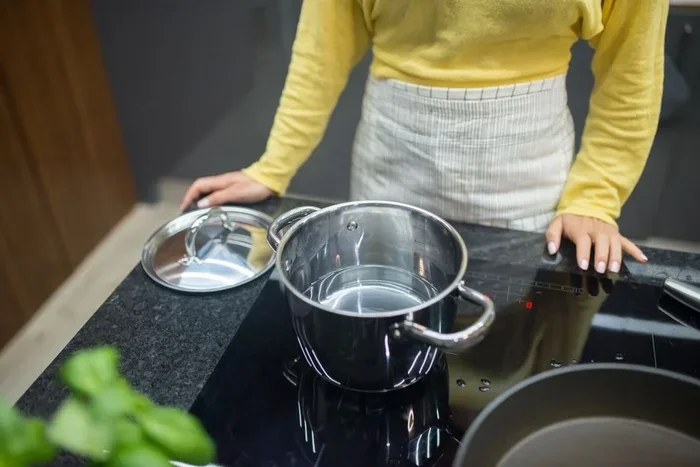
A glass cooktop looks beautiful, but the surface is more sensitive than many people realize. The tempered glass can scratch, crack, or even shatter if you use the wrong cookware. This is why picking the right skillet for glass cooktop is not just about performance. It is also about protecting your investment.
How Glass Cooktops Work
Glass cooktops use electric coils or halogen elements beneath a smooth glass surface to generate heat. The heat transfers directly to the bottom of your pan. This means the contact between the skillet and the glass matters a lot. A warped or uneven bottom will create small gaps where heat builds up unevenly. Over time, this can damage the glass or cause your food to cook inconsistently.
Unlike gas stoves, where the flame wraps around the pan, a glass cooktop relies entirely on flat surface contact. This makes the choice of smooth cooktop cookware especially important. You want a skillet that spreads heat evenly across the entire bottom.
Why Skillet Choice Impacts Cooktop Longevity
Every time you place a skillet on your glass cooktop, the bottom of the pan touches the glass. If the pan has rough spots, burrs, or debris stuck to the bottom, it can scratch the surface. Deep scratches not only look bad but can also weaken the glass over time. In worst cases, a severely scratched cooktop may need to be replaced entirely.
Using a proper skillet for glass cooktop with a smooth, flat bottom helps prevent this damage. It also makes cleaning easier because there are no grooves or rough areas where food can get trapped and harden onto the cooktop surface.
What to Look for in a Skillet For Glass Cooktop
Not all skillets are created equal. When shopping for the best skillet for glass cooktop, there are several key features you should keep in mind. These factors will help you find a pan that performs well and keeps your glass surface safe.
Flat Bottom Design
This is the single most important feature. Your skillet should sit flush against the glass with no wobbling. Even a slight warp can cause hot spots and uneven cooking. Before buying, place the skillet on a flat surface and check for rocking or tilting. A truly flat bottom ensures full contact with the cooktop, which means better heat transfer and safer cooking.
Heat Distribution and Retention
A good skillet spreads heat evenly across its entire surface. Hot spots are the enemy of great cooking. They cause food to burn in some areas while staying raw in others. Look for skillets made from materials known for excellent heat distribution skillet performance, such as cast iron, carbon steel, or multi-ply stainless steel.
Heat retention is equally important. A heavy skillet holds heat well, which is great for searing and browning. However, it also takes longer to cool down, so be careful when placing it on a glass surface. Always let the pan cool before setting it on the cooktop.
Scratch-Resistant and Smooth Surfaces
The bottom of your skillet should be smooth and free of rough textures. Avoid pans with bare cast iron bottoms that have not been properly seasoned, as they can scratch glass. If you use a cast iron skillet glass cooktop, make sure the cooking surface is well-seasoned and the bottom is smooth. Some manufacturers now offer enameled cast iron skillets that are specifically designed for glass and ceramic surfaces.
Weight and Handle Comfort
Heavier skillets tend to cook better because they retain more heat. But they also put more pressure on the glass surface when you place them down. Always lower a heavy skillet gently onto the cooktop. Never drop or slide it across the glass. Choose a skillet with a comfortable, heat-resistant handle that gives you a secure grip during cooking.
Top Materials for Skillets on Glass Cooktops
The material of your skillet determines how it heats, cooks, and interacts with your glass cooktop. Here is a closer look at the most popular options for the best skillet for glass cooktop experience.
Non-Stick Skillets
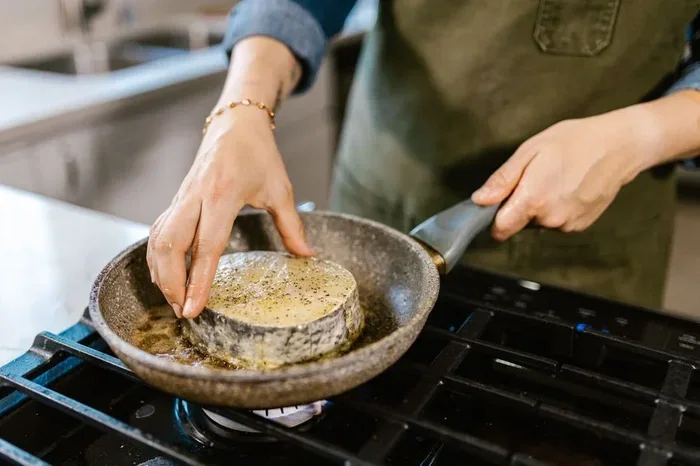
Non-stick skillets are a popular choice for glass cooktops because they have smooth, coated bottoms that glide gently over the glass surface. They are lightweight, easy to clean, and perfect for low-to-medium heat cooking. If you are frying eggs, making pancakes, or cooking delicate fish, a non-stick skillet for glass cooktop works beautifully.
One thing to keep in mind: non-stick coatings can degrade at high temperatures. Always use medium or low heat on a glass cooktop to protect both the coating and the surface. For high-heat cooking, you may want to look at other materials.
Cast Iron Skillets
Cast iron skillets are beloved for their incredible heat retention and even cooking. They are heavy, durable, and can last a lifetime with proper care. However, using cast iron on a glass cooktop requires extra caution. The rough bottom of an unseasoned cast iron skillet can scratch the glass surface.
If you love cast iron, look for skillets with enameled coatings or smooth, well-seasoned bottoms. Always place the skillet down gently and avoid sliding it. A well-maintained cast iron skillet glass cooktop setup can deliver restaurant-quality sears and beautiful browning.
Carbon Steel Skillets
Carbon steel skillets offer a great middle ground between cast iron and lighter cookware. They heat up quickly, retain heat well, and are lighter than cast iron. Many professional chefs prefer carbon steel for its versatility. The bottom of a carbon steel skillet is typically smooth and flat, making it a good option for glass cooktops.
Like cast iron, carbon steel needs to be seasoned over time. A well-seasoned carbon steel skillet develops a natural non-stick surface that works wonderfully for searing, sautéing, and even baking. Just be sure to check that the bottom is smooth before using it on your glass surface.
Stainless Steel Skillets
Stainless steel is durable, non-reactive, and oven-safe. It is an excellent choice for those who want a long-lasting skillet that can handle a variety of cooking tasks. The key with stainless steel is to look for a fully-clad or multi-ply construction, which ensures even heat distribution skillet performance across the entire bottom.
Stainless steel skillets can be heavier and may develop hot spots if they are not well-built. Look for brands that use aluminum or copper cores sandwiched between stainless steel layers for the best results on a glass cooktop.
Common Mistakes to Avoid When Using Skillets on Glass Cooktops
Even with the best skillet for glass cooktop, mistakes can happen. Here are some common errors that can damage your cooktop or reduce the life of your skillet.
Dragging the Skillet Across the Surface
This is the number one cause of glass cooktop scratches. Never slide your skillet across the surface, even if it has a smooth bottom. Always lift the skillet and place it down gently. This simple habit can save your cooktop from years of damage.
Using a Warped or Damaged Skillet
A warped skillet makes poor contact with the glass, leading to uneven heating and potential hot spots. If your skillet wobbles on a flat surface, it is time to replace it. Using a damaged skillet also increases the risk of spilling hot oil or food onto the cooktop.
Ignoring the Manufacturer’s Recommendations
Many glass cooktop manufacturers provide guidelines for compatible cookware. Always check these recommendations before buying new skillets. Some brands specify maximum skillet weight, bottom diameter requirements, or material restrictions. Ignoring these guidelines can void your cooktop warranty.
Cooking at Excessively High Heat
Glass cooktops can handle high heat, but your skillet may not. Excessive heat can warp thin pans, damage non-stick coatings, and cause food to burn. Stick to medium or medium-high heat for most cooking tasks. If you need high heat, use a thick, heavy skillet made from cast iron or carbon steel.
How to Clean and Maintain Your Skillet and Glass Cooktop
Proper maintenance keeps both your skillet and your glass cooktop in excellent condition. A little care goes a long way in extending the life of your cookware and protecting the cooktop surface.
Cleaning Your Skillet
For non-stick skillets, use warm water and a soft sponge. Avoid abrasive scrubbers or metal utensils that can damage the coating. For cast iron and carbon steel skillets, rinse with warm water and scrub gently with a stiff brush. Never use soap on seasoned cast iron, as it can strip the seasoning layer. Dry your skillet completely after washing to prevent rust.
If you are looking for complementary cookware for your glass cooktop, you might also want to check out our guide on the best rated pots and pans for glass cooktop to round out your kitchen collection.
Cleaning Your Glass Cooktop
Wipe down your glass cooktop after every use with a damp cloth. For stubborn residue, use a cooktop-specific cleaner and a soft microfiber cloth. Never use abrasive pads or harsh chemicals, as these can damage the glass finish. Always make sure your skillet bottom is clean before placing it on the cooktop to prevent scratching from trapped debris.
Seasoning and Storage Tips
If you use cast iron or carbon steel skillets, re-season them every few months to maintain their non-stick properties and protect against rust. Store your skillets in a dry place with a cloth or paper towel between stacked pans to prevent scratching. When stacking, place a protective layer between the skillet and any other cookware to avoid damage to the cooking surface.
Final Thoughts on Choosing the Best Skillet For Glass Cooktop
Finding the perfect skillet for glass cooktop comes down to understanding your cooking style, your cooktop type, and the materials that work best for both. A flat, smooth bottom is non-negotiable. The right material, whether it is non-stick, cast iron, carbon steel, or stainless steel, will elevate your cooking and protect your glass surface at the same time.
Take your time when shopping. Read reviews, check the bottom construction, and consider how you will use the skillet most days. A quality skillet is an investment that pays off in better food, easier cooking, and a longer-lasting cooktop. With the right pan in your kitchen, every meal becomes a little easier and a lot more enjoyable.
If you are also shopping for other cookware, consider exploring our recommendations on the best non stick pan for glass cooktop and the best pots and pans for glass ceramic cooktop to find the perfect set for your kitchen.
Remember, a great cooking experience starts with the right tools. Choose wisely, cook with confidence, and enjoy every meal you make on your glass cooktop.
Frequently Asked Questions
Can I use any skillet on a glass cooktop?
Not all skillets are safe for glass cooktops. You need a skillet with a flat, smooth bottom that won’t scratch or damage the tempered glass surface. Avoid skillets with rough bottoms, burrs, or warped surfaces. Always check that your cookware is compatible with glass and ceramic cooktops before using it.
What is the best material for a skillet on a glass cooktop?
The best material depends on your cooking needs. Non-stick skillets work great for low-heat cooking and easy cleanup. Cast iron and carbon steel offer superior heat retention for searing and browning. Stainless steel is durable and versatile. Look for skillets with fully-clad construction for the most even heat distribution on a glass surface.
How do I prevent scratches on my glass cooktop?
Always lift your skillet instead of sliding it across the surface. Make sure the bottom of your skillet is clean and free of debris before placing it on the cooktop. Avoid using skillets with rough or damaged bottoms. Regularly clean your cooktop with a cooktop-specific cleaner and a soft cloth to maintain the smooth surface.
Can I use a cast iron skillet on a glass cooktop?
Yes, but with caution. Cast iron skillets are heavy and can scratch glass if the bottom is rough or unseasoned. Choose an enameled cast iron skillet or a well-seasoned one with a smooth bottom. Always place the skillet down gently and never slide it across the glass surface to avoid damage.
How heavy should a skillet for glass cooktop be?
There is no single ideal weight. Thicker, heavier skillets retain heat better and provide superior searing, but they put more pressure on the glass surface when placed down. A medium-weight skillet between 2 and 4 pounds is a good all-around choice. Always handle heavy skillets with care to protect your cooktop from impact damage.
Is a non-stick skillet safe for high heat on a glass cooktop?
Most non-stick coatings are not designed for very high heat. Using a non-stick skillet at excessively high temperatures can damage the coating and release harmful fumes. Stick to medium or medium-high heat when cooking with non-stick pans on a glass cooktop. For high-heat cooking, choose cast iron, carbon steel, or stainless steel instead.