A 1/4 cup equals 2 fluid ounces for liquids and varies in weight for dry ingredients depending on the ingredient density. Understanding the 1/4 cup to oz conversion is essential for cooking, baking, and meal prep. This guide breaks down the exact measurements for both liquid and dry ingredients so you can get perfect results every time.
Have you ever been mid-recipe and suddenly wondered, how many ounces are in 1/4 cup? Maybe you are scaling down a batch of cookies or trying to halve a soup recipe. Whatever the reason, knowing the 1/4 cup to oz conversion is one of those small kitchen skills that makes a big difference.
This guide covers everything you need to know about converting a quarter cup to ounces. We will look at liquid measurements, dry ingredients, and why the numbers are not always the same. By the end, you will never second-guess this conversion again.
Key Takeaways
- 1/4 cup equals 2 fluid ounces for all liquid ingredients like water, milk, and oil.
- Dry ingredient weights vary — 1/4 cup of flour weighs about 1 oz, while 1/4 cup of sugar weighs about 2 oz.
- Using a kitchen scale gives the most accurate results for dry ingredients.
- Volume and weight are different — cups measure volume, ounces measure weight.
- Printable conversion charts make quick reference easy during cooking.
- Common mistakes include confusing fluid ounces with weight ounces and packing ingredients too tightly.
- Mastering this conversion helps you scale recipes up or down with confidence.
📑 Table of Contents
- What Does 1/4 Cup to Oz Mean?
- Why Volume and Weight Are Different
- How to Measure 1/4 Cup Accurately
- Common Mistakes When Converting 1/4 Cup to Ounces
- Quick Reference: 1/4 Cup to Oz Conversion Chart
- How This Conversion Helps in Everyday Cooking
- Metric vs. Imperial: Understanding Both Systems
- Expert Tips for Perfect Measurements Every Time
- Conclusion
What Does 1/4 Cup to Oz Mean?
Let us start with the basics. A 1/4 cup is a unit of volume. It is one-fourth of a standard US measuring cup. When we talk about ounces, things get a little tricky because there are two types of ounces.
Fluid ounces measure volume. They tell you how much space a liquid takes up. Weight ounces measure how heavy something is. So when you ask, how many oz in 1/4 cup, the answer depends on what you are measuring.
For Liquids: 1/4 Cup Equals 2 Fluid Ounces
If you are measuring water, milk, oil, or any other liquid, the answer is simple. 1/4 cup equals 2 fluid ounces. This is true for all liquids because volume stays the same regardless of what the liquid is.
Here is a quick breakdown of common liquid measurements:
- 1/4 cup = 2 fluid ounces
- 1/3 cup = 2.7 fluid ounces
- 1/2 cup = 4 fluid ounces
- 1 cup = 8 fluid ounces
These numbers come from the US customary system. One full cup equals 8 fluid ounces. So a quarter of that is 2 fluid ounces. This is a reliable conversion you can always count on for liquids.
For Dry Ingredients: The Weight Varies
Dry ingredients are a different story. Because different dry ingredients have different densities, the weight of 1/4 cup changes from ingredient to ingredient. This is where many home cooks get confused.
Here are some common examples of 1/4 cup to ounces for popular dry ingredients:
- All-purpose flour: about 1 ounce (28 grams)
- Granulated sugar: about 2 ounces (56 grams)
- Brown sugar: about 2.25 ounces (65 grams)
- Butter: about 2 ounces (56 grams)
- Oats: about 0.75 ounces (21 grams)
- Cocoa powder: about 0.6 ounces (17 grams)
As you can see, the range is wide. This is exactly why measuring by weight is so important for baking. If a recipe calls for 1/4 cup of flour, it does not mean the same weight as 1/4 cup of sugar.
Why Volume and Weight Are Different
Understanding the difference between volume and weight is key to mastering kitchen measurements. A cup measures volume, which is the amount of space something takes up. An ounce measures weight, which is how heavy something is.
Think of it this way. A 1/4 cup of marshmallows and a 1/4 cup of flour take up the same amount of space. But the flour weighs much less than the marshmallows. The volume is the same, but the weight is completely different.
This is why recipes for baking often list ingredients in both cups and ounces. Baking is a science. Small differences in measurement can change the texture and structure of your baked goods. Using the right method matters.
The Role of Ingredient Density
Density is the secret behind why dry ingredients weigh differently. Denser ingredients weigh more per cup. Lighter ingredients weigh less.
For example, 1/4 cup of honey weighs about 3.5 ounces because honey is dense. But 1/4 cup of whipped cream weighs only about 0.5 ounces because it is light and airy. The cup size stays the same. The weight changes completely.
When you are following a recipe, always check whether it calls for volume (cups) or weight (ounces). If it calls for weight, use a kitchen scale. It is the most accurate way to measure a quarter cup worth of ingredients by their true weight.
How to Measure 1/4 Cup Accurately
Getting the right measurement every time is easier than you think. Here are some practical tips for measuring 1/4 cup to oz correctly, whether you are working with liquids or dry ingredients.
Measuring Liquids
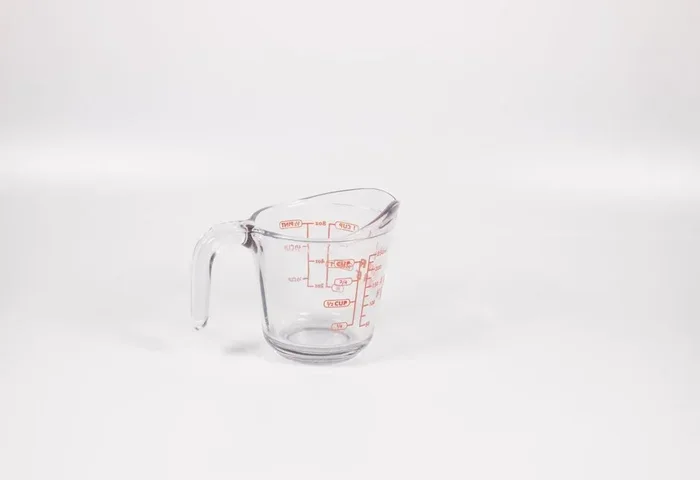
For liquids, use a clear measuring cup set on a flat surface. Pour the liquid in and bend down to eye level. The liquid should reach the 1/4 cup mark exactly. Since 1/4 cup equals 2 fluid ounces, you can also use a small liquid measuring cup with ounce markings.
Quick tips for liquid measuring:
- Always use a liquid measuring cup, not a dry measuring cup.
- Place the cup on a flat, level surface.
- Read the measurement at eye level for accuracy.
- Use the 2 fluid ounce mark for convenience.
Measuring Dry Ingredients
For dry ingredients, the method matters a lot. Spoon the ingredient into your measuring cup and level it off with a straight edge. Do not pack it down or tap the cup. That can add extra ingredient and throw off your measurement.
If a recipe gives you the option, measure by weight instead. A kitchen scale removes all guesswork. Simply place your bowl on the scale, tare it to zero, and add ingredients until you reach the target weight.
Using Measuring Spoons for Small Amounts
Sometimes you need even smaller amounts than 1/4 cup. In that case, measuring spoons come in handy. 1/4 cup equals 4 tablespoons. And 4 tablespoons equals 12 teaspoons. This can help you when you do not have a 1/4 cup measuring cup on hand.
Keep a set of measuring spoons in your kitchen at all times. They are small, inexpensive, and incredibly useful for getting precise measurements.
Common Mistakes When Converting 1/4 Cup to Ounces
Even experienced cooks make mistakes with measurements. Here are the most common errors to avoid when working with 1/4 cup to oz conversions.
Confusing Fluid Ounces with Weight Ounces
This is the number one mistake. A fluid ounce is not the same as a weight ounce. When a recipe says 2 fluid ounces, it means 1/4 cup of liquid. When it says 2 weight ounces, it means the ingredient should weigh 2 ounces on a scale. These are not interchangeable.
Packing Dry Ingredients Too Tightly
Packing flour or brown sugar into a measuring cup compacts the ingredient. This adds more than the intended amount. Always spoon ingredients lightly into the cup and level them off. For brown sugar, the recipe usually tells you to pack it. If it does not, keep it loose.
Using the Wrong Type of Measuring Cup
Dry measuring cups and liquid measuring cups are designed differently. Dry cups are meant to be filled and leveled. Liquid cups have a pour spout and clear markings. Using the wrong one leads to inaccurate measurements.
Not Adjusting for Altitude or Humidity
High altitude and humid conditions can affect how ingredients settle in a measuring cup. Flour, for example, can absorb moisture from the air. This changes its weight slightly. While this does not drastically change your 1/4 cup to oz math, it can matter for sensitive recipes like bread or pastries.
Quick Reference: 1/4 Cup to Oz Conversion Chart
Keep this chart handy the next time you are in the kitchen. It covers the most common conversions for a quarter cup to ounces.
Liquid Conversions:
- 1/4 cup = 2 fluid ounces
- 1/4 cup = 59 milliliters
- 1/4 cup = 4 tablespoons
- 1/4 cup = 12 teaspoons
Dry Ingredient Weights (approximate):
- 1/4 cup all-purpose flour = 1 oz (28g)
- 1/4 cup granulated sugar = 2 oz (56g)
- 1/4 cup brown sugar = 2.25 oz (65g)
- 1/4 cup butter = 2 oz (56g)
- 1/4 cup oats = 0.75 oz (21g)
- 1/4 cup cocoa powder = 0.6 oz (17g)
Print this out or save it on your phone. Having a quick reference saves time and prevents mistakes during cooking and baking.
How This Conversion Helps in Everyday Cooking
Knowing your 1/4 cup to oz conversion is not just about following recipes. It helps you adjust portions, substitute ingredients, and scale recipes up or down. Here are some real-life situations where this knowledge comes in handy.
Scaling Recipes
Say you have a recipe that serves 4 people but you need to feed 2. You need to cut every ingredient in half. If the original recipe calls for 1/2 cup of an ingredient, you now need 1/4 cup. And if the recipe lists ounces, you know that 1/4 cup equals 2 fluid ounces for liquids.
Substituting Ingredients
Running low on an ingredient? Knowing the weight equivalent helps you substitute wisely. If a recipe calls for 1/4 cup of honey and you want to use maple syrup instead, you know both weigh about 3.5 ounces per quarter cup. The substitution should work well.
Measuring Without a 1/4 Cup
What if you do not have a 1/4 cup measuring cup? No problem. Use 4 tablespoons or 12 teaspoons instead. Or simply measure out 2 fluid ounces using a smaller measuring cup with ounce markings.
Some people prefer using their favorite mug or best cup to drink coffee out of as a rough guide. But for accurate results, proper measuring tools are always the way to go.
Metric vs. Imperial: Understanding Both Systems
The United States uses the imperial system, which measures cups and fluid ounces. Most of the rest of the world uses the metric system, which measures in milliliters and grams. If you ever come across a metric recipe, here is how 1/4 cup translates:
- 1/4 cup = 59 milliliters (approximately 60 ml)
- 1/4 cup of flour = 28 grams
- 1/4 cup of sugar = 56 grams
Many digital kitchen scales let you switch between grams and ounces. This makes it easy to follow recipes from any country. If you are serious about cooking and baking, consider investing in a good scale that handles both systems.
For more kitchen essentials that help with precise measurements, check out our guide on best 4 cup stainless steel rice cooker options that include clear measurement markings for easy portioning.
Expert Tips for Perfect Measurements Every Time
Professional chefs and bakers follow a few simple habits that keep their measurements spot on. Here are some tips you can start using today.
- Always level off dry ingredients. Use the back of a knife to scrape across the top of the measuring cup.
- Use room temperature ingredients. Cold ingredients can settle differently and affect weight slightly.
- Invest in a kitchen scale. Even a basic digital scale improves accuracy dramatically.
- Know your ingredient densities. Keep a mental note of which ingredients are light and which are heavy per cup.
- Double-check the recipe. Before you start measuring, read the whole recipe to see if it uses volume or weight.
These small habits add up to big improvements in your cooking and baking results. Once you get into the rhythm of measuring correctly, it becomes second nature.
When you are measuring liquids for your morning coffee or tea, keep in mind that 1/4 cup equals 2 fluid ounces. This is the same amount you would use in many recipes. Whether you are making a sauce, a dressing, or a batter, this conversion stays the same.
If you are curious about other kitchen conversions, you might also enjoy learning about best 4 cup coffee maker with stainless steel carafe models that feature helpful measurement markings for precise brewing.
Conclusion
The 1/4 cup to oz conversion is one of the most useful kitchen skills you can learn. For liquids, it is always 2 fluid ounces. For dry ingredients, the weight varies based on density. Understanding this difference helps you cook and bake with confidence.
Remember the key points. A quarter cup equals 2 fluid ounces for liquids. Dry ingredients range from about 0.6 ounces to 3.5 ounces depending on what you are measuring. Use a kitchen scale for the best accuracy. And always level off your dry ingredients for consistent results.
Next time you are in the kitchen and need to convert 1/4 cup to ounces, you will know exactly what to do. Keep this guide bookmarked for quick reference. With these conversions at your fingertips, you are ready to tackle any recipe with precision and ease.
Frequently Asked Questions
How many ounces are in a 1/4 cup?
For liquids, 1/4 cup equals 2 fluid ounces. For dry ingredients, the weight varies. For example, 1/4 cup of flour weighs about 1 ounce, while 1/4 cup of sugar weighs about 2 ounces. Always check the specific ingredient for accurate weight.
Is 1/4 cup the same as 2 ounces?
Yes, but only for liquids. 1/4 cup equals 2 fluid ounces when measuring liquids like water, milk, or oil. For dry ingredients, 2 ounces may or may not equal 1/4 cup depending on the density of the ingredient.
Can I use a kitchen scale to measure 1/4 cup?
Absolutely. A kitchen scale is the most accurate way to measure ingredients. Simply look up the weight equivalent for your specific ingredient and weigh it out. For flour, 1/4 cup is about 28 grams or 1 ounce.
Why does 1/4 cup of flour weigh less than 1/4 cup of sugar?
It comes down to density. Flour is lighter and less dense than sugar. The same volume (1/4 cup) holds fewer grams of flour than sugar. This is why weight measurements are more reliable than volume measurements for baking.
What is the difference between fluid ounces and weight ounces?
Fluid ounces measure volume, or how much space a liquid takes up. Weight ounces measure mass, or how heavy something is. They are not the same unit and cannot be used interchangeably. Always check which type of ounce a recipe calls for.
How do I convert 1/4 cup to metric measurements?
1/4 cup is approximately 59 milliliters for liquids. For dry ingredients, 1/4 cup of flour is about 28 grams and 1/4 cup of sugar is about 56 grams. A kitchen scale with metric settings makes this conversion effortless.