
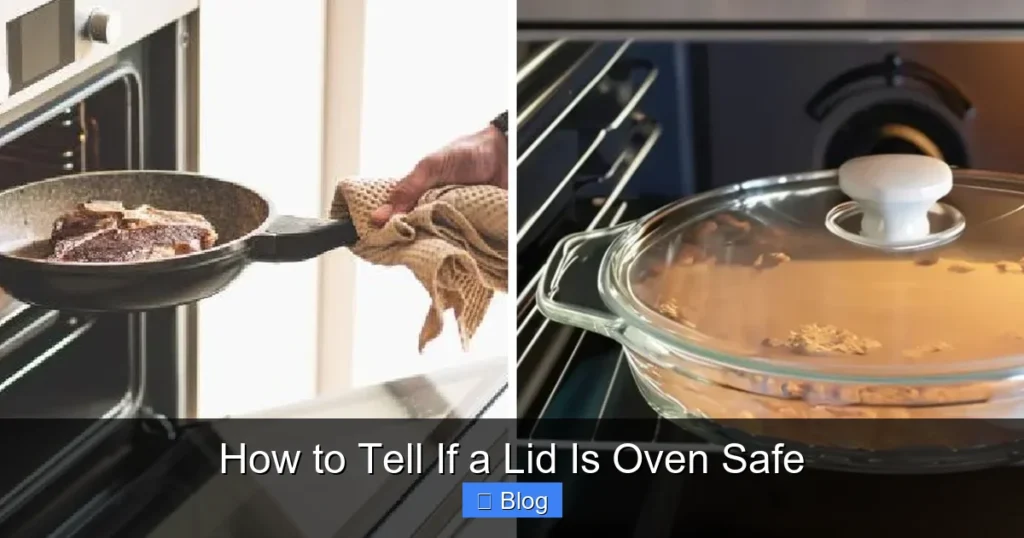
Knowing whether a lid is oven safe can save you from cracked glass, melted plastic, or worse—a kitchen accident. This guide walks you through the most reliable ways to check oven safety, including looking for labels, understanding material limits, and performing simple home tests. With just a few minutes of inspection, you’ll avoid costly mistakes and protect both your cookware and your peace of mind.
Key Takeaways
- Check for official markings: Look for labels like “Oven Safe” or temperature ratings (usually up to 450°F/230°C) on the lid or packaging.
- Know your materials: Glass and ceramic lids are generally safe; plastic, wood, or metal may warp, melt, or release fumes when heated.
- Test the heat resistance: Run a cold-to-hot cycle in your oven to see if the lid cracks or deforms under sudden temperature change.
- Avoid extreme temperatures: Never place a room-temperature lid directly into a hot oven—this causes thermal shock.
- Inspect for wear and tear: Cracks, cloudiness, or warping mean the lid is past its prime and unsafe for baking or roasting.
- Read manufacturer instructions: When in doubt, always consult the user manual or contact customer service for confirmation.
Introduction
You’re standing at your kitchen counter, ready to bake a batch of homemade bread or sear a perfect steak under a lid. Everything looks perfect—except for one tiny detail: you’re not sure if that lid you’ve been using for years is actually oven safe. One wrong move, and suddenly you’re dealing with cracked glass, smoke-filled kitchens, or worse—a dangerous situation.
That’s why knowing how to tell if a lid is oven safe isn’t just a kitchen trick—it’s a safety essential. Whether you’re using a Dutch oven, a casserole dish, or a specialty roasting pan, the lid plays a crucial role in heat distribution and food quality. But not all lids were made to handle high heat. In fact, many common household lids—especially those made from plastic, wood, or low-grade silicone—can melt, warp, or even release harmful chemicals when exposed to oven temperatures.
In this complete guide, we’ll walk you through everything you need to know about identifying oven-safe lids. From reading labels and understanding materials to testing at home, you’ll gain the confidence to use your cookware safely and effectively. So grab your favorite baking dish and let’s dive in!
Why Oven Safety Matters
The Dangers of Using Non-Oven-Safe Lids
Using a lid that isn’t designed for oven use can lead to serious consequences. For starters, materials like plastic or rubber gaskets may melt when exposed to heat, ruining your dish and creating a sticky mess. In worst-case scenarios, melting plastics can release toxic fumes, posing health risks. Even non-toxic materials can warp, causing uneven cooking or trapping steam in dangerous ways.
Then there’s the risk of thermal shock. If you place a cold glass lid straight into a preheated oven, it may crack due to rapid temperature change. This is especially true with older or poorly tempered glass. A cracked lid doesn’t just ruin your meal—it becomes a safety hazard in your kitchen.
How Oven-Safe Lids Improve Cooking
On the flip side, oven-safe lids help retain moisture, speed up cooking times, and ensure even heat distribution. Think of them as your secret weapon for perfect stews, braised meats, and covered casseroles. When you know your lid can handle the heat, you can cook with confidence—no more second-guessing whether your pot will survive the roast.
Common Materials Used in Lid Construction
Glass Lids
Most oven-safe lids are made of tempered or borosilicate glass. These types can withstand sudden temperature changes and high heat—perfect for baking and roasting. Look for lids labeled “heat-resistant” or “oven-safe up to X degrees.” Brands like Pyrex and Le Creuset often use such materials.
Ceramic and Stoneware Lids
These lids are great for slow-cooking and baking. They distribute heat evenly and don’t react with acidic foods. However, some ceramic lids may have metal rims or plastic handles, so check each component separately.
Metal Lids
Stainless steel or cast iron lids are typically oven safe, but they conduct heat quickly. Be cautious with wooden or plastic handles attached to metal lids—these may not withstand high temperatures.
Plastic and Silicone Components
Many modern lids feature silicone or plastic seals to create an airtight fit. While useful for storage, these components usually cannot be used in ovens. Heating them above 350°F (175°C) can cause melting or deformation. Always remove plastic parts before baking.
Wooden Lids
Rarely oven safe. Wood expands and contracts with heat, leading to warping or cracking. It can also catch fire if exposed to prolonged high heat. Avoid using wooden lids near open flames or in conventional ovens.
How to Read Oven-Safe Labels and Markings
Look for Temperature Ratings
Most oven-safe products include a printed temperature range. Common ratings are “up to 450°F” or “safe for broilers.” If you see numbers like these, you’re likely dealing with a heat-tolerant material.
Check for Certification Symbols
Some lids display symbols such as “HT” (Heat Tolerant), “Oven Safe,” or even FDA approval marks. These are good indicators, though not all brands follow standardized labeling.
Examine Packaging and Manuals
If you bought a new lid recently, review the box or instruction booklet. Manufacturers often list usage guidelines there. Don’t assume—when in doubt, look it up.
Online Research Is Your Friend
If the label is faded or missing, search online for the product name and model number. Customer reviews or brand websites often confirm oven compatibility.
Home Tests to Confirm Oven Safety
The Cold-to-Hot Test
Fill your oven halfway with water and preheat to 350°F. Meanwhile, bring your lid to room temperature. Place it directly into the oven and leave it for 15–20 minutes. Then turn off the heat and let it cool completely inside the oven. If the lid shows no cracks, warping, or cloudiness, it’s likely oven safe.
The Microwave Warm-Up Test
For a quicker method, microwave the lid (empty!) on medium power for 1 minute. If it feels warm but not hot, and shows no damage, it might handle low oven temps. Note: This only confirms low-heat tolerance, not high-heat safety.
Visual Inspection Checklist
- No visible cracks or chips
- Clear, not cloudy or frosted glass
- Handles or rims without plastic or wood attachments
- Smooth edges without sharp burrs
Practical Examples: What You Can and Can’t Use
Safe Combinations
A ceramic Dutch oven with a glass lid? Yes. A stainless steel pot with a metal lid and silicone seal removed? Also yes—just ensure the seal won’t interfere with airflow.
Dangerous Mistakes to Avoid
- Using a Tupperware lid from a soup container in the oven
- Placing a lid with a plastic knob on a baking sheet
- Baking under a foil lid—aluminum reflects heat but traps moisture unevenly
Creative Workarounds
If you love your favorite lid but aren’t sure about its safety, try covering your dish with parchment paper instead. Or repurpose it for cold storage while keeping a dedicated oven-safe lid for cooking.
Maintenance Tips to Extend Lid Life
Clean Gently After High Heat
After using an oven-safe lid, allow it to cool fully before washing. Sudden cooling can weaken glass over time. Hand wash with mild soap and avoid abrasive scrubbers.
Store Properly
Keep lids away from direct sunlight or damp areas. Humidity can promote mold growth on wooden components, and UV rays fade colors and weaken plastics.
Replace Worn Parts
If the gasket or handle becomes loose or cracked, replace it immediately. A compromised seal affects both safety and performance.
When to Replace Your Lid
Signs It’s Time to Retire the Lid
- Persistent fogging or cloudiness (indicates micro-cracks)
- Melted or distorted plastic parts
- Cracks that run through the center or edge
- Warped shape preventing a tight seal
Safety First
Even if the lid still fits, prioritize safety over savings. A cracked lid compromises food quality and creates sharp edges. Better to invest in a replacement than risk injury or illness.
Conclusion
Determining whether a lid is oven safe doesn’t require special tools—just attention to detail and a few smart checks. By understanding materials, reading labels, and performing basic tests, you can confidently use your cookware without fear of breakage or contamination. Remember: when it comes to oven safety, it’s always better to double-check than to regret later.
Whether you’re baking artisan bread, roasting vegetables, or simmering a rich stew, the right lid makes all the difference. And now, armed with this knowledge, you’ll never second-guess another cover again. Happy cooking—and stay safe in the kitchen!
FAQs
Can I put any glass lid in the oven?
Not necessarily. Only tempered or borosilicate glass lids are truly oven safe. Regular window glass or old glassware may shatter due to thermal stress. Always look for official ratings or perform the cold-to-hot test first.
Are silicone oven mitts safe to use near open flames?
Silicone oven mitts are heat resistant but not designed for direct flame exposure. Keep them away from broilers or gas burners to prevent melting or odor release. Use them primarily for handling hot pans from the oven.
How do I clean a meat tenderizer effectively?
Disassemble the tenderizer and wash all parts with hot, soapy water. Pay extra attention to crevices where bacteria can hide. For deep cleaning, soak in a vinegar solution or run through the dishwasher if labeled dishwasher safe.
What should I do if my microwave starts buzzing?
A buzzing microwave could indicate electrical issues or loose internal components. Turn it off immediately and unplug it. Do not use until inspected by a professional. Continued operation poses fire or shock risks.
Can I reuse vacuum-sealed meat after thawing?
Yes, but only if the meat was stored properly and hasn’t exceeded recommended thaw times. Check for unusual odors, slimy texture, or discoloration. When in doubt, follow the rule: when in doubt, throw it out.
How do I sharpen a meat slicer blade?
Use a whetstone or professional knife sharpener at the correct angle. Always unplug the slicer and remove the blade before sharpening. Follow the manufacturer’s instructions to avoid damaging the edge or voiding the warranty.
This is a comprehensive guide about How To Tell If A Lid Is Oven Safe.
Key Takeaways
- Understanding How To Tell If A Lid Is Oven Safe: Provides essential knowledge
Frequently Asked Questions
What is How To Tell If A Lid Is Oven Safe?
How To Tell If A Lid Is Oven Safe is an important topic with many practical applications.



