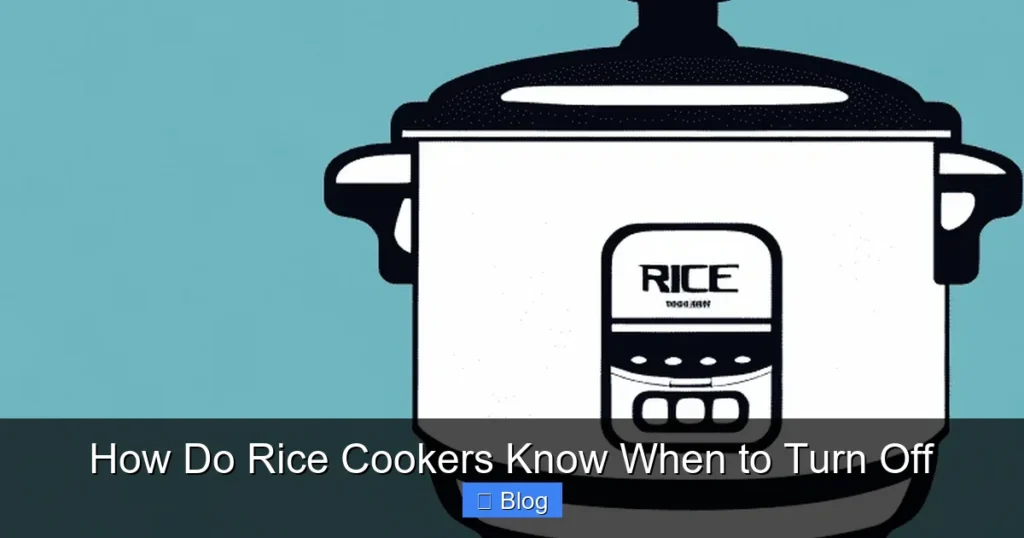
Rice cookers use advanced sensors and timers to detect when water is fully absorbed and steam is released. This triggers an automatic shut-off, preventing overcooking and ensuring fluffy, consistent results. Understanding this process helps you choose the right model and maintain your appliance for years of reliable use.
Key Takeaways
- Sensors monitor internal temperature: Most modern rice cookers use a thermostat or thermistor to track heat levels and detect when steam builds up.
- Steam release signals completion: When steam escapes through the vent, it indicates that all water has been absorbed—this is the primary trigger for turning off the heating element.
- Timer and microprocessors add precision: High-end models combine sensor data with programmed cooking cycles for even greater accuracy.
- Some cookers use weight or pressure sensing: Advanced designs may measure changes in internal pressure or volume to confirm doneness.
- Manual and basic models rely on simple mechanics: Older or budget-friendly units often use bimetallic strips that bend when heated and flip a switch.
- Regular maintenance keeps sensors accurate: Cleaning the lid and sensor area prevents false readings and extends your cooker’s lifespan.
- Knowing your cooker type helps troubleshoot issues: Whether digital or analog, understanding its shutdown mechanism helps fix problems like sticking lids or uneven cooking.
[FEATURED_IMAGE_PLACEHOLDER]
How do rice cookers know when to turn off? It’s a question that pops up whenever someone asks, “Why does my rice cooker stop by itself after cooking?” The truth is, it’s not magic—it’s science. Rice cookers are designed with clever built-in mechanisms that monitor heat, moisture, and timing to determine exactly when your grains are perfectly cooked and ready to serve. No more watching the clock or worrying about burnt bottoms. Instead, you add water and rice, press a button, and walk away. When the job’s done, the machine shuts down automatically.
But what really happens inside that sleek white box? How does it sense that the water is gone and the rice is fluffy? In this deep dive, we’ll explore the inner workings of rice cookers, from simple mechanical switches to high-tech digital sensors. You’ll learn why your cooker stops at just the right moment and how different models use various methods to achieve perfection. Whether you’re curious about how your old favorite works or shopping for a new one, understanding these principles will help you make better decisions—and maybe even troubleshoot a hiccup or two along the way.
From the humble Japanese rice cooker to today’s smart kitchen gadgets, the evolution of rice-cooking technology reflects our desire for convenience without sacrificing quality. And at the heart of every great rice dish lies one simple truth: knowing *when* to stop cooking makes all the difference. Let’s peel back the layers and see how your trusty kitchen companion knows when it’s time to call it a day.
The Science Behind Rice Cooking
Before we get into how rice cookers turn off, it helps to understand what actually happens during the cooking process. Rice contains starch, which absorbs water and swells as it heats up. As the grains expand, they soften and eventually become tender. But if too much water remains, the rice becomes soggy. If it doesn’t absorb enough, it stays hard and undercooked.
The ideal point is when all the water has been absorbed, the internal temperature rises past boiling (about 100°C or 212°F), and steam begins to form inside the pot. At that stage, adding more heat won’t cook the rice further—it would just create excess steam or burn the bottom. So, the cooker needs to detect this shift and stop heating. That’s where sensors come in.
Starch Gelatinization and Heat Transfer
When raw rice is mixed with hot water, the starches begin to gelatinize—a process where starch molecules swell and dissolve, creating a gel-like texture. This happens around 60–70°C (140–158°F) and continues as heat increases. By the time the liquid reaches boiling point, most of the starch transformation is complete.
At this stage, any additional heat goes into evaporating the water rather than cooking the grain. Once all the water is gone, continued heating turns the remaining moisture into steam. This phase change is key: it tells the cooker that cooking is finished.
Why Steam Is the Signal
Steam isn’t just leftover moisture—it’s a clear sign that the cooking cycle is wrapping up. As water turns to vapor inside the sealed pot, pressure builds slightly. Eventually, enough steam escapes through the vent hole in the lid to indicate full absorption. Modern rice cookers watch for this change in airflow or pressure to decide when to cut power.
In short: no more liquid means done rice. And detecting that moment reliably requires either mechanical or electronic input.
Types of Shut-Off Mechanisms in Rice Cookers
Not all rice cookers are created equal—especially when it comes to how they know when to stop. There are three main categories based on their shut-off technology: mechanical (analog), thermal (bimetallic), and electronic (digital). Each uses a slightly different method to detect completion, but they all aim for the same result: perfectly cooked rice every time.
Mechanical and Bimetallic Switches
Older or simpler rice cookers typically use a bimetallic strip—two different metals bonded together that expand at different rates when heated. As the pot warms up, the strip bends until it flips a switch, cutting power to the heating plate.
This type relies purely on temperature rise. Once the internal temperature passes a certain threshold (usually above boiling), the switch opens and stops the heating element. However, because it only responds to heat—not moisture content—it can sometimes shut off too early or too late depending on rice variety or altitude.
Still, many people swear by these classic models for their simplicity and durability. They don’t need batteries or programming—just rice, water, and a little patience.
Thermal Fuses and Safety Cutoffs
Safety never takes a backseat in kitchen appliances. Many rice cookers include a thermal fuse—a one-time-use safety device that melts if temperatures get dangerously high (like during a malfunction). While not meant for regular operation, fuses protect against fire hazards caused by stuck switches or overheating elements.
These aren’t part of the normal shutdown sequence but act as fail-safes. If your cooker runs hotter than expected, the fuse will break the circuit entirely, requiring replacement before reuse.
Electronic Sensors and Digital Control
Today’s premium rice cookers feature microprocessors and multiple sensors that monitor both temperature and humidity in real time. A common setup includes:
– A temperature probe inserted into the rice bed to track core heat.
– A steam sensor (often a small metal plate near the lid) that detects escaping vapor.
– A timer chip that counts down based on selected settings.
When the system senses sustained high heat *and* active steam release, it confirms that water absorption is complete and initiates shutdown. Some models even pulse-heat (alternating between high and low) to prevent scorching while ensuring even cooking.
Digital displays let you choose from preset modes—white rice, brown rice, sushi, porridge—each calibrated to specific timing and thermal profiles. These smart features reduce guesswork and improve consistency across different grain types.
How Sensors Detect Completion
So how exactly do those tiny sensors “know”? Let’s break down the most common detection methods used in modern rice cookers.
Temperature Probes and Thermistors
A thermistor is a semiconductor resistor whose value changes with temperature. In rice cookers, it’s usually placed inside the inner pot or near the heating element. As the pot heats, the thermistor reports resistance changes to the control board.
Once the temperature consistently exceeds 95–100°C (203–212°F), the microprocessor interprets this as “cooking complete.” Since boiling marks the end of liquid phase, the system assumes all water has been absorbed.
But here’s a pro tip: some cheaper models only check surface temperature, which might miss variations in the middle of the pot. Higher-end units use probes deep within the rice bed for more accurate readings.
Steam Detection Systems
One of the most reliable signals is steam. Rice cookers often have a small vent hole in the lid connected to a metal flap or sensor plate. When steam pushes against it, the flap moves—triggering a microswitch underneath.
This mechanical feedback complements thermal data. Even if the temperature reading is slightly off due to ambient conditions, the presence of steady steam confirms that evaporation is underway—meaning cooking is nearly done.
Advanced models use infrared or capacitive sensors to detect steam without physical contact, reducing wear and tear.
Humidity and Pressure Sensors (in Smart Models)
Top-tier rice cookers may include humidity sensors or barometric pressure detectors. These measure how much moisture remains in the air inside the pot. As water turns to vapor and escapes, humidity levels stabilize or drop—signaling completion.
Pressure sensors work similarly, tracking changes in internal volume as gas expands with steam formation. When pressure peaks and holds steady, the system knows it’s safe to shut down.
While not universal, these technologies offer extra precision—especially useful for delicate grains like basmati or jasmine that require gentler handling.
Role of Microprocessors and Programming
Modern rice cookers aren’t just thermostats with buttons—they’re mini-computers programmed with detailed recipes. Inside the control panel sits a microcontroller unit (MCU) that follows step-by-step instructions tailored to each grain type.
For example, brown rice takes longer to absorb water and requires lower initial heat to avoid hardening the bran layer. Sushi rice needs precise timing to keep it sticky but not mushy. Porridge demands constant stirring simulation via pulsing heat.
The MCU combines sensor inputs with preloaded algorithms to adjust heating patterns dynamically. It might start with rapid boiling to kickstart starch gelatinization, then switch to simmer mode once absorption begins. Finally, it monitors for steam and cuts power before the rice dries out completely.
Some brands even sync with smartphones via Wi-Fi, allowing remote monitoring or custom recipe downloads. While not essential, these features showcase how far rice cooking has come from simple “on/off” switches.
Troubleshooting Common Issues
Even the best rice cookers can develop quirks over time. If yours seems to overcook, undercook, or refuses to turn off, it’s likely a sensor or setting issue—not a broken appliance.
Problem: Cooker Stays On Too Long
If your rice cooker keeps heating past the usual cycle, check the lid seal. A cracked or loose gasket lets steam escape prematurely, fooling the sensor into thinking cooking isn’t finished. Replace the gasket if needed.
Also inspect the sensor plate under the lid. Food residue or mineral buildup can block steam from reaching the switch. Clean it gently with warm water and a soft brush—never abrasive cleaners that could scratch sensitive surfaces.
Problem: Cooker Turns Off Too Early
Overly aggressive shut-off suggests either a faulty thermistor or incorrect water ratios. Try measuring rice-to-water carefully (typically 1:1.5 for white rice). Too much water delays steam production; too little risks burning.
Resetting the cooker (unplugging for 5 minutes) can recalibrate electronics. If problems persist, consider professional servicing—especially if you suspect a failing component.
Problem: Lid Won’t Release After Shutting Off
This usually stems from excess pressure building during the final steam phase. Wait 5–10 minutes after shutdown before opening. Never force it—it can damage the locking mechanism.
Cleaning the vent hole regularly prevents clogging from starch or debris, which restricts airflow and traps steam.
Maintenance Tips to Keep Sensors Accurate
To ensure your rice cooker continues making perfect rice year after year, keep sensors clean and functional.
– Wipe the lid sensor plate weekly with a damp cloth. Avoid submerging it in water.
– Check the gasket monthly for cracks or stiffness. Replace if brittle or discolored.
– Descale annually using vinegar or commercial descalers to remove mineral deposits from the inner pot.
– Never run the cooker dry. Always add water—even for recipes like risotto where liquid is added gradually.
Proper care not only maintains performance but also extends the life of delicate components like thermistors and switches.
Choosing the Right Rice Cooker for Your Needs
With so many options available, picking the best rice cooker depends on your cooking habits and kitchen size.
– Basic mechanical models suit occasional users who want reliability without frills.
– Hybrid units blend analog warmth with digital presets—ideal for families.
– Smart rice cookers appeal to tech lovers who enjoy app-controlled cooking and multi-grain programs.
Consider capacity too: a 3-cup model works for singles, while 10+ cups feed large gatherings. Look for features like non-stick coatings, removable inner pots, and auto-clean functions if convenience matters most.
And remember: whichever type you choose, understanding how it shuts off empowers you to use it effectively—and fix minor glitches quickly.
Conclusion
So, how do rice cookers know when to turn off? The answer lies in a combination of temperature monitoring, steam detection, and intelligent programming. From simple bimetallic switches to complex microprocessors, each method aims to recognize the moment when water is fully absorbed and steam begins to form—signaling that your rice is ready.
Whether you’re making a simple bowl of white rice or experimenting with quinoa and wild rice, knowing how your appliance works brings peace of mind. No more hovering over the kitchen or second-guessing timing. Just add ingredients, press start, and let science do the rest.
Next time you open your rice cooker and find perfectly fluffy grains without a single burnt speck, take a moment to appreciate the quiet engineering that made it possible. And if something goes wrong? Now you know where to look—because understanding your tool is the first step toward mastery.
This is a comprehensive guide about How Do Rice Cookers Know When To Turn Off.
Key Takeaways
- Understanding How Do Rice Cookers Know When To Turn Off: Provides essential knowledge
Frequently Asked Questions
Can rice cookers overcook rice if left unattended?
No, most modern rice cookers automatically shut off once the rice is done, so leaving them unattended is generally safe. However, older models may continue heating briefly if the sensor fails—always follow manufacturer guidelines for your specific model.
Why does my rice cooker keep running after it says “done”?
This usually happens during the warming phase, which keeps rice at a steady temperature for hours. The heating element cycles on/off to maintain warmth, but it doesn’t actively cook anymore. It’s normal and energy-efficient.
Do all rice cookers use steam to detect completion?
Not exactly. Basic models rely solely on temperature thresholds, while advanced ones use steam detection, humidity sensors, or pressure changes. Steam-based systems tend to be more accurate across different altitudes and rice varieties.
What should I do if my rice cooker won’t turn off?
First, unplug it and let it cool. Then, inspect the lid seal and sensor plate for blockages. If cleaning doesn’t help, there may be a faulty switch or thermostat—consider contacting the manufacturer or a repair service.
Can altitude affect how rice cookers shut off?
Yes. At higher elevations, water boils at a lower temperature, which can confuse simple thermostatic controls. Some digital models allow altitude adjustment in their menus; otherwise, manual testing (adding slightly less water) may be needed.
Is it okay to open the lid while cooking?
It’s not recommended. Opening the lid releases steam, delaying cooking and potentially causing uneven results. If necessary, use a towel to shield the steam when checking—but try to minimize lid openings.