Ever had your pressure cooker refuse to budge after cooking? A stuck lid is more common than you think—usually due to residual pressure or moisture buildup. With the right steps, you can safely open it without risking injury or damaging your appliance. This guide walks you through every practical solution, from natural cooling to gentle rocking techniques, so you never get locked out again.
Have you ever finished a perfect pot of lentils only to find your pressure cooker lid refuses to budge? You twist and pull, but it just won’t move. Don’t panic—you’re not alone, and you don’t need a special tool to fix it. Most often, a pressure cooker gets stuck because of lingering internal pressure, moisture buildup, or minor mechanical misalignment. The good news? With the right technique, you can safely unlock your cooker in under five minutes—no tools required.
Pressure cookers are marvels of kitchen engineering, designed to trap heat and steam for faster cooking. But this sealed environment also means that once the cycle ends, some pressure remains trapped inside. If you try to open the lid too soon, the remaining steam pushes outward, creating a partial vacuum that locks the lid in place. This sensation—like trying to lift a tight jar cap—is totally normal… as long as you know how to release it properly.
In this article, we’ll walk you through every possible way to open a pressure cooker that’s stuck. Whether yours is brand new or has been used hundreds of times, these step-by-step solutions work on all major brands including Instant Pot, Cuisinart, and Ninja. We’ll cover what causes sticking, safety precautions, DIY tricks, and even how to prevent it from happening again. So grab your apron (and maybe a towel), and let’s get that stubborn lid off!
Key Takeaways
- Always allow natural pressure release: Forgetting to vent steam before opening is the #1 cause of stuck lids. Let the cooker cool slightly before attempting to turn.
- Check the sealing ring condition: A worn or deformed rubber seal can create suction that makes the lid hard to lift. Inspect and replace if cracked or misshapen.
- Avoid forcing the lid: Applying excessive force may warp components or strip threads. Use controlled movements and leverage points instead.
- Use a towel for better grip: Wrapping a dry towel around the handle improves friction and gives you more control when twisting.
- Try the rocking method: Gently wiggle the lid side-to-side while lifting upward to break any vacuum seal formed by condensation.
- Prevent future sticking: Clean seals regularly and ensure proper alignment during closure to avoid repeat issues.
📑 Table of Contents
- Why Does My Pressure Cooker Get Stuck?
- Safety First: What NOT to Do
- The Natural Cooling Method: The Gentle Approach
- Grip Enhancement Tricks
- The Rocking Technique: Breaking the Seal
- Using the Manual Release Valve (For Models That Have One)
- Inspecting and Maintaining the Sealing Ring
- When to Call for Help
- Prevention Tips for Future Meals
- Comparing Methods: Which One Should You Choose?
- Real-Life Examples and User Stories
- Final Thoughts
Why Does My Pressure Cooker Get Stuck?
Before jumping into solutions, it helps to understand why your pressure cooker lid won’t open. There are several common culprits behind this frustrating situation:
Residual Internal Pressure
Even after turning off the heat, small amounts of steam remain trapped inside the pot. When you attempt to lift the lid immediately, the pressure differential creates resistance. Think of it like shaking a soda bottle—opening it while pressurized causes a rush of gas. Similarly, your cooker needs time to equalize pressure before the lid can be safely removed.
Moisture Buildup Between Lid and Pot
Over time, water droplets or food particles can accumulate along the rim where the lid meets the base. This moisture acts like a temporary adhesive, increasing friction and making the lid feel “glued” shut. It’s especially common with recipes that include liquids or high-moisture ingredients like stews or soups.
Worn or Misaligned Sealing Ring
The silicone or rubber gasket inside the lid is designed to create an airtight seal. But if it becomes warped, cracked, or improperly seated during closing, it can generate extra suction. Even slight deformation reduces flexibility and increases sticking power.
Misalignment During Closure
If the lid isn’t centered perfectly over the pot when you close it, one side may press down harder than the other. This uneven contact can cause binding. Always ensure the lid slides smoothly into place without forcing it.
Understanding these causes helps you troubleshoot faster next time. Most importantly, knowing the root issue lets you choose the safest, most effective method for your specific situation.
Safety First: What NOT to Do
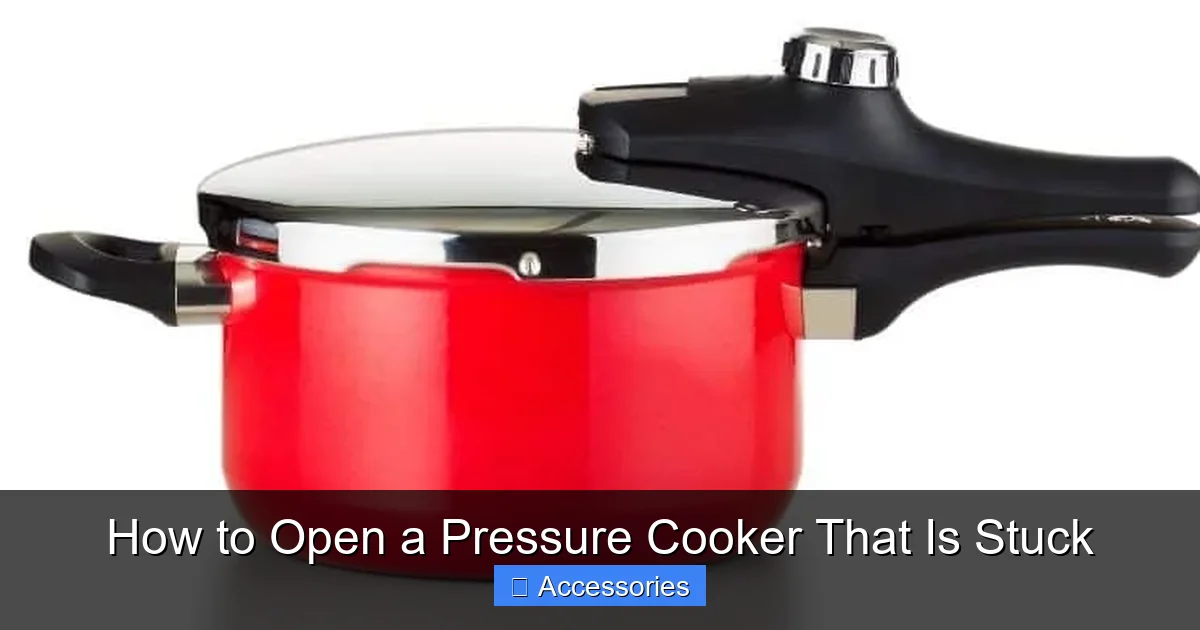
Visual guide about How to Open a Pressure Cooker That Is Stuck
Image source: kitchensnitches.com
Before we dive into fixes, let’s talk safety. Opening a stuck pressure cooker incorrectly can lead to burns, steam bursts, or even damage to your appliance. Avoid these dangerous mistakes:
Never pry the lid off with a knife, screwdriver, or any sharp object. Metal tools can scratch the sealing surface or bend delicate components, compromising future performance.
Don’t shake or slam the cooker aggressively. This risks releasing superheated steam instantly, which can scald skin or eyes.
Avoid using heat sources (like a stove) under the pot while trying to open it. Adding more heat increases internal pressure unpredictably and defeats the purpose of letting it cool.
Also, never ignore the manufacturer’s instructions. While our tips apply broadly, some models have unique features—such as locking mechanisms or dual-pressure settings—that require specific handling.
When in doubt, consult your user manual or contact customer support. Your safety always comes first.
The Natural Cooling Method: The Gentle Approach
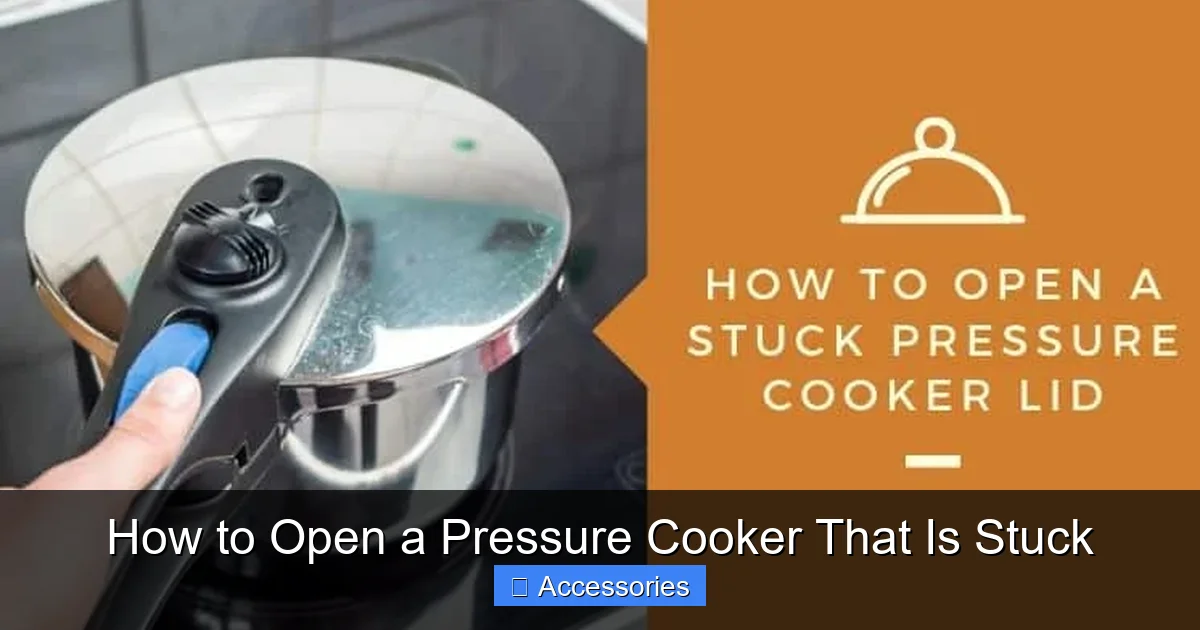
Visual guide about How to Open a Pressure Cooker That Is Stuck
Image source: kitchensnitches.com
The safest and most reliable way to open a stuck pressure cooker is to let it cool naturally. This mimics the “natural release” setting found on many modern models.
Here’s how it works:
1. Turn off the heat source completely.
2. Remove the cooker from the burner (if electric, unplug it).
3. Place it on a stable, heat-resistant surface—away from children or pets.
4. Wait patiently until the pressure indicator drops (for models with visual cues) or until you hear no hissing sounds.
5. Once cool enough to touch comfortably, attempt to lift the lid gently.
This method takes about 10–20 minutes depending on contents and ambient temperature. While it might seem slow, it prevents accidents and preserves your cookware.
Pro tip: Keep a timer handy so you don’t accidentally speed up the process. And if you’re in a hurry, pair this with another technique below for faster results.
Grip Enhancement Tricks
Visual guide about How to Open a Pressure Cooker That Is Stuck
Image source: kitchenguideco.com
Sometimes the lid feels stuck simply because your hands lack traction. Here are simple ways to improve grip without tools:
Wrap a dry kitchen towel around the lid handle. The added texture gives you firmer control and reduces slippage.
Use oven mitts if the exterior feels warm. They provide both insulation and better grip.
For extra leverage, place one hand near the edge of the lid while pulling upward with the other. This distributes force evenly and minimizes strain.
Remember: steady, consistent pressure works better than jerky movements. If you feel resistance, pause and reassess rather than straining.
The Rocking Technique: Breaking the Seal
If natural cooling isn’t feasible (say, you’ve got hungry family waiting!), try the rocking method. This gently breaks the vacuum seal created by condensation.
Steps:
1. Hold the lid firmly with both hands at opposite ends of the handle.
2. Apply slight upward pressure while simultaneously moving the lid side-to-side in a small arc (about 1 inch).
3. Repeat this rocking motion 5–10 times until you sense the lid loosen.
4. Then lift straight up.
Many users report success within seconds of starting the wiggle. The movement disrupts the moisture bond between lid and pot.
Note: Never rock violently or use excessive force. Gentle oscillation is key.
Using the Manual Release Valve (For Models That Have One)
Some pressure cookers—especially older or multi-functional ones—have a dedicated manual release valve on the lid. If yours does, here’s how to use it:
Locate the small knob or lever labeled “Manual Release” or similar.
Turn it counterclockwise until you hear steam hiss briefly.
Wait 10–15 seconds for pressure to drop visibly.
Attempt to open the lid afterward.
Important: Only use this feature AFTER the cooker has cooled enough to avoid sudden steam release. Using it while still hot increases burn risk.
Not all models include this valve. Check your manual to confirm availability.
Inspecting and Maintaining the Sealing Ring
If your cooker sticks repeatedly, the sealing ring may be the problem. Over time, silicone gaskets lose elasticity and develop flat spots.
To check:
Remove the lid and inspect the rubber seal.
Look for cracks, discoloration, or permanent dents.
Run your finger around the edge—it should spring back smoothly.
If damaged, replace it immediately. Most manufacturers sell replacement rings online or via their support team. A fresh seal restores proper function and reduces sticking.
Regular cleaning also matters. After each use, wash the ring with mild soap and warm water. Avoid abrasive scrubbers that can wear it down faster.
When to Call for Help
Most sticking issues resolve with basic techniques above. However, consider professional assistance if:
Your lid still won’t budge after trying multiple methods.
You notice physical damage like bent handles or cracked latches.
Steam continues leaking even when closed properly.
Your model is out of warranty and repairs seem costly.
In rare cases, internal components like the pressure regulator or release valve may fail, requiring servicing. Don’t attempt DIY fixes on such models unless you’re trained.
Better yet, reach out to the manufacturer first. Many offer free troubleshooting support over the phone or email.
Prevention Tips for Future Meals
Once you’ve opened your stuck cooker, take steps to avoid recurrence:
Always align the lid correctly before closing—listen for a soft click.
Clean the sealing ring thoroughly after every use.
Store the cooker with the lid slightly ajar to prevent mold on the gasket.
Follow recommended cooking times; overcooking increases moisture retention.
Use the “quick release” cautiously—only when safe—to reduce cooling time.
By maintaining your appliance well, you’ll enjoy smoother operation and fewer headaches.
Comparing Methods: Which One Should You Choose?
Let’s summarize the best approach based on urgency and conditions:
| Situation | Recommended Method |
|———|——————-|
| Safe to wait | Natural cooling |
| Need quick access | Rocking + towel grip |
| Model has manual valve | Use valve cautiously |
| Ring looks worn | Replace seal first |
| Still stuck after all else | Contact support |
Each method has its place. Prioritize safety, then convenience.
Now, imagine finishing dinner prep without frustration. With these strategies, you’re equipped to handle any sticky situation confidently.
Real-Life Examples and User Stories
Sarah, a busy mom of two, shared her experience: “I made chili in my Instant Pot last week, and the lid was impossible to open. I panicked, thinking I broke it. But after wrapping a towel around the handle and rocking gently, it popped right off! Now I keep a towel nearby for emergencies.”
Another user, Mark, discovered his sticking issue stemmed from a cracked seal. “I didn’t realize how much difference a new gasket makes. After replacing it, my cooker works like new.”
These stories highlight how simple maintenance and correct techniques solve most problems.
Final Thoughts
Opening a stuck pressure cooker doesn’t have to be stressful. Whether caused by residual pressure, moisture, or aging parts, there are safe, effective ways to regain access. Start with patience—let it cool—then try enhanced grips or gentle rocking. If needed, inspect or replace the sealing ring. And remember: prevention beats cure.
Your pressure cooker is a valuable kitchen ally. Treat it kindly, maintain it diligently, and it will serve you faithfully for years. Next time you face a stubborn lid, take a deep breath, follow these steps, and enjoy your meal—without the drama.
Frequently Asked Questions
Can I force open a stuck pressure cooker lid?
No, forcing the lid can damage the sealing ring or warp the pot. Instead, use controlled techniques like rocking or natural cooling to safely release pressure. Always prioritize gentle movements over brute strength.
How long should I wait before opening a pressure cooker?
Allow at least 10–20 minutes for natural cooling after cooking. Some models indicate when it’s safe via lights or dials. Rushing increases burn risk and may worsen sticking.
What causes pressure cooker lids to stick repeatedly?
Common reasons include a worn sealing ring, misalignment during closure, or moisture buildup along the rim. Regular cleaning and timely replacements prevent recurrence.
Do all pressure cookers have a manual release valve?
No, only certain models—especially older or specialty designs—include a manual release valve. Check your user manual to confirm if yours has one before attempting to use it.
Can I use oil to lubricate a stuck lid?
Avoid oils or grease—they attract food residue and degrade silicone seals. Instead, use a dry towel for grip or inspect the sealing ring for damage. Proper alignment matters more than lubrication.
Is it okay to open a pressure cooker while still hot?
Only if the internal pressure has fully released. Never open immediately after cooking unless using a quick-release valve safely. Hot steam can cause severe burns.