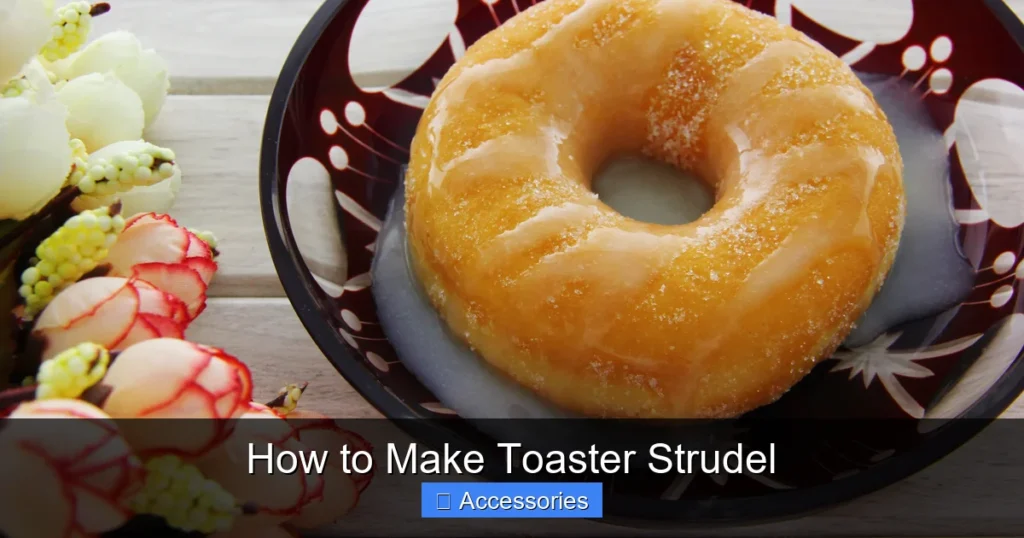
Making toaster strudel from scratch is easier than you think. With simple ingredients like puff pastry, cream cheese, and vanilla ice cream, you can recreate this nostalgic treat in your own kitchen. This guide walks you through each step—from preparing the dough to baking golden-brown perfection, so you’ll never miss store-bought again.
There’s something comforting about biting into a warm, crispy pastry filled with creamy vanilla custard—just like the classic toaster strudel you remember from childhood. While many people reach for the frozen version straight from the freezer aisle, making toaster strudel at home gives you full control over ingredients, flavor, and texture. Plus, it’s surprisingly simple! In this complete guide, we’ll show you exactly how to make toaster strudel from scratch using common pantry staples. Whether you’re making breakfast for the family or whipping up a quick dessert after dinner, this recipe delivers that nostalgic taste without the preservatives or excess sugar found in commercial versions.
What makes a great toaster strudel? It starts with flaky, buttery puff pastry that crisps up beautifully under high heat. The filling should be rich and smooth—think vanilla-infused custard or sweetened cream cheese. And don’t forget the signature crunchy top layer created by sprinkling sugar before baking. We’ll cover all these elements while offering pro tips for customization, storage, and even reheating. By the end, you’ll feel confident creating your own version of this beloved snack anytime.
Key Takeaways
- Toaster strudel mimics frozen pastries using puff pastry, custard filling, and caramelized sugar—all baked to crispy, gooey perfection.
- You only need 10–15 minutes of active prep time, making it ideal for quick breakfasts or sweet snacks.
- Puff pastry is key; choose store-bought or homemade for flaky layers that brown beautifully in a toaster or oven.
- Cream cheese and vanilla add richness—balance sweetness with a pinch of salt or cinnamon for depth.
- Browning varies by appliance; monitor closely to avoid burning, especially when using a toaster.
- Customize fillings freely: try fruit compotes, Nutella, or even savory versions with jam and butter.
- Storing leftovers is easy—reheat in an air fryer or oven for restaurant-quality results next time.
📑 Table of Contents
Understanding What Makes a Classic Toaster Strudel
Before diving into the recipe, let’s unpack what truly defines a classic toaster strudel. Originating in the mid-20th century as a convenient frozen breakfast option, its appeal lies in three main components: the pastry shell, the sweet filling, and the caramelized topping. When made at home, we replicate this trifecta with fresh ingredients and careful technique.
The pastry forms the foundation—it must be light, airy, and capable of browning evenly. Puff pastry fits perfectly because it expands during baking thanks to steam escaping between layers of butter and dough. This creates those coveted flaky layers. Next comes the filling: traditionally, it’s a blend of sweetened condensed milk, vanilla extract, and sometimes egg yolks to achieve a custardy consistency. Today, many home cooks simplify this with softened cream cheese, powdered sugar, and a splash of vanilla. Finally, the sugar topping transforms into a crisp crust when exposed to direct heat—this is where toaster strudels get their satisfying crunch.
It’s also worth noting that modern interpretations often include variations. Some use fruit preserves inside the pastry, others swap vanilla for chocolate or cinnamon. But no matter how you tweak it, keeping the balance between soft interior and crispy exterior remains essential. Understanding these core principles helps you adapt the recipe confidently.
Gathering Your Ingredients and Tools
Visual guide about How to Make Toaster Strudel
Image source: wikihow.com
Getting started requires just a handful of items. You won’t need specialty equipment—most kitchens already have everything on hand. Here’s what you’ll gather:
Essential Ingredients
- Puff pastry (1 sheet) – Look for refrigerated or frozen sheets labeled “ready-rolled” for convenience. Homemade works too!
- Cream cheese (4 oz / 113g) – Softened to room temperature ensures smooth blending.
- Granulated sugar (¼ cup + 2 tbsp extra for topping) – Brown sugar adds depth but isn’t required.
- Vanilla extract (1 tsp) – Pure extract delivers better flavor than imitation.
- Egg wash (1 egg beaten with 1 tbsp water) – Lets the pastry brown golden instead of pale.
- Optional mix-ins:
- Fresh berries (blueberries work well)
- Nutella or chocolate chips
- Cinnamon or cardamom for warmth
Tools You’ll Need
- Rolling pin (if adjusting thickness)
- Sharp knife or pizza cutter
- Baking sheet lined with parchment paper
- Small bowl for egg wash
- Offset spatula (optional, for spreading)
- Toaster or conventional oven
- Wire rack (for cooling)
If you’re new to working with puff pastry, note that thawing instructions matter. Always allow frozen sheets to sit in the fridge overnight or thaw at room temperature for 30–45 minutes until pliable but still cold. Never microwave—it melts the butter and defeats the purpose of flakiness.
For dietary preferences, consider substitutions: swap cream cheese for coconut yogurt (dairy-free) or almond paste (gluten-free). Just ensure the filling stays cohesive enough to hold shape during baking.
Step-by-Step Instructions: Building Your Toaster Strudel
Visual guide about How to Make Toaster Strudel
Image source: wikihow.com
Now comes the fun part—putting everything together! Follow these steps carefully to achieve professional results every time.
Prep the Filling First
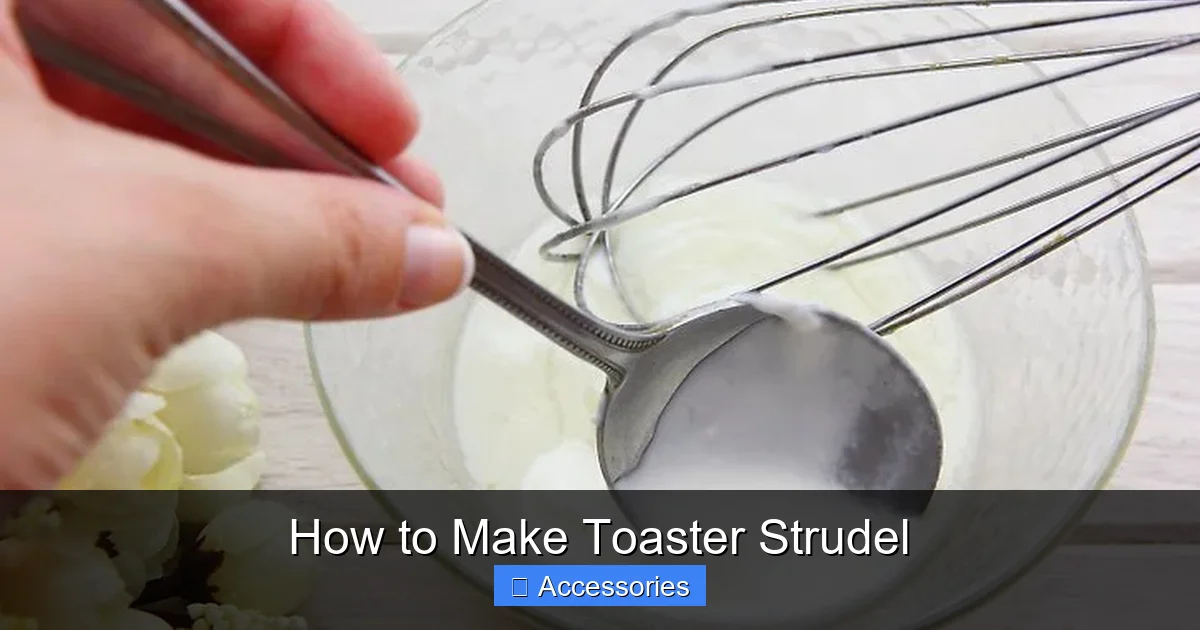
Begin by creaming softened cream cheese in a mixing bowl until completely smooth—about 1 minute with a hand mixer or whisk. Add ¼ cup granulated sugar and 1 teaspoon vanilla; mix until fully incorporated and slightly fluffy. If using berries, fold them gently at the end to distribute evenly without mashing. Set aside while prepping the pastry.
Shape the Pastry Base
Unroll one sheet of puff pastry onto a lightly floured surface. Gently roll if seams are visible—don’t tear. Trim edges to create a rectangle measuring roughly 8×10 inches. Cut lengthwise down the center, then cut each half into four equal strips (so you have eight rectangles total). These will form individual strudels.
Fill and Roll
Place 1–2 tablespoons of filling along the long edge of each strip. Leave a small border at both ends to seal cleanly. Brush edges with water or egg wash, then roll tightly from the long side toward the center. Pinch seams firmly to prevent leaks during baking. Repeat with remaining strips.
Add Sugar Topping
Sprinkle 2 tablespoons of sugar over each rolled strudel. This caramelizes beautifully and gives that signature crunch. Don’t skip this step—it’s what makes toaster strudel special!
Bake Until Golden
Arrange strudels seam-side down on a parchment-lined baking sheet. Lightly brush tops with egg wash for extra gloss. Bake in a preheated 400°F (200°C) oven for 12–15 minutes, rotating halfway through. They’re done when puffed, deeply golden, and filling bubbles slightly around edges. Cool for 2–3 minutes before serving—they firm up as they cool slightly.
Pro tip: For extra browning, broil for 1–2 minutes at the end—but watch closely to avoid burning.
Alternative Cooking Methods: Ovens vs. Toasters
Visual guide about How to Make Toaster Strudel
Image source: wikihow.com
While the name suggests toaster strudel belongs in a toaster, not everyone owns one—and that’s okay! Traditional ovens produce equally delicious results when used correctly. However, if you do have a toaster, here’s how to adapt:
Using a Conventional Oven
As described above, oven-baked strudels develop uniform browning and crispness. Because ovens circulate hot air slowly, expect longer bake times than with convection models. Keep an eye after 10 minutes—every oven runs differently. Line your sheet with parchment to prevent sticking and make cleanup a breeze.
Toaster Technique
Toasters apply intense radiant heat directly to surfaces, which speeds up browning significantly. Lay rolled strudels flat on the toaster tray (not folded), leaving space between them to allow airflow. Use the highest setting possible—usually “dark” or “high.” Expect 6–8 minutes total. Check frequently near the end; they can go from perfect to burnt in seconds!
Important safety note: Never place wet or sticky items in electric appliances. Dry any moisture thoroughly before inserting.
Air Fryer Option
An air fryer offers a happy middle ground—fast cooking with even heating. Arrange strudels in a single layer in the basket, spaced apart. Cook at 375°F (190°C) for 8–10 minutes, shaking the basket halfway. The result? Extra-crispy exteriors with tender interiors, similar to deep-fried treats. Just remember to lightly grease the basket or line with parchment to avoid sticking.
Each method has pros and cons. Ovens give consistent results for large batches; toasters offer speed for one or two strudels; air fryers deliver superior crispness with less oil. Experiment to find your favorite!
Creative Variations and Customizations
Once you master the basics, the real joy begins—experimenting! Toaster strudel is wonderfully adaptable. Try these ideas:
Fruit-Infused Fillings
Swap vanilla cream for mixed berry compote (simmer raspberries, strawberries, and a bit of honey until thick). Or layer peach slices with whipped cream cheese for summer vibes.
Chocolate Lovers’ Version
Replace vanilla with melted dark chocolate mixed into the cream cheese base. Top with chopped nuts or sea salt flakes for contrast.
Spiced Warmth
Add ½ teaspoon ground cinnamon or cardamom to the filling. A drizzle of maple syrup post-bake enhances the spice notes beautifully.
Savory Twist (Yes, Really!)
Use jam (like apricot or fig) as the filling instead of sweets. Finish with a pat of butter and a dusting of powdered sugar for an unexpected sweet-savory combo. Serve warm with coffee or tea.
Dietary Adjustments
– **Gluten-Free**: Use certified GF puff pastry
– **Vegan**: Substitute cream cheese with cashew-based spread and agave for sugar
– **Low-Sugar**: Reduce added sugar by half and use stevia if desired
Remember: balance is key. Too much liquid in the filling causes sogginess. Too little sugar limits browning. Taste-test small batches first!
Storage, Reheating, and Serving Tips
Knowing how to preserve and revive your creations extends their life beyond the first day. Most importantly, always cool completely before storing.
Short-Term Storage
Wrap cooled strudels tightly in plastic wrap or aluminum foil. Store in the refrigerator for up to 2 days. They may soften slightly but reheat beautifully.
Long-Term Freezing
For best texture, freeze unbaked strudels on a tray first (until solid), then transfer to a zip-top bag. Baked ones freeze well too—just reheat directly from frozen. Label bags with dates. Frozen strudels stay good for up to 1 month.
Reheating Like a Pro
– **Oven**: 350°F (175°C) for 8–10 minutes
– **Air fryer**: 375°F (190°C) for 5–7 minutes
– **Microwave**: Not recommended—results are rubbery
Avoid microwaving unless absolutely necessary. Instead, use dry heat methods that restore crispness. For refrigerated strudels, add 1–2 minutes to bake time.
Serving Suggestions
Serve warm with:
– A dollop of whipped cream
– Vanilla ice cream (classic pairing!)
– Fresh berries on the side
– Hot chocolate or coffee for dipping
Individual portions look elegant plated with a sprig of mint or edible flower. Great for brunch buffets or holiday mornings!
Troubleshooting Common Issues
Even experienced bakers hit snags sometimes. Here’s how to fix them:
Strudel Won’t Brown
Cause: Low oven temp or insufficient sugar.
Fix: Increase heat to 400°F (200°C) and double the sugar topping. Ensure pastry isn’t overcrowded on the tray.
Filling Leaks Out
Cause: Overfilling or weak seals.
Fix: Limit filling to 1–2 tbsp per strip. Press seams firmly and tuck ends inward slightly.
Pastry Sags During Baking
Cause: Thawed pastry too soft.
Fix: Chill strips in freezer 10 minutes before baking. Cold dough holds shape better.
Top Layer Stays Pale
Cause: Insufficient direct heat exposure.
Fix: Broil for 1–2 minutes at the end. Monitor closely!
By understanding these pitfalls, you’ll troubleshoot confidently and enjoy flawless results every time.
Frequently Asked Questions
Can I make toaster strudel without puff pastry?
Yes! You can substitute with phyllo dough (layered and brushed with butter) or even crescent roll dough. Just note that textures differ—phyllo yields lighter layers, while crescents are softer. For best results, stick to puff pastry.
How do I keep my toaster strudel from getting soggy?
Ensure the filling isn’t too wet, and avoid overbaking. Also, never stack strudels while warm—they trap steam. Let them cool completely before storing, and reheat using dry heat methods like an oven or air fryer.
Is it possible to make toaster strudel ahead of time?
Absolutely! Unbaked strudels freeze beautifully for up to a month. Baked ones also freeze well—just reheat from frozen. Plan ahead by assembling and freezing, then pull out what you need.
Why does my strudel filling leak?
Leaking usually happens due to overfilling or weak seals. Stick to 1–2 tablespoons of filling per strip, and press the edges firmly after rolling. Chilling the assembled strudel briefly before baking also helps.
Can I use frozen puff pastry for this recipe?
Yes! Just thaw it properly—refrigerate overnight or let sit at room temperature for 30–45 minutes until pliable. Never microwave, as it melts the butter and ruins flakiness.
What’s the difference between toaster strudel and regular strudel?
Traditional strudel is a thin, layered pastry wrapped around fruit or cheese, often served sliced. Toaster strudel refers specifically to the handheld, puff pastry-based version designed to pop into a toaster. Both share flaky layers, but their shapes and purposes differ.