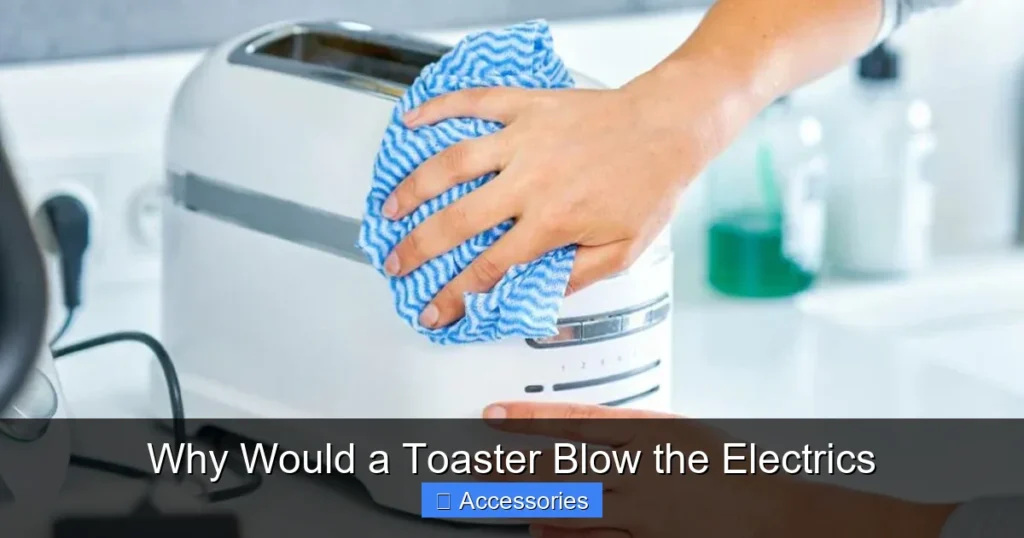
Why would a toaster blow the electrics? A toaster can trip your circuit breaker or blow a fuse because of internal faults like damaged heating elements, worn-out wiring, or overloading the circuit. Other causes include power surges, using outdated sockets, or leaving crumbs that catch fire. Understanding these risks helps you use your toaster safely and avoid dangerous electrical problems.
Ever reached for your toaster in the morning, slid in two slices of bread, pressed down the lever—and then heard that dreaded *pop*, followed by the lights flickering or the circuit breaker clicking off? You’re not alone. Many people have experienced this unsettling moment: their toaster seems fine, yet it’s somehow responsible for cutting power to the whole kitchen. So, why would a toaster blow the electrics? The answer lies in a mix of mechanical wear, electrical faults, and simple user errors. Let’s explore what really happens behind the scenes—and how to keep your kitchen safe.
Toasters are marvels of everyday engineering. Compact, reliable, and efficient, they transform cold bread into golden toast with just a flip of a lever. But like any electrical device, they rely on delicate components working in harmony. When something goes wrong—whether it’s frayed wires, overheating, or a buildup of crumbs—the result can be more than just a scorched piece of bread. In rare but serious cases, a malfunctioning toaster can overload your home’s electrical system, trip breakers, blow fuses, or even spark a fire. Understanding the reasons behind these incidents is the first step toward prevention.
In this article, we’ll break down the most common causes of why a toaster blows the electrics, how to spot warning signs, and what you can do to protect yourself and your appliances. Whether you’re dealing with a brand-new model or an old favorite, these insights will help you use your toaster safely—and avoid unnecessary electrical drama.
Key Takeaways
- Faulty Internal Components: Damaged heating coils or frayed wiring inside the toaster can cause short circuits, leading to blown fuses or tripped breakers.
- Overloaded Circuits: Plugging multiple high-wattage devices into the same outlet as the toaster can exceed the circuit’s capacity, causing it to fail.
- Crumbs and Fire Hazards: Accumulated breadcrumbs near heating elements can ignite, creating smoke and triggering safety mechanisms like thermal cut-offs.
- Power Surges: Sudden spikes in electricity from storms or faulty grid supply can damage a toaster’s internal circuitry and overload connected systems.
- Outdated Wiring: Older homes may have wiring not rated for modern appliance demands, increasing the risk of overheating and electrical failure when using a toaster.
- Improper Use: Using wet hands, placing metal objects in the slots, or inserting frozen bread can create dangerous conditions that stress the electrical system.
- Thermal Cut-Off Failure: If the built-in safety switch fails, the toaster may overheat continuously, drawing excessive current and blowing the electrics.
📑 Table of Contents
How a Toaster Works: The Basics of Electrical Operation
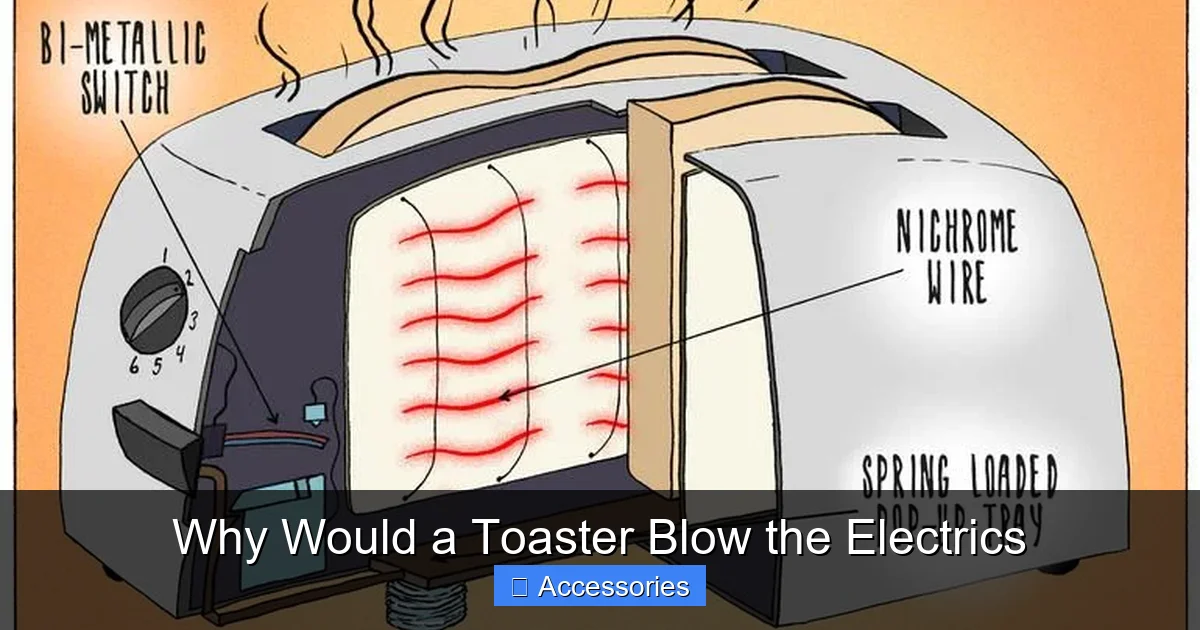
Before diving into why things go wrong, let’s quickly recap how a toaster functions. Inside every toaster is a simple but elegant system: electrical current passes through coiled heating elements (usually made of nichrome wire), which heat up when powered. As the bread passes through the slots, it gets toasted based on how long the current is applied—controlled by the browning dial or timer.
Most modern toasters also include built-in safety features:
– Thermal cut-off switches: These automatically shut off power if the toaster overheats.
– Insulated housing: Prevents external contact with hot surfaces.
– Automatic eject mechanism: Releases the toast once timing is complete.
Despite these safeguards, several factors can interfere with normal operation and lead to electrical issues. Let’s examine them one by one.
The Role of Circuit Breakers and Fuses
Your home’s electrical panel contains circuit breakers or fuses designed to protect wiring from damage due to excessive current. When a device like a toaster draws too much power—or creates a short circuit—the breaker trips or the fuse blows to prevent overheating and potential fires. This is exactly what happens when a toaster “blows the electrics.”
But here’s the catch: not all electrical failures come from the toaster itself. Sometimes, the problem stems from outdated infrastructure. For example, if your home has older 15-amp circuits meant for lighting and low-power devices, adding a high-wattage appliance like a toaster—especially alongside a microwave or coffee maker—can push the system beyond its limits.
Common Causes Why a Toaster Blows the Electrics
Visual guide about Why Would a Toaster Blow the Electrics
Image source: i.pinimg.com
Now that we understand how toasters work, let’s look at the real culprits behind electrical disruptions.
Damaged or Faulty Heating Elements
The heart of any toaster is its heating element. Over time, these coils can develop cracks, breaks, or corrosion. When part of the coil shorts out, it creates a direct path for electricity—bypassing resistance and causing a sudden surge. This surge can trip the breaker or blow the fuse.
For instance, imagine a tiny crack forming inside the nichrome wire. As the toaster heats up, the damaged section conducts electricity inefficiently, generating intense localized heat. Not only does this reduce toasting efficiency, but it also increases the risk of arcing—sparks jumping between wires—which can ignite surrounding materials or overload the circuit.
Regular inspection isn’t always easy since the heating element is sealed inside the housing. However, if your toaster starts smoking, making strange noises, or failing to toast evenly, it could signal internal damage.
Worn-Out Internal Wiring
Inside every toaster, thin copper wires connect the power cord to the heating elements and control mechanisms. These wires are insulated to prevent contact and short circuits. But insulation degrades over time due to heat, vibration, and repeated use.
When insulation wears away, bare wire may touch other conductive parts. This creates a short circuit—a low-resistance pathway that allows far more current than intended. The result? Instantaneous voltage drop across the breaker or fuse, causing it to blow.
Signs of bad wiring include:
– Discolored or melted plastic around the base
– Visible sparks when plugging in
– Persistent burning smell
If you notice any of these, stop using the toaster immediately and consider professional repair or replacement.
Crumbs and Combustible Debris Buildup
This might surprise you, but crumbs aren’t just messy—they’re potentially fire hazards. Every time you pop toast, tiny bits of bread fall into the heating chamber. Over weeks or months, these accumulate near the coils.
Bread contains starches and sugars that become flammable when dry and heated. If enough crumbs build up, they can catch fire during operation. While most modern toasters have thermal cut-offs to stop heating if temperatures rise too high, a severe fire could still trigger smoke detectors or overload circuits before the safety switch activates.
Moreover, burning crumbs produce carbonized residue that insulates wires and traps heat—further increasing the chance of overheating and electrical failure.
To prevent this, clean your toaster regularly. Most manufacturers recommend unplugging the unit, removing the crumb tray, and wiping the interior with a damp cloth after each use. Never use water directly on hot elements!
Power Surges and Voltage Fluctuations
Electrical grids aren’t perfectly stable. Power surges—sudden increases in voltage—can originate from lightning strikes, transformer issues, or even turning on heavy machinery elsewhere in your neighborhood. These surges travel through your outlets and can fry sensitive electronics.
Although toasters aren’t as vulnerable as computers or microwaves (thanks to simpler circuitry), prolonged exposure to high voltage can degrade components like capacitors or relays inside the control board. Eventually, this leads to internal failures that mimic short circuits.
Using a surge protector or uninterruptible power supply (UPS) can shield your toaster from minor fluctuations. However, for major surges, whole-house protection via an electrical panel upgrade or dedicated whole-home surge suppressor is recommended.
Overloading the Electrical Circuit
Here’s a common household mistake: plugging too many devices into one outlet strip or wall socket. For example, running a toaster, toaster oven, and blender simultaneously on the same 15-amp circuit can easily exceed 1800 watts—close to the circuit’s maximum capacity.
When this happens, the breaker senses excess draw and trips to prevent overheating of the wiring. In some cases, especially with aging systems, the breaker may fail to respond quickly enough, allowing enough current to flow to damage the toaster or other appliances.
Always check your home’s amperage rating and distribute high-energy devices across different circuits. If your kitchen feels crowded with gadgets, consider upgrading to a 20-amp dedicated circuit for major appliances.
Using Outdated or Non-Certified Appliances
Not all toasters are created equal. Countertop models vary widely in build quality, safety standards, and compliance with national regulations (like UL in the U.S.). Cheap, imported, or counterfeit units may lack proper insulation, grounding, or thermal protections.
Plugging such a toaster into your home’s electrical system introduces unpredictable risks. Even minor defects—like loose terminals or poor solder joints—can escalate into full-blown short circuits under load.
Before purchasing, look for certifications like ETL, CSA, or CE. And if your current toaster is more than 7–10 years old, weigh the cost of repair against replacement. Older models simply can’t match today’s energy-efficient and safer designs.
Warning Signs That Your Toaster Might Be Dangerous
Visual guide about Why Would a Toaster Blow the Electrics
Image source: i.ytimg.com
Prevention begins with awareness. Here are red flags to watch for:
– Smoke or burning odor: Never ignore this. Turn off the toaster and unplug it immediately.
– Sparks from the slots or outlet: Indicates arcing—a serious fire hazard.
– Flickering lights when in use: Suggests the circuit is struggling to handle the load.
– Breaker trips repeatedly: Even if only when the toaster is on, investigate further.
– Unusual buzzing or humming sounds: May point to loose internal components.
If multiple signs appear together, assume the worst and discontinue use. It’s better to replace a $30 appliance than risk property damage or injury.
What to Do If Your Toaster Blows the Electrics
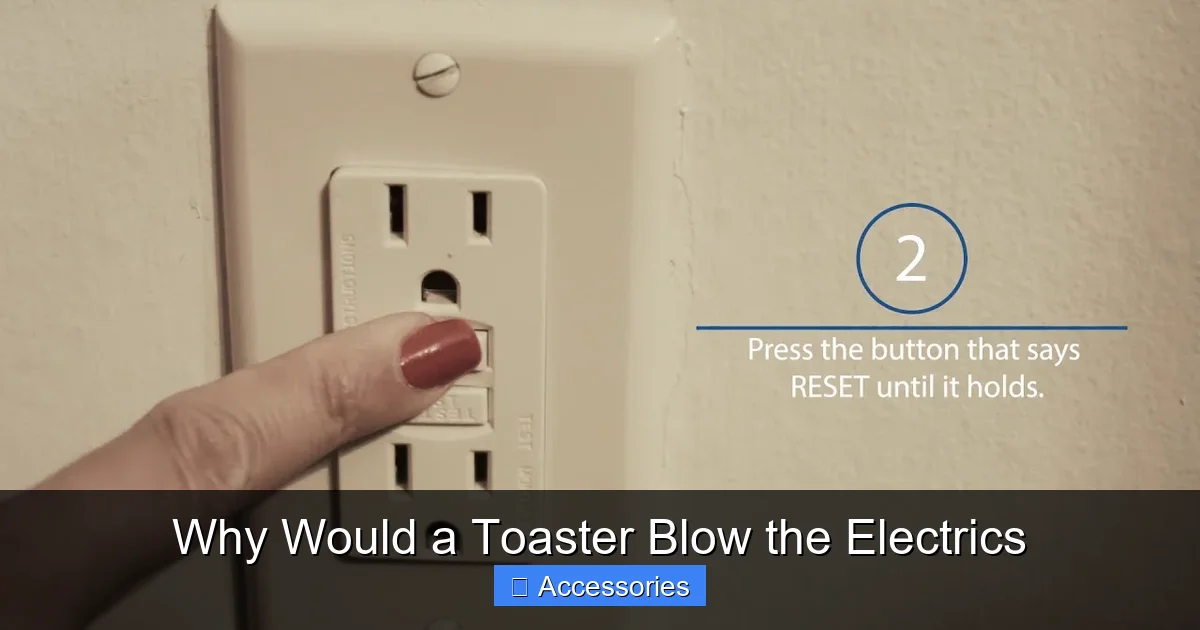
First, remain calm. Flip the breaker back on—but only after ensuring the toaster is unplugged and cool. Then, inspect both the appliance and the outlet:
1. Check the outlet: Plug another known-working device in to confirm it’s receiving power.
2. Examine the toaster: Look for visible damage, melted parts, or burnt smells.
3. Test with a multimeter (if comfortable): Measure continuity across heating elements to detect breaks.
4. Consult a technician: Especially if you suspect internal wiring issues.
Never attempt DIY repairs on electrical components unless qualified. Safety always comes first.
Preventive Measures to Avoid Electrical Issues

Visual guide about Why Would a Toaster Blow the Electrics
Image source: meowsold.com
Luckily, most toaster-related electrical problems are avoidable with simple habits.
– Clean regularly: Empty the crumb tray daily and wipe the interior weekly.
– Avoid overloading circuits: Don’t run multiple high-wattage devices on the same outlet.
– Use grounded outlets: Ensure your toaster plugs into a three-prong outlet with proper grounding.
– Unplug when not in use: Reduces standby drain and surge exposure.
– Replace old models: Modern toasters feature improved safety mechanisms and energy efficiency.
Also, consider investing in a smart power strip that monitors usage and cuts power during anomalies. Some models even send alerts to your phone!
Choosing the Right Toaster for Your Kitchen
Not all toasters behave the same under stress. When shopping, prioritize models with:
– Dual independent slots: Allow precise control without overheating.
– Auto-shutoff timers: Prevent accidental over-toasting.
– Cool-touch exteriors: Reduce burn risks and improve durability.
– High-quality materials: Stainless steel bases resist warping and cracking.
Brands like Breville, Cuisinart, and Hamilton Beach consistently score well in safety tests. Reading reviews focused on reliability—not just features—is key.
When to Call a Professional Electrician
Sometimes, the issue isn’t the toaster—it’s your home’s wiring. If you experience frequent breaker trips, dimming lights, or warm outlets, schedule an inspection. An electrician can assess whether your circuit panel needs upgrading, if GFCI protection is missing, or if there’s hidden damage from past surges.
Don’t assume “it worked fine before” means it’s safe now. Electrical systems degrade silently over time.
Upgrading Your Home’s Electrical System
For older homes, retrofitting may be necessary. This includes:
– Installing AFCI (Arc-Fault Circuit Interrupters) to detect dangerous arcing.
– Replacing knob-and-tube wiring (common pre-1950s).
– Adding dedicated circuits for major appliances.
While costly upfront, these upgrades dramatically reduce fire risks and support modern technology safely.
Conclusion: Stay Safe, Stay Informed
So, why would a toaster blow the electrics? The truth is, it usually boils down to one of these causes: faulty internal parts, crumb-induced fires, power surges, circuit overloads, or outdated equipment. While rare, these scenarios can turn a simple breakfast into a safety emergency.
The good news? With basic knowledge and routine maintenance, you can eliminate most risks. Clean your toaster, respect circuit limits, and never ignore warning signs. And remember—when in doubt, unplug it and call a pro.
Your kitchen should be a place of comfort and convenience, not constant worry. By understanding how toasters interact with your home’s electrical system, you’re taking a vital step toward peace of mind—and a safer, smarter kitchen.
—
Frequently Asked Questions
Can a toaster really start a fire?
Yes, if crumbs accumulate near heating elements and catch fire, or if internal wiring shorts out and sparks ignite surrounding materials. Always clean your toaster and avoid overloading circuits to minimize risk.
Is it safe to leave a toaster plugged in overnight?
It’s generally safe if the toaster has modern safety features like auto shut-off and thermal cut-offs. However, unplugging it reduces exposure to power surges and saves minimal energy.
Why does my toaster make a buzzing sound?
A buzzing noise often indicates loose internal components, failing relays, or misaligned contacts. This can precede electrical failure—so have it checked by a technician.
Can I fix a faulty toaster myself?
Only if you’re trained in electrical repair. Otherwise, replace it. DIY fixes on live circuits are extremely dangerous and may void warranties.
Should I use a surge protector with my toaster?
Surge protectors help guard against minor voltage spikes, but they won’t prevent internal toaster damage from sustained overheating or crumb fires. They’re a helpful addition but not a substitute for proper appliance care.
How often should I clean my toaster?
At least once per week. Daily removal of crumbs prevents buildup, while monthly deep cleaning (with the toaster unplugged and cool) ensures optimal performance and safety.