Keep your kitchen pest‑free with simple daily habits, smart storage solutions, and smart sealing techniques. From proper food handling to regular inspections, these practical tips will stop ants, roaches, flies, and rodents before they become a problem.
Key Takeaways
- Clean as you go: Immediate cleanup removes food trails that attract pests.
- Store food airtight: Sealed containers deny insects and rodents access to nutrients.
- Seal entry points: Caulking cracks and installing door sweeps blocks hidden entryways.
- Maintain dry conditions: Fix leaks and use dehumidifiers to deter moisture‑loving pests.
- Regular inspections: Weekly checks catch early signs before infestations spread.
- Natural deterrents work: Herbs, essential oils, and traps provide chemical‑free protection.
- Professional help when needed: Know when to call an exterminator to avoid a full‑blown outbreak.
📑 Table of Contents
Introduction
Imagine opening your fridge and finding a trail of tiny ants marching toward a half‑eaten slice of pizza. Or spotting a cockroach scurrying across the countertop just as you’re about to set the table. A pest‑infested kitchen isn’t just unsightly—it can spread disease, ruin food, and cause a lot of stress.
Good news: most kitchen invasions are preventable. By adopting a few everyday habits, sealing tiny gaps, and staying vigilant, you can turn your cooking space into a zone that pests simply cannot tolerate. This guide walks you through every step, from daily cleaning routines to long‑term structural fixes, so you can enjoy a clean, bug‑free kitchen all year round.
1. Master the Art of Cleanliness
Why Cleanliness Matters
Most pests are opportunistic. They follow food crumbs, sugary spills, and water sources. A spotless kitchen removes the invitation.
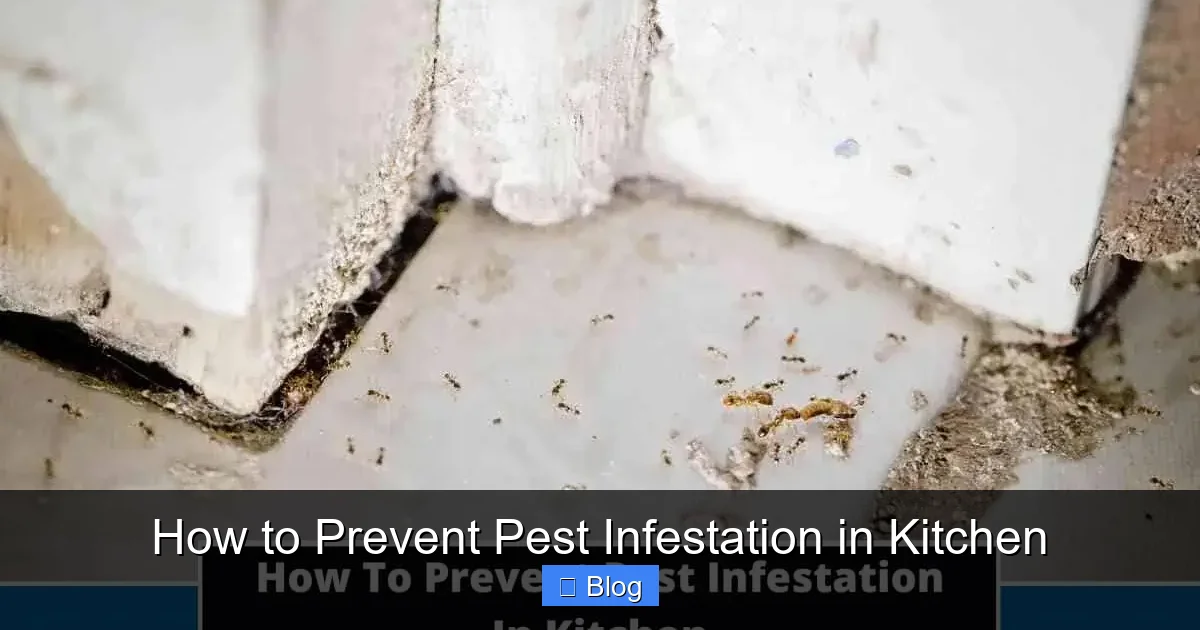
Visual guide about How to Prevent Pest Infestation in Kitchen
Image source: homemashal.com
Daily Habits That Make a Difference
- Wipe surfaces immediately: After each meal, use a damp cloth with mild soap to clean countertops, stovetops, and table edges.
- Sweep and mop floors: Crumbs settle into grout lines. A quick sweep followed by a mop (or a microfiber mop) keeps them from becoming a buffet.
- Empty trash daily: Use a trash can with a tight‑fitting lid and take the bag out each night.
- Rinse dishes right away: Even a few drops of sauce left on a plate can attract ants.
Weekly Deep‑Clean Routine
Set aside an hour each weekend for a deeper cleanse:
- Move appliances (refrigerator, stove) and vacuum behind them.
- Clean the inside of the microwave, oven, and dishwasher.
- Scrub the sink drain with a mixture of baking soda and vinegar, then flush with hot water.
- Wipe down cabinet fronts and pantry shelves with a solution of water and a few drops of dish soap.
Practical Example
Sarah, a busy mom, started a “5‑minute kitchen reset” after dinner. She set a timer, wipes the counters, sweeps the floor, and empties the trash. Within two weeks, she noticed fewer ant sightings and no cockroach droppings. Small, consistent actions made a huge difference.
2. Store Food the Right Way
Airtight Containers Are Your First Line of Defense
Open bags of cereal, flour, or rice are a beacon for pantry moths, beetles, and rodents. Transfer dry goods into containers with snap‑lock lids, silicone seals, or heavy‑gauge glass jars.
Visual guide about How to Prevent Pest Infestation in Kitchen
Image source: industrystandarddesign.com
Label and Rotate
- Label each container: Write the purchase date on a label so you can use older items first.
- Rotate stock: When restocking, place new items behind older ones. This “first‑in, first‑out” method reduces the chance of forgotten, stale food becoming a pest magnet.
Special Tips for Different Food Types
- Pet food: Store kibble in a sealed bin and keep the bag sealed inside.
- Spices and herbs: Keep them in glass jars; moisture attracts mold, which in turn attracts flies.
- Fresh produce: Store fruits like apples in the fridge; overripe fruit on the counter draws fruit flies.
Practical Example
Mike noticed tiny moths fluttering near his flour. He transferred all pantry staples into airtight containers and cleaned the shelves. Within a week, the moths disappeared, and his pantry stayed fresh for months.
3. Seal Entry Points and Eliminate Hiding Spots
Finding the Gaps
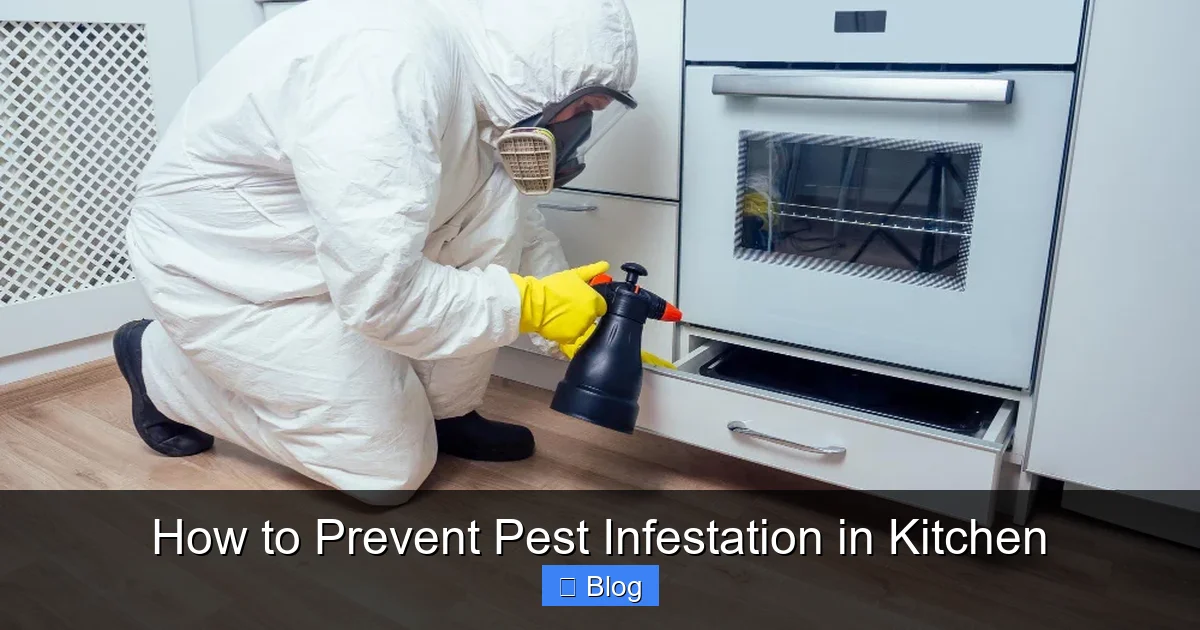
Pests can squeeze through openings as small as a pencil lead. Common entry points include:
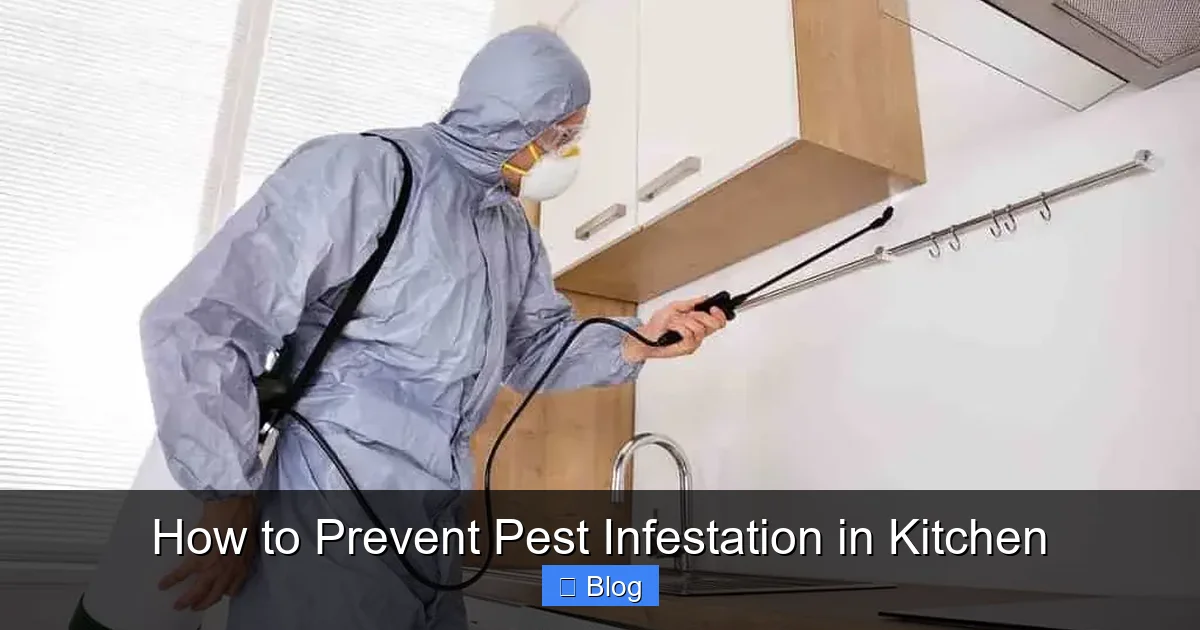
Visual guide about How to Prevent Pest Infestation in Kitchen
Image source: homemashal.com
- Cracks around windows and doors
- Gaps under baseboards
- Openings behind plumbing fixtures
- Unsealed outlets and light switches
How to Seal Effectively
- Caulk cracks: Use silicone or acrylic caulk for gaps larger than ¼ inch.
- Install door sweeps: Attach sweeps to the bottom of exterior doors to block rodents.
- Weather‑strip windows: Apply adhesive foam tape to close gaps.
- Cover vent openings: Use fine mesh screens on dryer vents and range hood ducts.
Declutter to Reduce Shelter
Stacks of cardboard boxes, paper bags, and unused appliances create perfect hiding spots. Keep the kitchen floor clear, store items in plastic bins, and recycle cardboard promptly.
Practical Example
Emma discovered a tiny hole behind her dishwasher. She filled it with expanding foam, then applied a strip of metal mesh over the area. The next month, no new cockroach sightings were reported.
4. Control Moisture and Reduce Water Sources
Why Moisture Attracts Pests
Many insects (silverfish, cockroaches) and rodents thrive in damp environments. Leaky pipes, standing water, and high humidity create ideal breeding grounds.
Fix Leaks Promptly
- Check under the sink for drips.
- Inspect the dishwasher door gasket for wear.
- Run the garbage disposal with plenty of water to prevent buildup.
Use Dehumidifiers and Ventilation
If your kitchen feels humid, place a small dehumidifier in the corner. Open windows while cooking to let steam escape, and run the exhaust fan for at least 15 minutes after meals.
Dry Out Wet Areas
- Wipe countertops and backsplashes after cooking.
- Dry the floor after mopping.
- Leave the fridge door open for a few minutes each month to clear condensation.
Practical Example
After fixing a slow leak under his sink, Tom noticed a sharp drop in silverfish activity. He also started running the vent fan for 10 minutes after every dinner, keeping humidity low.
5. Natural and Chemical Deterrents
Herbs and Essential Oils
- Bay leaves: Place a few in pantry corners to repel flies and moths.
- Peppermint oil: Mix 10 drops with water in a spray bottle; mist cabinets and cracks to deter ants and rodents.
- Citrus peels: Scatter orange or lemon peels in the trash can to keep flies away.
Traps and Baits
- Sticky traps: Place near baseboards to monitor ant and roach activity.
- Gel bait stations: Use for cockroaches; place in hidden corners.
- Snap traps: For occasional mouse sightings, set near walls and remove promptly.
When to Use Insecticides
If an infestation is beyond DIY control, choose a low‑toxicity spray labeled for indoor use. Follow label directions, keep the area ventilated, and store chemicals out of reach of children and pets.
Practical Example
Lena combined a peppermint oil spray with bay leaf sachets in her pantry. After two weeks, ant trails vanished, and she felt confident keeping the kitchen chemical‑free.
6. Schedule Professional Inspections
Signs It’s Time to Call an Expert
- Visible droppings or gnaw marks
- Persistent odor of ammonia (rodent urine)
- Large numbers of live insects despite traps
- Structural damage from nests or burrows
What to Expect from a Professional
A licensed pest control technician will perform a thorough inspection, identify the species, and recommend targeted treatments. Many companies offer a “preventive plan” that includes quarterly visits, monitoring, and safe, eco‑friendly solutions.
Choosing the Right Service
- Check for state licensing and insurance.
- Read online reviews and ask for references.
- Ask about guarantees and follow‑up visits.
Conclusion
Keeping pests out of the kitchen is less about one‑time deep cleans and more about consistent, smart habits. By cleaning promptly, storing food airtight, sealing cracks, controlling moisture, and using natural deterrents, you create an environment that pests simply cannot survive in. Stay observant, act quickly when you see the first sign, and don’t hesitate to bring in a professional if needed. Follow these steps, and your kitchen will stay fresh, safe, and pest‑free for years to come.
🎥 Related Video: Tips for a Bug-Free Kitchen
📺 Maggie’s Farm
Hungry bugs make their way into homes searching for food. Check out a few tips to keep your kitchen free of pests. 1. Seal Cracks …
Frequently Asked Questions
What are the most common kitchen pests?
Ants, cockroaches, fruit flies, pantry moths, and rodents (mice and rats) are the pests most often found in kitchens.
How often should I clean my pantry?
Do a quick sweep weekly and a deep clean every 2–3 months. Remove all items, wipe shelves, and check for expired or infested food.
Can I use vinegar to deter pests?
Vinegar cleans surfaces and removes scent trails, but it’s not a long‑term repellent. Use it as part of your regular cleaning routine.
Do natural oils really work?
Yes, oils like peppermint, eucalyptus, and tea tree create scents that many insects and rodents avoid. Refresh the spray every few days for best results.
How do I know if I need a professional exterminator?
If you see droppings, gnaw marks, or a large number of live insects despite traps and DIY measures, it’s time to call a licensed professional.
Is it safe to use chemical sprays around food?
Only use products labeled for indoor, food‑area use and follow the instructions carefully. Keep food covered and ventilate the area before cooking again.