
How Does An Aga Stove Work is an essential topic that provides valuable insights and practical knowledge for anyone interested in learning more about this subject.
How Does an Aga Stove Work
Imagine stepping into a kitchen where the oven is always warm, the radiator hums gently in the background, and a comforting heat spreads through the house like a soft blanket. That’s the everyday magic of an Aga stove. If you’ve ever watched a friend stir a simmering pot on an Aga and wondered what makes it so different from a regular oven, you’re in the right place. In this post we’ll explore exactly how an Aga stove works, breaking down the science, the design, and the everyday tricks that turn this classic appliance into a centerpiece of comfort.
Whether you’re a homeowner considering an upgrade, a renter curious about the quirks of a shared kitchen, or simply a food lover who enjoys a warm kitchen vibe, understanding the inner workings of an Aga can help you make the most of its unique benefits. Let’s pull back the lid and see what lies beneath the iconic cast‑iron façade.
Key Takeaways
- Understand the heat source: An Aga uses a continuously burning fuel source to maintain steady heat.
- Leverage thermal mass: Cast‑iron ovens store heat, delivering consistent cooking temperatures.
- Utilize multiple ovens: Different temperature zones allow simultaneous roasting, baking, and simmering.
- Adjust with thermostatic controls: Modern Agas let you fine‑tune heat without extinguishing the fire.
- Maintain efficiency: Regular cleaning of the heat‑exchange system preserves fuel economy.
- Plan meals around heat cycles: Use the hottest oven for roasts, the cooler one for desserts.
- Consider installation requirements: Proper ventilation and clearance are essential for safe operation.
📑 Table of Contents
- 1. The Core Principle: Heat Storage and Distribution
- 2. The Different Cooking Zones and Their Temperatures
- 3. Fuel Types: Gas, Oil, and Electricity
- 4. Controlling Temperature: Thermostats, Timers, and Manual Adjustments
- 5. Maintenance, Safety, and Longevity
- 6. Everyday Cooking Hacks That Leverage the Aga’s Unique Design
- Conclusion
1. The Core Principle: Heat Storage and Distribution
Why Heat Storage Matters
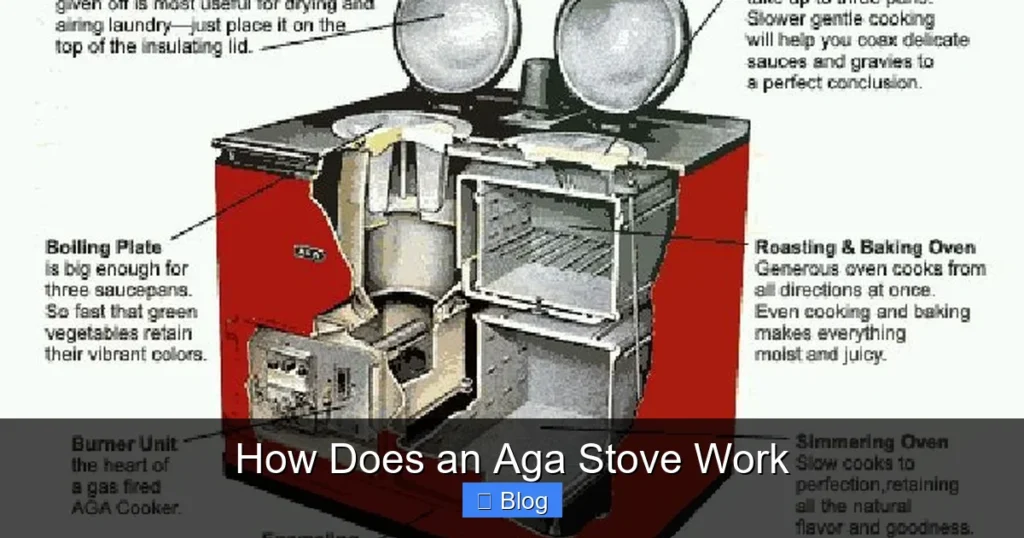
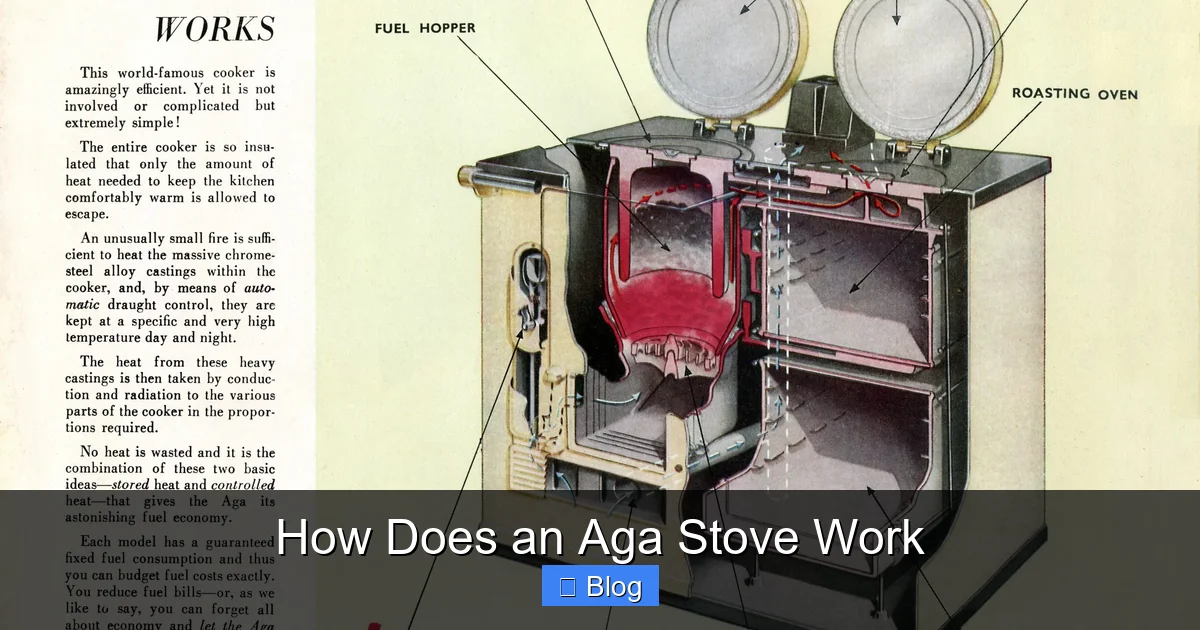
The secret of an Aga lies in its ability to store heat for long periods. Unlike conventional ovens that heat up only when you need them, an Aga is always on. It uses a massive cast‑iron or steel heat‑storage core that absorbs heat from a low‑intensity burner and releases it slowly over time. This constant “ready‑heat” state is what makes cooking on an Aga feel so effortless.
How Does an Aga Stove Work? The Heat Cycle Explained
- Ignition: A small gas flame (or electric element in electric models) ignites the heat‑storage core.
- Absorption: The core, often weighing between 150‑200 kg, soaks up the heat.
- Radiation: The stored energy radiates outward, keeping the oven, grill, and hotplates at steady temperatures.
- Re‑charging: As the core cools, the burner automatically fires again, keeping the cycle going.
Because the core never fully cools down, you never have to pre‑heat. That’s a key answer to how does an Aga stove work when you’re in a rush: the oven is already at the right temperature.
Practical Tip: Using the “Warm” Setting
If you need a gentle heat for delicate dishes, simply use the “warm” oven. The core’s temperature is lower, but the heat remains even, preventing hot spots that can ruin a soufflé. This flexibility is a direct result of the heat‑storage principle.
2. The Different Cooking Zones and Their Temperatures
Understanding the Four Main Compartments
Most traditional Agas have four distinct compartments, each designed for a specific temperature range:
Visual guide about How Does an Aga Stove Work
Image source: keyassets.timeincuk.net
- Roasting Oven (200‑250 °C / 390‑480 °F): Ideal for roasts, casseroles, and baked potatoes.
- Baking Oven (180‑200 °C / 355‑390 °F): Perfect for cakes, pastries, and breads.
- Simmering Oven (90‑120 °C / 195‑250 °F): Great for slow‑cooked stews and poaching.
- Warm Oven (60‑90 °C / 140‑195 °F): Used for keeping dishes warm without overcooking.
How Does an Aga Stove Work? The Role of Separate Burners
Each compartment has its own burner, but they all feed the same heat‑storage core. The core’s temperature determines which compartment reaches which heat level. When the core is hot, the roasting oven naturally runs hotter than the baking oven because of its design and venting.
Practical Example: Multi‑Dish Cooking
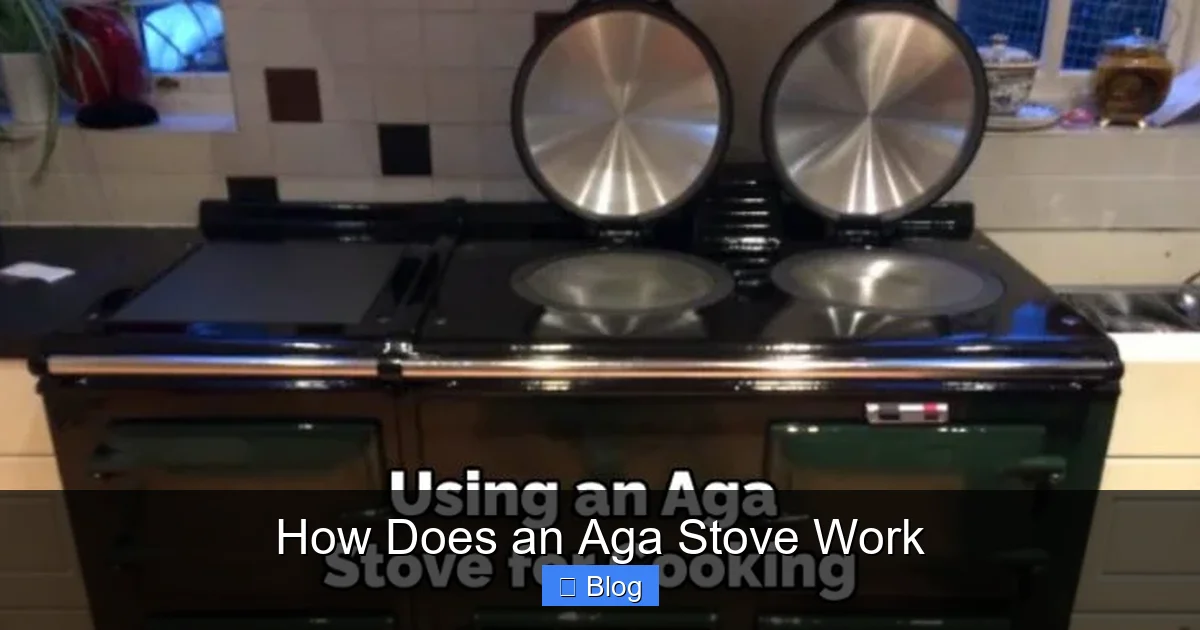
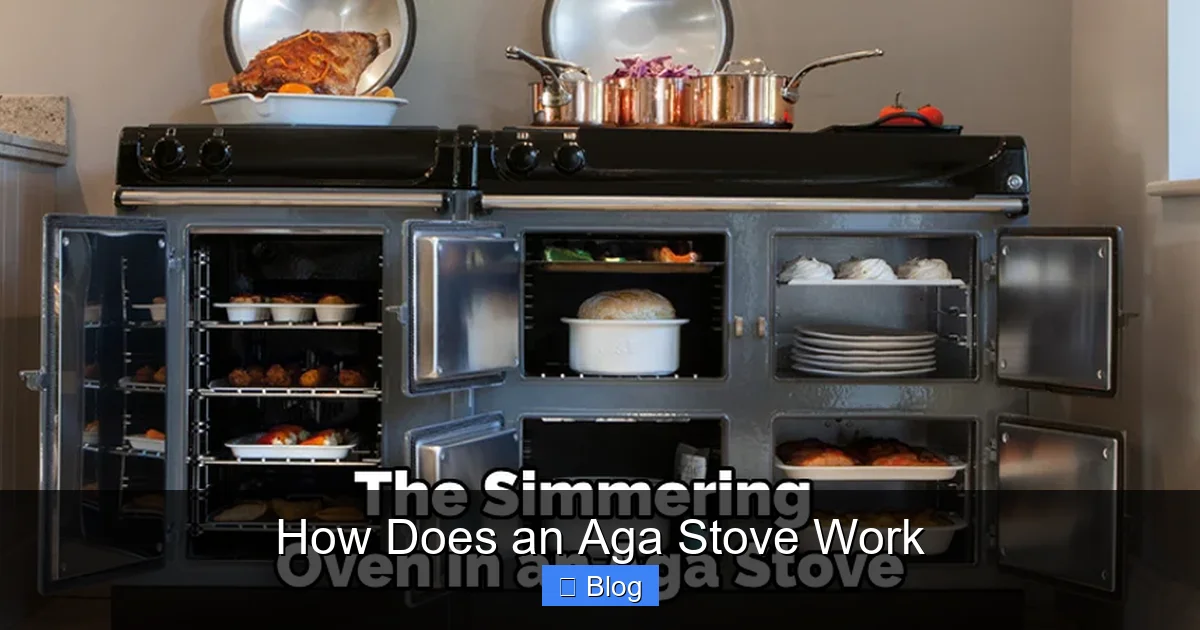
Picture this: you’re preparing a Sunday roast. While the meat roasts in the high‑heat oven, you can bake a dessert in the lower‑temperature baking oven, and keep a pot of gravy simmering in the simmering oven—all at the same time. Understanding how an Aga stove works lets you orchestrate a full‑course meal without juggling multiple appliances.
3. Fuel Types: Gas, Oil, and Electricity
Gas‑Powered Agas
Most traditional Agas run on natural gas or propane. A small, continuously‑burning pilot ignites the core. The pilot’s flame is regulated by a thermostat that fires only when the core temperature drops below a set point. This is a classic illustration of how does an Aga stove work in a gas‑fueled system.
Visual guide about How Does an Aga Stove Work
Image source: thekitchenix.com
Oil‑Powered Agas
In regions without a gas supply, oil‑burned Agas are common. An oil burner works similarly to a gas burner, delivering a steady flame that heats the core. The main difference lies in the fuel delivery system and the need for regular oil tank refills.
Electric Agas
Modern electric Agas replace the flame with electric heating elements. These elements heat the core using resistive heating, and a built‑in timer controls the cycle. While electric models lack the instant “flame‑on” feel, they still follow the same principle of heat storage and distribution.
Data Table: Comparing Fuel Types
| Fuel Type | Typical Installation Cost | Running Costs (per year) | Environmental Impact | Maintenance Frequency |
|---|---|---|---|---|
| Gas | £800‑£1,200 | £400‑£600 | Medium (combustion CO₂) | Annual burner cleaning |
| Oil | £900‑£1,300 | £500‑£700 | Higher (fuel extraction) | Bi‑annual tank check |
| Electric | £700‑£1,000 | £350‑£500 | Low (depends on grid mix) | Minimal (element check) |
Tip: Choosing the Right Fuel for Your Home
If you already have a gas line, a gas‑powered Aga is usually the most cost‑effective. For eco‑conscious households, an electric Aga paired with renewable electricity can reduce the carbon footprint while still delivering the same comforting heat.
4. Controlling Temperature: Thermostats, Timers, and Manual Adjustments
The Role of the Thermostat
At the heart of how an Aga stove works is the thermostat that monitors the core’s temperature. When the core cools below the preset point, the thermostat opens the gas valve (or activates the electric element) and the burner fires. Once the core reaches the desired temperature, the thermostat shuts the fuel off.
Visual guide about How Does an Aga Stove Work
Image source: thekitchenix.com
Using Timers for Precise Cooking
Modern Agas often include programmable timers for each oven. While the core remains hot, the timer simply controls the venting and the internal fan, allowing you to start a bake exactly when you need it. This means you can set a cake to finish just as the roast comes out of the roasting oven.
Manual Adjustments: The Classic Aga Experience
Many owners love the tactile feel of turning a knob to adjust heat. On a traditional Aga, you can manually raise or lower the flame on each burner, giving you direct control over the core’s heat output. This hands‑on approach is a nostalgic reminder of how does an Aga stove work at its most fundamental level.
Practical Tip: Managing Heat During Winter
Because an Aga radiates heat continuously, it can double as a central heating source. If you find your house getting too warm, simply turn the radiators on the side of the Aga off using the built‑in valve. This reduces the amount of heat the core needs to replace, saving fuel while keeping the ovens ready.
5. Maintenance, Safety, and Longevity
Regular Cleaning Routines
Even though an Aga is built to run constantly, it still needs regular love. Here’s a quick checklist for keeping your Aga in top shape:
- Weekly: Wipe down the oven doors, knobs, and exterior with a damp cloth.
- Monthly: Clean the burners and check for soot buildup.
- Quarterly: Inspect the heat‑storage core for rust and have a professional polish it if needed.
- Yearly: Schedule a professional service to test the thermostat, gas pressure, and safety valves.
Safety Features That Show How an Aga Stove Works
Safety is built into every stage of the process. Flame failure devices cut off gas if the flame goes out, while over‑temperature cut‑outs protect the core from overheating. Electric models have thermal fuses that shut down the element if temperatures exceed safe limits.
Extending the Life of Your Aga
Because the core never fully cools, it experiences less thermal shock than a conventional oven that cycles on and off. This means fewer cracks and longer lifespan—often 25‑30 years with proper care. Treating the core gently, avoiding sudden temperature drops (like pouring cold water on a hot pan), and keeping the surrounding area well‑ventilated will help you answer the question how does an Aga stove work for many generations.
Practical Example: Spotting Early Signs of Trouble
If you notice one oven consistently cooler than the others, it could be a blocked vent or a faulty burner. Turn off the affected oven, clean the vent, and if the problem persists, call a technician. Early intervention prevents costly repairs and keeps the whole system running smoothly.
6. Everyday Cooking Hacks That Leverage the Aga’s Unique Design
Batch Cooking Made Easy
Because the heat is always on, you can start a stew in the simmering oven, add a side of roasted vegetables in the roasting oven, and bake a dessert in the baking oven—all without pre‑heating. This “one‑stove‑multiple‑dishes” approach saves time and energy.
Using the Hotplates as a Warm Holding Area
The hotplates on top of an Aga stay warm for hours. Place a pot of sauce or a bowl of cooked rice on a hotplate to keep it ready for serving. This is a classic example of how an Aga stove works as a passive warming surface.
Energy‑Saving Tips
- Close the oven doors tightly; even a small gap lets heat escape.
- Use the “warm” oven for dishes that only need gentle heat.
- Turn off the radiators in rooms you’re not using to reduce the load on the core.
Creative Uses Beyond Cooking
Many owners use the warm oven as a low‑temperature dryer for herbs or a proofing box for bread dough. The steady temperature creates an ideal environment for these tasks, showcasing the versatility that stems from understanding how does an Aga stove work.
Conclusion
At its core, an Aga stove is a beautifully simple device that turns the age‑old principle of heat storage into modern comfort. By constantly feeding a massive heat‑storage core, an Aga provides ready‑heat ovens, gentle warming surfaces, and even supplemental home heating—all while letting you cook multiple dishes simultaneously without the hassle of pre‑heating.
Knowing how an Aga stove works empowers you to use it more efficiently, keep it well‑maintained, and enjoy the cozy ambiance it creates in any home. Whether you’re a seasoned Aga owner or just curious about this iconic kitchen centerpiece, the insights shared here should help you appreciate the blend of tradition and engineering that makes the Aga a timeless favorite.
🎥 Related Video: AGA Stove Review | Traditional Cooking | Farmhouse Kitchen Oven | AGA Cooker Review 2022
📺 From Scratch Farmstead
One year into owning our AGA cast iron cooker, we give you our AGA stove review complete with an overview of what an AGA …
Frequently Asked Questions
How does an Aga stove work?
An Aga stove uses a large thermal mass—usually cast iron—that is heated continuously by a low‑temperature flame. The stored heat radiates into the kitchen, providing cooking, baking, and warming without the need for a thermostat.
What is the heating principle behind an Aga stove?
The Aga operates on the principle of thermal inertia: a constant heat source warms the heavy cast‑iron oven and hotplates, and the material slowly releases that heat over time. This steady, radiant heat cooks food gently and keeps the surrounding space warm.
Do I need to turn the Aga on and off like a regular oven?
No. An Aga is designed to stay on 24 hours a day, using a small amount of fuel (oil, gas, or electricity) to maintain its temperature. You simply select the appropriate oven or hotplate for the cooking task.
How does an Aga stove maintain different temperatures in each oven?
Most Aga models have separate compartments—typically a roasting oven, a baking oven, and a simmering oven—each insulated and heated by its own dedicated burner or heating element. This allows each oven to stay at its optimal temperature while the whole unit remains on.
Can I use an Aga stove for everyday cooking and still keep my home warm?
Yes. The continuous heat from the Aga not only cooks food but also radiates warmth into the kitchen and adjacent rooms, often reducing the need for additional heating. This dual function is a key benefit of the Aga system.
Is it more energy‑efficient to have an Aga stove compared to a conventional oven?
Because the Aga runs continuously at low heat, it avoids the energy spikes of repeatedly heating a conventional oven up and down. Over time, especially in colder climates, the steady heat can be more economical and provide added comfort.



